















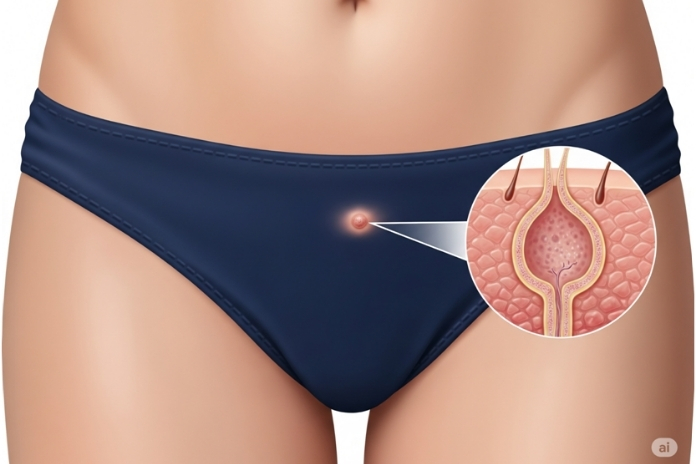
A cyst on the bikini line is more common than most people realize, even though it’s rarely talked about. These bumps can show up as small, tender lumps or larger, swollen areas that feel sore to the touch. Often mistaken for ingrown hairs or razor bumps, they can form after shaving, waxing, or even from friction caused by tight clothing. While some cysts disappear on their own with minimal discomfort, others can become painful, inflamed, or even infected, making it hard to ignore.
What makes bikini line cysts particularly frustrating is their sensitive location and the confusion surrounding their cause. Many people are unsure whether to treat the cyst at home, pop it (which is not recommended), or consult a doctor. Mismanagement can lead to scarring, infection, or recurring flare-ups. That’s why it’s essential to understand the various types of cysts, their formation mechanisms, and the safest methods for managing them without exacerbating the issue.
This guide is here to help. From causes and symptoms to treatment options and prevention tips, we’ll walk you through everything you need to know about cysts on the bikini line. Whether you’re dealing with your first one or have had them before, this is your go-to resource for getting relief, avoiding complications, and keeping your skin calm, clear, and healthy.
What Is a Bikini Line Cyst?

A cyst near the bikini line is a common but often overlooked issue. Painful, awkward, and usually pops up right when you don’t want it. Whether it’s due to shaving, waxing, tight clothes, or just bad luck, these bumps are your skin’s way of saying: “Something’s clogged up.” Most aren’t dangerous, but they can get inflamed, infected, or just refuse to go away. Knowing the type of cyst you’re dealing with helps you treat it better and avoid it next time.
Common types of bikini line cysts
- Sebaceous Cysts: These form when oil glands or ducts get blocked, trapping sebum under the skin. They’re usually painless, slow-growing, and feel firm to the touch, unless they get infected.
- Ingrown Hair Cysts: Super common post-shaving or waxing. When a hair curls back into the skin, it creates a red, sore bump that may look like a pimple or boil, and can fill with pus.
- Bartholin’s Cysts: Found near the vaginal opening, these swell up fast when the Bartholin’s gland duct is blocked. They may not hurt at first, but can turn painful quickly, especially during sitting or sex.
- Epidermoid Cysts: These develop from trapped skin cells and keratin. According to the NIH, they grow slowly, can be firm or squishy, and may become inflamed if irritated by friction or pressure.
Common Causes of a Cyst on the Bikini Line
Cysts along the bikini line may seem sudden or mysterious, but they’re usually caused by everyday factors, especially those linked to hair removal, friction, and skin irritation. This area is particularly prone to blocked pores and inflammation, thanks to its sensitivity and exposure to constant grooming, sweat, and tight clothing.
- Ingrown hairs from shaving or waxing are a leading cause. When a hair curls back into the skin instead of growing outward, your body treats it like a foreign object, leading to swelling, redness, and sometimes pus-filled cysts.
Ingrown hairs can be a result of shaving, waxing, or tweezing your pubic hair, says Dr. Jeannette Graf, board-certified dermatologist and assistant clinical professor of dermatology at the Icahn School of Medicine at Mount Sinai.
- Blocked hair follicles or oil glands can also trigger cysts. When dead skin cells and sebum clog these pathways, fluid or keratin builds up underneath, forming a small lump under the skin’s surface.
- Friction and trapped sweat are common in tight underwear or synthetic fabrics. The constant rubbing combined with moisture creates an ideal environment for irritation and bacterial growth.
- Bacterial infections can enter through small cuts or blocked follicles. These often evolve into painful cysts or boils that are warm to the touch and filled with pus.
- Hormonal fluctuations or skin trauma also play a role. Hormones can increase oil production, and nicks from razors or overly aggressive exfoliation can easily turn into inflamed, swollen bumps.
Understanding the cause of your cyst is the first step toward preventing it from coming back and treating it safely.
Symptoms to Watch For
Cysts on the bikini line can often start small and harmless but may become uncomfortable or even painful over time, especially if they become irritated or infected. Knowing the symptoms can help you catch a problem early and seek treatment before it worsens.
- Redness, swelling, and tenderness are some of the first signs. The skin around the lump may feel warm or irritated to the touch.
- A visible or raised bump may develop, varying in firmness. Some cysts are soft and squishy, while others feel firm or rubbery beneath the skin.
- Pus or fluid drainage might occur if the cyst becomes infected and ruptures. This can relieve some pressure, but it increases the risk of spreading bacteria.
- Pain or discomfort during movement is common, especially when walking, sitting, or wearing snug underwear or leggings.
- Fever or chills are rare but serious signs of infection. If the cyst is accompanied by systemic symptoms, it could mean the infection is spreading and needs immediate medical attention.
Staying alert to these symptoms ensures you take the right steps early, whether that means at-home care or seeing a doctor for further treatment.
Cyst vs. Boil vs. Ingrown Hair: How to Tell the Difference
Distinguishing between a cyst, a boil, and ingrown hair can be tricky, especially when they all show up in the same sensitive areas like the bikini line. But understanding the key differences can help you choose the right care and avoid making things worse by squeezing or picking.
- Cyst: Typically forms slowly beneath the skin and feels like a round, movable lump. It’s usually not painful unless it becomes infected. The skin over a cyst may look normal or slightly raised, and it often stays the same size for a while before changing.
- Boil (Furuncle): Boils are acute, painful infections that often start as red, swollen lumps and quickly become tender. They’re usually the result of a bacterial infection in a hair follicle or sweat gland. Over time, they fill with pus, may form a white or yellow head, and can burst or drain on their own.
- Ingrown Hair: This occurs when a hair grows back into the skin instead of rising up through it. It looks like a small, red or pink bump, sometimes with a visible hair loop under the surface. Ingrown hairs are often itchy or tender and can become inflamed or even mildly infected, especially if you shave or wax frequently.
If the bump becomes very painful, grows quickly, starts draining, or doesn’t improve after a few days of home care, it’s best to see a healthcare provider. What looks like a minor skin issue could turn into a more serious infection if left untreated.
Read More: How to Treat Skin Boils With Turmeric
Treatment Options for Bikini Line Cysts
Bikini line cysts are common and often manageable at home, but persistent, painful, or infected ones may require medical attention. Understanding the right approach can help you treat them safely and avoid complications like scarring or recurrence.
1. At-Home Remedies
- Warm Compresses: Apply a warm, damp cloth to the affected area for 10 to 15 minutes several times a day. The American Academy of Dermatology recommends this to help soften the cyst, promote natural drainage, and relieve discomfort.
- Keep the Area Clean and Dry: Wash gently with a mild, fragrance-free cleanser. Avoid harsh scrubs or aggressive cleaning, which can irritate the area further.
- Avoid Shaving or Waxing: Refrain from hair removal until the cyst heals. Shaving or waxing can worsen irritation or lead to further blockage and infection.
Read More: Heal Sebaceous Cysts Naturally: 18 Effective Home Remedies
Over-the-Counter Treatments
- Pain relievers such as acetaminophen or ibuprofen can reduce discomfort and inflammation.
- If the cyst shows mild drainage or redness, applying an over-the-counter antibiotic ointment may help prevent infection.
Important: Do not squeeze, pop, or attempt to lance the cyst yourself. Doing so can push bacteria deeper into the skin, increase inflammation, and lead to scarring or a more serious infection.
2. Medical Treatment
If the cyst becomes increasingly painful, swollen, infected, or does not improve with home care, it’s time to consult a healthcare provider. Medical interventions may include:
- Incision and Drainage: A doctor can make a small, sterile incision to safely drain the cyst. This is a quick, outpatient procedure that reduces pain and prevents further complications.
- Antibiotics: If signs of infection are present, such as pus, warmth, spreading redness, or fever, oral antibiotics may be prescribed to help the body clear the infection.
- Steroid Injections: In cases of significant inflammation without infection, a corticosteroid injection may be used to reduce swelling and accelerate healing.
- Surgical Removal: For cysts that are chronic, recurrent, or do not respond to other treatments, surgical removal of the cyst sac can provide a long-term solution and prevent recurrence.
Managing bikini line cysts requires a balance of hygiene, patience, and medical support when necessary. Treat early, avoid irritation, and don’t hesitate to seek help if symptoms worsen or persist.
When to See a Doctor
Most bikini line cysts improve on their own with basic care. But you should seek medical attention if:
- The cyst gets bigger, more painful, or doesn’t improve after 1–2 weeks.
- You see signs of infection, including increasing redness, warmth, pus, fever, or chills.
- The cyst interferes with walking, sitting, or daily activities.
- You’re unsure if it’s a cyst or something more serious, like a hernia or swollen lymph node.
- The cyst recurs frequently or has lasted several weeks without improvement.
Prompt treatment can prevent complications like abscess formation or spreading infection.
Prevention Tips: How to Avoid Bikini Line Cysts
Although you can’t completely eliminate the risk of developing a cyst near the bikini line, adopting the right hygiene and grooming practices can greatly reduce your chances. Consistent care, gentle techniques, and the right products can help protect your skin and prevent irritation, clogged pores, and ingrown hairs, the most common culprits behind cyst formation.
- Use a clean razor every time: Dull or used razors increase the risk of cuts, irritation, and bacterial transfer. For best results, always use a clean, sharp razor or consider switching to alternatives like electric trimmers or laser hair removal, which are less abrasive to the skin and reduce the risk of ingrown hairs.
- Shave with the grain: Shaving in the direction of hair growth reduces the risk of hair curling back into the skin. Avoid pulling the skin too tightly while shaving, as this can cause the hair to be cut too short and grow inward. The American Academy of Dermatology recommends avoiding pulling the skin too tightly while shaving, as this can cause the hair to be cut too short and grow inward.
- Exfoliate regularly: Using a gentle scrub or exfoliating cloth two to three times a week can help remove dead skin cells, prevent pore blockages, and reduce the likelihood of ingrown hairs. Avoid over-exfoliating, which can damage the skin barrier and increase irritation.
- Wear breathable, moisture-wicking underwear: Tight, synthetic underwear can trap heat and sweat, creating the perfect environment for friction and bacterial buildup. Opt for breathable materials like cotton or moisture-wicking fabrics that keep the area dry and reduce irritation.
- Shower after sweating: Whether it’s after a workout, a hot day, or extended sitting, showering promptly helps wash away sweat, bacteria, and dirt that can clog hair follicles and increase the risk of cysts forming.
- Moisturize post hair removal: Apply a fragrance-free, non-comedogenic moisturizer after shaving or waxing to soothe the skin and restore hydration. Avoid heavy creams or fragranced products, which can clog pores and trigger irritation.
Incorporating these habits into your regular hygiene and grooming routine is one of the most effective ways to keep your bikini area healthy. By protecting your skin barrier, reducing irritation, and staying mindful of your hair removal methods, you can minimize the risk of developing painful and uncomfortable cysts.
A PubMed Central review explained that using dull, multi-blade razors, especially when shaving against the grain, significantly increases the risk of pseudofolliculitis (ingrown hairs) by creating sharp hair tips and encouraging hair to re-enter the skin. In contrast, using sharp single-blade razors, shaving with the grain, and avoiding skin stretching markedly reduces occurrences of ingrown hair cysts.
Frequently Asked Questions (FAQs)
1. Can you pop a bikini line cyst at home?
No, you should never attempt to pop a cyst at home. Squeezing or picking at it can push bacteria deeper into the skin, worsening the infection and increasing inflammation. It also raises the risk of scarring and recurrence. If a cyst needs to be drained, it’s best to visit a healthcare provider who can do so in a sterile and safe environment.
2. Is a bikini line cyst an STD?
In most cases, a bikini line cyst is not a sexually transmitted disease. These cysts are typically caused by factors like ingrown hairs, blocked oil glands, or friction from shaving or tight clothing. However, if the lump is persistent, painful, spreads quickly, or is accompanied by other symptoms like unusual discharge or sores, it’s important to get tested by a healthcare provider to rule out an STD or other infection.
3. How long does a cyst take to go away?
A non-infected, minor cyst near the bikini line may go away on its own within 1 to 2 weeks, especially with the help of warm compresses and proper hygiene. However, if the cyst becomes infected, painful, or increases in size, it may linger much longer and could require medical intervention. If you don’t see improvement after a couple of weeks, it’s wise to consult a doctor.
4. Can a cyst turn into cancer?
Most bikini line cysts, such as sebaceous or epidermoid cysts, are benign and pose no cancer risk. However, in rare cases, a skin cancer may mimic a cyst in appearance, especially if it’s firm, fast-growing, irregularly shaped, or doesn’t heal. If your cyst changes in size, color, or texture, or if it starts bleeding or causing severe pain, seek a medical evaluation to rule out more serious conditions.
Conclusion
A cyst on the bikini line can be more than just a physical nuisance; it can affect your comfort, confidence, and peace of mind. While most cysts are harmless and stem from common triggers like hair removal, friction, or clogged pores, ignoring them or mistreating them can lead to unnecessary pain or infection.
The good news? You have more control than you think. With the right care, warm compresses, gentle hygiene, and patience, most cysts can be managed safely at home. Prevention is just as powerful: opt for smart shaving techniques, breathable fabrics, and regular exfoliation to keep your skin healthy and resilient.
And above all, trust your instincts. If a cyst doesn’t improve, becomes painful, or feels off, don’t delay medical help. Listening to your body is not just good skincare, it’s self-respect.

References
- https://www.health.harvard.edu/a_to_z/bartholins-gland-cyst-a-to-z
- https://www.ncbi.nlm.nih.gov/books/NBK499974/
- https://my.clevelandclinic.org/health/diseases/23452-vaginal-cysts
- https://www.webmd.com/women/vaginal-cysts-causes-symptoms-treatments
- https://www.cloudninecare.com/blog/vaginal-lumps-and-bumps-cause-and-symptoms
- https://flo.health/menstrual-cycle/health/symptoms-and-diseases/what-causes-boils-in-the-pubic-area
- https://www.hopkinsmedicine.org/health/conditions-and-diseases/folliculitis-boils-and-carbuncles
- https://my.clevelandclinic.org/health/diseases/ingrown-hair-cyst
- https://www.vinmec.com/eng/blog/difference-between-cysts-and-boils-abscesses-en
- https://www.health.com/boil-vs-cyst-8639964
- https://www.medicalnewstoday.com/articles/321270
- https://www.aad.org/public/diseases/a-z/folliculitis
- https://www.aad.org/public/everyday-care/skin-care-basics/hair/how-to-shave
In this Article