















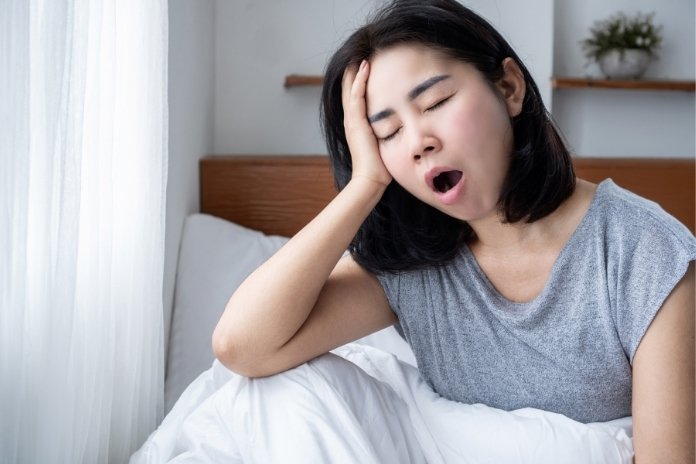
Have you ever woken up with a pounding headache, nausea, or a foggy feeling despite not drinking anything at all the previous evening? You’re not by yourself. It can be annoying to wake up in such a fog without knowing why, and many individuals have what seems like a hangover without drinking.
Indeed, as hangover symptoms are frequent in many other disorders, it is conceivable to experience a hangover without drinking.
The effects of a hangover on the body are more complex. Anything from headaches like dehydration to nausea from alcohol’s impact on an empty stomach to anxiety from acetaldehyde, a molecule your body generates, could affect you. However, similar symptoms might occasionally still occur when alcohol is not present.
This article will discuss the hidden origins of these “sober hangovers” and offer helpful, scientifically supported advice on how to wake up feeling rejuvenated.
Read More: Why You Jerk Awake Right Before Falling Asleep
What Does It Mean to Feel “Hungover” Without Drinking?
Although it may seem odd, experiencing a “hungover” without consuming alcohol is a real and uncomfortable situation.
According to Dr. Beth Ricanati, M.D., “common hangover symptoms may include a general symptom such as fatigue, thirst, and aches; and more specific symptoms like headache, nausea, sensitivity to light and sound, and also irritability.” It will be worth conducting some research to determine the cause of negative feelings if you experience them even after refraining from drinking.
When you experience hungover symptoms without drinking, your body is telling you that something is off.
We must now stress that there are an infinite number of circumstances that could simulate a hangover. Therefore, if you’re feeling ill, you should always see a doctor.
Although it’s not always the result of a disease, it’s a sign that your body needs care, whether that care takes the form of dietary adjustments, better sleep patterns, or increased water intake. The first step to feeling better and avoiding those slow, depressing mornings is to acknowledge these feelings as messages rather than mysteries.
Surprising Reasons You May Wake Up Feeling Hungover

A. Dehydration Overnight
Without consuming any alcohol, here are some of the most frequent causes of hungover symptoms:
Dr. Donna Casey, an internist at Texas Health Presbyterian Hospital in Dallas, explains that dehydration plays a major role in causing hangovers. Therefore, it should not come as a surprise that merely not drinking enough water can make you feel awful.
“Anything which dehydrates the body can potentially cause similar feelings to a hangover,” said Dr. Greg Burrell, M.D., vice president of clinical products at Carbon Health, a health care provider.
According to the Cleveland Clinic, people may experience headaches, exhaustion, dry mouth, and lightheadedness if they lose around 1.5% of their body’s fluids.
Naturally, dehydration can still occur even if you haven’t consumed alcohol. It’s easy to forget to drink enough water if you’ve been exercising a lot lately, traveling, or working too hard at your job.
Experts recommend consuming 11.5 cups, or approximately 2.7 liters of water daily to stay well hydrated. If you intend to work out or if it’s a hot day and you’re perspiring a lot, drink more.
B. Blood Sugar Drops or Spikes
Your blood sugar levels can significantly influence your morning mood. Consuming too much sugar may cause blood sugar to fluctuate and lead to insomnia, headache, jitters, and exhaustion the following day.
You become weak or tired when your blood sugar levels fall. It is especially critical for people with diabetes since it can drop to critical levels.
Your body can release stress hormones, such as cortisol or adrenaline, when it detects low blood sugar, which can cause weakness and insomnia.
Preventing waking up weak and hungover can be achieved by maintaining stable blood sugar levels with a balanced, healthy diet and snacks, especially those rich in fiber, protein, and healthy fats. However, you can avoid these painful feelings by controlling the amount of sugar you take.
Read More: 7 Reasons you Feel Groggy After Waking Up & How To Avoid Inertia!
C. Poor Sleep Quality or Sleep Disorders
Quality sleep is more important than quantity. Even though you may believe you slept for eight hours, you’re likely to wake up feeling disoriented if you had disturbed sleep.
The importance of sleep for overall health is becoming increasingly apparent. Poor sleep quality can raise your chances of developing infections, cardiovascular issues, diabetes, and certain types of cancer.
If you have trouble falling asleep, it may be wise to use a sleep aid; however, be aware that you might wake up feeling sleepy in the morning. According to Dr. Alex Dimitriu, M.D., founder and consulting psychiatrist at Menlo Park Psychiatry & Sleep Medicine, “some sleep aids can result in headaches or sedation the following day.”
Your circadian rhythm can be upset, and the generation of melatonin, your body’s natural sleep hormone, can be delayed by even something as basic as using your phone or laptop late into the night. You might thus experience difficulties getting into deep sleep or waking up during lighter sleep cycles, which could leave you feeling drowsy or “hungover.”
If you find yourself lacking adequate rest, it might be a sign to re-evaluate your habits. Sleep often gets neglected, yet it plays a vital role in maintaining overall well-being.
D. Stress and Cortisol Imbalance
According to a study, stress levels in the US are rising. More and more Americans are attributing their stress to the hormone cortisol and are exploring whether reducing its levels might enhance both mental and physical well-being.
“We frequently experience fluctuations in cortisol levels,” stated Natasha Malkani, MD, an endocrinologist at Cedars-Sinai. “For the vast majority of us, the most direct and impactful way to even it out is to get our stress under control.”
Do you wake up with a pounding headache, tense chest, or racing heart? Your stress hormones might be the cause. Chronic stress might cause an imbalance in your body’s cortisol levels.
Stress not only affects mental health but also your immune system, digestion, and sleep patterns. Anxiety or overstimulation before bed may prevent your body from recuperating adequately the next day. In the morning, this may cause physical strain, mental haze, and exhaustion.
Clearer, more peaceful mornings can result from incorporating stress-reduction techniques, such as journaling, meditation, or moderate movement, into your nighttime routine. These techniques can also help to regulate cortisol levels and promote restful sleep.
Read More: Is Waking Up Naturally Better Than Using an Alarm?
E. Medication or Supplement Side Effects
The likelihood of taking medication increases with age, as do the associated adverse effects.
Even if they’re supposed to help you sleep or reduce pain, some drugs and supplements can make you feel sleepy, queasy, or achy the following day.
The most widely used ones include beta-blockers, antidepressants, and benzodiazepines, sometimes referred to as “sleeping tablets.” There are others, though, that can cause you to feel this way. Over-the-counter sleep aids and supplements, such as melatonin, can also cause morning grogginess and headaches.
You must consult your doctor if you’re experiencing symptoms after starting a new drug or changing your dosage.
You should talk to your healthcare provider if your mornings are being affected by your supplements or drugs. By adjusting the time, amount, or type of substance you use, you may be able to mitigate the “hangover” effect and improve your morning health.
F. Undiagnosed Health Conditions
Despite leading a healthy lifestyle, if you frequently wake up feeling unwell, there may be a medical issue underlying your symptoms.
Waking up with hangover-like symptoms despite not drinking alcohol could be a sign of an underlying infection. People frequently experience sweating and a temperature after a large night out, often mistaking it for a hangover. Alcohol is known to disrupt your body’s internal temperature regulation, which can mimic early hangover symptoms.
However, in the early stages, common bacterial and viral diseases, such as the flu, may be mistaken for a hangover. Therefore, something else is most likely going on if you had a night out and are still experiencing the effects of your two-day hangover. The same hangover symptoms you anticipated when you first woke up from your night out may even be present in a delayed hangover, which can happen up to 24 hours after your last drink.
Read More: Best Sunrise Alarm Clocks for a Natural Wake-Up
How to Know If It’s a One-Off or a Pattern

It may be merely a coincidence if you wake up with a hangover but did not consume alcohol. But if it occurs repeatedly, you should be aware of it. Tracking your symptoms and routine is one of the best ways to determine whether they are an occasional occurrence or a persistent trend. To start with, ask yourself these questions: How often do I wake up like that? What did I do or consume last night? Am I sleeping enough?
Keeping a diary can be very helpful. Note your sleeping habits daily, including the food and beverages you consume (especially later in the day), your water consumption, and any stress you experience. You may see patterns develop over time. For example, you might notice that crappy mornings are generally the result of certain foods, late nights, or stressful days.
Call your doctor if you can’t find an apparent reason for your illness or can’t ease your symptoms with simple home remedies (such as lying down or drinking more fluids). Symptoms may be warning signs of infection or severe dehydration that require early treatment.
Tips to Wake Up Refreshed (Not Hungover)

Take advantage of the Sleep Cycle: Your body’s circadian rhythm encourages you to sleep in the dark and wake up in the light. Regardless of when you get up and go to bed, try to replicate that lighting as closely as possible. To tell your body it’s time to wake up and step outside as soon as you can after waking up. Work at night? To sleep well, keep your room dark throughout the day and expose yourself to light when you’re awake.
Avoid Caffeine Late in the Day: After mid-afternoon, limit your intake of coffee, energy drinks, and even chocolate. Caffeine can disrupt your sleep pattern, especially REM and deep sleep, which can leave you feeling exhausted and groggy the following day.
Drink Plenty of Water Throughout the Day: Is this one of the simplest at-home hangover cures? Sip on some water. Shilpi Agarwal, MD, a family medicine specialist in Washington, DC, says that alcohol is diuretic, which means it makes you urinate more. “You will lose fluids through your urination because it suppresses certain hormones that aid the body in retaining fluid.”
Eat a Healthy Breakfast: That daily cup of coffee or sweet pastry might be the reason you feel sluggish in the morning. Your body needs real fuel—a protein, a carb, and a fat combination, following a night of fasting. Some healthy choices are scrambled eggs on whole-grain toast, plain low-fat Greek yogurt topped with fruit, or oatmeal topped with berries and almonds.
Do Something Enjoyable: A warm cup of coffee, a diary, time with your pet, or a refreshing shower, try doing something in the morning that makes you smile and gets you moving both body and soul.
If Persistent, See Sleep Studies: Despite lifestyle changes, you are not waking up feeling rested, see a doctor. A sleep study may identify insomnia or sleep apnea.
Read More: 7 Silent Alarm Clocks: Wake Up Gently for a Relaxing Start to Your Day
Conclusion
It occurs more than most are aware of, waking up hungover without a drop in your system, and it’s not “in your head.” While these symptoms are maddening, they’re usually your body telling you that you’re ill, either due to stress, insufficient sleep, not enough water, or an actual medical illness.
Normalizing the process, rather than minimizing it, is essential. Being aware of your daily habits, including what you consume, your stress levels, sleep patterns, and hydration levels, will enable you to notice patterns and make subtle changes that can significantly improve your mood in the morning.
However, professionals recommend that you undergo a check-up if you start experiencing such symptoms regularly or if they begin to interfere with your normal activities. Your pain could be due to health conditions or sleep disorders, and getting the correct diagnosis will surely transform your life.
References
- https://www.bustle.com/wellness/9-common-things-that-can-make-you-feel-hungover-that-arent-alcohol-16887402
- https://www.livestrong.com/article/13770324-feeling-hungover-without-drinking/
- https://borderbrewco.com/why-you-feel-hungover-5-biological-causes/
- https://www.instagram.com/bethricanatimd/
- https://my.clevelandclinic.org/health/diseases/9013-dehydration
- https://www.psychologytoday.com/us/psychiatrists/alex-dimitriu-menlo-park-ca/201715
- https://www.nm.org/healthbeat/healthy-tips/the-science-of-a-hangover
- https://www.cedars-sinai.org/provider/natasha-malkani-4097222.html
- https://health.usnews.com/doctors/shilpi-agarwal-881842
In this Article