












Picture this: it’s a cozy evening, the thermostat reads a perfectly normal 23°C, yet you’re huddled under a blanket with a steaming cup of tea while the man beside you lounges in a t-shirt, completely unfazed. You’re wondering: Is it just me? Am I being dramatic?
You’re not. You’re not imagining the chill, and you’re certainly not alone.
The truth is, science backs what many women have intuitively known all along: women do tend to feel colder than men. But the reasons for this go far beyond surface-level comfort or personal quirks. In fact, this seemingly simple phenomenon is a window into a fascinating, complex interplay of hormones, metabolism, body structure, and blood flow, and it says a lot about how the female body functions.
So, before you reach for another sweater or crank up the heat, let’s explore what’s really going on beneath the surface. Behind every shiver is a story, one written in hormones, muscle fibers, evolutionary history, and the quiet brilliance of female physiology.
Thermoregulation: How the Body Manages Temperature

At the heart of understanding why women often feel colder than men lies a biological process called thermoregulation, the body’s ability to maintain a stable internal temperature, even when external conditions fluctuate. This process is crucial because the human body operates optimally within a narrow temperature range, and even small deviations can affect everything from enzyme activity to energy levels.
The control center for thermoregulation is the hypothalamus, a small but critical part of the brain that acts like a thermostat. It constantly receives feedback from temperature sensors throughout the body and adjusts your physiological responses to either conserve heat or cool down.
When it’s cold, your body initiates a series of responses to hold onto warmth and prevent further heat loss, and this is where gender-based differences begin to show up.
How Thermoregulation Works: A Quick Overview
- The hypothalamus detects a drop in body temperature and signals for vasoconstriction, the narrowing of blood vessels near the skin’s surface.
- Reduced blood flow to the skin minimizes heat loss and keeps more blood circulating in the core, where vital organs reside.
- In extreme colds, your body may also trigger shivering, rapid muscle contractions that generate heat, or even behavioral responses like seeking warmth or wrapping yourself in a blanket.
Women’s Bodies Respond Differently to Cold
While thermoregulation works the same in both men and women on a basic level, studies show that women are more efficient at preserving core body temperature, but this efficiency comes at a price.
- Stronger vasoconstriction: Women’s bodies tend to reduce blood flow to the skin and extremities more quickly and more severely than men’s.
- Result: Women often maintain a warm internal body temperature even when their hands, feet, nose, or ears feel uncomfortably cold.
- Why this matters: This mechanism is thought to be an evolutionary adaptation, especially critical during a woman’s reproductive years. By prioritizing warmth around the uterus and other core organs, the female body protects potential future pregnancies, even if it sacrifices comfort in the extremities.
So when a woman is bundled up in a jacket and thick socks while her male counterpart feels fine in shorts, it’s not exaggeration; it’s biology in action.
Read More: 14 Ways To Increase Body Temperature For Optimum Health
Estrogen and Cold Sensitivity

When it comes to understanding why women often feel colder than men, estrogen is a key player in the equation. While it’s widely known as the primary female sex hormone, responsible for regulating the menstrual cycle and supporting reproductive health, estrogen also influences other bodily systems, including how your body responds to temperature.
One of estrogen’s less obvious but significant effects lies in how it interacts with the vascular system. Specifically, it influences the tone and responsiveness of blood vessels, making them more prone to narrowing under cold conditions, a process known as vasoconstriction.
Estrogen and Vasoconstriction: What Happens
- Vasoconstriction reduces blood flow to the surface of the skin and the extremities (hands, feet, nose, ears).
- This reduction in blood flow means less warmth is delivered to the outer parts of the body, making them feel cold even when the surrounding environment isn’t particularly chilly.
- Estrogen enhances this response, meaning women’s bodies are naturally more likely to cut off warmth to the extremities in order to keep the internal core temperature stable.
Why Hands and Feet Are Always Cold
Ever noticed how a woman’s hands or feet can feel like ice even in a warm room? That’s not an overreaction; it’s the result of estrogen-driven thermoregulation.
- Studies have shown that women’s extremities are often several degrees cooler than men’s, even when both have identical core body temperatures.
- This discrepancy isn’t due to poor circulation or a medical issue; it’s simply the body’s way of conserving core heat under the influence of estrogen.
Basal Metabolic Rate (BMR): Less Heat Produced at Rest
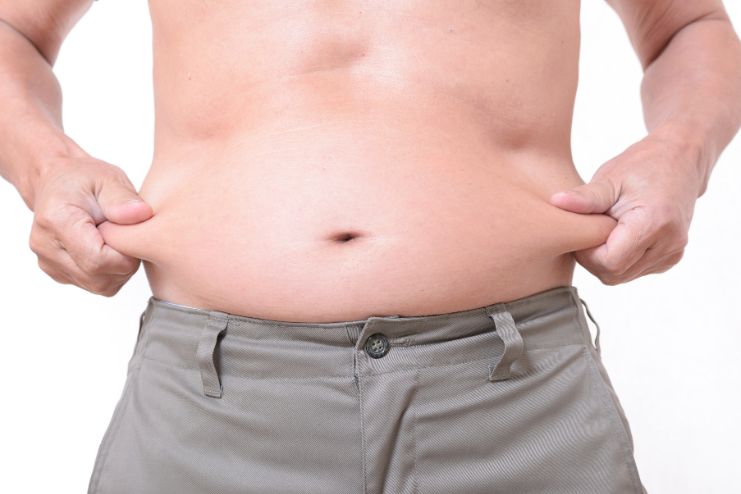
Another major contributor to why women often feel colder than men lies in a quiet, behind-the-scenes process: basal metabolic rate, or BMR. This is the amount of energy, measured in calories that your body uses just to stay alive when you’re completely at rest. Think breathing, maintaining organ function, cell repair, and regulating body temperature.
While it might seem like a technical, clinical term, BMR has very real and tangible consequences in everyday life, especially when it comes to how warm or cold you feel.
Women’s Lower BMR: Built for Efficiency, Not Warmth
On average, women have a lower BMR, and it’s not because they’re less fit; it’s because their bodies are built differently.
- Less muscle, more fat: Women typically have a higher percentage of body fat and lower lean muscle mass. While fat is a good insulator, it doesn’t produce heat the way muscle does.
- More energy-efficient systems: The female body is designed to be more metabolically conservative, possibly an evolutionary adaptation for energy preservation during pregnancy or food scarcity.
- Even active women have lower BMRs: Research shows that physically fit women can still have lower BMRs than sedentary men, simply because of differences in body composition and hormone levels.
Body Fat: More Insulation, Yet Still Feeling Cold

It’s a common assumption that people with more body fat should naturally feel warmer. After all, fat is an insulator; it keeps heat in and cold out, right?
Well, yes and no. While body fat does provide insulation, especially around the body’s core, the relationship between fat and warmth is far more complex, particularly when we look at how it affects women, who tend to have a higher percentage of body fat than men.
Despite this, women still often report feeling colder, especially in their hands, feet, and other extremities. So why doesn’t that extra insulation translate into greater comfort?
Fat Insulates, But Doesn’t Heat
To understand this, we need to distinguish between insulation and heat production:
- Fat acts like a blanket, helping to retain the heat already generated by the body, especially around internal organs.
- But fat isn’t metabolically active like muscle tissue. It doesn’t generate heat on its own.
- This means people with higher fat content don’t necessarily feel warmer unless their body is already producing sufficient heat, and that’s often influenced by basal metabolic rate (BMR), which tends to be lower in women.
In essence, fat can trap heat, but it can’t create it.
Uneven Fat Distribution in Women
Here’s another important factor: where the fat is stored matters. Women’s bodies are biologically designed to store fat in specific areas to support fertility and potential pregnancy.
- Typical fat storage areas in women: hips, thighs, buttocks, and lower abdomen.
- What’s missing? There’s very little fat stored in the extremities, like hands, feet, fingers, and ears, the exact areas that are most vulnerable to cold.
- So while the core may feel protected, the peripheral body parts remain exposed and prone to discomfort, especially in cooler temperatures.
This is why many women feel like their “insulation” isn’t working, because it’s not where it’s needed most.
According to research published by the U.S. National Library of Medicine, women consume about 5–10% less energy at rest compared to men, even after adjusting for age, body size, and physical activity. This difference stems from women typically having higher body fat and lower lean muscle mass, and it helps explain why they may feel colder even with more insulation.
Circulation Differences Between Men and Women

While thermoregulation and metabolism play foundational roles in how the body handles temperature, blood circulation is the actual delivery system; it determines where heat travels and how effectively it’s distributed throughout the body. And when it comes to circulation, there are key physiological differences between men and women that have a direct impact on the sensation of cold.
Specifically, peripheral circulation, the flow of blood to the body’s outermost parts, such as the hands, feet, and face, is typically less robust in women. This makes a substantial difference in how warmth is experienced on a day-to-day basis.
Why Circulation Matters
Blood isn’t just a delivery system for oxygen and nutrients; it’s also a primary vehicle for heat. When warm blood flows to the skin and extremities, it brings warmth with it.
- Good peripheral circulation helps the hands, feet, fingers, and nose stay warm, even when ambient temperatures dip.
- Poorer circulation, on the other hand, causes these parts to lose heat quickly, leaving them feeling cold or even numb in cooler conditions.
Women’s Circulation Is More Core-Focused
Multiple studies have shown that women tend to conserve heat in the body’s core, especially in cold environments, rather than allowing it to flow freely to the extremities.
- Slower blood flow to limbs: Women’s blood vessels in the hands and feet are more likely to constrict in response to cold, reducing heat delivery to those areas.
- Core prioritization: This is part of a larger evolutionary pattern, where the body instinctively protects vital organs (heart, liver, reproductive organs) by keeping them warm, even at the expense of extremity comfort.
- Faster heat loss: As a result, a woman’s extremities cool more quickly than a man’s, even when both are in the same room, wearing the same clothes, and exposed to the same temperature.
Thyroid Health and Cold Intolerance

While temperature sensitivity can often be explained by hormonal fluctuations, body composition, or circulation, persistent or excessive coldness, especially when paired with other symptoms, could be a sign of an underlying health condition. One of the most common and often overlooked culprits is the thyroid gland.
The thyroid, a small butterfly-shaped gland located at the base of the neck, may be small in size, but it plays a massive role in regulating metabolism and body temperature through the production of thyroid hormones, primarily T3 (triiodothyronine) and T4 (thyroxine).
Thyroid Hormones and Body Temperature
Thyroid hormones influence nearly every cell in the body. They control the speed at which your body converts food into energy, affect how your cells function, and directly impact how much heat your body produces at rest.
- When thyroid hormone levels drop, a condition known as hypothyroidism, metabolic activity slows down.
- This results in a reduction in heat production, meaning your body struggles to keep itself warm, especially when inactive.
- Even mild hypothyroidism can make people feel cold in environments that others find comfortable.
Why Women Are More Affected
Thyroid disorders disproportionately affect women; in fact, they are five to eight times more likely to experience hypothyroidism than men.
- Hormonal changes like pregnancy, postpartum shifts, perimenopause, and menopause can trigger or worsen thyroid dysfunction.
- Autoimmune conditions such as Hashimoto’s thyroiditis, the most common cause of hypothyroidism, also occur more frequently in women.
This makes thyroid health a crucial factor to consider when evaluating unusual or ongoing cold sensitivity in women, particularly if it emerges later in life or during significant hormonal changes.
According to the American Thyroid Association (ATA), one of the hallmark symptoms of hypothyroidism is intolerance to cold, due to the decreased metabolic activity associated with low thyroid hormone levels.”
Behavior, Stress, and Social Norms

Biology explains a lot about cold sensitivity, but it doesn’t tell the whole story. Behavioral patterns, emotional states, and even social expectations can subtly shape how cold is perceived and managed, especially among women.
- Women are more likely to wear lighter or skin-exposing clothing due to social or fashion norms, even in colder environments.
- This increases exposure to cold, especially in the extremities, and compounds biological cold sensitivity, like reduced peripheral blood flow.
- Chronic stress activates the sympathetic nervous system (“fight or flight”), causing vasoconstriction, narrowing of blood vessels in the limbs.
- This reduces blood flow to hands and feet, making them feel cold, a common physical response during anxiety or pressure.
- Studies show women tend to be more attuned to physical discomfort and more likely to report it.
- Cultural norms may encourage women to vocalize discomfort, while men are often conditioned to underplay it, widening the perception gap.
What Can Women Do to Feel Warmer?
Feeling cold all the time isn’t something you have to just accept. With the right strategies, you can support your body’s natural thermoregulation and stay more comfortable throughout the day. Here are science-backed ways to help:
1. Layer Smartly with Thermoregulating Fabrics
Choose clothing that works with your body, not against it.
- Start with moisture-wicking base layers to keep sweat off your skin.
- Add insulating mid-layers like fleece or wool.
- Finish with a wind- and water-resistant outer layer.
2. Move Regularly to Boost Circulation
Even small movements make a big difference.
- Short walks, stair climbs, or light stretching increase blood flow and generate heat.
- Avoid sitting still for long periods, especially in cool environments.
3. Support Thyroid Health Through Nutrition
A healthy thyroid helps regulate metabolism and body temperature.
- Focus on nutrients like iodine, selenium, and zinc.
- Eat thyroid-friendly foods such as seaweed, Brazil nuts, eggs, lentils, and yogurt.
- Consider regular checkups if you notice persistent cold sensitivity.
4. Understand and Manage Hormonal Changes
Hormonal shifts affect temperature perception.
- Track your cycle to notice patterns in cold sensitivity.
- Speak to a healthcare provider if symptoms intensify during menstruation, menopause, or with hormonal birth control.
- Lifestyle strategies like balanced nutrition and sleep also help regulate hormones.
5. Stay Hydrated
Dehydration can reduce blood volume and hinder circulation.
- Aim to drink plenty of water throughout the day, especially in colder weather when thirst signals may be weaker.
- Warm fluids like herbal tea can hydrate and comfort at the same time.
6. Manage Stress to Improve Circulation
Stress triggers such as vasoconstriction restrict warmth from reaching your extremities.
- Incorporate mindfulness practices, deep breathing, or even gentle yoga to calm your nervous system.
- Prioritize restful sleep, as cortisol (the stress hormone) can disrupt both circulation and temperature regulation.
Final Thoughts: It’s Not Just in Your Head, It’s in Your Biology
If you’ve ever been told you’re overreacting for feeling cold, you’re not. Women feeling colder than men isn’t just a quirky stereotype; it’s a biological reality. From hormone-driven circulation patterns to lower basal metabolic rates, body composition, and thyroid sensitivity, science offers clear, evidence-based explanations for the chill.
Understanding these physiological differences isn’t just validating, it’s empowering. It helps women take better control of their comfort, advocate for medical attention when needed (especially in cases of thyroid or hormonal imbalances), and challenge environments that weren’t designed with female physiology in mind.
So the next time you’re curled up in three layers while someone else lounges in shorts, remember: you’re not being dramatic, you’re being human. And now, you’ve got the science to prove it.
References
- https://pmc.ncbi.nlm.nih.gov/articles/PMC9154773/
- https://www.sciencedirect.com/science/article/abs/pii/S0026286216300966
- https://pmc.ncbi.nlm.nih.gov/articles/PMC10717002/
- https://academic.oup.com/endo/article/162/8/bqab087/6262699
- https://www.sciencedirect.com/science/article/pii/S1526590012004774
- https://www.tandfonline.com/doi/abs/10.1080/23328940.2021.1953688
- https://link.springer.com/article/10.1007/s10787-025-01792-0
- https://www.garnethealth.org/news/basal-metabolic-rate-calculator
- https://www.healthline.com/health/how-to-calculate-your-basal-metabolic-rate
- https://www.fertstert.org/article/S0015-0282%2808%2901008-X/fulltext
- https://www.betterhealth.vic.gov.au/health/conditionsandtreatments/metabolism
- https://drbazire.uk/blog/body-fat-distribution/
- https://www.sciencedirect.com/topics/medicine-and-dentistry/body-fat-distribution
- https://pmc.ncbi.nlm.nih.gov/articles/PMC6795075/
- https://www.frontiersin.org/journals/nutrition/articles/10.3389/fnut.2024.1368966/full
- https://www.ahajournals.org/doi/10.1161/circulationaha.111.067264
- https://bmccardiovascdisord.biomedcentral.com/articles/10.1186/s12872-023-03597-x
- https://onlinelibrary.wiley.com/doi/full/10.1038/oby.2008.664
- https://www.frontiersin.org/journals/nutrition/articles/10.3389/fnut.2024.1368966/pdf
In this Article