















The majority of Americans can’t imagine their morning breakfast without a slice (or two) of bread. The type of bread you choose can significantly impact your health. We’re talking about the sourdough bread revolution that’s slowly gaining momentum.
Sourdough isn’t just a trendy option for foodies and artisanal bakers—it’s an ancient breadmaking tradition that dates back thousands of years. In recent times, it’s experienced a grand resurgence, not only for its unmistakable tang and crusty texture but also for its status as a healthier alternative to conventional bread.
But is sourdough bread truly healthy, or is it just another health fad?

The secret lies in its unique fermentation process. Sourdough uses wild yeast and lactic acid bacteria that work slowly to break down the dough, degrading gluten, reducing anti-nutrients, creating gut-friendly compounds, and moderating blood sugar spikes. Commercial bread simply cannot compare to this natural process.
In this article, we’ll examine the complete picture—nutritional content, health benefits, digestive effects, and how sourdough compares to white, whole wheat, and multigrain bread. Whether you’re seeking something gentler on the gut, better for blood sugar control, or simply a more flavorful and wholesome loaf, this guide will help you decide if sourdough deserves a permanent place in your diet.
Read More: The Benefits of Adding Fermented Foods to Your Daily Meals
What Is Sourdough Bread?
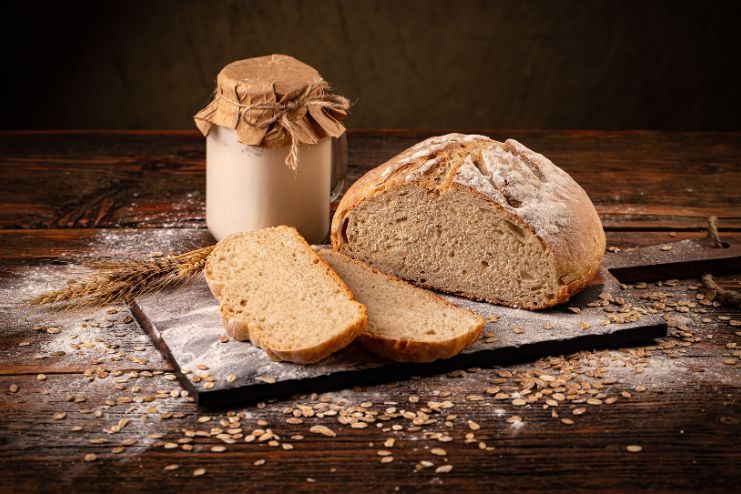
At its core, sourdough bread is simple, slow-baked, and fermented the traditional way.
Naturally Fermented: Sourdough is created by combining flour and water, then allowing naturally occurring wild yeast and lactic acid bacteria (LAB) to ferment the dough over time. This fermentation produces organic acids (such as lactic and acetic acid), which give sourdough its characteristic tangy flavor and chewy texture.
No Commercial Yeast: Unlike most commercial bread made with rapid-acting commercial yeast, sourdough relies on this natural microbial community for fermentation. It’s a slower process—often taking 12 to 48 hours—but this extended time allows enzymes and bacteria to break down hard-to-digest compounds and enhance nutrient availability.
A Living Culture: Your sourdough starter is essentially a living ecosystem—an active combination of microbes that interact with the proteins and sugars in flour. This wild fermentation process gives sourdough unique properties that other breads simply don’t possess.
Nutritional Profile of Sourdough Bread

When examining sourdough nutrition facts, it’s important to note that the base ingredients (typically white, whole wheat, or rye flour) largely determine the nutrient content. However, fermentation enhances its nutritional quality across the board.
Macronutrients (per medium slice ~60g):
- Calories: 180–200 kcal
- Carbohydrates: 34–37 g
- Protein: 6–8 g
- Fat: 0.5–1 g
- Fiber: 1–3 g (higher in whole wheat/rye sourdough)
- Sodium: 200–350 mg
Micronutrients: Because fermentation breaks down phytic acid, sourdough offers improved bioavailability of:
- Iron – Enhanced absorption due to reduced anti-nutrients
- Magnesium, Zinc, Selenium – Better bioavailability
- B vitamins – Particularly folate and niacin
- Antioxidants – Polyphenols and peptides released during fermentation
Unique Functional Properties:
- Natural Preservatives: The acids formed prevent mold growth, extending shelf life
- Reduced Gluten and FODMAPs: Easier on sensitive digestive systems
- Increased Resistant Starch: Feeds beneficial gut bacteria and aids blood sugar control
Read More: Bored of Eggs? Try 6 Healthy Avocado Recipes
Health Benefits of Sourdough Bread

Sourdough isn’t only delicious; it’s a distinct bread from others due to its fermentation. Let’s see how that impacts your health:
- Easier to Digest:
Perhaps the most frequently described sourdough bread health benefit is better digestion. The extensive fermentation degrades gluten proteins and FODMAPs—substances that are known to cause bloating, gas, and discomfort in sensitive people.
Based on a review article in Microorganisms, sourdough fermentation lowers gluten levels and enhances gastrointestinal comfort, particularly in IBS patients.
Although sourdough is not well tolerated by individuals with celiac disease, individuals with non-celiac gluten sensitivity can tolerate it better.
- Gut Health Support:
Although baking destroys live probiotics, sourdough benefits gut health in other ways:
- Prebiotic Effects: Sourdough contains resistant starch and oligosaccharides that serve as food for beneficial colon bacteria
- Metabolic Byproducts: Lactic acid and other fermentation products help maintain healthy gut pH and reduce inflammation
This makes sourdough a genuinely gut-friendly bread that supports long-term digestive wellness.
- Reduced Glycemic Index:
Sourdough i digested more slowly than white bread.
Sourdough‘s glycemic index is 48–54, depending on the type of flour, much lower than white bread (~75).
Its acids reduce gastric emptying, leading to steadier blood glucose levels—a major benefit for people with insulin resistance or diabetes.
- Enhanced Nutrient Absorption:
Fermentation reduces phytic acid—an anti-nutrient that binds minerals—by up to 90%, improving the body’s ability to absorb:
- Iron – for oxygen transport and energy
- Magnesium – for nerve and muscle function
- Zinc – for immunity and skin health
This provides sourdough with an advantage over unfermented whole-grain breads, which can still have high amounts of these anti-nutrients.
- Enhanced Satiety:
Since sourdough is digested slowly, it will make you feel full longer, particularly if it is made from whole grains or accompanied by protein and fat.
Sourdough vs. Other Breads: How It Stacks Up

Not all breads are created equal. Here’s how sourdough compares to traditional bread types across key health metrics:
Sourdough vs. White Bread: More Nutrients, Slower Carb Absorption:
White bread is made from refined flour stripped of germ and bran, typically leavened with commercial yeast. While soft and convenient, it’s nutritionally poor and causes rapid blood sugar spikes.
Sourdough, particularly when made with whole grain or rye flours, contains more micronutrients and provides a lower glycemic response. The organic acids from fermentation slow starch digestion, resulting in a more gradual glucose release into the bloodstream.
Additionally, sourdough’s natural acidity enhances mineral absorption (like iron and magnesium) that white bread can’t match due to its lack of fermentation and higher phytic acid content.
Sourdough vs. Whole Wheat Bread: Fermentation vs. Fiber Content:
Whole wheat bread has a health halo because it contains unrefined flour with intact bran and germ, providing more fiber, B vitamins, and antioxidants than white bread. However, it lacks fermentation, which makes a significant difference.
While both breads offer nutritional benefits, sourdough’s fermentation process improves digestibility and nutrient availability in ways whole wheat bread cannot. It breaks down phytic acid, making nutrients like zinc, iron, and calcium more bioavailable.
Whole wheat bread may still be difficult to digest for some due to its dense fiber and intact gluten. Meanwhile, sourdough’s fermentation pre-digests some gluten and FODMAPs, making it gentler on the stomach.
Sourdough vs. Multigrain: What Is Better for Digestion and Blood Sugar?
Multigrain bread sounds healthy, but the term can be misleading. Many commercial multigrain breads contain refined flour or processed grains, sometimes even colored with molasses to appear more wholesome. Unless the package states “100% whole grain” and lists actual whole grains first, you may not be getting the nutritional benefits you expect.
sourdough offers more reliable health benefits through natural fermentation, supporting gut health, slowing glycemic response, and providing better digestive tolerance even when made with white flour.
If you find genuinely wholesome multigrain bread made from whole, sprouted, minimally processed grains, it can provide substantial fiber, protein, and complex carbohydrates. However, without fermentation, anti-nutrients like phytic acid will still limit nutrient absorption.
Is Sourdough Good for Weight Loss or Blood Sugar Control?
A Diabetic-Friendly Option:
Due to its slow absorption and low glycemic index, sourdough can help stabilize blood sugar. A 2021 study found that people who consumed sourdough experienced lower post-meal glucose and insulin spikes compared to those who ate regular yeast bread. It also reduces inflammation associated with insulin resistance.
Weight Management Benefits
While sourdough isn’t a weight loss miracle, it can help in several ways:
- Increased Satiety: Keeps you fuller between meals
- Better Blood Sugar Control: Reduces insulin spikes that promote fat storage
- Natural Portion Control: The denser texture may lead to eating fewer slices
Remember, calories still matter. A large slice of sourdough contains roughly the same energy as other breads, so portion control remains important.
Read More: Think Yogurt Has the Most Probiotics? Try These 8 Equally Good Sources
Gluten Sensitivity and Sourdough: Can You Still Have It?
If you are gluten-sensitive (not celiac), sourdough might be more acceptable.
Fermentation Partially Breaks Down Gluten:
The lactic acid bacteria found in sourdough naturally break down some of the gluten proteins through fermentation. This reduces the gluten level and alters its structure, making it less difficult to digest.
Not Recommended for Celiac Disease:
Even well-fermented sourdough still has some residual gluten present, so it’s not recommended for individuals with celiac disease. But for others who have mild gluten intolerance or IBS, many experience fewer symptoms from sourdough compared to normal bread.
How to Select the Healthiest Sourdough Bread
Not all sourdoughs are the same. Some commercial breads, “sourdough” are made from commercial yeast and sour seasoning, providing little or no health benefits.
Here’s how to select the genuine article:
Ingredient Checklist:
- Should only include: Flour, water, salt, sourdough starter
- Avoid: Added yeast, sugar, preservatives, or vinegar (used to simulate sourness)
Opt for Whole Grains:
- Select whole wheat or rye sourdough for higher fiber, vitamins, and minerals
- Rye sourdough is particularly beneficial for blood sugar regulation
Ask About Fermentation Time:
- The longer the ferment (preferably 12–24 hours), the more gluten and anti-nutrient breakdown
Buy From Artisan Bakeries or Farmers’ Markets:
- They’re more likely to use traditional techniques
- Ask questions if the label is vague
Tips for Making or Buying Sourdough at Home

Why Bake at Home?
Here are a few reasons to bake sourdough bread at home:
- Full control over ingredients, flour type, and fermentation
- You can use organic, sprouted, or heritage grains for even more health benefits
- Plus, it’s satisfying and cost-effective over time
Beginner Sourdough Tips:
If you’re a beginner, here are a few tips to keep in mind while baking sourdough:
- Start with a starter culture—flour and water mixed and fed daily
- Feed your starter every 12–24 hours until bubbly and active
- Use your starter to make dough, let it ferment overnight
- Bake in a Dutch oven for a crispy crust and chewy crumb
Finding Real Sourdough in the Store:
Finding the real sourdough at the store can be tricky. Here’s what you can look out for:
- Check for “long-fermented,” “naturally leavened,” or “wild yeast” on labels
- Read ingredient lists with care
- Opt for local or small-batch brands rather than mass-produced supermarket loaves
Conclusion
Is sourdough bread good for you? Absolutely—particularly when prepared traditionally and eaten mindfully.
With its natural fermentation process, sourdough:
- Supports digestion and gut health
- Has a lower glycemic index for improved blood sugar control
- Improves mineral absorption and minimizes anti-nutrients
- Provides better tolerance for gluten-sensitive individuals
- Keeps you fuller for a longer period
However, bear in mind, not all sourdough is equal. Look for real, long-fermenting, whole-grain sourdoughs, or produce your own to get the best out of them.
Sourdough not only feeds your body—it binds you with a food culture that’s been feeding human health for thousands of years. And that’s worth waking up for!
References
- https://www.sourdough.co.uk/bread-diabetes-blood-sugar-balance
- https://www.webmd.com/diet/sourdough-bread-good-for-you
- https://wearegoodinbread.com/is-sourdough-bread-good-for-diabetes
- https://www.health.com/sourdough-bread-vs-whole-wheat-bread-11688429
- https://www.sciencedirect.com/science/article/pii/S2772275923000205
- https://www.sciencedirect.com/science/article/pii/S2590259824000190
In this Article