












Kombucha, the fizzy fermented tea that has taken the health world by storm, promises numerous benefits for your gut and overall wellness. But with so many claims surrounding this ancient beverage, it’s worth asking: is kombucha truly as healthy as its reputation suggests?
While research on kombucha’s specific health benefits remains limited, nutrition experts recognize its key components as valuable additions to a healthy diet. According to Lindsey Wohlford, a wellness nutritionist at MD Anderson, “kombucha offers vitamins, antioxidants, and probiotics—all essential components of a healthy diet.”
This comprehensive guide explores kombucha’s gut health benefits, potential risks, and recommended daily intake to help you make informed decisions about incorporating this fermented beverage into your routine.
Read More: Is Drinking Clove Water the New Weight Loss Hack?
What Is Kombucha?
Despite its recent surge in popularity, kombucha boasts an impressive history spanning nearly 2,000 years, with origins tracing back to ancient China.
This effervescent drink is created by combining brewed tea with sugar and a SCOBY (symbiotic culture of bacteria and yeast), also known as a “mother.” During fermentation, the sugar feeds the yeast and bacteria, transforming the mixture into the tangy, slightly carbonated beverage we know as kombucha. This process naturally produces probiotics—beneficial microorganisms that support digestive health.
This traditional fermented beverage is crafted from simple ingredients:
- Tea (typically green or black)
- Sugar (white sugar, honey, agave, or turbinado)
- SCOBY (symbiotic culture of bacteria and yeast)
- Time and patience
The brewing process typically takes several weeks to a month, during which fermentation transforms the sweet tea into a mildly carbonated beverage with a characteristic tangy, vinegar-like flavor. Naturally occurring fermentation produces small amounts of alcohol—usually around 0.5%—which allows traditional kombucha to be sold as a non-alcoholic beverage.
Modern kombucha comes in two main varieties: commercially produced bottles found in stores and home-brewed versions made by enthusiasts using their own SCOBY cultures.
Gut Health Benefits of Kombucha (Backed by Research)

Kombucha’s reputation as a gut-friendly beverage stems from its potential probiotic content and fermentation-derived compounds that may support digestive wellness.
Probiotic Potential
Like other fermented foods such as yogurt, kefir, and sauerkraut, kombucha contains live cultures developed during fermentation. These microorganisms, including various probiotic strains, may help balance gut microbiota and alleviate digestive issues.
However, researchers haven’t conducted sufficient studies to confirm whether kombucha contains adequate quantities of beneficial bacteria to qualify as an effective probiotic source. The probiotic content varies significantly based on fermentation time, brewing methods, and whether the kombucha is commercially produced or homemade.
Supporting Digestive Health
The fermentation process creates beneficial compounds that may support digestive function by:
- Promoting a diverse gut microbiome
- Potentially reducing bloating and improving digestion
- Supporting immune system function through the gut-immune connection
- Providing beneficial acids that may help maintain digestive balance
Other Health Benefits of Kombucha (Backed by Research)
Beyond gut health, kombucha offers several scientifically supported benefits that extend its value as a functional beverage.
Rich in Antioxidants
Kombucha contains high levels of antioxidants, including vitamin C, selenium, and carotenoids, which help protect cells from damage. Research has demonstrated significant antioxidant activity in kombucha, though levels vary depending on the type of tea used and fermentation duration.
The antioxidant content is particularly influenced by polyphenols and flavonoids from the tea base, with green tea-based kombuchas typically offering higher antioxidant levels than black tea varieties.
Potential Liver Support
Limited research suggests kombucha may support liver health. Studies in mice with non-alcoholic fatty liver disease (NAFLD) found that kombucha consumption helped support liver function during fat metabolism and reduced inflammation and liver fibrosis. However, more human studies are needed to confirm these effects.
Cancer-Fighting Properties
The antioxidants in kombucha may provide some protection against cancer by preventing cell damage that can lead to malignancy. As registered dietitian Julia Zumpano notes, “The more cells we protect with antioxidants, the less damage we have, and that can help reduce cancer risk.”
Antimicrobial Effects
Acetic acid and other compounds produced during fermentation, combined with beneficial substances from tea, may help inhibit the growth of harmful bacteria and yeast while promoting beneficial microbial strains.
Mild Energy Boost
Since kombucha is made from tea, it naturally contains small amounts of caffeine, which can provide a gentle energy boost without the jitters associated with coffee or energy drinks.
Read More: Drink This Before Breakfast: Best Morning Fat-Burning Mixes That Actually Work
How Much Kombucha Should You Drink Per Day?

No universal standard exists for optimal kombucha consumption, as individual tolerance varies significantly.
General Guidelines
The Centers for Disease Control and Prevention suggests that approximately 4 ounces of kombucha per day “may not cause adverse effects in healthy persons.” However, many commercial bottles contain more than this amount, so check serving sizes carefully.
Starting Recommendations
If you’re new to kombucha:
- Begin with small amounts (4 ounces or less) to assess your body’s response
- Gradually increase consumption based on your comfort level
- Monitor for any digestive discomfort or adverse reactions
- Remember that individual tolerance varies—some people thrive on larger amounts while others prefer smaller servings
Special Considerations
- Pregnant women and young children should avoid kombucha due to potential alcohol content and unpasteurized nature
- People with compromised immune systems should consult healthcare providers before consumption
- Those with diabetes should monitor blood sugar responses due to residual sugar content
Read More: Cinnamon Water for Weight Loss: How It Works and When to Drink It
Kombucha vs Other Probiotic Drinks
Understanding how kombucha compares to other probiotic beverages can help you make informed choices about which option best suits your health goals.
Kombucha vs Yogurt
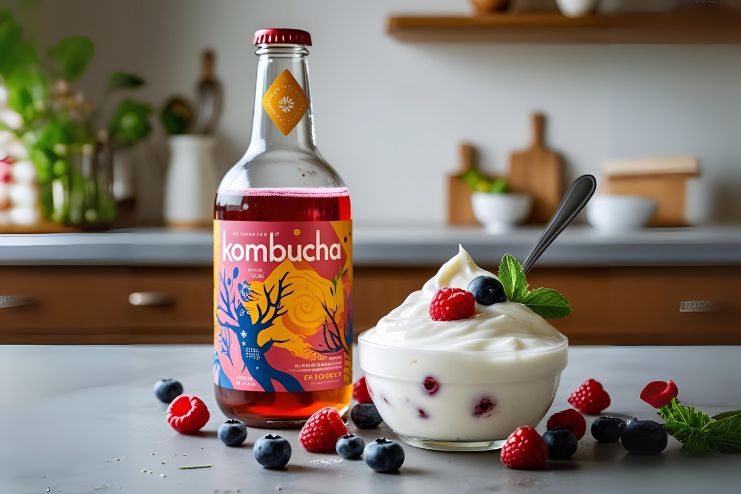
While both offer probiotic benefits, kombucha and yogurt serve different dietary needs and preferences. Yogurt provides a protein-rich, calcium-dense option that’s been extensively studied, making it ideal for those seeking established probiotic benefits with nutritional substance. Kombucha, on the other hand, offers a refreshing, dairy-free alternative that’s lower in calories and provides unique antioxidants from tea.
Kombucha advantages:
- Dairy-free option for lactose-intolerant individuals
- Lower in calories than most yogurts
- Contains antioxidants from tea
- Naturally carbonated and refreshing
Yogurt advantages:
- Higher protein content
- More established probiotic research
- Calcium and other nutrients
- Convenient, ready-to-eat format
Kombucha vs Kefir

Kefir and kombucha represent two distinct fermentation traditions, each with unique strengths. Kefir typically contains more diverse probiotic strains and offers substantial protein and calcium, making it nutritionally dense. Kombucha provides a lighter, more refreshing option with the added benefit of tea-derived antioxidants, appealing to those who prefer a beverage-style probiotic source.
Kombucha advantages:
- Dairy-free option
- Lower calorie content
- Unique flavor profile
- Antioxidant benefits
Kefir advantages:
- Higher probiotic diversity
- More protein and calcium
- Stronger research backing
- Can be made with non-dairy milk alternatives
Making Your Choice
Your preference depends on:
- Dietary restrictions (dairy-free needs)
- Taste preferences
- Specific health goals
- Tolerance for different probiotic sources
Read More: 4 Morning Detox Drinks You Can Make in 2 Minutes or Less
Tips for Choosing the Right Kombucha Brand
Not all kombucha products offer equal quality or health benefits. Consider these factors when selecting a brand:
Packaging Quality: Choose kombucha stored in dark glass bottles, which protect live cultures from UV light damage. Avoid clear containers that may have compromised probiotic viability. Glass bottles are preferable to plastic, as plastic can interact with the acidic beverage and potentially leach chemicals.
Sugar Content: Check nutrition labels for added sugars beyond those naturally present from fermentation. Quality kombucha should contain minimal added sugars—ideally less than 5 grams per serving. Higher sugar content may indicate post-fermentation additions that diminish health benefits.
Authentic Fermentation: Avoid products that list specific probiotic counts on labels, as this often indicates added probiotic supplements rather than natural fermentation. Authentic kombucha develops probiotics naturally through fermentation, not through supplementation.
Refrigeration Requirements: Genuine kombucha with live cultures requires refrigeration to maintain probiotic viability. Always purchase refrigerated products and continue cold storage at home.
Alcohol Content Awareness: Check labels for alcohol content, especially if you need to avoid alcohol for health, religious, or legal reasons. Some kombuchas are specifically brewed to be alcoholic beverages.
Read More: Best Teas to Drink After Meals for Better Digestion & Slimming
Potential Risks and Side Effects of Kombucha
While kombucha is generally safe for most people, certain risks and side effects deserve consideration.
Digestive Discomfort: Excessive kombucha consumption can cause digestive issues in some individuals, including:
- Bloating and gas
- Nausea
- Diarrhea
- Stomach upset
These effects are more common when consuming large quantities or when first introducing kombucha to your diet.
Infection Risk: Individuals with compromised immune systems should exercise caution with kombucha, particularly homemade or small-batch varieties that may not be pasteurized. The fermentation environment that produces beneficial microbes can potentially harbor harmful bacteria or wild yeasts, especially in improperly prepared batches.
Liver Toxicity: Though rare, kombucha has been associated with severe side effects in some cases, including liver damage and inflammation. Conditions such as lactic acidosis or jaundice have been reported in medical literature. People with existing liver conditions should consult healthcare providers before consuming kombucha.
Alcohol Content Concerns: While commercial kombucha typically contains minimal alcohol (under 0.5%), homemade versions or improperly stored products may have higher alcohol content, making them unsuitable for pregnant women, children, or those avoiding alcohol.
Final Verdict: Is Kombucha Worth Adding to Your Diet?
Kombucha can be a beneficial addition to most people’s diets when consumed in moderation. Its natural probiotics, antioxidants, and organic acids may support immune function, aid digestion, and promote gut health. It also serves as a healthier alternative to sugary sodas or energy drinks.
However, kombucha isn’t a magic solution. It works best as part of a comprehensive gut-friendly diet that includes diverse fermented foods, whole foods, vegetables, fruits, and adequate hydration. Relying solely on kombucha for health benefits or consuming excessive amounts isn’t advisable, particularly for those sensitive to sugar, acidity, or caffeine.
For individuals with lactose intolerance, digestive issues, or those seeking natural gut health support, kombucha can be a valuable dietary addition. The key is choosing quality products, starting with small amounts, and being mindful of ingredients and sugar levels.
References
- https://www.health.com/nutrition/kombucha-benefits
- https://www.bbcgoodfood.com/health/nutrition/health-benefits-kombucha
- https://www.mdanderson.org/cancerwise/what-are-the-benefits-of-drinking-kombucha.h00-159542901.html
- https://health.clevelandclinic.org/what-are-kombuchas-health-benefits-and-how-much-can-you-safely-drink
- https://www.mayoclinic.org/healthy-lifestyle/consumer-health/expert-answers/kombucha-tea/faq-20058126
- https://www.medicalnewstoday.com/articles/kombucha-side-effects#side-effects
- https://www.ushealthgroup.com/2019/03/25/ushealth-group-kombucha/
- https://www.youbrewkombucha.com/how-much-kombucha-drink
- https://www.cdc.gov/mmwr/preview/mmwrhtml/00039742.htm
- https://eating-made-easy.com/how-to-find-the-best-kombucha/
- https://www.health.com/nutrition/kombucha-benefits#citation-19
- https://www.mdpi.com/1422-0067/20/9/2369
- https://research.kombuchabrewers.org/study/effect-of-kombucha-on-gut-microbiota-in-mouse-having-non-alcoholic-fatty-liver-disease
In this Article