
















Miscarriages can be emotionally taxing, physically painful, and distressing. Many women ask themselves, “How soon can I try again?” after experiencing this loss. The question is one that is both hopeful and tense.
The good news is that after a miscarriage, the majority of women can go on to have healthy pregnancies. But timing is important for your emotional recovery as well as your physical health.
This article examines the potential timing of pregnancy following a miscarriage, the advice given by medical professionals regarding waiting or retrying, and the potential or actual impact of a miscarriage on future fertility.
Being medically informed and emotionally prepared empowers you to make the best decision for both your body and your heart, no matter how eager or uncertain you feel about becoming pregnant.
Read More: What Matters More for Conception: Egg Quality or Quantity
What Happens to Your Body After a Miscarriage?
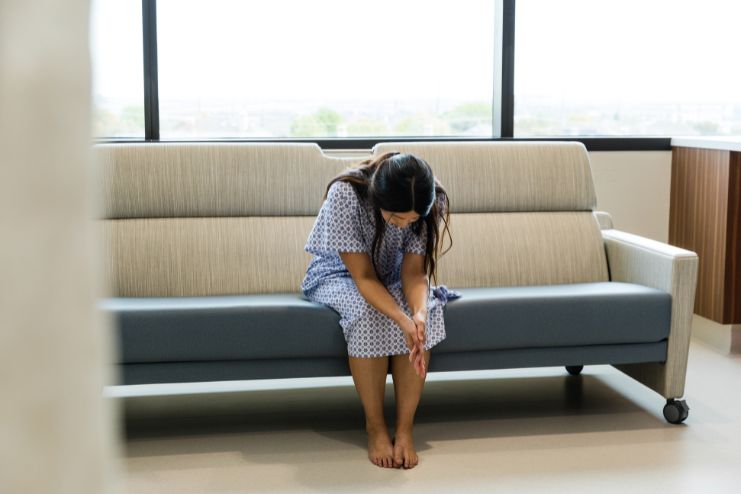
In addition to being emotionally distressing, miscarriages can be physically taxing. Here are some common recovery symptoms and how your body starts to heal; however, each woman’s body reacts differently.
Hormonal Reset and Return of Menstrual Cycle
Following a loss, your levels of pregnancy hormones, particularly hCG, begin to decline. The stage of pregnancy determines how quickly they return to their pre-pregnancy levels. In four to six weeks, your menstrual cycle will typically resume once hormone levels have stabilized.
Some women, particularly those who have experienced losses at a later stage, could take a little longer. When your period returns, your body is prepared to resume its regular functions and even ovulate.
Uterine Healing Timeline
The healing process of your uterus starts shortly after the miscarriage. Healing proceeds more quickly if there is no tissue left over from a complete miscarriage. Over time, the uterine lining sheds and regenerates.
Additional therapy would be required to remove the tissue if the miscarriage was incomplete, which could cause a minor delay in recovery. It is common to experience cramping and mild bleeding for a few days to a few weeks. Restoring the uterus to its pre-pregnancy size is facilitated by this procedure.
Physical Recovery Time
The type and method of miscarriage determine recovery time:
- Natural Miscarriage: Your bleeding may continue for up to two weeks if your body eliminates the pregnancy tissue on its own. Pain is typically treated with over-the-counter pain relievers and rest, much like a heavy menstrual cycle.
- Medication-Induced Miscarriage: Pregnancy tissue is expelled from your body with the help of medications such as misoprostol. Although the bleeding and cramping usually go away in a week or two, they can be more severe than in a spontaneous miscarriage.
- Dilation and Curettage (D&C): This short surgical approach is typically used when the tissue fails to pass on its own. Although there is typically less bleeding and a quicker physical recovery, you can experience fatigue or soreness for a few days.
The majority of women physically recover in a few weeks, regardless of the method. Follow up with your doctor and also look out for symptoms like fever or foul-smelling discharge.
Read More: Can You Still Get Pregnant After an Abortion?
When Can You Try to Get Pregnant Again?
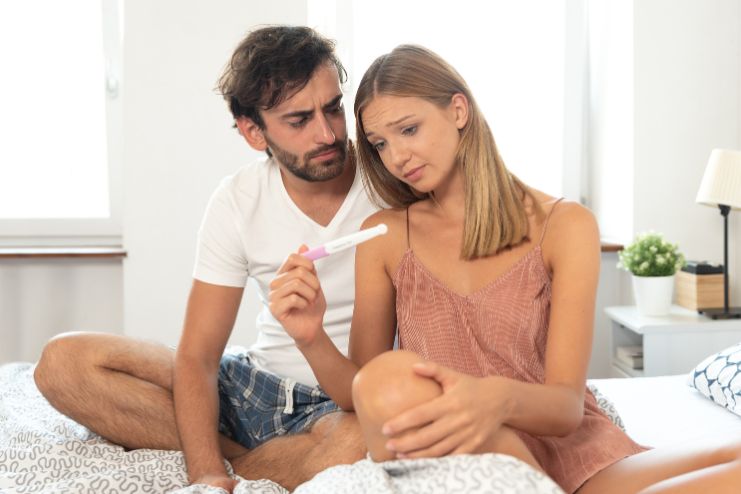
After a miscarriage, most couples are curious as to how soon they can get pregnant again. Although it’s easy to want to conceive again, having an idea of when it is healthy and safe to do so is crucial to both your body and mind.
WHO Recommendation: Wait 6 Months
The World Health Organization (WHO) suggests at least six months before attempting to conceive again. This is supposed to allow the body time to recover and prevent possible complications in the following pregnancy.
Nevertheless, this recommendation is controversial, particularly in instances of uncomplicated early miscarriage. Some call for this waiting time, perhaps not to be necessary for all.
ACOG and New Research: Sooner May Be Safe
The American College of Obstetricians and Gynecologists (ACOG) and recent research suggest that it might be safe to get pregnant after only a single regular menstrual cycle. Research studies have found that getting pregnant within three months can lead to healthier pregnancy outcomes for certain women.
So, the question of when to try again after a miscarriage simply depends on personal situations, particularly if the miscarriage was early and recovery was uncomplicated.
What Doctors Say: It Depends on You
Finally, doctors want to stress that the choice must be made based on both physical recovery and emotional readiness. If your body has healed, your menstrual cycle has resumed, and you’re emotionally ready, then maybe it’s time to try again.
Your physician will recommend tests if you’ve experienced more than one miscarriage or if the miscarriage was later in the pregnancy. Otherwise, the vast majority of women don’t have to wait before trying to become pregnant again.
Be sure to schedule a follow-up appointment to monitor your recovery and receive personalized guidance. Knowing when you can become pregnant again following a miscarriage allows you to plan what you should do next with certainty and respect.
Dr. Kirtly Parker Jones, MD, from the University of Utah Health, noted that in the U.S., a three-month wait was commonly recommended for healing and cycle regulation. However, it has been found that after an early first-trimester miscarriage, the six-month WHO guideline need not be followed.
Read More: Thyroid Could be Your Missing Piece in Your Fertility Puzzle
Medical Considerations Before Trying Again

A lot of people who have had a miscarriage worry about their chances of getting pregnant again and whether their bodies are ready to do so.
If a woman wants to have another pregnancy, she might want to see a doctor first. This will make the process easier and safer.
When to Consult Your OB/GYN or Fertility Doctor
After a miscarriage, you should see your OB/GYN or fertility doctor. This is especially important if the loss happened later in the pregnancy or if you’ve had more than one. Your doctor will look at how your body is healing, talk to you about any worries you have, and help you decide when it’s safe to try again.
You should also ask about your chances of getting pregnant after a miscarriage and how to support your fertility moving forward.
Importance of Follow-Up Scans and Blood Tests
A pelvic scan is often part of follow-up care to make sure your uterus is clear and healing properly. Blood tests can be used to check hormone levels, especially hCG (the pregnancy hormone), to make sure they are back to where they were before the pregnancy.
Your doctor may also check for differences in hormones, like low progesterone or problems with your thyroid, that might affect ovulation and the start of your pregnancy. These tests can help you figure out when your body might be ready to get pregnant again.
Ruling Out Underlying Causes
If you’ve had more than one miscarriage, or if your doctor thinks there might be a problem with your health, they may suggest more tests to find out what’s really going on.
Some of these are:
- Polycystic Ovary Syndrome (PCOS): A biological problem that affects ovulation.
- Thyroid Disorders: Hormones that control reproduction can be thrown off by both hyper and underactive thyroids.
- Autoimmune Conditions: Conditions like lupus or antiphospholipid syndrome can affect the result of pregnancy.
- Uterine or Cervical Abnormalities: These may need to be addressed before you try to conceive again.
Medical exams give people peace of mind even when there is no clear cause. Knowing that your body is ready and that you have a good chance of getting pregnant again after a loss can help you take the next step with more care and confidence.
Read More: The Link Between Vitamin D Deficiency and Infertility
Is It Safe to Get Pregnant Immediately After a Miscarriage?
After going through a miscarriage, many couples wonder: Is it safe to get pregnant immediately after a miscarriage?
While the desire to try again may be strong, it’s important to consider both the physical and emotional aspects of recovery. Here’s what research and experts say about getting pregnant soon after a loss.
Research on Conception Within 1–3 Months
Recent studies show that many women can safely conceive again within 1 to 3 months after a miscarriage, especially if the loss happened early and there were no complications.
In fact, one major study found that couples who tried again within three months had equal or even slightly better success rates than those who waited longer. This challenges older beliefs that women should wait at least six months before trying again.
Success Rates vs. Risks of Complications
For most women, the chances of pregnancy after a miscarriage are high. The majority go on to have healthy pregnancies. Conceiving soon after a miscarriage does not appear to increase the risk of complications like another loss, low birth weight, or preterm birth, especially if the miscarriage was early and complete.
However, every case is unique. If there were medical concerns during the miscarriage or if it’s a repeated experience, a doctor may suggest additional tests before trying again.
Psychological Readiness: Grieving vs. Hope
While your body may be physically ready to conceive again, emotional healing is just as important. A miscarriage can be a deeply personal loss.
Some couples feel ready to try again right away, viewing a new pregnancy as a path to healing. Others may need more time to process their grief and rebuild emotional strength. There’s no “right” timeline, only what feels best for you.
Talking to your partner and doctor can help you find the right moment to try again. Whether it’s weeks or months later, what matters most is that you feel emotionally supported and physically prepared.
For many, a new pregnancy brings hope, but it’s okay to take time before beginning that journey again.
Read More: How BPA Exposure in Everyday Products Could be Hurting Your Fertility
Does Miscarriage Affect Fertility?
One of the most common inquiries that women have after losing a pregnancy is this one. Usually, the short response is no. The majority of women who miscarry go on to have healthy pregnancies.
However, more medical assessment may be required in certain situations. Let’s talk about the effects of miscarriage on your ability to conceive and when to get additional help.
Miscarriage Itself Doesn’t Typically Reduce Fertility
Miscarriages are fairly common and usually do not reduce your chances of getting pregnant again. For the majority of women, the uterus heals on its own and ovulation returns in two to four weeks.
In fact, according to some research, hormonal changes following a loss may cause a temporary rise in fertility in the initial months. Therefore, it is frequently possible to become pregnant again shortly after the loss, provided that there are no underlying medical conditions.
When Recurrent Pregnancy Loss Might Signal a Fertility Issue
Recurrent pregnancy loss, which is the term for two or more consecutive miscarriages, can indicate a more serious fertility problem, even though one miscarriage is typically not a reason for alarm.
These could consist of:
- Hormonal imbalance, such as insufficient progesterone
- Genetic issues involving one or both parents or the embryo
- Autoimmune diseases like antiphospholipid syndrome or lupus
- Anomalies of the uterus, like fibroids or scar tissue
For a thorough assessment, it’s crucial to speak with a reproductive professional if you’ve experienced many miscarriages.
Role of Age, Health, and Previous Pregnancy History
Fertility after miscarriage is also influenced by variables such as age and general health. Egg quality tends to deteriorate as women age, particularly beyond the age of 35, which can impact both fertility and the chance of miscarriage.
Obesity, thyroid issues, diabetes, and other medical disorders may also be involved. Even after a miscarriage, your odds are still strong if you’ve previously had healthy pregnancies. Most of the time, a miscarriage does not indicate infertility.
However, don’t be afraid to ask for advice if you’re worried or unclear. Even after several losses, many women go on to have healthy pregnancies with the right care and support.
Dr. Lora Shahine, a reproductive endocrinologist, shared that patients were initially taught to wait 3-6 months before trying to conceive again. It’s often recommended to wait for one full cycle, including both ovulation and menstruation, before trying again, though this timeline may not suit everyone.
Read More: What Your Period Blood Color Says About Your Health
Tips to Prepare Your Body for a Healthy Pregnancy Post-Miscarriage
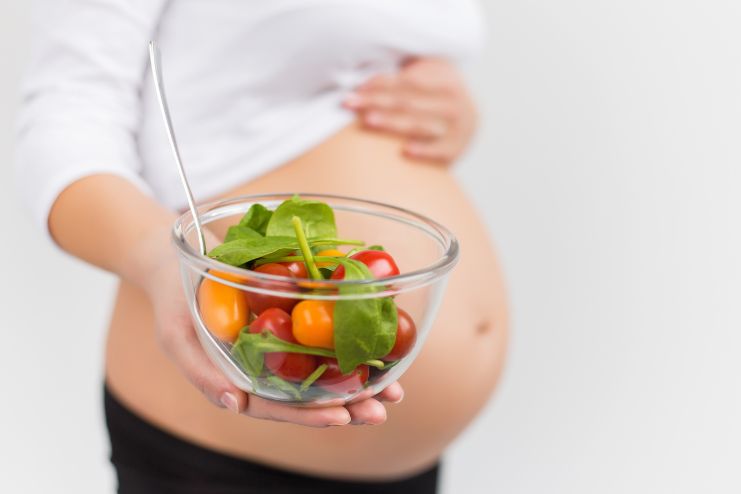
Preparing your body after a miscarriage is an essential step toward a healthy future pregnancy. While your body may physically heal quickly, taking care of your overall health, both physically and emotionally, can make a significant difference.
Here are some simple and effective tips to help you get ready.
1. Focus on Nutrition and Prenatal Vitamins
- Eat a balanced diet rich in leafy greens, fruits, whole grains, and lean proteins.
- Include iron-rich foods (like spinach and lentils) and calcium sources (like dairy or fortified plant milk).
- Take a prenatal vitamin with folic acid, iron, and vitamin D to help your body rebuild and prepare for a new pregnancy.
- Stay hydrated and maintain a healthy body weight.
2. Track Ovulation and Menstrual Cycle Return
- After a miscarriage, your period usually returns within 4–6 weeks.
- Use an ovulation tracking app, calendar, or ovulation kits to monitor your cycle.
- Understanding your cycle helps you identify your fertile window when trying to conceive.
- If your periods are irregular after a few months, speak with your doctor.
3. Manage Stress and Seek Emotional Support
- Practice relaxation techniques like yoga, meditation, or deep breathing.
- Talk to your partner, a friend, or a therapist about your emotions—it’s normal to grieve.
- Join a support group (online or local) for women who’ve experienced miscarriage.
- Don’t rush the process. Wait until you feel mentally and emotionally ready.
4. Avoid Excess Alcohol, Smoking, and Caffeine
- Quit smoking and avoid second-hand smoke—it can affect fertility and pregnancy health.
- Avoid alcohol while trying to conceive and during pregnancy.
- Limit caffeine intake to under 200 mg per day (about one cup of coffee).
By taking these small steps, you support your body’s healing and increase your chances of a healthy pregnancy. Every woman’s journey is different. Go at your own pace and seek help when you need it.
Read More: 10 Causes of Vaginal Cancer
Emotional Recovery Matters Too

The process of recovering from a miscarriage is not only physical but also intensely emotional. Anger, despair, guilt, and loss are just a few of the emotions that many women and their spouses go through.
It’s critical to understand that these feelings are normal and that healing takes time. Here are some helpful hints and gentle reminders to get you through.
Give Yourself Grace — There Is No “Right” Time
- Everybody grieves in a unique way, and there is no time limit on when they will feel “better.”
- It’s acceptable for some women to feel prepared to proceed right away, while others require more time.
- One day you may feel fine, then the next day you may feel overwhelmed. Without passing judgment, let yourself feel whatever comes up.
- Give yourself permission to feel sad, and avoid putting too much pressure on yourself to “get over it” or move on too quickly.
When to Seek Therapy or Support Groups
- Speaking with a professional could be beneficial if your feelings of grief, anxiety, or guilt are persistent or overwhelming.
- Grief or pregnancy loss-trained therapists can help you heal in a secure, encouraging environment.
- Participating in in-person or online support groups allows you to connect with people who share your experiences.
- Seeking help early will aid in your rehabilitation and lessen long-term emotional stress; don’t wait until a crisis strikes.
How Partners May Grieve Differently
- Although they may express it differently, partners frequently experience the loss as well. They may become silent, unduly preoccupied with their work, or uncertain about how to provide assistance.
- Open communication is essential; express your feelings and inquire about your partner’s coping mechanisms.
- There is no “correct” way to grieve. Despite differences in appearance, give each other’s feelings room.
- If your relationship is suffering as a result of the loss or if you both need assistance managing your feelings, think about getting joint counseling.
Read More: Top Tools and Methods for Conception
When to See a Doctor Again

Once a miscarriage has occurred, your body naturally tends to heal. In some cases, however, follow-up visits with your doctor may be necessary to ensure everything is going as expected.
Knowing when to see a doctor again can help avoid complications and keep you prepared for a healthy subsequent pregnancy. Here’s when you might need to revisit your doctor.
If Periods Haven’t Returned After 6–8 Weeks
- Your menstrual cycle usually resumes in 4 to 6 weeks after a miscarriage.
- If you have not had your period in 6–8 weeks, it is worth visiting your doctor. This may be an indication that your hormone levels haven’t levelled out or that there is some pregnancy tissue still present.
- Your doctor might recommend a scan or blood tests to test your hormone levels and check if your body has recovered completely.
If You’ve Had Two or More Miscarriages
- A single miscarriage is usually the result of a random genetic change and does not typically indicate a long-term issue.
- But if you’ve had two or more repeated miscarriages, this could be a sign of a medical or fertility-related problem.
- Your doctor may suggest tests to investigate potential causes, including hormone disorders, abnormalities of the uterus, or genetic factors.
- Early diagnosis can improve your prospects of a healthy next pregnancy.
For Preconception Counselling and Fertility Screening
- Although you feel well physically, seeing your physician for preconception counseling is a good idea before you attempt to get pregnant again.
- Your physician can advise you on how to condition your body, recommend lifestyle adjustments, and screen for any ongoing medical issues.
- They can provide fertility screening if you’ve had difficulty getting pregnant previously or would like to know about your fertility following a miscarriage.
- Visiting the doctor after a miscarriage is not only about healing—it’s about preparing for the future with confidence.
Read More: 12 Interesting Facts About Your Menstrual Health
FAQ Section:
Although experiencing a miscarriage can be emotionally and physically taxing, it is comforting to know that many people go on to have successful pregnancies in the future.
Some of the most often asked issues concerning conception following a miscarriage are addressed here, in case you’re wondering when and how to try again.
Can You Get Pregnant Before Your First Period After a Miscarriage?
Yes, it’s possible to get pregnant before your first period returns. Ovulation can happen as early as two weeks after a miscarriage, even before you’ve had another period. This means that if you have unprotected sex during this time, you could conceive.
However, tracking ovulation without a regular cycle can be tricky, so many doctors recommend waiting until your period returns to a better time and monitor future pregnancies.
What Are the Chances of Getting Pregnant After a Miscarriage?
In general, the chances of becoming pregnant following a miscarriage are relatively high. Many women do, in fact, successfully conceive in a matter of months.
In comparison to couples that wait longer, research indicates that those who retry within one to three months following a loss frequently have an equal or even higher likelihood of a successful pregnancy. Fertility is probably unaffected if the miscarriage was a singular incident with no consequences.
Is There a Higher Risk of Miscarriage If You Conceive Quickly?
Although studies indicate that getting pregnant soon after a miscarriage does not raise the chance of experiencing another loss, this is a prevalent worry. A healthy pregnancy can result for many women if they become pregnant quickly, particularly within the first three months.
On the other hand, your doctor may advise waiting and more testing if the miscarriage was complicated or if you have experienced several miscarriages.
Should You Wait for One Normal Cycle Before Trying Again?
Although some doctors advise waiting for a regular menstrual cycle to return, this is frequently more for emotional reasons and to make dating the new pregnancy easier than for practical ones.
According to medical advice, you can typically try again sooner if your body has healed, your hormone levels have returned to normal, and you feel emotionally ready. Nevertheless, it’s advisable to see your physician to ensure that you’re emotionally and physically prepared.
Every path is unique, so give yourself the time you require and trust that healing and hope may guide you.
References
- https://www.mayoclinic.org/healthy-lifestyle/getting-pregnant/in-depth/pregnancy-after-miscarriage/art-20044134
- https://utswmed.org/medblog/pregnancy-after-miscarriage/
- https://www.acog.org/womens-health/experts-and-stories/the-latest/what-happens-after-a-miscarriage-an-ob-gyn-discusses-the-options
- https://www.tommys.org/baby-loss-support/miscarriage-information-and-support/your-options-and-decisions/what-happens-my-body-during-miscarriage
- https://www.betterhealth.vic.gov.au/health/healthyliving/miscarriage
- https://www.tommys.org/baby-loss-support/miscarriage-information-and-support/pregnancy-after-miscarriage/getting-pregnant-after-miscarriage
- https://www.miscarriageassociation.org.uk/information/worried-about-pregnancy-loss/trying-again/
- https://www.artfertilityclinics.com/en/art-blog/six-ways-prepare-pregnancy-after-miscarriage
- https://www.webmd.com/baby/understanding-miscarriage-treatment
- https://my.clevelandclinic.org/health/diseases/9688-miscarriage
- https://pmc.ncbi.nlm.nih.gov/articles/PMC4780347/
- https://americanpregnancy.org/getting-pregnant/pregnancy-loss/pregnancy-after-miscarriage/
- https://pmc.ncbi.nlm.nih.gov/articles/PMC5762794/
- https://www.apollocradle.com/blog/pregnancy/10-tips-to-prepare-for-a-healthy-pregnancy-after-miscarriage
- https://www.artfertilityclinics.com/en/art-blog/6-tips-prepare-pregnancy-after-miscarriage
- https://drsteventan.com.au/preparing-the-body-for-pregnancy-after-a-miscarriage/
- https://pmc.ncbi.nlm.nih.gov/articles/PMC4468887/
- https://www.nhs.uk/conditions/miscarriage/afterwards/
- https://www.healthywa.wa.gov.au/Articles/U_Z/Your-emotional-recovery-after-pregnancy-loss
- https://www.mayoclinic.org/diseases-conditions/pregnancy-loss-miscarriage/diagnosis-treatment/drc-20354304
- https://www.pregnancybirthbaby.org.au/what-happens-after-miscarriage
- https://www.betterhealth.vic.gov.au/health/healthyliving/miscarriage
In this Article