















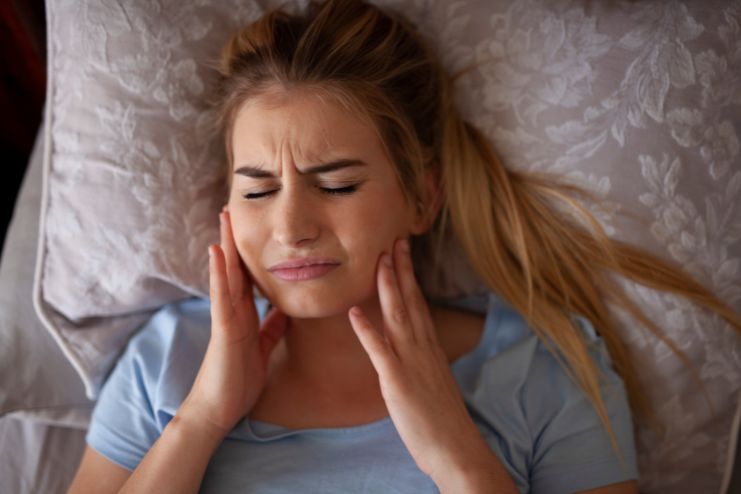
You wake up and something doesn’t feel quite right—your jaw aches, your facial muscles ache, and perhaps there’s even a residual headache around your temples. If that’s the case, it’s not a lousy night’s sleep—it might be an indication of nighttime teeth grinding or jaw clenching, which is medically known as sleep bruxism.
This subconscious habit is more common than you’d imagine and can pass without notice until the pain or disruption becomes too much. From crooked teeth to temporomandibular joint (TMJ) disorder, the consequences can be severe if not addressed.
In this article, we’ll outline what causes a sore jaw after sleeping, how to recognize bruxism during sleeping, and most importantly, how to prevent it so you can wake up refreshed and in comfort.
Read More: How Your Jaw Alignment Affects Your Posture, Breathing & Sleep
Why Do You Wake Up With a Sore Jaw?

Common Causes of Jaw Pain After Sleep
Morning jaw pain is often associated with overuse or excessive tension in the muscles of the jaw at night. The masseter and temporalis muscles, in particular, may be fatigued from prolonged contraction or repetitive strain. Some of the most frequent causes are:
- Jaw clenching: Static, sustained pressure in which the teeth are clenched tightly together.
- Teeth grinding: Side-to-side rhythmic movements producing enamel friction and muscle tension.
- TMJ strain: TMJ strain can result from overload on the temporomandibular joint during sleep positions or subconscious tension.
- Misaligned bite (malocclusion): When your teeth aren’t in alignment, it places uneven stress on your jaw joints and muscles.
Difference Between Clenching and Grinding:
Although they’re used interchangeably, clenching and grinding are different:
- Clenching tends to use isometric muscle contractions—tightening without actual movement. It’s silent, ongoing, and difficult to spot.
- Grinding, on the other hand, is active and tends to be audible. It uses actual jaw movement, which grinds down the teeth.
Both habits may occur while in deep sleep and might go entirely unnoticed until physical complaints emerge.
How Sleep Position or Alignment Issues Can Add to the Discomfort?
Sleep position can also affect jaw tension. Sleeping on your stomach or with one side of your face pinned against the pillow can misalign the jaw or compress the TMJ joint. An overly flat pillow that makes the head tilt down into the mattress can also cause neck and jaw muscle strain during the night.
Incorrect alignment of the jaw and neck at night not only causes tension in the jaw at night, but may also lead to pain radiating in the head, neck, and shoulders by morning.
Read More: Nasal Breathing vs. Mouth Breathing: Which Is Better for Your Health?
Signs You May Be Clenching Your Jaw at Night
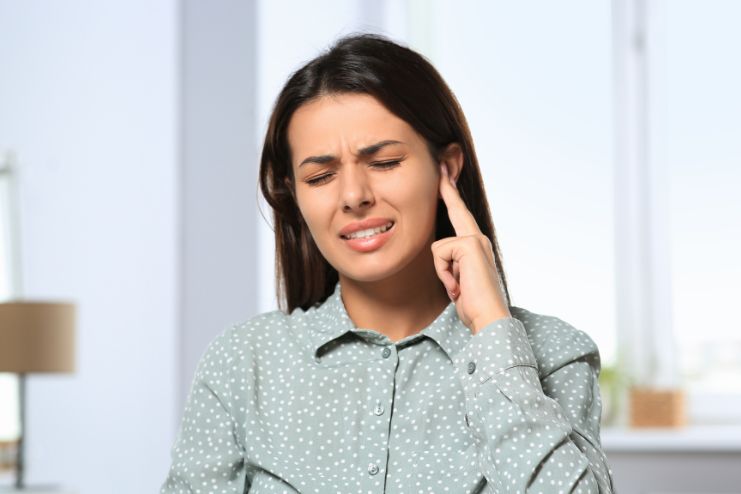
Nighttime jaw grinding usually goes unnoticed until you begin to experience physical symptoms. Typical signs are:
- Sore or stiff jaw upon waking, especially a sensation of stiffness or soreness, around the cheeks or ears.
- Headaches (particularly near the temples) resulting from overused temporalis muscles.
- Worn-down, flattened, or chipped teeth are a classic sign of teeth grinding at night.
- Increased tooth sensitivity resulting from enamel wear or gum recession.
- Clicking, popping, or locking of the jaw is an early sign of TMJ trouble.
- Grinding noises at night, usually observed by sleep partners.
- Neck and shoulder tension is secondary muscle strain due to long-term facial tension.
- Interfered with sleep, although you may not wake completely, bruxism can disrupt your sleep cycles and make you feel unrested.
If any of these are familiar, it’s worth noting—these signs usually precede more significant complications.
What Causes Nighttime Jaw Clenching or Grinding?
Let’s understand a few causes of jaw clenching or grinding (bruxism). A few common causes include:
Stress and Anxiety:
One of the most firmly established causes of sleep bruxism is emotional stress. When your body is in high alert mode—even during sleep—your muscles, including those of your jaw, remain tense. This involuntary reaction is part of the “fight or flight” mechanism and is particularly prevalent among individuals with heavy workloads or chronic anxiety.
Sleep Disorders (Including Sleep Apnea):
Bruxism tends to be associated with obstructive sleep apnea (OSA)—a disorder that causes breathing to repeatedly pause and resume while one sleeps. Since your brain senses that there is no oxygen, it may cause jaw movement as a reflex to reopen the airway. This results in rhythmic grinding and clenching spells, particularly during REM sleep.
Bite Misalignment (Malocclusion):
If your upper and lower teeth don’t line up properly, your jaw muscles may constantly adjust to find a “resting” position. Over time, this can strain the TMJ and facial muscles, resulting in nighttime clenching.
Stimulants: Caffeine, Alcohol, and Nicotine:
Stimulates such as coffee, tea, energy drinks, and even chocolate will make it more difficult for your muscles to relax. Alcohol interferes with deep sleep stages and may trigger bouts of sleep bruxism. Smoking and the use of nicotine are also associated with higher jaw activity while sleeping.
Medications and Medical Conditions:
Some antidepressants, particularly SSRIs such as fluoxetine and sertraline, can trigger or exacerbate bruxism. Neurological disorders like Parkinson’s disease can also enhance the risk.
Genetic Predisposition and Personality Traits:
Studies indicate that about 50% of bruxism instances may have a genetic factor. Personality traits involving aggressiveness, hyper-responsiveness, or perfectionism are likewise associated with a greater risk of clenching.
Health Risks of Untreated Bruxism
TMJ Dysfunction (Temporomandibular Joint Disorder):
By far the most frequent complication, TMJ dysfunction can result in:
- Clicking or locking of the jaw
- Radiating pain from Ears and temple
- Chewing difficulty or mouth unable to open fully
Chronic clenching irritates the joint and adjacent tissues, which results in inflammation and limited motion. In extreme cases, TMJ disorders can necessitate physical therapy, splints, or surgery.
Dental Damage:
The long-term pressure of clenching and grinding wears the teeth down considerably, including:
- Enamel Erosion: The gradual erosion of tooth enamel compromises protection and elevates the risk of cavities.
- Tooth Fractures and Chipping: Particularly in molars and premolars.
- Loose or Broken Dental Work: Fillings, crowns, and veneers can crack or break loose.
- Gum Recession: Due to overworking of the periodontal ligament.
Bruxism-related dental repairs may cost a lot and usually require repeating if the cause isn’t treated.
Facial Muscle Pain and Tension:
Overworked muscles not only hurt—they can become chronically inflamed. This causes:
- Chronic jaw and cheek soreness
- Refer back pain to the head and neck
- Muscle spasms and trigger points
If left untreated, muscle tension can be an ongoing issue.
Migraines and Chronic Headaches:
The masseter and temporalis muscles are heavily associated with headache patterns. Ongoing tension in these locations might initiate tension-type headaches or exacerbate migraines.
Sleep Disturbance:
Although you don’t fully wake, micro-arousals from bruxism disrupt sleep. This reduces the quantity of deep and restorative sleep, leading to:
- Daytime fatigue
- Mood disturbances
- Decreased cognitive function
- Fragmented bruxism sleep over time can simulate the impact of insomnia or sleep apnea.
Neck and Shoulder Strain:
Jaw clenching is not isolated to your mouth—it’s the beginning of a chain reaction. The muscles in your upper trapezius, SCM, and cervical spine tend to tighten up in response, triggering poor posture and long-term musculoskeletal tension.
Read More: 10 Best Night Guard for Teeth Grinding You Didn’t Know About
Stress Relief and Relaxation Techniques

Here are a few tips to relieve stress:
- Use meditation apps such as Calm or Headspace
- Journaling at night to release stress
- Yoga stretches for the neck and jaw
- Progressive muscle relaxation (PMR)
These methods assist in turning off the stress response that leads to muscle tension.
Use of Night Guards (Dental Guards for Sleeping):
There are two main categories:
- Custom-made guards from dentists provide a perfect fit and are most effective in the long run.
- OTC guards are cheaper but less long-lasting and might feel clumsy.
- Night guards stop enamel wear, safeguard dental work, and ease tension by cushioning the bite.
Jaw Exercises and Physical Therapy:
A physical therapist can instruct you:
- Isometric exercises to let go of tension
- Jaw alignment exercises
- Neck mobility and strengthening
- Regular practice can decrease overall tension and enhance TMJ function.
Biofeedback and Behavioral Therapy:
Biofeedback equipment teaches you to become conscious of your jaw tension at night. With cognitive-behavioral therapy (CBT), this can decrease nighttime and daytime clenching.
Decrease Stimulants and Alcohol:
Avoiding caffeine after 2 PM and reducing alcohol or nicotine intake can significantly promote sleep quality and muscle relaxation.
Treating Underlying Causes Such as Sleep Apnea or Anxiety
If there is an underlying issue, that must be treated first:
- CPAP treatment for sleep apnea
- Cognitive therapy or medication for anxiety
- Oral corrections for misalignment
When to See a Dentist or Sleep Specialist
See a professional if:
- Your jaw pain is a daily occurrence or increasing
- You observe chipped or broken teeth
- There’s jaw clicking, popping, or locking
- Your sleep partner can hear grinding
- You experience persistent morning headaches
- You wake up feeling tired even after sleeping a full night
A dentist can assess dental wear and get you fitted with a guard, while a sleep specialist might suggest a sleep study in order to eliminate apnea or other disorders.
Conclusion
Waking up with an aching jaw is not something you can just dismiss. It’s usually your body’s way of telling you something’s amiss—whether it’s unmanaged stress, bite misalignment, or a sleep disorder such as apnea.
The good news? Most instances of nighttime teeth grinding and jaw clenching are treatable with a blend of protection (such as night guards), awareness, and lifestyle changes. The sooner you act, the better your chances of avoiding such complications as tooth damage, TMJ dysfunction, and muscle pain.
Start by monitoring your symptoms, experimenting with simple home remedies, and consulting a qualified sleep or dental professional. Sleepy, pain-free mornings are entirely possible with the proper tools and guidance.
References
- https://www.sleepfoundation.org/nutrition/caffeine-and-sleep
- https://www.researchgate.net/publication/261924009_Bruxism_and_genetics_A_review_of_the_literature
- https://johnagarzadds.com/jaw-pain-after-sleeping/
- https://www.sciencedirect.com/topics/agricultural-and-biological-sciences/bruxism
- https://www.dredwardsaesthetics.co.uk/teeth-clenching-bruxism-and-covid-19/
- https://tonguetieindia.com/blog/how-sleep-position-affects-tmj-pain-and-what-you-can-do-about-it/
In this Article