
















Hate running? Here’s some good news: you can lose weight without doing endless cardio. When you think about exercise designed to help you lose weight, you probably picture spending hours on the treadmill or elliptical.
While steady-state cardio can support weight loss, many experts argue that it isn’t essential when fat reduction is the primary goal. You can lose weight through strength training alone—no aerobics required.
Many fitness experts now focus on more sustainable, balanced approaches rather than just traditional cardio. For instance, strength training promotes lean muscle growth, which raises your resting metabolism and improves calorie burn even when you’re not exercising.
This doesn’t mean you have to avoid cardio entirely. If losing weight is on your to-do list, here are some compelling reasons to prioritize strength training over hours of cardio.

Read More: How Carb Cycling Can Help You Lose Weight Without Cutting Carbs Completely
Why You Don’t Need Cardio to Lose Weight
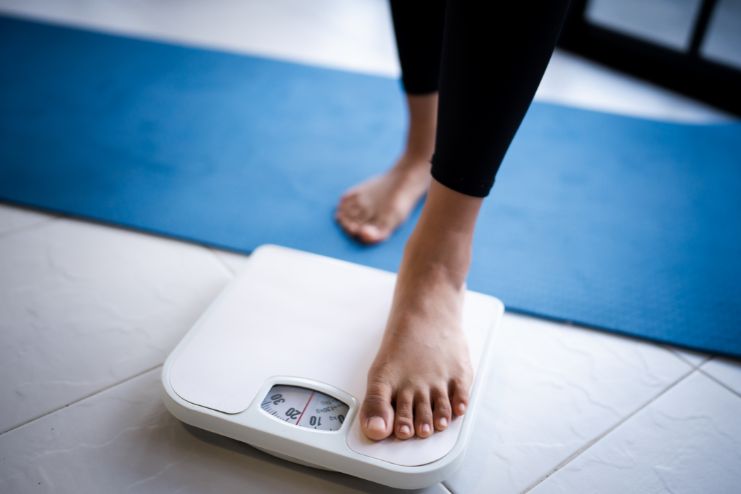
Like most people, you probably went to the gym hoping to improve your body composition, add muscle, and shed fat. A “healthy” dose of steady-state cardio—spending time on a treadmill, stationary bike, or elliptical for 60 minutes, watching the clock and wishing the minutes would tick by faster—has traditionally been a cornerstone of fat loss plans.
If this sounds familiar, you’re not alone. Millions of fitness enthusiasts spend their days cycling through cardio machines, hoping for the results they want.
Here’s the truth: cardio isn’t the solution to your weight loss goals, and you don’t need it to lose body fat. Yes, you read that correctly.
“Cardio can be a very ineffective exercise for weight loss,” says Jillian Michaels, creator of the My Fitness App by Jillian Michaels and a health and fitness expert. Surprisingly, strength training proves more efficient than steady-state cardio when it comes to creating the calorie deficit needed for weight loss.
Research published in Obesity Reviews confirms that resistance training, like lifting weights, helps burn fat and lower body fat percentage.
The reasons are straightforward. First, strength training changes your body composition. According to trainer Betina Gozo, who specializes in strength training, “Resistance training helps build more muscle, which can boost your metabolism and help you burn more calories throughout the day.”
Trainer-Backed Ways to Lose Fat Without Cardio
Does the thought of using a treadmill intimidate you? Does the idea of hill sprints make you shudder? If you’re not accustomed to cardio, it can feel overwhelming. You might feel hot, sweaty, and out of breath. While cardio improves cardiovascular health, it’s not necessary for weight loss.
Yes, you can achieve fat loss without traditional aerobic exercise. While sprints and HIIT can increase your metabolic rate and burn calories, if you’re determined to avoid cardio, you can still achieve a lean physique.
Make Strength Training a Priority
According to Jennifer Novak, C.S.C.S., a strength and conditioning specialist and owner of PEAK Symmetry Performance Strategies, resistance training performed in circuits often burns more calories than simple cardio, especially when done with compound movements like squats, deadlifts, hip thrusts, cleans, and push presses. “When a movement involves more joints, the body recruits,” she explains.
Master Your Nutrition
While not all foods are created equal, calories remain the most crucial component in weight loss. If you calculate your caloric maintenance level and subtract 100-200 calories, you’ll lose weight.
Your body doesn’t distinguish between burning 1,000 calories through exercise and eating 1,000 fewer calories. However, to successfully lose fat, you still need to understand proper nutrition fundamentals.
Boost Your Non-Exercise Activity Thermogenesis (NEAT)
NEAT refers to the calories burned during regular activities that don’t involve formal exercise. It can be a game-changer for fat loss.
Simple behaviors like standing more frequently, parking farther away, walking during phone calls, taking stairs instead of elevators, and adding more movement to your workday can significantly increase your daily calorie expenditure.
Read More: The 5:2 Diet Explained: Can Fasting Two Days a Week Help You Lose Weight?
Who Is This Approach Best For?
While traditional cardio has its merits, the “no-cardio” fat loss approach—combining strength training, proper nutrition, and high NEAT—is particularly suited to several populations:
Beginners Who Can’t Handle High-Impact Cardio: Intense cardio can intimidate newcomers and lead to dropouts. This approach provides a gentler start, building confidence and long-term adherence through manageable activities.
Those Recovering from Injury: High-impact cardio could worsen existing conditions or slow healing. This method offers a controlled, gradual approach to fitness. NEAT allows for gentle, low-impact movement that promotes circulation and healing without excessive stress on the body. Meanwhile, strength training can be modified to work around issues while building supportive muscles.
Women Trying to Preserve Muscle Mass: Many women fear losing muscle while dieting. Strength training is essential for maintaining muscle mass. This approach reduces muscle loss and promotes a toned physique by signaling to the body that muscle tissue is crucial and must be preserved.
Anyone Seeking Sustainability and Avoiding Burnout: Long cardio sessions can lead to fatigue and are hard to sustain long-term. This approach creates a healthier, less restrictive relationship with fitness through mindful movement, varied strength training, and balanced eating habits.
Read More: How to Lose Weight Fast: Effective and Simple Ways to Cut Down Fat
What the Experts Say
Leading trainers and fitness experts increasingly agree that while cardio can be valuable for fat loss, it’s not always the most effective or only strategy. The consensus from fitness leaders is that a well-rounded approach emphasizing muscle growth and smart nutrition is most practical.
It’s worth noting that cardio refers to any rhythmic activity that elevates your heart rate to your target zone, not just endurance exercises like cycling and running. Its health benefits are undeniable—research shows it can lower your risk of cancer, type 2 diabetes, and coronary heart disease.
While cardio is not essential for fat loss, it can be a valuable supplement to your fitness routine. Reframing it as a versatile tool rather than a mandatory effort helps people see it as a way to boost heart health, create a calorie deficit, or add variety to workouts.
It’s important to distinguish between weight loss and fat loss, though these terms are often used interchangeably. Weight is affected by muscle mass, muscle glycogen (sugar stored in muscles), water, fat, and other variables.
While many factors influence body fat loss, maintaining an energy deficit—burning more calories than you consume—is ultimately the most important.
Read More: 18 Easy Ways To Lose Weight Without Exercise That Will Leave You Shocked
Conclusion
While cardio can contribute to fat loss and a healthy lifestyle, it’s important to realize there are other paths to a leaner physique. It’s entirely possible to lose weight meaningfully and sustainably without spending hours on a treadmill.
The key is a multi-faceted approach that includes focusing on strength training to build muscle and boost metabolism, increasing daily movement (NEAT) through simple, consistent habits, and—most importantly—eating sensibly by emphasizing protein and creating a reasonable calorie deficit. Together, these methods can help you burn fat efficiently and permanently, yielding lasting results.
Effective fat loss means having a well-planned approach you can stick to. Choose what you can maintain long-term and what works for your lifestyle.
References
- https://www.shape.com/weight-loss/management/you-dont-have-do-cardio-lose-weight-theres-catch
- https://www.businessinsider.com/strength-training-cardio-as-effective-weight-loss-calorie-deficit-study-2022-5
- https://www.muscleandfitness.com/workouts/workout-tips/5-ways-burn-body-fat-without-cardio/
- https://health.clevelandclinic.org/non-exercise-activity-thermogenesis-neat-exercise
- https://www.health.harvard.edu/staying-healthy/simple-math-equals-easy-weight-loss
- https://www.cdc.gov/healthy-weight-growth/losing-weight/index.html
- https://www.mayoclinic.org/healthy-lifestyle/weight-loss/expert-answers/walking/faq-20058345
- https://www.womenshealthmag.com/uk/fitness/fat-loss/a708618/lose-weight-without-cardio/
- https://www.beaumont.org/services/weight-loss/cardiovascular-training-vs-strength-training-for-weight-loss
- https://www.ncbi.nlm.nih.gov/books/NBK20371/
In this Article