












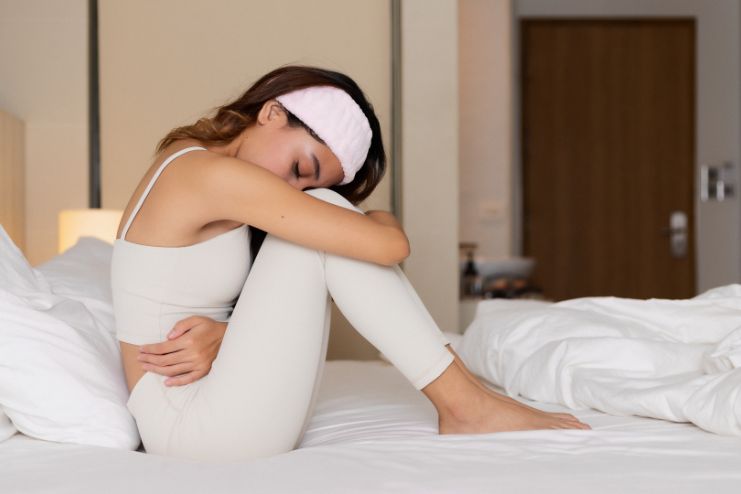
The term “hangry” perfectly captures the sudden hunger and irritability that many women experience in the days leading up to their period. While it may seem like just a mood swing, there’s a real hormonal basis behind these feelings.
Most of us don’t look forward to our periods, but we can usually anticipate a few telltale signs: mood swings, breakouts, and most notably, increased hunger. If our periods could talk, they’d probably say, “Feed me!”—because PMS-related hunger is real. Many women are all too familiar with the frantic search for snacks as their cycle approaches.
Feeling hungrier before or during your period is completely natural. Hormonal changes, mood shifts, and metabolic fluctuations all play a role in this phenomenon. If you’ve ever wondered, “Why am I so hungry before my period?”—read on for the science and solutions.
Read More: 26 Things You Should Avoid During Periods – Experts’ Advice!
Reasons Behind PMS-Related Hunger
Intense food cravings are a common symptom of premenstrual syndrome (PMS), often striking a week or two before menstruation. Researchers attribute this to cycle-related changes in hormones—especially estrogen and progesterone—and shifts in serotonin levels.
Hormonal fluctuations can lower blood sugar, triggering cravings for sugary and carb-rich foods. At the same time, serotonin, the brain’s “feel-good” chemical, drops. Your body seeks out carbohydrates to help boost serotonin, which explains the urge for chips or chocolate.
After ovulation, progesterone levels rise, further increasing appetite. It’s perfectly normal to indulge occasionally, but a balanced diet can help keep cravings in check.
PMS can cause a wide range of symptoms, including mood swings, breast tenderness, fatigue, irritability, and depression. Up to three out of four women who menstruate experience some form of PMS, and symptoms typically follow a regular pattern each cycle.
According to Dr. Ghazala Aziz-Scott, a specialist in integrative women’s health and bioidentical hormone balancing at the Marion Gluck Clinic, “our hunger and appetite are controlled by complex regulatory pathways which are neurochemical, hormonal, physiological, and psychological.”
Why You Crave Sugary and Carb-Heavy Foods
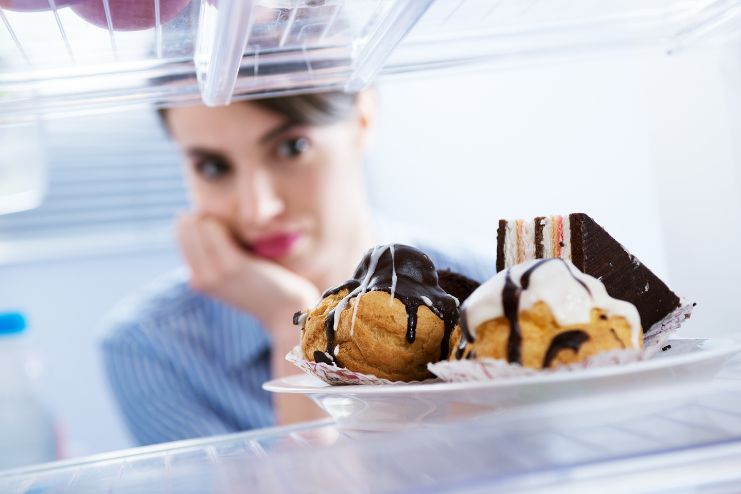
Don’t feel guilty about craving tacos, chocolate, or chips before your period—there are scientific reasons behind it.
Fluctuations in estrogen and progesterone can drive cravings for sugar and carbs. But it’s not just hormones: eating regular meals can help manage the emotional ups and downs of the premenstrual phase.
Changes in estrogen and progesterone levels also impact neurotransmitters like serotonin, according to Orange Coast Medical Center OB/GYN Gerardo Bustillo, MD. He explains that serotonin significantly influences mood swings and food cravings. When serotonin levels fall during the luteal phase, your body might be trying to self-medicate by craving carbohydrates. For example, the fat and sugar in chocolate can help replenish serotonin in the brain.
A more severe form of PMS, called premenstrual dysphoric disorder (PMDD), can also cause intense food cravings and compulsive eating. If you have irregular periods, you may be more likely to experience binge eating episodes.
Read More: 18 Effective Home Remedies For Irregular Periods That You Need To Be Aware of
How to Prevent Extreme Hunger and Irritability Before Your Period
It’s okay to give in to cravings sometimes, but these strategies can help you manage hunger and mood swings:
- Eat Fiber-Rich Foods: Whole grains, lentils, beans, and brown rice help regulate blood sugar and reduce cravings. These foods are also rich in B vitamins, which can help prevent PMS symptoms.
- Opt for Smaller, Frequent Meals: Eating smaller, more frequent meals helps keep blood sugar stable and curbs cravings. Try six small meals a day or three meals with healthy snacks in between.
- Boost Magnesium Intake: If you crave chocolate, you might be low in magnesium. Choose foods like spinach, lentils, cashews, almonds, seeds, and whole grains. If you want chocolate, dark chocolate is a healthier option.
- Exercise Regularly: Physical activity boosts serotonin and can reduce cravings, depression, and fatigue. Aim for at least 30 minutes of exercise, such as running, cycling, swimming, or brisk walking.
- Get Sunlight: Sun exposure increases serotonin levels, which can improve mood and reduce cravings. Spend some time outdoors, but remember to wear sunscreen!
Should You Eat More Before Your Period?
Yes, increased hunger before your period is normal. During the luteal phase (between ovulation and menstruation), your body burns an extra 100–300 calories per day due to hormonal changes. Eating a bit more is a natural, biological response—not a lack of willpower.
Dietary changes can also help manage PMS symptoms like fatigue and bloating. You may need extra vitamins and nutrients to counteract gastrointestinal symptoms and the exhaustion caused by blood loss.
- Increase Iron and Calcium: If you have heavy periods, eat more leafy greens to boost iron and calcium, which help prevent fatigue and aches.
- Try Ginger: Its anti-inflammatory properties can ease many PMS symptoms. Add it to meals, tea, or take it as a supplement.
- Eat Yogurt: Probiotics in yogurt can help with bloating and digestive issues common before and during your period.
Read More: Why Your Periods Might Stop: Understanding Amenorrhea
Lifestyle & Dietary Hacks to Reduce PMS “Hanger”
If you find yourself craving junk food and chocolate right before your period, you’re not alone. Here’s how to manage those urges:
- Time Your Meals: Consistent meal timing helps prevent blood sugar crashes and reduces the urge to binge.
- Choose Smart Snacks: Greek yogurt with berries, eggs with whole-grain toast, or apple slices with peanut butter are satisfying and nutritious.
- Exercise Moderately: Activities like walking, yoga, or light aerobics can help control hunger and lower stress hormones.
- Prioritize Sleep: Lack of sleep affects hunger hormones (ghrelin and leptin), making you feel hungrier and more irritable. Aim for 7–9 hours of quality sleep each night.
Read More: 20 Best Foods to Eat During Periods and 11 Foods to Avoid
When to Be Concerned
While PMS-related hunger is normal, extreme symptoms may indicate underlying issues. Premenstrual dysphoric disorder (PMDD) can cause severe mood swings and compulsive eating that significantly impact daily life. Additionally, conditions like insulin resistance or PCOS can affect appetite and cravings.
If your hunger or mood swings are overwhelming or disrupt your routine, consult a healthcare professional. Severe symptoms that interfere with work, relationships, or daily activities warrant medical attention.
Conclusion
It’s completely normal to feel hungrier and moodier before your period due to hormonal changes—there’s no need to feel guilty. Understanding the connection between your cycle, mood, and metabolism can help you manage symptoms more effectively. Prioritizing balanced meals, regular exercise, hydration, and good sleep can make a significant difference.
Listen to your body. With the right information and support, you can take control and navigate your cycle with confidence.
References
- https://share.upmc.com/2014/11/five-tips-coping-pms-cravings/
- https://www.health.com/condition/menstruation/the-truth-about-your-cycle-and-your-appetite
- https://www.mayoclinic.org/diseases-conditions/premenstrual-syndrome/symptoms-causes/syc-20376780
- https://www.healthline.com/health/period-cravings#causes
- https://www.medicalnewstoday.com/articles/323317#prevention
- https://www.mcgill.ca/oss/article/health/do-we-actually-need-eat-more-calories-when-menstruating
- https://www.mayoclinic.org/diseases-conditions/premenstrual-syndrome/diagnosis-treatment/drc-20376787
- https://www.healthline.com/health/compulsive-eating-before-your-period#TOC_TITLE_HDR_5
- https://www.goodrx.com/health-topic/womens-health/why-so-hungry-on-period
- https://www.mariongluckclinic.com/our-team/dr-ghazala-aziz-scott
- https://www.stylist.co.uk/fitness-health/wellbeing/appetite-hunger-cravings-period-cycle/680808
In this Article