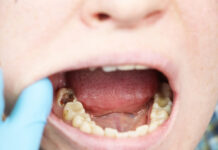














The roof of your mouth, also known as the palate, may not demand much attention in your daily life, but when it starts to hurt, it can quickly become impossible to ignore. Whether it’s a sharp sting, a dull ache, or a burning sensation, pain in this sensitive area can make eating, drinking, or even talking uncomfortable. While some causes are as harmless as sipping coffee that’s too hot, others may point to underlying health issues that require medical attention.
From minor irritations, such as mouth sores or allergic reactions, to more concerning conditions like infections or autoimmune disorders, the range of possible causes is surprisingly wide. That’s why understanding what’s behind the discomfort is more than just a matter of curiosity; it’s key to knowing whether simple at-home care will be enough or if it’s time to seek professional help.
Skin Care Science
Ingredients to Avoid for Periorbital Milia
| Ingredient to Avoid | Why It’s a Problem | Safer Swap |
|---|---|---|
| Petrolatum / Mineral Oil | Creates an impermeable barrier; top association with periorbital milia | Hyaluronic acid Glycerin |
| Lanolin | Highly comedogenic around the eyes despite being “natural” | Squalane |
| Dimethicone (high concentration) | Forms a persistent occlusive film that impedes shedding | Low-weight silicones Niacinamide |
| Shea / Cocoa Butter | Occlusive fats that resist absorption in thin skin | Ceramide-based serums |
| Beeswax / Carnauba Wax | Film-formers with no penetration; trap keratin effectively | Lightweight peptide gels |
| Fragrance / Irritants | Trigger micro-inflammation, slowing turnover | Fragrance-free formulas |
In this comprehensive guide, we’ll explore both common and serious causes of roof-of-mouth pain, practical home remedies to ease your symptoms, and red flags that shouldn’t be ignored. By the end, you’ll have a clearer idea why the roof of your mouth hurts, what your body might be trying to tell you, and what to do next.
Let’s take a closer look at what might be going on when the roof of your mouth starts to hurt.
Common Causes of Roof of Mouth Pain

Pain in the roof of your mouth can stem from a variety of everyday factors, many of which are harmless and easily treatable. From minor burns caused by hot food to temporary irritation from allergies or dehydration, these causes are often short-lived and resolve on their own.
Understanding the most frequent culprits can help you pinpoint the issue quickly and take appropriate action. In this section, we’ll explore the most common reasons behind palate discomfort and how to recognize them.
1. Burns from Hot Food or Drinks
This is probably the most familiar culprit. You take a bite of hot pizza or sip a freshly brewed coffee and immediately feel the sting.
The roof of your mouth contains delicate tissue that can be easily scalded. Once burned, it may feel sore, raw, or even develop small blisters. This is often referred to as “pizza burn” and can leave the area tender for several days.
Usually, these types of burns are minor and heal on their own with time. However, they can be uncomfortable while eating, brushing, or even speaking.
2. Canker Sores (Aphthous Ulcers)
Canker sores are small, round ulcers that often appear inside the mouth, including on the roof. They typically have a white or yellow center surrounded by a red halo and can be quite painful, especially when eating or talking.
The exact cause of canker sores isn’t always clear, but they can be triggered by stress, injury, acidic foods, or even certain toothpaste ingredients like sodium lauryl sulfate. Although not contagious, they tend to recur in some people.
They usually heal within 7 to 10 days without medical treatment.
3. Dehydration or Dry Mouth
Dehydration can lead to reduced saliva production, resulting in a dry, irritated, and sore palate. Saliva plays a vital role in keeping the mouth moist, neutralizing acids, and defending against infection.
In hot climates, during illnesses, or while taking medications that cause dry mouth, you may notice your mouth roof hurts more than usual.
Hydration and oral moisturizers can help relieve this discomfort.
4. Oral Thrush (Yeast Infection)
Oral thrush is a fungal infection caused by an overgrowth of Candida yeast. It’s more common in babies, older adults, people with weakened immune systems, or those taking antibiotics or corticosteroids.
Symptoms include creamy white patches on the tongue and palate, redness, soreness, and sometimes a burning sensation. It may also cause difficulty swallowing or a cottony feeling in the mouth.
Oral thrush requires antifungal treatment prescribed by a healthcare provider.
5. Allergies or Irritants
Sometimes, your body might be reacting to allergens or chemicals. Common culprits include:
- Spicy or acidic foods
- Toothpastes or mouthwashes with harsh ingredients
- Seasonal allergens like pollen
These can cause mild inflammation or swelling on the roof of the mouth, often accompanied by itching or tingling.
Avoiding the irritant and using an antihistamine can reduce symptoms.
6. Smoking or Tobacco Use
Tobacco products irritate the lining of the mouth. Frequent exposure to heat and chemicals can cause chronic soreness, discoloration, and increase the risk of infections and even oral cancer.
Smokers may experience a hardened or leathery feeling on the roof of the mouth. Quitting tobacco is the most effective way to prevent further damage and discomfort.
7. Hormonal Changes or Autoimmune Conditions
Hormonal fluctuations during menstruation, pregnancy, or menopause can affect oral health. You might notice increased sensitivity or soreness in the mouth, including the palate.
In some cases, autoimmune conditions like lupus or pemphigus vulgaris can cause ulcers or lesions in the mouth. These conditions may also present with other systemic symptoms such as fatigue, joint pain, or skin rashes.
If symptoms persist or worsen, consult a healthcare provider for testing and management.
8. Dental Issues or Ill-Fitting Devices
Sometimes, the problem is mechanical. Dentures, retainers, or braces with sharp edges can rub against the roof of the mouth and cause irritation or minor injuries. Poorly fitted devices may cause swelling, soreness, or even ulcers over time.
Removing or adjusting the dental appliance, along with using dental wax or padding, can provide relief. A dentist can help ensure proper fitting to prevent recurring issues.
Less Common but Serious Causes

While most cases of roof of mouth pain are minor and temporary, it’s important not to overlook the possibility of more serious underlying conditions. Infections, autoimmune disorders, or even certain types of cancer can sometimes manifest as persistent or unexplained pain in the palate.
Though these causes are less common, recognizing their warning signs early can make a crucial difference. This section highlights the more serious but rarer conditions you should be aware of, especially if your symptoms don’t improve or begin to worsen over time.
1. Oral Cancer
Persistent sores, ulcers, or pain in the roof of the mouth that doesn’t heal within two weeks could be a sign of oral cancer. Other symptoms might include:
- A lump or thickened area.
- Red or white patches.
- Numbness in the mouth or tongue.
- Difficulty chewing or swallowing.
If you experience any of these signs, it’s crucial to see a healthcare professional promptly. Early detection can greatly improve outcomes.
2. Infections (Viral or Bacterial)
Viral infections such as herpes simplex can cause painful lesions or ulcers on the palate, accompanied by fever, swollen glands, or general malaise.
Bacterial infections such as strep throat or sinus infections can also cause pain that radiates to the roof of the mouth, particularly if the sinuses are inflamed and press against the upper palate.
Antiviral or antibiotic treatments may be necessary depending on the underlying cause.
3. Nutrient Deficiencies
Low levels of essential nutrients such as vitamin B12, iron, or folate can lead to mouth pain, burning sensations, or sores. These deficiencies can affect the lining of the mouth and may also cause:
- Fatigue
- Pale skin
- Numbness or tingling in the extremities
Blood tests can help identify deficiencies, and supplementation under medical supervision can resolve symptoms over time.
Prevention Tips

Preventing pain in the roof of your mouth often comes down to simple, consistent care. While not all causes are avoidable, many common triggers can be minimized through everyday habits.
- Let Food and Drinks Cool Down: Hot beverages like tea, coffee, and soups can easily scald the sensitive palate. Allow them to cool slightly before consumption to avoid burns.
- Stay Well-Hydrated: Dehydration is a key contributor to oral discomfort. Aim to drink enough water throughout the day to keep saliva flowing and the mouth moist.
- Choose Gentle Oral Hygiene Products: Avoid toothpastes and mouthwashes that contain alcohol or harsh chemicals like sodium lauryl sulfate. These can irritate the mouth lining, especially if you’re prone to canker sores.
- Practice Good Oral Hygiene: Brushing twice daily, flossing, and using an antimicrobial rinse (if recommended by your dentist) can help keep infections and irritations at bay.
- Watch What You Eat: Limit intake of overly spicy, acidic, or crunchy foods that can aggravate or scratch the roof of your mouth. If you already have soreness, opt for soft, cool, or bland foods.
- Manage Stress Levels: Stress can weaken the immune system and trigger canker sores or teeth grinding, both of which can lead to soreness in the upper mouth. Activities like deep breathing, meditation, or even short daily walks can help manage stress effectively.
- Visit Your Dentist Regularly: Routine dental check-ups can catch potential issues like ill-fitting appliances, oral infections, or early signs of oral cancer before they become more serious.
Home Remedies for Minor Roof of Mouth Pain

If the pain on the roof of your mouth is mild and linked to a known cause, like a hot food burn, irritation from spicy food, or a canker sore, you may be able to find relief without a trip to the doctor. Simple home remedies can ease discomfort, reduce inflammation, and support faster healing. Here are some effective and easy-to-follow solutions:
1. Cold Liquids or Ice Chips
Cooling the area can offer immediate, short-term relief. Sip cold water, suck on ice chips, or enjoy a cold beverage to numb the pain and calm inflammation. Avoid hot or acidic drinks, which may worsen irritation.
2. Saline Rinses
A warm saltwater rinse is a time-tested remedy for oral discomfort. It helps clean the area, reduce bacteria, and support healing. Mix ½ teaspoon of salt in a cup of warm water and swish gently for 30 seconds, two to three times daily.
3. Over-the-Counter Pain Relievers
Anti-inflammatory medications like ibuprofen or acetaminophen can help alleviate pain and reduce swelling. Always follow the recommended dosage and consult your pharmacist if you’re unsure about drug interactions or sensitivities.
4. Aloe Vera Gel or Honey
Natural remedies like aloe vera and honey are gentle yet effective. Both offer soothing, anti-inflammatory, and antimicrobial benefits. Dab a small amount directly onto the sore area using a clean finger or cotton swab, just ensure you’re not allergic to either substance.
5. Hydration and Oral Moisturizers
Keeping your mouth well-hydrated is essential for healing. Drink plenty of water throughout the day to prevent dryness. If you’re prone to dry mouth, consider using sugar-free lozenges or oral moisturizing sprays to maintain comfort and lubrication.
These at-home remedies are generally safe and effective for minor cases, but if your symptoms persist or worsen, it’s best to consult a healthcare professional for a more thorough evaluation.
When to See a Doctor or Dentist

While many causes of pain in the roof of the mouth resolve on their own, some signs indicate the need for medical attention:
- Pain lasts more than 7 to 10 days
- White or red patches that don’t go away
- Unexplained bleeding or numbness
- Difficulty swallowing or speaking
- Fever, fatigue, or swelling in the face or neck
- Any sore that grows, changes shape, or recurs frequently
Your dentist or physician may examine the area, take a medical history, perform swabs or blood tests, and in rare cases, recommend a biopsy if cancer is suspected.
Don’t delay seeking help if your symptoms are unusual or getting worse.
How Lifestyle Habits Impact the Roof of Your Mouth

Your daily lifestyle choices play a bigger role in oral health than you might think. From what you eat to how you manage stress, these habits can either support a healthy palate or contribute to recurring pain and inflammation.
Diet and Nutrition
A nutrient-poor diet can set the stage for mouth problems. Low levels of vitamin B12, iron, and folate are linked to increased mouth sensitivity and canker sores. Acidic foods like citrus fruits, tomatoes, and sodas can erode or irritate the soft tissues, especially if consumed frequently. On the flip side, a balanced diet rich in leafy greens, lean proteins, and antioxidants supports tissue repair and strengthens your immune defense.
Hydration and Caffeine Intake
Inadequate water intake can cause dry mouth, making the roof of your mouth more prone to friction and irritation. Excess caffeine from coffee or energy drinks may compound this dryness. To counter it, drink plenty of water throughout the day and consider water-rich foods like cucumbers and melons to keep the mouth comfortably moist.
Smoking and Alcohol Use
Tobacco and alcohol are among the top lifestyle-related irritants for the mouth’s delicate tissues. Smoking not only causes direct thermal damage to the roof of the mouth but also increases the risk of chronic soreness and even oral cancer. Alcohol, especially in mouthwash or spirits, can dry out the mouth and aggravate existing irritation.
Stress and Sleep
Chronic stress and poor sleep quality don’t just affect your energy levels; they can also manifest in your mouth. Stress is a known trigger for canker sores, and poor sleep weakens your immune system, making you more vulnerable to infections like oral thrush. Stress may also lead to unconscious habits like teeth grinding (bruxism), which can put pressure on the roof of the mouth and jaw.
Oral Care Routine
Brushing too aggressively or using products with strong ingredients can do more harm than good. Gentle brushing with a soft-bristled brush, using mild toothpaste, and flossing carefully can help maintain a healthy palate without causing trauma.
In short, the health of your palate reflects the care you give to your overall lifestyle. Small changes like staying hydrated, quitting smoking, managing stress, and choosing mouth-friendly foods can make a big difference in preventing discomfort and maintaining long-term oral comfort.
Final Thoughts
Pain in the roof of your mouth might seem minor at first, but it’s often your body’s way of signaling something deeper, whether it’s a simple burn, a sign of dehydration, or an early warning of an underlying condition. The key lies in listening to those signals early, not dismissing them.
Most causes are manageable with a little care, mindful eating, and lifestyle adjustments. But when that soreness lingers, spreads, or becomes more than just a passing discomfort, don’t hesitate to seek help. Your oral health is deeply connected to your overall well-being.
Taking care of your mouth means more than brushing twice a day. It means nourishing your body, managing stress, and knowing when something isn’t quite right.
Listen. Act. Heal.

References
- https://www.goodrx.com/conditions/pain/soreness-in-roof-of-mouth
- https://www.savinadental.com/roof-of-mouth-pain
- https://www.colgate.com/en-us/oral-health/mouth-sores-and-infections/sore-in-roof-of-mouth-causes
- https://www.tuasaude.com/en/dor-no-ceu-da-boca/
- https://my.clevelandclinic.org/health/diseases/21766-mouth-ulcer
- https://www.goodrx.com/conditions/pain/soreness-in-roof-of-mouth
- https://omaha.mypediatricdentalspecialists.com/relief-mouth-sores-remedies
- https://www.healthline.com/health/how-to-treat-a-roof-of-mouth-burn
- https://www.citizenshospitals.com/blogs/12-natural-remedies-to-cure-mouth-ulcers
- https://www.colgate.com/en-us/oral-health/mouth-sores-and-infections/sore-in-roof-of-mouth-causes
- https://grovedentalclinic.com/effective-ways-to-treat-a-sore-roof-of-your-mouth/
- https://www.mayoclinic.org/diseases-conditions/canker-sore/diagnosis-treatment/drc-20370620
In this Article