













It is scary to wake up with ringing, pain, or sudden hearing loss in one ear. A ruptured eardrum often alarms people, leading them to fear the worst. A ruptured or torn eardrum membrane may cause sudden pain, discomfort, and hearing problems.
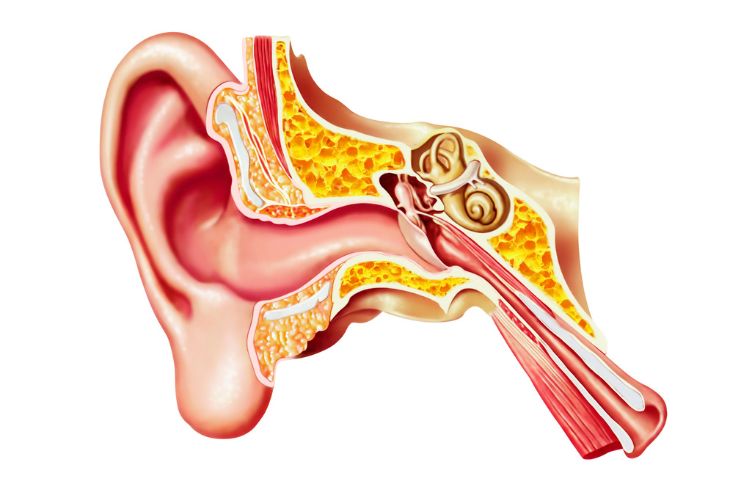
“The eardrum, also known as the tympanic membrane, is a very thin layer of tissue separating our ear canal and outer ear from the middle ear space,” according to Dr. Le Nobel. “A ruptured eardrum occurs when a tear develops in the delicate membrane of the ear, often caused by trauma or a severe ear infection.
“A person typically doesn’t realize there’s an issue with the eardrum until their symptoms arise,” according to Dr. Le Nobel.
A perforated eardrum may impact both your hearing ability and sense of balance. It will usually heal independently, but sometimes, it needs surgery. The best way to prevent it is to keep your ears healthy and free from infection. If you recognize the symptoms and seek assistance, you can maintain your hearing and prevent permanent damage.
Read More: Safe and Effective Methods To Keep Your Ears Clean
Common Causes of Eardrum Rupture
A middle ear infection is often the underlying cause of a ruptured eardrum. The pressure generated due to fluid build-up behind your eardrum can cause your eardrum to pop or rupture. Some of the other common causes are:
Middle Ear Infection (Otitis Media): Fluid accumulation within the middle ear is typically caused by a middle ear infection. The buildup of these fluids can lead to a ruptured eardrum due to increased pressure.
Explosions or Very Loud Sounds (acoustic trauma): Only very exceptionally can an eardrum rupture result from the intense shock sound of an explosion or a gunshot, essentially a crush sound wave.
Pressure Changes (barotrauma): Air trapped in your middle ear while flying or scuba diving can also burst your eardrum.
Sticking Things in Your Ears: You could hurt your eardrum by sticking cotton swabs or other items into your ear to scratch or clean it. A collision with a twig or a hit from a thrown object can also cause damage.
Severe Head Trauma: Actual injuries, such as a fracture of the skull base, will compromise or dislodge the eardrum and the other inner and middle ear structures.
7 Signs of Ruptured Eardrum
1. Sharp Ear Pain:
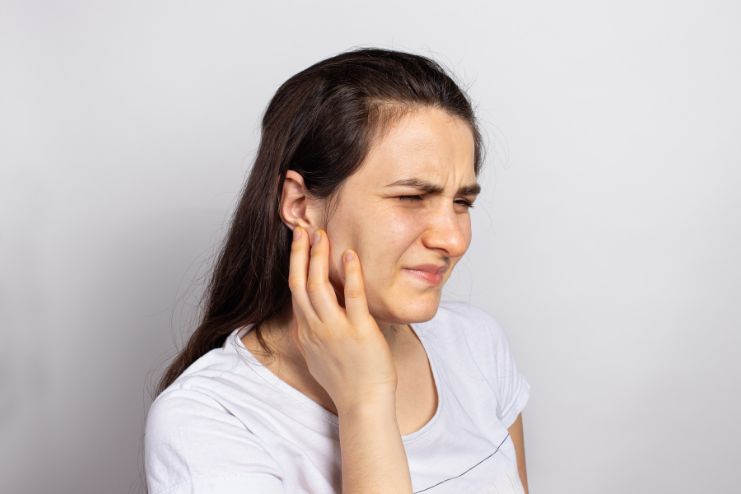
Abrupt, burning, or stabbing ear pain is among the initial and most common signs of a perforated eardrum. It may appear suddenly after an experience with sudden pressure changes, like a very close blast, hard blowing of the nose, or even flight. The pain could be burning or stinging.
When he forcibly sneezes with his nose blocked, they can hear a sudden ear pop and subsequently suffer. Once the eardrum bursts, the pain usually subsides shortly, leading individuals to believe the problem is fixed. However, the initial pain signals that the protective covering over the eardrum has been shattered.
2. Fluid Drainage:
One of the most apparent signs of a ruptured eardrum is the presence of fluid or blood draining from the ear. This condition manifests as a tear in the tympanic membrane, allowing fluid from the middle ear to escape.
If an infection is present, the discharge may have a clear appearance, be crimson, or contain pus. Numerous other symptoms, such as ear pain, loss of hearing, or a feeling of fullness in the ear, are frequently present in conjunction with this condition.
When an unusual discharge from the ear occurs, it is essential to seek medical attention immediately to prevent any potential consequences.
Read More: Itchy Ear : Causes, Symptoms, and How to Get Rid of Itchy Ears
3. Hearing Loss:
If your ear is plugged or blocked and you perceive sounds that are not normal, such as whistling, buzzing, or ringing, the problem may be more than a short-term issue. The presence of these signs, particularly in conjunction with partial or complete hearing loss, is most commonly a warning that the eardrum has ruptured.
Hearing and ear sensations change as a consequence of the rupture, which interrupts the hearing process through the conduction of sound waves. When symptoms persist, consult a doctor to diagnose and initiate the appropriate treatment.
4. Tinnitus:
Tinnitus is a ringing in the ears when there is no sound. The noise could sound like wheezing, hissing, clanging, clicking, buzzing, or ringing. Hearing loss is the primary cause.
According to Dr. Jeffrey Vrabec, an ENT physician at Houston Methodist who specializes in neurotology, tinnitus is defined as “hearing continuous sound in one or both of your ears.
The brain misinterprets nerve signals as sound, causing tinnitus. Tinnitus may also be a sign of anemia, allergies, high blood pressure, ear infections, or adverse drug reactions.
Anxiety and sadness may result from tinnitus, which can be upsetting. Some tinnitus sufferers find their symptoms disappear just by learning about the problem. Hearing aids and sound therapy may potentially be beneficial therapies.
5. Vertigo or Dizziness:
Vertigo isn’t an illness itself but rather a sign of an underlying condition. Usually, it involves sensations of the environment moving or spinning around you, which go beyond feeling lightheaded.
Vertigo attacks usually occur abruptly and can last from a few seconds to several hours. In extreme situations, episodes may linger for days or even months.
Vertigo usually goes away on its own. However, consult your doctor if your vertigo is chronic or interfering with your daily activities. They can suggest possible treatments for the underlying causes of your vertigo.
People often use the term ‘vertigo’ to describe the sensation of fear when looking down from high places. However, the right word to describe the disorientation you may feel while looking down from a great height and the fear of heights is “acrophobia.”
Read More: How to Get Water Out of Ears : 9 Easy Methods to Unclog Your Ears
6. Sensitivity to Sound:
A burst eardrum may cause ear pain and hearing problems if you have been around loud noises, such as an explosion, or standing next to large speakers at a rock event.
An excruciating earache and a loss of hearing are the first indications that a loud noise has ruptured the eardrum in one or both of your ears.
You might find the sound of people speaking to you, the TV, and other sources muffled, and you might wonder why. At this point, you should look at recent occurrences.
It might be the reason if something unusual occurred, and it was deafening, just like the rock concert we had discussed, or if you happened to be near a noisy road construction site with its jackhammers and other loud tools and equipment.
7. Vomiting or Feeling Queasy:
Rupture of the eardrum can create intense vertigo and secondary manifestations like dizziness, vomiting, and nausea. Your brain is getting messages from balance-sensitive tissues in your inner ear.
Your body responds to these messages by creating sensations, such as motion sickness, when the messages become deranged, potentially due to infection, inflammation, or fluid imbalance.
For instance, someone might suddenly feel queasy while walking, standing, or sitting still.
Read More: How to Clear Out Clogged Ears Quickly and Naturally
Diagnosis and Treatment Options

In most instances, a ruptured eardrum heals on its own without medical intervention. Otherwise, you may need to see an ENT specialist.
Treatment may be:
Non-Surgical Treatment: In the absence of surgery, treatment may involve applying warm compresses to the ear, pain control with over-the-counter medication, and drying out the ear to aid healing.
Myringoplasty: Your ENT places a small paper patch in the perforation. The patch seals the perforation, allowing the eardrum to recover naturally.
Tympanoplasty: This procedure fixes the eardrum by transplanting tissue from another part of the body, such as cartilage or skin.
How Physicians Identify Ruptured Eardrums

Using a device known as an otoscope, your healthcare professional will examine your ear to check for a burst eardrum. For a better perspective, they may need to utilize a microscope. For them to see your eardrum clearly, it sends a light into your ear.
If your eardrum has burst, a healthcare professional will notice an opening. It’s also possible to visualize the bones within the middle ear.
If pus is dripping from the ear, the provider may find it more difficult to detect the eardrum. The doctor may need to use suction to clear out pus that’s blocking the view of the eardrum.
Your doctor may also conduct hearing tests to assess your hearing and evaluate the condition of your eardrum.
Typical tests consist of:
- Assesses your ability to hear various types of tones and soft sounds using audiometry, often known as an audiogram.
- Tympanometry: Indicates the eardrum’s range of motion.
These tests can help your doctor identify if you’re dealing with a ruptured eardrum or a different ear issue.
Read More: Best hydrogen Peroxide for Ear Wax
Conclusion
Mark a burst eardrum to keep your ear healthy and avoid future complications. You will injure your eardrum if you experience some or all of the following: hearing loss, ringing, balance issues, severe ear pain, and abnormal fluid drainage.
Some eardrum ruptures heal on their own, but others, if left untreated, can result in permanent hearing loss or life-threatening infection. That’s why it’s so important to be more vigilant, pay attention to other symptoms, and listen to your body.
If you have more severe symptoms, foul-smelling discharge, or persistent pain, see your doctor as soon as possible. Prompt diagnosis and timely care can help protect your hearing and complete recovery.
References
- https://harboraudiology.com/breaking-the-silence-recognizing-the-signs-of-ruptured-eardrums
- https://www.mayoclinic.org/diseases-conditions/ruptured-eardrum/symptoms-causes/syc-20351879
- https://my.clevelandclinic.org/health/diseases/15581-ruptured-eardrum-acutely-perforated-tympanic-membrane
- https://collincountyent.com/what-is-a-ruptured-eardrum-eardrum-perforation
- https://www.houstonmethodist.org/doctor/gavin-lenobel
- https://medlineplus.gov/ency/article/001038.htm
- https://www.earhealth.co.nz/signs-of-a-burst-eardrum-or-perforated-eardrum
- https://harboraudiology.com/understanding-ruptured-eardrums-causes-and-symptoms
- https://resources.healthgrades.com/right-care/ear-nose-and-throat/ruptured-eardrum
- https://www.medicalnewstoday.com/articles/325543#treatment-and-home-remedies
- https://www.webmd.com/pain-management/ruptured-eardrum-symptoms-and-treatments
- https://www.centamedical.com/three-causes-of-a-ruptured-eardrum
- https://reverehealth.com/live-better/ruptured-eardrums-101
- https://www.houstonmethodist.org/doctor/jeffrey-vrabec
- https://www.healthline.com/health/ruptured-eardrum#symptoms
- https://patient.info/ears-nose-throat-mouth/hearing-problems/perforated-eardrum
- https://vernosemcgrathent.com/services/ear-nose-throat-care/ear/eardrum-perforation
In this Article