











Your heart is your body’s engine, working tirelessly to pump blood, deliver oxygen to every cell, and transport vital nutrients throughout your system. This remarkable organ never takes a break, making its care absolutely essential for long-term health and vitality.
Cardiovascular disease remains the leading cause of death worldwide, highlighting the critical importance of preventive care. Rather than simply reacting to illness, we need to build a strong foundation that actively protects against damage and disease.
Think of this as your personal “cardiovascular toolkit”—a comprehensive collection of strategies, habits, and knowledge designed to protect and strengthen your heart. This toolkit will help you address risk factors, develop healthy habits, and make lifestyle changes that can significantly reduce your risk of heart disease while keeping you active and energetic for years to come.
Read More: Dietary Guidelines for a Healthy Heart: Foods That Support Cardiovascular Health
Part 1: Nutrition – Fueling Your Heart Right
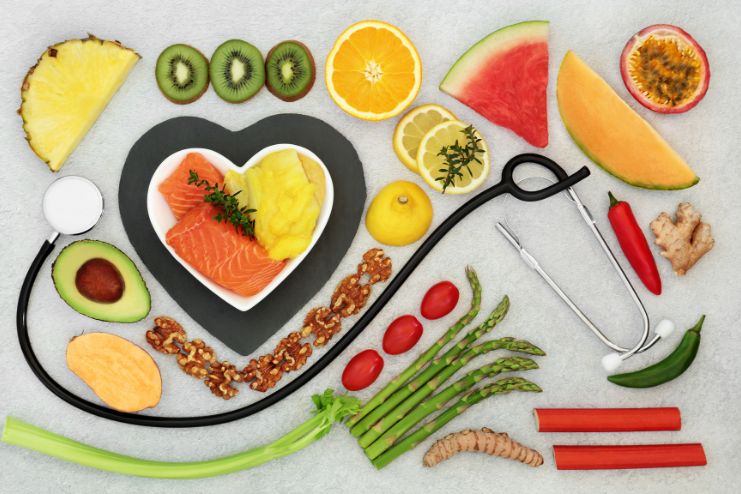
A heart-healthy diet forms the foundation of cardiovascular wellness. The right foods provide essential nutrients that protect your heart and reduce disease risk.
1. Omega-3 Rich Fish
What to include: Salmon, mackerel, and sardines
Why it matters: These fish are packed with omega-3 fatty acids that reduce inflammation and lower heart disease risk. Research shows that eating 2-3 servings of fish per week can significantly reduce your risk of cardiovascular disease, coronary heart disease, heart attack, stroke, and heart failure.
2. Colorful Berries
What to include: Blueberries, strawberries, and raspberries
Why it matters: These vibrant fruits are loaded with antioxidants that combat oxidative stress and inflammation, helping to lower blood pressure and improve overall heart function.
3. Leafy Green Vegetables
What to include: Kale, spinach, and other dark leafy greens
Why it matters: These nutrient powerhouses are rich in vitamins, minerals, and nitrates that help reduce blood pressure and heart disease risk. The nitrates naturally relax and open blood vessels, with studies showing that people who eat the most nitrate-rich vegetables reduce their cardiovascular disease risk by 12-26%.
Part 2: Movement – Strengthening Your Heart Through Exercise
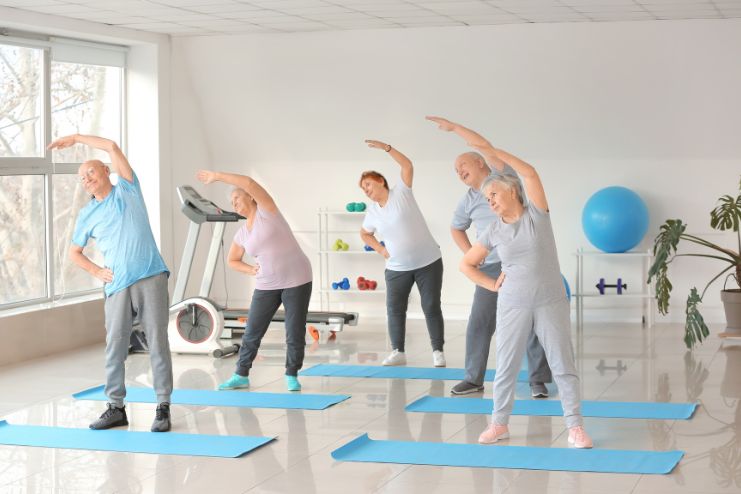
Regular physical activity strengthens your heart muscle, improves circulation, and addresses risk factors like obesity and high blood pressure.
4. Cardiovascular Exercise
What it includes: Aerobic activities that increase heart rate, breathing, and circulation
Why it’s essential: According to Johns Hopkins exercise physiologist Kerry J. Stewart, Ed.D., aerobic exercise is the most beneficial for heart health. It effectively lowers blood pressure and resting heart rate while improving circulation, cardiac output, and overall aerobic fitness. Additionally, cardio exercise reduces type 2 diabetes risk and helps people with diabetes better control their blood sugar.
5. Stress-Relieving Practices
What to try: Yoga, meditation, walking, or other calming activities
Why it helps: Chronic stress contributes to high blood pressure, irregular heart rhythms, and inflammation—all harmful to your heart. Practices like yoga’s breathing techniques can reduce anxiety and promote balance. Even a simple walk around the block can help you refocus when feeling overwhelmed, providing the benefits of solitude, movement, and mental clarity.
Read More: 8 Sleep Essentials for Heart Health: Products to Improve Your Sleep Quality
Part 3: Monitoring – Keeping Track of Your Heart Health
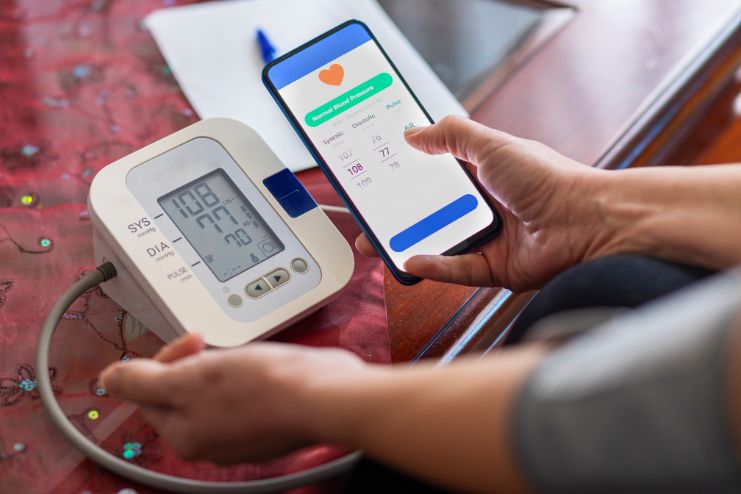
Regular monitoring helps you stay informed about your cardiovascular health and catch potential issues early.
6. Blood Pressure Monitor
What it does: Allows you to track your blood pressure at home
Why you need it: The American Heart Association recommends home blood pressure monitoring for anyone with high blood pressure to help healthcare providers assess treatment effectiveness. While home monitoring doesn’t replace regular medical visits, it provides valuable data to share with your doctor. Always consult your healthcare provider before making any changes to blood pressure medications, regardless of home readings.
Shop Here: Blood Pressure Monitor
7. Cholesterol Testing Kit
What it measures: Total cholesterol, LDL (“bad”), HDL (“good”), and triglyceride levels
How it works: These home testing kits include a meter and testing supplies. You prick your finger with a lancet, place the blood sample on a test strip, and insert it into the meter for results within minutes. This allows you to monitor your cholesterol levels between doctor visits.
8. Fitness Tracker
What it tracks: Steps, distance, calories burned, heart rate, sleep patterns, and more
Why it’s valuable: A quality fitness tracker encourages consistent activity by providing real-time feedback on your fitness progress. The data helps you make informed decisions about your exercise routine, set realistic goals, and monitor improvements. Many trackers also include helpful features like heart rate monitoring, sleep tracking, and movement reminders.
Shop Here: Fitness Tracker
Part 4: Supplements – Supporting Your Heart with Targeted Nutrition
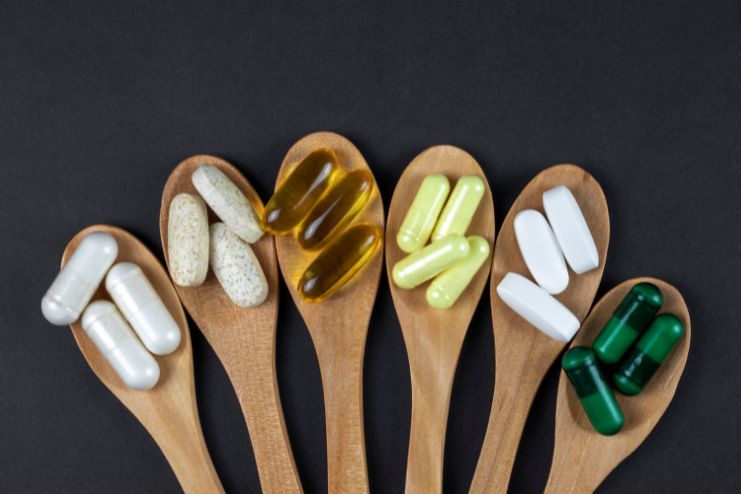
While a healthy diet should be your primary source of nutrients, certain supplements can fill gaps and provide additional cardiovascular support.
9. Omega-3 Supplements
What they provide: Essential polyunsaturated fatty acids your body can’t produce on its own
Why consider them: Omega-3s provide energy, support cellular structure, and help keep your heart, lungs, blood vessels, and immune system functioning properly. Fish oil supplements have been extensively studied for their potential to reduce inflammation and support heart health. Americans spend approximately $1 billion annually on over-the-counter fish oil supplements, and food manufacturers are increasingly adding them to various products.
Shop Here: Omega-3 Supplements
10. Coenzyme Q10 (CoQ10)
What it is: A naturally occurring antioxidant that helps protect cells from damage
Why it’s important: CoQ10 supports cellular energy production and may help with conditions like high blood pressure and heart failure. Our body’s CoQ10 levels naturally decrease with age, and people taking statin medications or those with heart disease may have lower levels. While CoQ10 is found in nuts, fish, and meat, these foods typically don’t contain enough to significantly boost levels. Supplements are available in capsules, chewable tablets, and liquid forms.
Shop Here: Coenzyme Q10 (CoQ10)
Read More: Daily Supplements for Heart Health: Vitamins and Minerals to Manage Cholesterol
Part 5: Lifestyle – Daily Habits That Make a Difference

Your everyday choices have a profound impact on heart health. Beyond diet and exercise, other lifestyle factors play crucial roles in maintaining a healthy cardiovascular system.
11. Adequate Sleep
The recommendation: 7-9 hours per night for adults
Why it matters: Sleep isn’t just downtime—it’s essential for heart health. According to behavioral scientist Brooke Aggarwal, EdD, who has spent six years researching sleep and cardiovascular health at Columbia University, sleep is now recognized as a significant risk factor for cardiovascular disease. During sleep, your heart rate and blood pressure naturally decrease, giving your cardiovascular system time to recover.
Consistently getting less than seven hours of sleep increases inflammation throughout your body, which can contribute to elevated blood sugar, high blood pressure, and increased cholesterol—all major risk factors for heart attack and stroke. In 2022, the American Heart Association added sleep to its “Life’s Essential Eight” lifestyle factors crucial for heart health.
12. Tobacco-Free Living
The reality: Smokers face a 2-4 times higher risk of heart disease compared to non-smokers
Why quitting matters: According to a 2021 study, smokers are more likely to die from cardiovascular disease than lung cancer. Tobacco and nicotine products contain chemicals that damage blood vessels and promote plaque buildup in arteries, increasing your risk of heart attack, stroke, and coronary artery disease. The risk multiplies when combined with other factors like high blood pressure, high cholesterol, or obesity.
The good news: When you quit smoking, your senses of taste and smell begin to return, along with a renewed connection to the world around you.
Read More: Monitoring Heart Health at Home: 7 Essential Devices You Need
Part 6: Mental Health – The Heart-Mind Connection

Your emotional and mental well-being directly impacts your heart health. Chronic stress, social isolation, and emotional distress can harm your cardiovascular system by increasing inflammation, raising blood pressure, and elevating heart disease risk.
13. Stress Management Resources
The principle: While some stress is normal, chronic or excessive stress can lead to disease
Effective techniques: Journaling, mindfulness meditation, progressive muscle relaxation, and deep breathing exercises can help lower stress and calm your nervous system. Apps like Headspace, Calm, and Insight Timer offer guided meditations and breathing exercises that are easy to incorporate into daily routines. Other effective stress-relievers include creative activities, short outdoor walks, and listening to music.
14. Social Connections
The benefit: Strong social bonds provide both emotional support and cardiovascular protection
Why it works: People with close relationships tend to have better blood pressure, stronger immune responses, and lower stress levels. Social connections encourage positive lifestyle choices and provide support during challenging times. Participating in social activities—whether volunteering, joining clubs, or simply sharing meals with family and friends—can reduce both mental illness and cardiovascular disease risk.
Read More: Cooking for Heart Health: Delicious Recipes to Lower Cholesterol
Conclusion
Building your heart health toolkit is an investment in lifelong wellness. Each of these 14 components plays a unique role in protecting and strengthening your cardiovascular system, from heart-pumping exercise and stress-reducing meditation to nutrient-rich foods like leafy greens, berries, and omega-3-rich fish.
Stay informed and proactive with monitoring tools like fitness trackers, blood pressure monitors, and cholesterol testing kits. Consider supportive supplements like omega-3s and CoQ10, while focusing on lifestyle fundamentals: quality sleep, avoiding tobacco, managing stress, and maintaining meaningful relationships.
The key to success lies in integration—weaving these elements into your daily life rather than viewing them as overwhelming changes. Remember, heart health is built through consistent, conscious daily choices, not dramatic overnight transformations.
Your heart works for you every second of every day. Isn’t it time you returned the favor?
References
- https://mountnittany.org/news-stories/health-and-wellness/healthy-eating-for-your-heart-2/
- https://riverwoodhealthcare.org/nourish-your-heart-a-guide-to-heart-healthy-foods/
- https://www.health.harvard.edu/heart-health/heart-healthy-foods-what-to-eat-and-what-to-avoid
- https://www.healthdirect.gov.au/cardiovascular-exercise
- https://www.health.harvard.edu/exercise-and-fitness/cardio-exercise
- https://www.hopkinsmedicine.org/health/wellness-and-prevention/3-kinds-of-exercise-that-boost-heart-health
- https://www.colorado.edu/law/25-quick-ways-reduce-stress
- https://www.heart.org/en/health-topics/high-blood-pressure/understanding-blood-pressure-readings/monitoring-your-blood-pressure-at-home
- https://medlineplus.gov/ency/article/007482.htm
- https://www.mayoclinic.org/diseases-conditions/high-blood-cholesterol/expert-answers/cholesterol-test-kits/faq-20057822
- https://icfamilymedicine.com/what-you-need-to-know-about-at-home-cholesterol-testing-kits/
- https://www.lenovo.com/us/en/glossary/fiteness-tracker
- https://www.brownhealth.org/be-well/how-fitness-trackers-can-help-you-manage-your-health
- https://www.webmd.com/healthy-aging/omega-3-fatty-acids-fact-sheet
- https://www.nccih.nih.gov/health/omega3-supplements-what-you-need-to-know
- https://www.mayoclinic.org/drugs-supplements-coenzyme-q10/art-20362602
- https://my.clevelandclinic.org/health/drugs/20097-coenzyme-q10-capsules-and-tablets
- https://www.cdc.gov/heart-disease/about/sleep-and-heart-health.html
- https://www.cuimc.columbia.edu/news/sleep-good-your-heart
- https://www.uclahealth.org/news/article/why-sleep-good-your-heart
- https://www.massgeneralbrigham.org/en/about/newsroom/articles/sleep-and-heart-health-in-adults
- https://www.heart.org/en/healthy-living/healthy-lifestyle/quit-smoking-tobacco/living-tobacco-free
- https://www.vcuhealth.org/news/how-quitting-smoking-boosts-your-heart-health
- https://www.cdc.gov/tobacco/about/benefits-of-quitting.html
- https://www.heart.org/en/healthy-living/healthy-lifestyle/stress-management/stress-and-heart-health
- https://www.heart.org/en/healthy-living/healthy-lifestyle/stress-management
- https://odphp.health.gov/myhealthfinder/health-conditions/heart-health/manage-stress
In this Article