














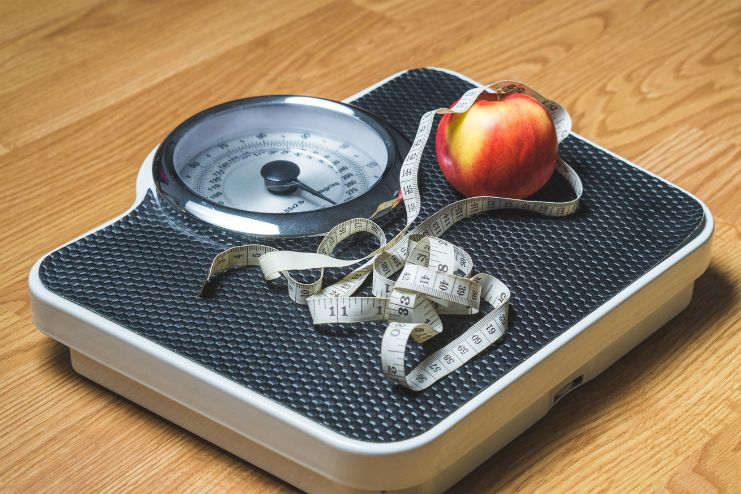
The weight loss industry is rife with advice, quick fixes, and bold promises, many of which lack scientific backing. In today’s fast-paced, image-driven society, myths like “miracle diets” and “skipping meals will melt away pounds” often lead to frustration, confusion, and unhealthy behaviors.
Believing these myths can be detrimental, hindering progress, damaging metabolism, setting unrealistic expectations, and causing both physical and emotional burnout. Many find themselves trapped in a cycle of fad dieting and disappointment due to misinformation.
Debunking these widespread fallacies is crucial. Eliminating false information empowers individuals with factual, scientifically supported knowledge, paving the way for healthier lifestyle choices, long-term wellness, and sustainable weight loss.
When trying to lose weight, people may encounter many misconceptions and bad methods, which can make things worse. Due to the strain they put on you, these can keep you from succeeding.
Dr. Felix Spiegel, MD, a general and bariatric surgeon with Memorial Hermann NewStart Surgical and Medical Weight Loss, advises people attempting to lose weight to stop blaming themselves.
Read More: Banana at Night for Weight Loss: Good Idea or a Mistake?
Myth 1: The More You Exercise, the More Weight You’ll Lose

The idea that increasing exercise will inevitably result in quicker weight loss is one of the most prevalent misconceptions. Many people, particularly those just starting to exercise, think that more is always better. Social media is flooded with videos of hard, demanding workouts that frequently present exhaustion as a badge of honor.
However, this “no pain, no gain” mindset ignores an important reality: your level of fatigue following a workout doesn’t indicate actual fitness improvement. True progress results from meticulously calibrated training that gradually produces measurable gains.
When we focus solely on intensity—pushing harder, exercising longer, and lifting heavier without adequate rest—we risk injury, burnout, and performance decline. Effective training is about enjoying the process and making consistent progress, not just surviving the workout.
Training should always aim to induce positive, targeted changes. This means designing exercises that complement each person’s physique, goals, and lifestyle to establish a strong foundation of strength, resilience, and endurance. It’s about gradually working toward improvements that have lasting effects, not about pushing someone to exhaustion.
Consider athletes at the peak of their abilities. Rather than constantly pushing themselves to the limit, they balance work and rest, emphasizing proper form, precision, and mental focus. This approach allows them to maintain optimal performance without experiencing the negative effects of overtraining.
Myth 2: Carbohydrates Are the Enemy
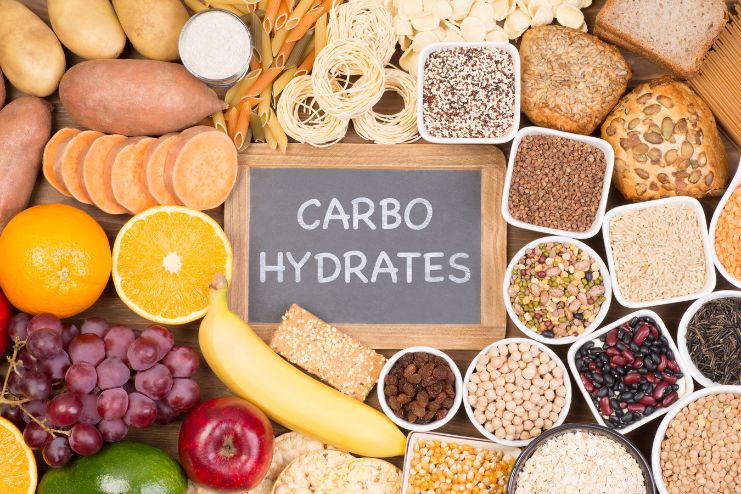
The idea that all carbohydrates are enemies in the fight against weight loss oversimplifies one of the most essential nutritional concepts.
Carbohydrates include sugars, starches, and fiber, and along with protein and fat, they are one of the three essential macronutrients. The body requires a balanced intake of all macronutrients to remain healthy.
Nutrition experts categorize carbohydrates as either “simple” or “complex.” Complex carbohydrates, such as lentils, brown rice, and whole grains, don’t cause blood glucose levels to spike rapidly. Simple carbohydrates found in sugary sodas, white bread, and cookies cause blood sugar levels to rise quickly.
While health professionals suggest moderating carbohydrate intake—as the typical American diet derives about 55% of its calories from carbs—completely eliminating them is unnecessary and potentially harmful.
Carbohydrates are essential for providing the body with energy for daily activities. They serve as the body’s primary fuel source, supporting efficient muscle function and proper brain activity. Completely cutting out carbohydrates may result in malnutrition, fatigue, and overall dietary imbalance.
The myth that all carbohydrates cause weight gain ignores the fiber and nutritional benefits of complex carbohydrates. Fruits, vegetables, and whole grains help promote satiety, which aids in weight management. The key is making informed decisions and selecting nutrient-dense carbohydrates that support sustained energy levels and overall well-being.
According to a 2018 study in Nutrients, individuals who had a high-carb, plant-based diet (about 70% of daily calories) for four months saw improvements in their body composition, including a decrease in body fat.
In a different study, higher carbohydrate intakes, particularly those with more fiber, when included in a calorie-controlled diet, were found to be significantly associated with successful weight loss in those at risk for diabetes. According to Alissa Rumsey, M.S., R.D., a founder of the Alissa Rumsey Nutrition and Wellness in New York City, “This just shows that no one food will make you get fat, just like no one food can make you thinner.”
Read More: Cinnamon Water for Weight Loss: How It Works and When to Drink It
Myth 3: Skipping Meal Helps in Weight Loss

Whether it’s working through lunch, skipping breakfast, or following intermittent fasting trends, missing meals can negatively affect a person’s health. Every system in your body depends on food for energy, so it’s critical to provide it with proper nutrients.
Skipping meals is not an ideal method for losing weight and maintaining health, whether you’re doing it intentionally due to weight concerns or accidentally due to a busy schedule. In fact, this strategy often backfires.
While people believe they can lose weight by missing meals, the primary focus should be on overall daily caloric intake. The problem is that when we skip meals, our body responds by slowing down metabolism and increasing the production of enzymes that promote fat storage in an effort to conserve energy.
According to a study in Current Obesity Reports, skipping breakfast and consuming little fiber may increase the risk of developing heart disease, gallbladder problems, and other health issues. Additionally, researchers found that weight loss achieved through intermittent fasting was equivalent to simply limiting daily caloric intake.
Remember that nutrition is highly individual. Working with a licensed dietitian is the best approach for creating an eating plan that meets your specific health needs and goals.
Myth 4: Weight Loss Supplements Are Magic Solutions

The World Health Organization (WHO) reports that since 1975, the prevalence of obesity has nearly tripled globally. This trend has skyrocketed sales of poorly regulated and inadequately studied herbal and nutritional weight loss supplements.
According to recent study published in the Obesity, the flagship journal of The Obesity Society (TOS), there is insufficient evidence to support claims that dietary supplements and alternative therapies aid in weight loss in adults, despite Americans spending billions on them.
An estimated 34% of Americans attempting to lose weight have used one of the hundreds of available weight-loss supplements, including conjugated linoleic acid, guar gum, chitosan, and green tea extract.
Researchers from University of Sydney (USYD) in Australia recently presented the first global evaluation in 19 years on the effectiveness of dietary and herbal supplements for weight loss at the European Congress on Obesity (ECO).
The study, which included two literature reviews and 121 randomized placebo-controlled trials with over 10,000 overweight or obese participants, found inadequate evidence that herbal and dietary supplements result in clinically meaningful weight loss.
Although over-the-counter herbal and dietary supplements marketed for weight loss are becoming increasingly popular, unlike prescription medications, they don’t require clinical proof of efficacy and safety before going to market.
Regulations to protect consumers from unsubstantiated claims are often lacking. For example, while the Food and Drug Administration (FDA) is ultimately responsible for ensuring the safety of dietary supplements, it has limited authority to do so before they reach the market.
Read More: This One Sleep Habit Could Be Sabotaging Your Weight Loss Goals (And How to Fix It)
Myth 5: Cardio is Best Exercise for Weight Loss

While aerobic activities like swimming, cycling, and running are excellent for burning calories, it’s a common mistake to believe that cardio is the only effective way to lose weight. Strength training is essential—and often underestimated—for long-term, successful fat loss.
Building lean muscle mass through strength training increases your resting metabolic rate, which means your body burns more calories even when you’re not actively exercising. When combined with cardio, strength training creates a more well-rounded and effective exercise program that enhances strength, improves body composition, and aids in weight loss.
Your body engages muscles differently for each type of workout, so it makes sense to incorporate various exercises into your overall fitness regimen. To maximize weight loss, combine strength training and cardiovascular exercise with a balanced diet that creates a daily caloric deficit.
To achieve this, consider doing strength training at least twice a week and aerobic activities on most days. Include two or three different aerobic exercise types in your cardio routine—run one day, swim the next, cycle another day, and select two different exercise classes for the remaining days.
Doing hundreds of rides or runs is a great accomplishment, but remember to factor in rest days to reach your fitness objectives. “Most people use cardio as an initial approach,” says Dr. Jared Bunch, a cardiologist from the Salt Lake City, Utah, a member of Sports and Exercise Cardiology Section & Leadership Council of the American College of Cardiology.
Myth 6: Eating After a Certain Time Leads to Weight Gain

It’s a common misconception that eating beyond a specific time, such as 6 or 8 p.m., inevitably results in weight gain. For weight management, the total number of calories consumed throughout the day matters more than the precise timing of meals.
Your body doesn’t automatically start storing extra fat at night just because it’s late. Weight gain occurs when you consistently consume more calories than you burn, regardless of the time of day. For many people, eating late at night only becomes problematic when it involves emotional eating or mindless snacking, which often leads to consuming excess calories.
Instead of worrying about timing, focus on developing mindful eating habits, including awareness of hunger cues, appropriate portion sizes, and food quality. A well-planned, balanced diet that fits your schedule and lifestyle is far more beneficial for long-term health and weight management than strict meal timing rules.
Read More: Beyond Weight Loss: The Role of Nutrition in Enhancing Mental Health
Myth 7: Crash Diets are Effective for Long-Term Weight Loss

Rapid weight loss often seems appealing. Many of us find it easier to drastically restrict our eating to achieve quick, visible results rather than make long-term, sustainable lifestyle changes. However, you must weigh the risks of rapid weight loss, especially with so-called “crash” diets, against any potential benefits.
Crash diets are extreme eating regimens that typically involve eliminating specific foods or entire food groups from your diet. Following a crash diet can be challenging, and maintaining it long-term can be even more difficult.
One of the main drawbacks of crash diets is that they frequently lead to long-term weight regain. While they may work initially, crash diets aren’t sustainable, so weight loss from these approaches is almost always temporary. This occurs because weight loss on crash diets primarily results from muscle and water loss rather than fat loss.
Malnutrition occurs when your diet lacks essential macronutrients (such as fat, carbohydrates, or protein) or micronutrients (such as vitamins and minerals).
The food you eat can influence your mood. Certain restrictive diets and nutrient deficiencies can increase the likelihood of anxiety, depression, and irritability. Additionally, crash diets can cause fatigue and impair concentration. Focusing intensely on a crash diet may also interfere with social relationships and family time.
For long-term success, you must make gradual and sustainable changes. Prioritize mindful eating, regular exercise, portion control, and a balanced diet. While it may take time to develop these habits, they support lasting weight loss, improved well-being, and a healthy relationship with food.
Myth 8: Certain Foods Can Burn Fat
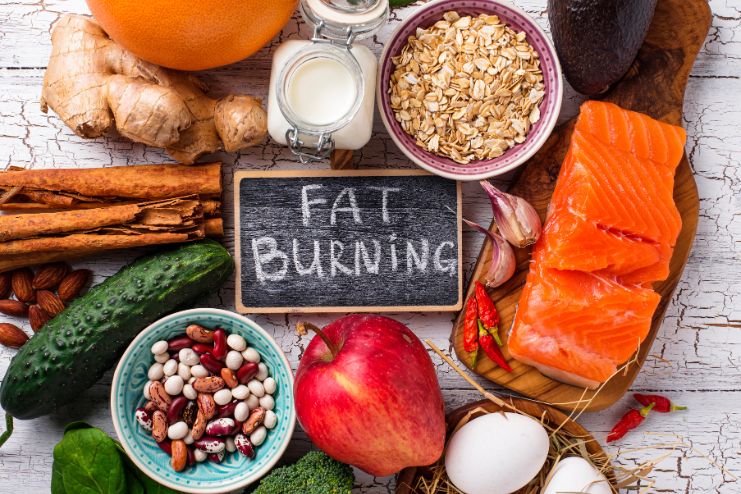
Among the many harmful weight loss myths, the belief that miracle foods or food combinations can melt away excess body fat stands out. To lose weight effectively, focus on making small, manageable lifestyle adjustments.
If you’re carrying excess weight, the most effective long-term approach to losing pounds and maintaining a healthy weight involves making dietary changes and increasing physical activity.
A common weight loss myth suggests that certain “fat-burning” foods, such as green tea, chili peppers, or grapefruit, can melt away pounds. While some foods might temporarily boost metabolism or reduce appetite, no miracle food burns fat instantly. Believing in this myth can lead to unrealistic expectations and unbalanced diets.
The key to weight loss is creating a caloric deficit—burning more calories than you consume. This fundamental principle cannot be overridden by any single food, no matter how “super” it may be.
“Cutting calories is crucial when trying to lose weight,” says Audra Wilson, a bariatric dietitian at Northwestern Medicine, MS, RD, CSOWM, LDN, CSCS. “Healthy foods, like all foods, contain calories, and overeating any nutrient will only result in storing that excess energy as fat.”
Relying solely on supposed fat-burning foods while neglecting overall calorie intake and nutrition balance may actually hinder your progress. Instead of searching for miraculous foods, focus on creating a balanced diet consisting of fruits, vegetables, various whole grains, lean proteins, and healthy fats.
Read More: 6 Proven Strategies to Overcome Weight Loss Plateaus
Conclusion
In this article, we have addressed some of the most prevalent myths about weight loss. These false beliefs can mislead people, impede progress, and even harm physical and mental health.
By understanding the truth about these misconceptions, we can make better, more informed decisions. It’s essential to rely on evidence-based information rather than trends or promises of quick fixes. Sustainable weight loss depends on balance, consistency, and healthy habits rather than drastic measures.
Remember that lasting change comes from understanding the science behind weight management and making informed choices that support your long-term health and well-being.
References
- https://thenakedmiler.com/2013/11/11/quality-vs-quantity-what-is-the-difference/
- https://www.uclahealth.org/news/article/explaining-difference-between-good-and-bad-carbs
- https://hsph.harvard.edu/news/nutrition-news-carbohydrates-willett-hu/
- https://my.clevelandclinic.org/health/articles/15416-carbohydrates
- https://pmc.ncbi.nlm.nih.gov/articles/PMC10200470/
- https://www.who.int/news-room/fact-sheets/detail/obesity-and-overweight
- https://sph.unc.edu/sph-news/review-shows-minimal-evidence-that-dietary-supplements-lead-to-weight-loss/
- https://www.medicalnewstoday.com/articles/insufficient-evidence-that-weight-loss-supplements-work
- https://ods.od.nih.gov/factsheets/WeightLoss-HealthProfessional/
- https://www.contemporaryclinic.com/view/study-shows-no-significant-evidence-for-the-efficacy-of-herbal-dietary-weight-loss-supplements
- https://www.medicalnewstoday.com/articles/strength-training-for-weight-loss
- https://www.healthline.com/health/how-much-cardio-to-lose-weight#variety-is-best
- https://pmc.ncbi.nlm.nih.gov/articles/PMC9010393/
- https://www.nih.gov/news-events/nih-research-matters/how-timing-eating-affects-metabolism-weight-gain
- https://www.health.harvard.edu/staying-healthy/harvard-study-curb-late-night-eating-to-stave-off-weight-gain
- https://www.obesityaction.org/resources/the-risks-of-the-crash-diet/
- https://www.goodrx.com/well-being/diet-nutrition/crash-diets
- https://www.niddk.nih.gov/health-information/weight-management/myths-nutrition-physical-activity
- https://www.betterhealth.vic.gov.au/health/healthyliving/weight-loss-common-myths
- https://memorialhermann.org/health-wellness/health/obesity-myths
- https://www.nm.org/healthbeat/healthy-tips/fitness/weight-loss-misconceptions
- https://chicagohealthonline.com/are-carbs-the-enemy-6-myths-about-carbs/
In this Article