













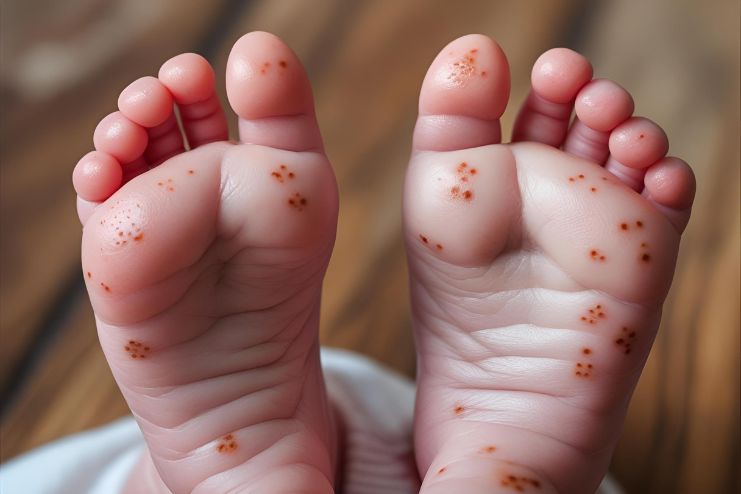
As parents, we often come across several occasions where we feel anxious. And this is especially true when we see our kids in pain or distress. Imagine your toddler spikes a sudden fever. By evening, you see tiny red spots across their tiny hands and feet. By morning, they’re crying in pain after every sip of juice. It’s unsettling, especially if you’ve never seen these symptoms before. You might mistake it for chickenpox or an allergic reaction? Or is it something more serious?
We might have the answer to all your concerns. Most likely, the symptoms suggest that your toddler has hand-foot-and-mouth disease (HFMD) — a prevalent but perplexing viral illness that goes around like hotcakes in daycares and playgrounds.
HFMD can make kids feel terrible and parents dazed with questions:
- Is hand-foot-and-mouth contagious?
- How long does it last?
- Should I take my child to the doctor, or just tough it out?
This article provides parents with a clear, practical, and science-based summary of all they want to know about HFMD: from initial symptoms to recovery tips, home care ideas, and prevention methods to prevent it from spreading in your home or classroom.
Read More: 10 Most Important Vaccines For Babies – Gift Them A Healthy Future Today!
What Is Hand-Foot-and-Mouth Disease?
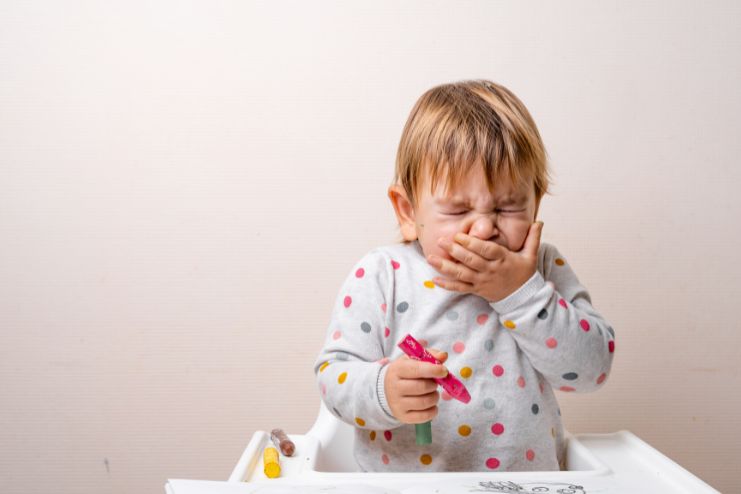
Hand-foot-and-mouth disease (HFMD) is a viral illness in toddlers and young children, usually caused by Coxsackievirus A16 or Enterovirus 71. These viruses are part of the enterovirus family and are contagious.
Although HFMD primarily occurs in children under age 5, older children and adults can get it, too, although they tend to have milder symptoms.
Where It Spreads:
- Daycare centers
- Preschools
- Playgrounds
- Households with several children
How It Spreads:
HFMD spreads through:
- Saliva
- Nasal mucus
- Blister fluid
- Feces
- Respiratory droplets
Infections may happen due to direct contact, contact with contaminated surfaces, or inhalation of virus particles. Individuals are most contagious in the initial week of getting sick, but the virus is able to survive in stool for weeks.
Read More: Everything You Need to Know About Diaper Rash
Common Symptoms of HFMD
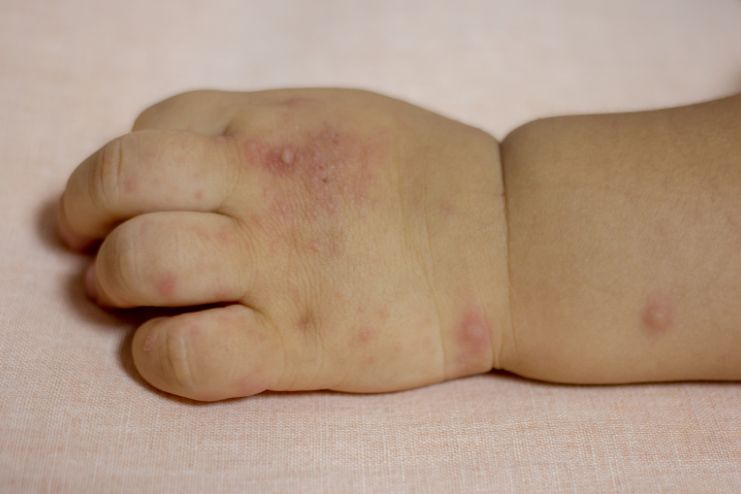
Symptoms of HFMD tend to be visible 3 to 6 days after getting infected, which start as a fever that later leads to more typical symptoms:
- Fever (typically mild to moderate)
- Painful sores in the mouth (on the tongue, gums, and inner cheeks)
- Rash or small blisters on the hands and feet, and sometimes buttocks
- Sore throat and drooling (particularly in younger children)
- Loss of appetite and irritability
What It Looks Like:
- Red spots that develop into fluid-filled blisters
- Mouth ulcers may resemble canker sores.
- Rash is flat or bumpy and usually does not itch.
Parent Tip: Children can refuse food and liquids when they have painful mouth sores. Provide cold, plain items and watch for dehydration signs like dry lips or fewer wet diapers.
Is Hand-Foot-and-Mouth Contagious?
The very question that pops into our minds after a child is diagnosed with HFMD is, “Is it contagious?” The answer is yes, and it spreads fast and easily.
How HFMD Spreads?
- Before symptoms appear: During the incubation period, typically a day or two before any visible signs
- While symptoms are present: Especially during fever, rashes, or blisters
- After recovery: The virus can continue to shed in stool for several weeks.
- Through close contact: Hugging, sharing toys, or being in crowded, enclosed spaces.
- Via bodily fluids, such as:
- Saliva
- Mucus
- Fluid from blisters
- Stool
Preventing the spread involves proper hygiene measures.
How Long Does It Last?
Most children will recover from HFMD within 7 to 10 days, although some symptoms may persist a little longer.
Timeline of Infection:
- Days 1–3: Fever, sore throat, decreased appetite
- Days 3–5: Mouth ulcers, skin rash appear
- Days 5–10: Symptoms ease and heal
Complications are unlikely but can occur in low-immunity children. Otherwise, healthy children have no long-term consequences.
Read More: Rethinking Baby Food: The Hidden Dangers of Ultra-Processed Choices
Treatment: What Parents Can Do

No antiviral medication is available for HFMD. The disease often resolves spontaneously, and treatment is aimed at reducing symptoms and maintaining hydration.
Home Care Tips:
Here are a few effective ways parents can help their kids suffering from HFMD:
There is no antiviral treatment for HFMD. The disease will run its course, and management is thus directed to pain relief and hydration. Here are a few home care tips that help you care for your child who has HFMD.

- Pain Management:
Pain control is a priority since fever and mouth sores irritate children and cause them to refuse food.
Acetaminophen or ibuprofen should be used to decrease fever and ease pain in HFMD. Strictly follow age-related dosing recommendations.
Avoid aspirin, which is associated with Reye’s syndrome — an uncommon but severe illness that involves the liver and brain.
- Comfort Foods:
Eating itself can become a real challenge in HFMD. Opt for comforting, non-irritating foods to keep your child well fed:
- Provide cold foods such as popsicles, smoothies, cold applesauce, or ice water, these act to numb pain in the mouth.
- Opt for bland, soft foods such as mashed potatoes, oatmeal, yogurt, scrambled eggs, and pureed fruits.
- Steer clear of citrus fruits, tomato sauces, hot foods, chips, crackers, or anything else that might nip mouth sores.

- Fluids:
Keeping the child well-hydrated is important, particularly if he has a fever or is not eating. Try these tips to make fluids more exciting:
- Provide frequent small amounts of cold water during the day.
- Give oral rehydration solutions (such as Pedialyte) to restore lost fluids and electrolytes.
- Experiment with ice chips, frozen electrolyte pops, or coconut water as milder options.
You can try this Weighted straw sippy cup for your baby.
- Home Remedies (Supportive):
Although there’s no treatment for HFMD, a variety of home remedies may help reduce discomfort:
- Coconut water is extremely hydrating and has gentle electrolytes.
- In kids over age 4, a saltwater gargle helps to soothe sore mouth ulcers.
- In children over 1 year, a spoonful of honey may coat the throat and suppress coughing or soreness.
When to See a Doctor
HFMD, in most instances, will not need medical care. But call your pediatrician if your child:
- Has had a temperature for over 3 days
- Refuses fluids or becomes dehydrated
- Is excessively sleepy or cranky
- Is getting a fast-spreading rash or the rash appears infected
- Is having difficulty breathing or swallowing
Additional Advice

Prevention of the transmission of HFMD is particularly vital in multi-child households or daycare settings.
What Parents Can Do:
As a parent, you must take the following steps to treat and take care of your children.
- Keep kids at home until the fever has passed for 24 hours and the mouth sores are healed.
- Sterilize toys, countertops, and other common surfaces.
- Wash hands often, particularly after diaper changes or blowing the nose.
- Don’t share utensils, towels, or cups.
- Encourage kids to cover their coughs and sneezes.
- Follow regular hygiene habits to effectively prevent the disease.
Yes. Immunity after HFMD is strain-specific, meaning if your child had it once, they can still catch a different strain of the virus in the future.
Multiple infections are uncommon but possible, especially in children exposed to high-contact environments.
Final Thoughts

While children with hand-foot-and-mouth disease may seem ominous, it’s a mild, self-limiting condition in most cases. With some information, proper home remedies, and cleanliness, most families get through HFMD without incident.
A recap of Important Points for Parents:
- HFMD is contracted through Coxsackievirus or enterovirus and is easily contagious.
- It presents with fever, mouth ulcers, and rashes on hands and feet.
- There is no cure; prioritize fluid intake, rest, and comfort.
- Kids are most contagious during the first few days, but remain contagious after recovery.
- Practicing good hygiene and staying home when sick are the best ways to prevent transmission.
- Seek medical care if the condition worsens or the child appears dehydrated or extremely tired.
If unsure, follow your instincts. If your child is not getting better, check with the pediatrician for his expert guidance.
References
- https://ncdc.mohfw.gov.in/wp-content/uploads/2024/04/Hand-Foot-and-Mouth-disease.pdf
- https://www.oaklifefamilyclinic.com.sg/post/navigating-hfmd-in-kids-post-recovery-and-preventative-care-in-singapore
- https://www.cheerschildcare.com/what-food-to-give-baby-during-cold-and-cough
- https://www.asterhospitals.in/blogs-events-news/aster-whitefield-bangalore/conquer-hand-foot-and-mouth-disease-parents-toolkit
- https://kidshealth.org/en/parents/reye.html
- https://www.oaklifefamilyclinic.com.sg/post/navigating-hfmd-in-kids-post-recovery-and-preventative-care-in-singapore
- https://www.sakraworldhospital.com/symptom-detail/hand-foot-and-mouth-disease
In this Article