












In a hustle-crazed, speed-obsessed culture where maximum effort is glorified, slowing down is often mistaken for failure. But if your body’s always jacked up, your sleep’s fitful, your mood’s volatile, and resistant belly fat refuses to budge, your stress hormone cortisol might be in charge.
We sometimes assume that exercise is always a stress reliever. But reality is different. Not all movement reduces cortisol. Some high-intensity exercise spikes it even further, leaving you drained rather than energized.
Fortunately, there’s another way—one based on softness, breath, and presence. In this article, we learn about evidence-based, nervous system-supporting exercises that not only create strength but also calm your stress response, rebalance hormones, and get you feeling grounded once more.
What Is Cortisol and Why Should You Care?
Cortisol is your body’s main stress hormone, secreted in response to peril, stress, or threatened danger by the adrenal glands. It is key to survival—heightening concentration, mobilizing energy, and controlling blood pressure.
When cortisol levels remain elevated for extended periods, thanks to chronic stress, sleeplessness, or emotional pressure, it starts to turn against you.
High cortisol can show up in the following ways:
- Fatigue and burnout
- Compromised immune system
- Higher belly fat and increased weight gain
- Irritability and anxiety
- Blood sugar imbalances
- Hormonal disruption
- Insomnia and poor sleep quality
If left untreated, this imbalance of hormones leads to long-term problems like metabolic syndrome, depression, and cardiovascular disease. That’s why learning to manage cortisol with natural lifestyle changes, such as physical movement, is critical.
How Movement Affects Cortisol Levels

Exercise can indeed lower stress, but not necessarily. The interaction between movement and cortisol is dose- and context-dependent.
Here’s what the science reveals:
Steep workouts, such as HIIT or long-distance running, are likely to spike cortisol in the short term, particularly when performed fasted or with insufficient rest.
Rhythmic, or breath-inspired movement, in contrast, activates the parasympathetic nervous system (also known as “rest and digest” mode), which has the effect of reducing cortisol and balancing the hypothalamic-pituitary-adrenal (HPA) axis.
The secret is in the sensation of the movement to your nervous system. With mindful exercise that is low-impact and restorative, your body gets the message of safety, and safety is what impacts the body’s stress response.
Read More: What Is Somatic Yoga? A Beginner’s Guide to This Gentle Movement Practice
Top Cortisol-Lowering Exercises (Science-Backed)
Here are five science-backed movements demonstrated to soothe the nervous system, lower stress hormones, and restore emotional and hormonal balance.
1. Gentle Yoga
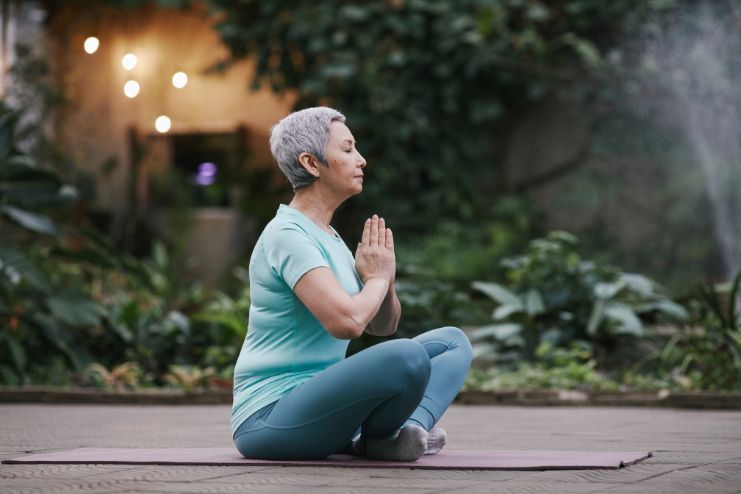
Yoga is not only for flexibility—it’s a powerful tool for physiological and mental regulation. Certain postures stimulate the vagus nerve and enhance parasympathetic tone, leading to a decrease in cortisol levels.
Why it Works:
Asanas such as Legs-Up-The-Wall, Child’s Pose, and Cat-Cow stimulate the baroreceptors that regulate blood pressure and soothe the heart rate.
A 2013 trial revealed that participants practicing yoga had significantly lower cortisol levels and better mood than non-practitioners.
Yoga also reduces inflammatory markers and boosts GABA, a soothing neurotransmitter.
Best for: Nighttime wind-down, post-work stress release, and bedtime routines.
Pro Tip: Opt for slower styles such as Yin, Hatha, or Restorative Yoga over Power or Vinyasa if nervous system recovery is your aim.
2. Leisure Walking (Particularly in Nature)

Brisk walking, particularly in nature, is one of the most overlooked yet useful forms of stress relief movement.
Why it Works:
- Walking promotes heart rate variability, an important indicator of stress resilience.
- Being in nature decreases cortisol levels substantially, a theory referred to as “green exercise.”
- It also reduces ruminative thinking, promotes lymphatic circulation, and maintains your circadian rhythm, leading to improved sleep.
Recommended for: Early morning sunlight strolls to reset your sleep-wake cycle or post-lunch walks to overcome the slump.
Pro Tip: Don’t take your phone with you. Listen to natural sounds, your breath, and your footsteps to tap into maximum parasympathetic effect.
Read More: The Power of “Awe Walks” – How Experiencing Wonder Can Reduce Stress
3. Movement Led by the Breath (Tai Chi, Qi Gong)

Tai Chi, Qi Gong are ancient body-mind exercises that provide slow, purposeful movement with awareness of breath and inner focus.
How it Works:
- Tai Chi and Qi Gong have been found to decrease cortisol, blood pressure, and anxiety and depression.
- These practices help you to move in sync with diaphragmatic breathing, building vagal tone.
- These are particularly good for older adults, those with chronic disease, or anyone wanting to ease back into exercise.
Ideal for: Morning energy regulation or de-stressing mid-afternoon when stress levels peak.
Pro Tip: Even 10 minutes a day is enough. Combine with nature if possible, practice barefoot on grass for grounding effects.
4. Somatic Movement and Freeform Stretching
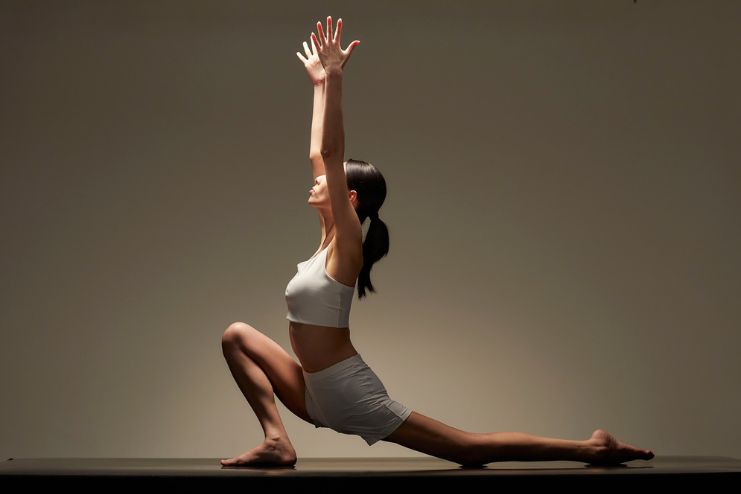
Somatic movement or somatic yoga is a trauma-sensitive, intuitive form of physical release based on sensation rather than appearance.
Why it Works:
- It stimulates inner awareness and releases bodily tension, trauma, and emotional stress gently.
- Movements tend to be wavelike and non-linear, which include soft spine rolling, pelvic tilts, or minute shaking.
- It helps restore the sensory-motor balance, which tends to be compromised if we are under continuous stress.
Best for: Gearing up the body in the morning or unwinding after a hectic workday.
Pro Tip: Experiment with a “body scan + movement” combination: begin with some minutes of quiet, followed by movement that your body naturally demands—no rules, no routine.
5. Low-Intensity Strength Training

Strength training does not have to be stressful, as most of us think. When done with awareness, it can nourish hormonal health while keeping cortisol levels in check.
Why it Works:
- Lifting moderate or even lighter weights with good rest between reps and controlled reps can decrease cortisol and increase endorphins.
- It develops metabolic resilience, improves insulin sensitivity, and enhances mood, without the hormonal bedlam of overtraining.
- It’s particularly beneficial during midlife changes (e.g., perimenopause) when strength loss and cortisol sensitivity happen.
Best for: 2–3 times/week in the morning or early afternoon.
Pro Tip: Avoid fasted training or back-to-back sessions. Include breath-led warm-ups and mobility drills to keep the nervous system calm.
When Exercise Spikes Cortisol (And How to Avoid It)

Not all movements give results when you’re already stressed. The following can cause cortisol spikes:
- High-Intensity Interval Training (HIIT)
- Extended cardio (>45 minutes)
- Quick strenuous workouts
- Daily intense sessions without recovery
These styles aren’t bad in and of themselves, but when practiced without complementing rest, they can fuel anxiety, interfere with sleep, and contribute to hormonal imbalance.
How to remain safe:
- Pair intensity with your load of stress, not your fitness ambition.
- If sleep, appetite, and mood are not in line, prioritize more gentle movement.
- Very intense days with restorative techniques.
Read More: Balance Your Stress: The Top 6 At-Home Cortisol Tests for Stress Management
Tips to Make Any Movement Cortisol-Friendly
You can convert nearly any workout into a cortisol-reducing one by tweaking your environment, attitude, and pacing.
Here’s how:
- Breathe in through your nose and exhale for a longer time to activate the vagus nerve.
- Stay away from loud music, bright lights, or competitive atmospheres. Find peaceful environments.
- Focus on quality over quantity. Eliminate measures such as calorie burn or step count.
- Take breaks between sets or postures to listen to your body.
- Get comfortable with stillness. Rest can be the strongest movement of all at times.
How Often Should You Do Cortisol-Lowering Workouts?
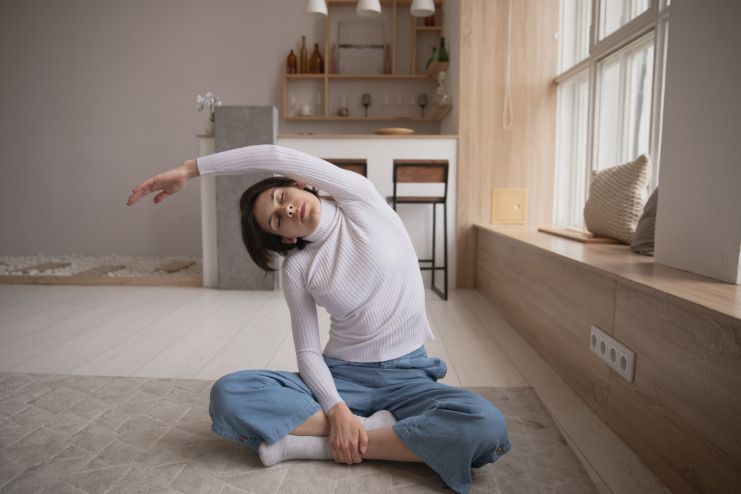
Consistency trumps intensity in nervous system regulation.
Recommended frequency:
- 3–5 times a week of stress-reducing movement (yoga, walking, stretching, etc.)
- Daily micro-doses of 15–30 minutes tend to be more effective than less frequent, longer workouts.
- Pair movement with other healthy habits that reduce cortisol, such as nutrient-rich foods, deep sleep, nature time, and social connection
Final Thoughts: Calm Is a Strength, Too
You don’t need to destroy your workouts to create a stronger body or mind. Sometimes, the most restorative kind of movement is the kind that whispers, not screams.
By changing your perspective from “no pain, no gain” to “how can I feel more at home in my body?”, you open yourself up to a more sustainable journey to health. One that reduces cortisol. One that restores energy. One that feels good not only afterwards, but while you’re doing it.
The best exercise for stress? The one that leaves you feeling connected, not depleted. Calm, not crumpled. Clear, not cluttered.
References
- https://www.physio-pedia.com/FITT_Principle
- https://musclesquad.com/blogs/weight-lifting-strength-training/how-strength-training-can-relieve-stress
- https://musclesquad.com/blogs/weight-lifting-strength-training/how-strength-training-can-relieve-stress
- https://www.onepeloton.com/blog/somatic-movement/
- https://pmc.ncbi.nlm.nih.gov/articles/PMC3917559/
- https://www.physio-pedia.com/Nature_Therapy
- https://www.hopkinsmedicine.org/health/wellness-and-prevention/9-benefits-of-yoga
- https://www.frontiersin.org/journals/human- neuroscience/articles/10.3389/fnhum.2015.00281/full
- https://massh.in/blogs/learn-about-cortisol-the-bodys-stress-response-regulator
In this Article