












Malaria isn’t just a high fever that passes with pills—it takes a serious toll on your body. Even after the parasite is cleared, symptoms such as weakness, nausea, and a low appetite can persist for days or weeks. And without the right post-illness care, recovery can drag on much longer than expected.
That is why your diet during malaria recovery is as critical as your medication. The right type of foods help your body recover lost nutrients, regenerate red blood cells, help your liver function, and boost immunity—all of which are essential for a full recovery.
Read More: 17 Potent Natural Remedies to Treat Malaria and its Associated Symptoms
Why Nutrition Matters During Malaria Recovery
Malaria drains your body in so many ways. Symptoms such as high fever, vomiting, diarrhea, and sweating cause fluid loss, low hemoglobin, and weakness. Additionally, your liver has to work overtime to remove the parasite and the drugs used to cure the infection.
What you eat while recovering helps:
- Replenish nutrients and electrolytes lost during illness.
- Rebuild red blood cells destroyed or damaged by the parasite.
- Boost your immune system to combat residual inflammation.
- Detoxify your liver from antimalarial drugs.
- Enhance appetite, digestion, and overall energy.
Top Foods to Eat During Malaria Recovery
A well-planned diet can dramatically speed up your recovery period. Here’s a preview of the top foods for malaria patients and how each category supports the recovery of your health.
1. Hydrating Fluids
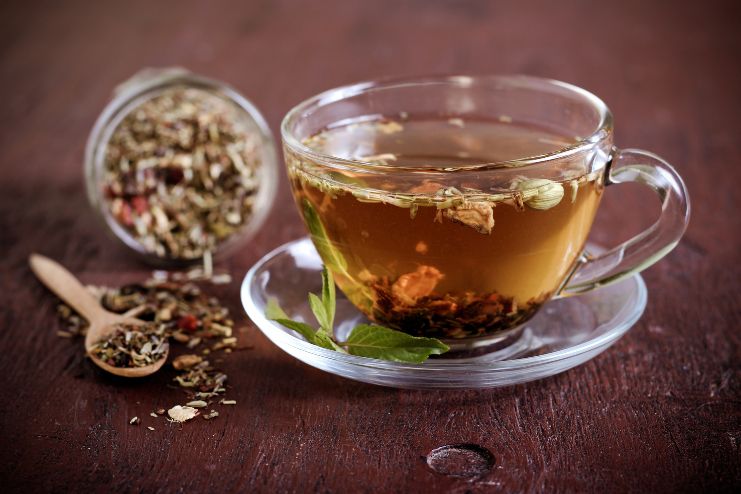
Hydration is your initial line of recovery. Malaria leads to sweating, vomiting, and diarrhea, which can rapidly result in electrolyte disturbance and weakness. Rehydration is necessary to maintain your body’s temperature, wash out the toxins, and avoid complications.
- Coconut water – Natural electrolytes such as potassium and magnesium restore fluid balance
- ORS (oral rehydration solution) – Treats mild dehydration and helps restore sodium
- Vegetable broths or clear soups – Light on the stomach and packed with minerals
- Herbal teas (ginger, tulsi, fennel) – Stimulate digestion, fight inflammation, and soothe nausea
- Lukewarm water with lemon or honey – Increases detox and gently encourages appetite.
Take small amounts regularly, don’t wait till you feel thirsty.
Read More: Unlock the Power of Coconut Water: 10 Health Benefits You Need to Know
2. Easily Digestible Carbohydrates
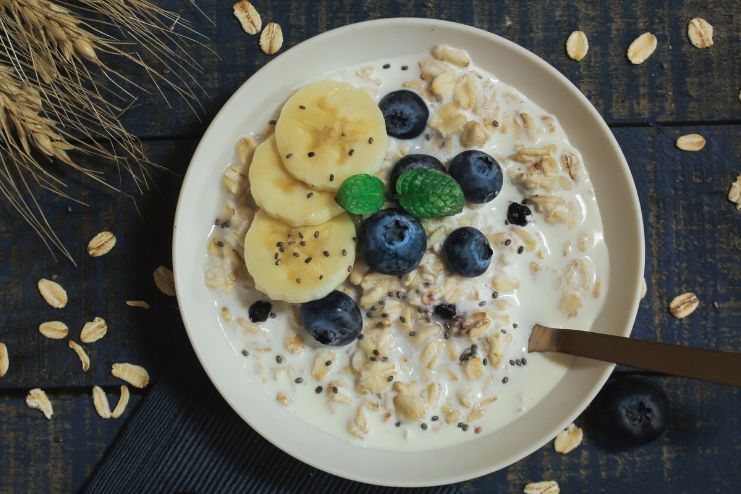
Carbohydrates give necessary energy when your body is too weak to handle heavy food. During recovery from malaria, your gut is still sensitive. Taking soft, plain carbs reduces bloating and stabilizes blood sugar without burdening the gut.
- White rice or rice porridge – Plain and easy to digest, with a boost of energy
- Oats – Gentle on the stomach and an excellent source of soluble fiber
- Plain crackers or toast – Plain foods that can settle nausea
- Ripe bananas or stewed apples – Natural sugars with potassium and added fiber
Try to have 3–4 small carb-based meals throughout the day.
3. Iron-Rich Foods (for Anemia Support)
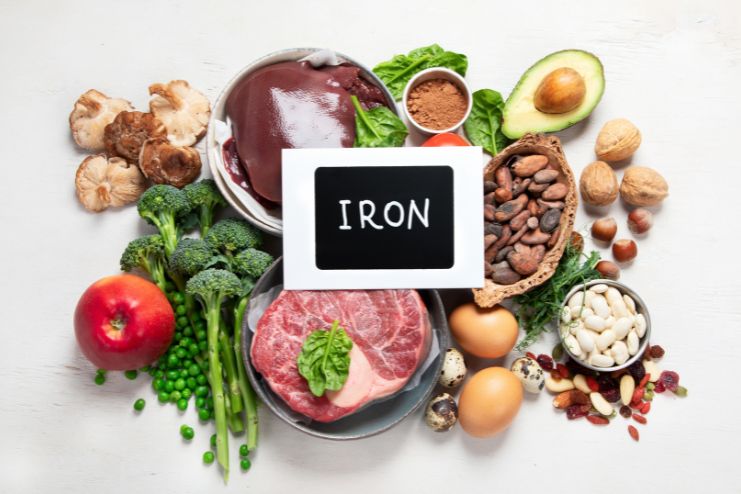
Malaria leads to a fall in hemoglobin and red blood cells, particularly with Plasmodium falciparum infections. Consuming foods that are rich in iron helps support the rebuilding of oxygen-carrying cells, and lessens fatigue and dizziness.
- Leafy greens (spinach, drumstick leaves, moringa) – High in plant-based iron
- Pomegranate, raisins, dates – Sweet and iron-rich for energy
- Lentils, rajma, chickpeas – Provide both iron and protein
- Iron-fortified cereals – Nutrient-rich and easy to digest
Combine iron foods with vitamin C (such as amla or citrus) in order to enhance absorption.
4. Protein for Repair and Strength
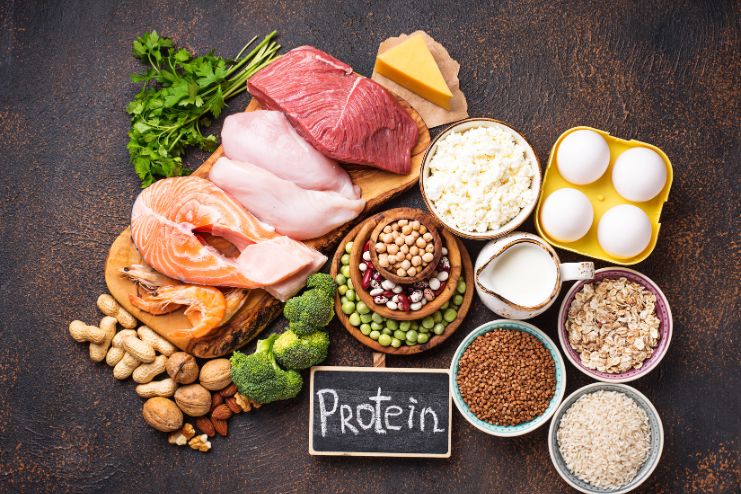
Protein is vital for tissue repair, immune function, and muscle recovery. After weeks of weakness or bed rest, your body needs extra protein to rebuild lean mass and fight off infections.
- Boiled or poached eggs – Complete protein that’s easy to digest
- Moong dal or masoor dal – Gentle on the stomach and rich in amino acids
- Steamed or grilled fish/chicken – Ideal for non-vegetarians recovering from weakness
- Tofu or paneer – Excellent vegetarian substitutes, also high in calcium
- Protein smoothies (banana + nut butter + milk) – Nutritious and easy to swallow if the appetite is poor
Space your protein intake throughout the meals—don’t fill the stomach all at once.
5. Fruits Rich in Vitamin C
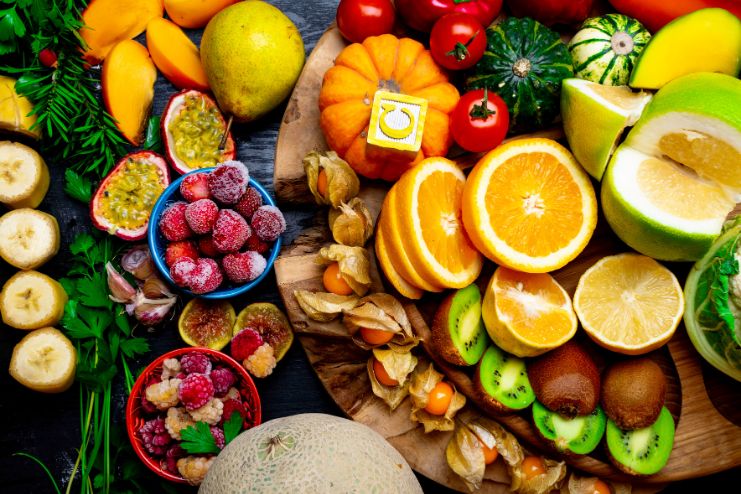
Vitamin C not only helps the immune system but also aids in the absorption of iron by the body. It fights fever and drug-induced oxidative stress, speeds up the healing of tissues, and helps reduce inflammation.
- Guava, oranges, sweet lime (mosambi) – Loaded with vitamin C and water content
- Amla (Indian gooseberry) – A powerful antioxidant, excellent immunity booster
- Berries (strawberries, blueberries) – If available, excellent for controlling inflammation
- Papaya – Sensitive to digestion and increases platelet count
Have a minimum of 1–2 servings of vitamin C fruits every day.
6. Liver-Friendly Vegetables
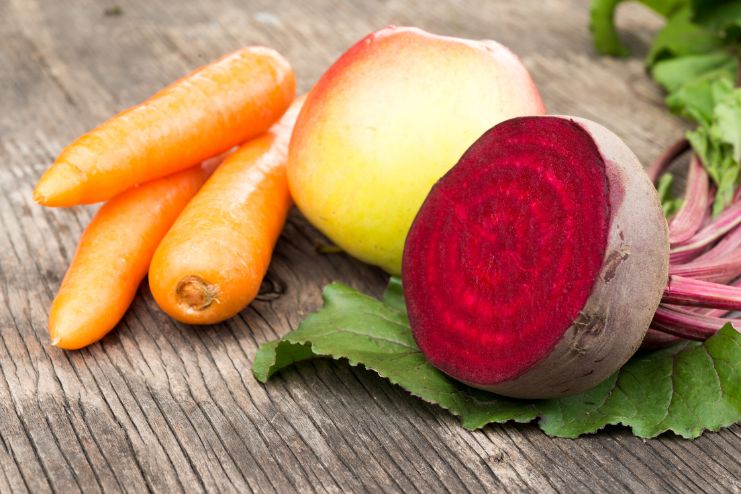
Your liver is working overtime both while and after malaria because it’s processing both the parasite and the medicines used for recovery. Dietary support of liver function reduces toxicity, fatigue, and digestive issues.
- Beetroot and carrot – Excellent source of antioxidants that facilitate liver detoxification
- Bitter gourd (karela) – Used traditionally to purify blood and liver
- Broccoli, cabbage, cauliflower – Anti-inflammatory properties of cruciferous vegetables
- Bottle gourd (lauki), pumpkin – Cooling, soothing, and hydrating
Steam or light sauté with little oil—prevent raw or spicy foods during initial recovery.
Read More: Relationship Between Vitamin Deficiency and Diabetes
7. Healthy Fats (In Moderation)
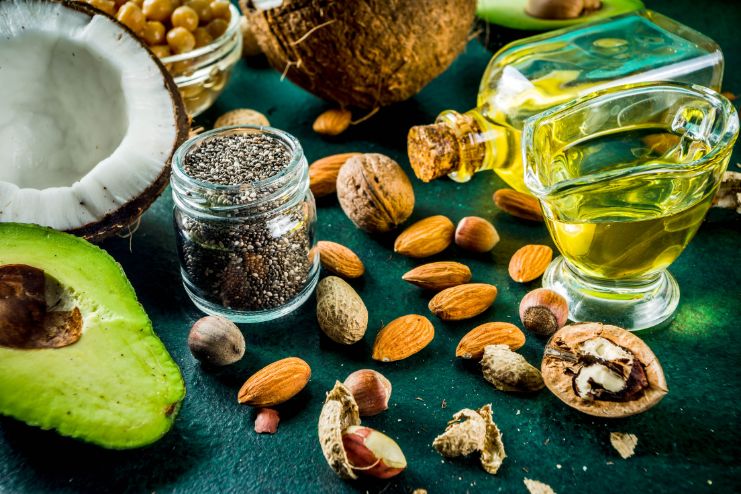
Healthy fats provide necessary calories, aid in hormone balance, and enhance fat-soluble vitamin (A, D, E, K) absorption. But in moderation, because they can overload the liver if taken excessively.
- Ghee – In limited quantity, enhances gut health and provides satiety
- Olive oil – For sautéing vegetables or using as a soup topping
- Soaked nuts (almonds, walnuts) – Offer energy, protein, and good fats
- Chia or flax seeds – Omega-3s for inflammation regulation and digestive aid
Avoid deep-fried foods—choose fats that are clean, natural, and easy on the stomach.
Foods to Avoid After Malaria
Your body is trying to flush out toxins, repair injured cells, and restore immunity during malaria recovery. Even though it is tempting to go back to your favorite comfort foods once you regain your appetite, there are some foods that can interfere with digestion, strain the liver, and hamper the healing process. Here are a few foods you must avoid while recovering from malaria:
1. Oily and Fried Foods
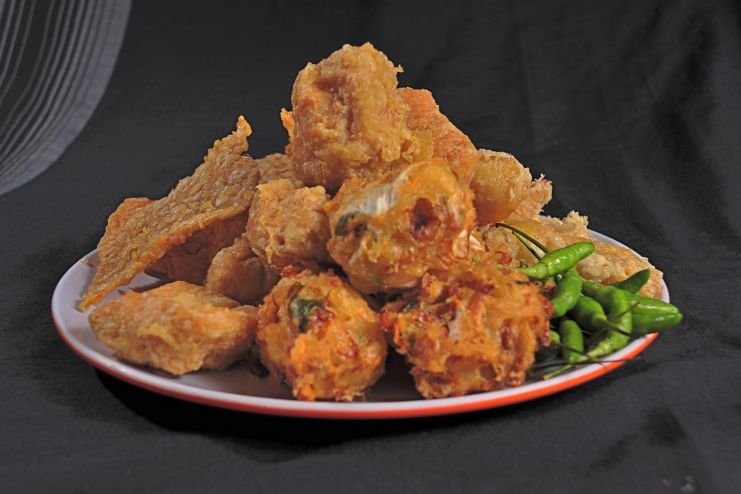
After malaria, your digestive system becomes more sensitive, and the liver is already strained due to drugs and inflammation caused by infection. Eating oily or deep-fried foods can strain digestion, cause bloating, and fatigue by making the liver work harder than required.
Examples: Deep-fried foods such as samosas, pakoras, french fries, puris, oily gravies, fried meat such as sausages and kebabs.
2. Spicy or Acidic Foods
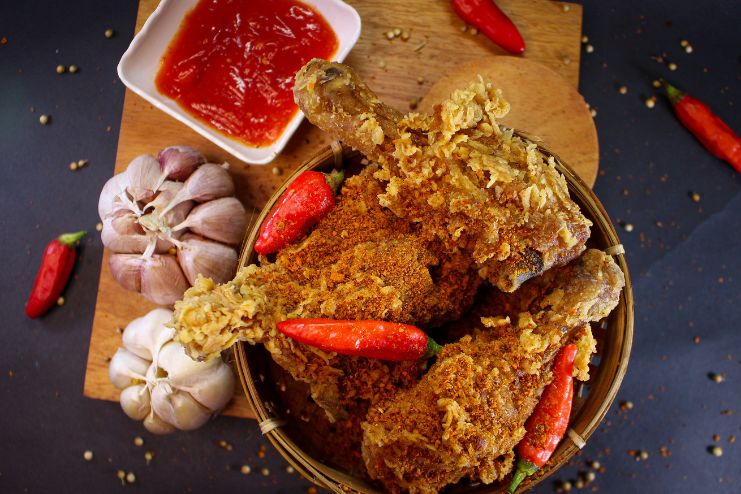
Spicy and acidic foods can irritate the stomach lining. This particularly happens if you’ve experienced nausea, vomiting, or acidity during the infection. These foods may also impact digestion, reduce appetite, and cause digestive issues.
Examples: Dishes made with excessive chili or pepper, vinegar-based pickles, tamarind chutney, hot sauces, or even excessive raw onions.
3. Packaged Snacks and Refined Sugar
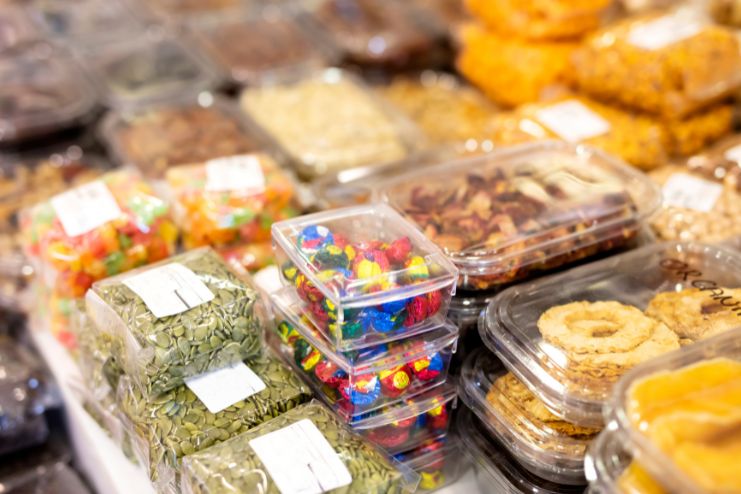
Processed foods that are rich in refined sugar provide empty calories with minimal to no nutritional content. They may also influence immune function, cause blood sugar spikes, and lead to energy slumps, making your recovery slow.
Examples: Baked goods in packages, cake, breakfast cereals that have been sweetened, candy, colas, flavored yogurts containing added sugar.
4. Carbonated and Caffeinated Drinks
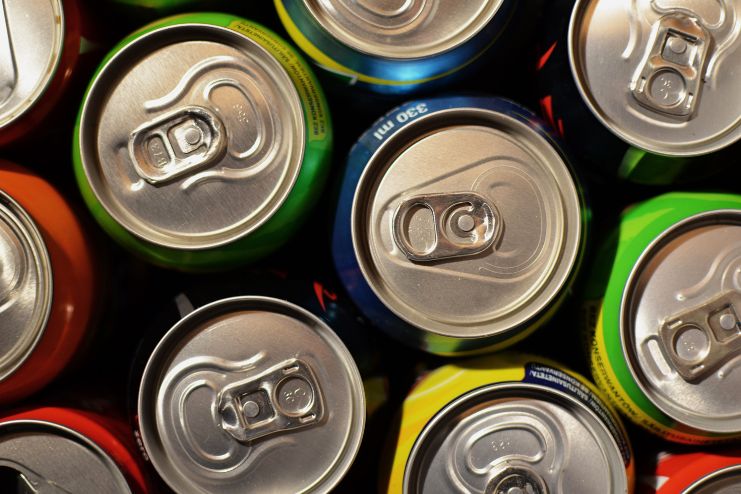
Fizzy beverages and caffeine can worsen dehydration, a common symptom after malaria, and disrupt restful sleep, which is vital for recovery. Carbonated drinks also produce gas, bloating, and acidity, disrupting gut comfort.
Examples: Coffee (particularly several cups daily), energy drinks, colas or lemon fizzes, and artificial flavor fruit-carbonated drinks.
5. Alcohol:

Alcohol is a significant liver stressor, and drinking it while having or shortly after malaria can interfere with your recovery. It disrupts the liver’s capacity to detox, impacts the effects of medication, and weakens immune efficiency.
Examples: Beer, whiskey, wine, vodka, cocktails—even in minimal quantities.
Sample One-Day Meal Plan
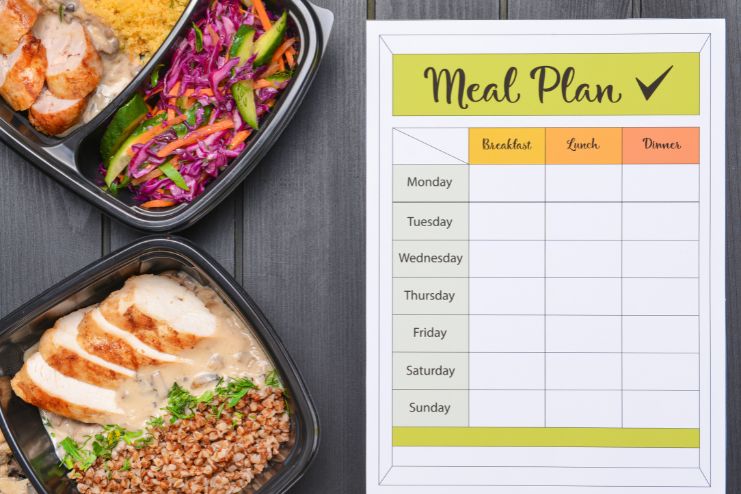
Consuming the right foods at the right time can greatly improve malaria recovery. Rather than heavy infrequent meals, it’s preferable to go for light, wholesome, and frequent meals that assist in digestion, restore lost nutrients, and build energy gradually.
The aim is to keep well hydrated, stabilize blood sugar, and ease the liver’s burden. Here’s a meal plan for a sample day that has carbs, protein, healthy fats, and fluids.
Early Morning:
Begin your day with warm water to kick-start digestion and rehydrate after sleep. It is followed by soaked almonds as a healthy fat source and a banana as an instant energy source, as well as a great potassium source. The best way to start your day is:
- Warm lemon water + 5 soaked almonds
- 1 ripe banana or slices of papaya
Breakfast:
Opt for a light, warm, and gentle-on-the-gut breakfast. Oats are high in fiber and provide slow-release energy, and raisins add iron and natural sweetness. A drizzle of honey will add antioxidants without clogging your system.
Example:
- Oats porridge with jaggery and raisins
- Herbal tea (ginger or fennel)
Mid-Morning:
This is a hydration window. Coconut water restores lost electrolytes and prevents fatigue, and papaya provides digestive enzymes and vitamin C for immune function.
Go for diluted fresh fruit juice or coconut water during this time of the day.
Lunch:
A well-balanced and nutritious lunch is crucial. Moong dal is high in protein but easy on the stomach, spinach provides iron and folate, and steamed rice provides a comforting carbohydrate base without putting pressure on digestion.
You can try:
- Moong dal + white rice (steamed)
- Garlic sautéed spinach
- Beetroot-carrot salad in lemon juice
Evening Snack:
Select snacks that are light but refreshing. A plain herbal tea aids detox, and a small fruit bowl contributes fiber and antioxidants without burdening digestion.
You can include:
- Pomegranate slices or guava
- Fennel or tulsi tea
Dinner:
Finish the day with a light but satisfying meal. Khichdi is an Ayurvedic restorative food—easy on the digestive system, comforting, and easy to digest. A salad of beetroot provides iron, folate, and liver nourishment.
Try to have:
- Soft rotis with pumpkin curry or vegetable khichdi
- Steamed broccoli or cabbage
- Turmeric milk before sleeping (warm, optional)
Bonus Recovery Tips
- Have small meals every 3–4 hours, don’t burden your digestive system.
- Sleep well. Fatigue is normal after malaria, and sound sleep helps in faster recovery.
- Listen to your body. Cravings for fluids or fruits might indicate deficiencies.
- Take any prescribed supplements, such as folic acid, B-complex, or iron, as suggested by your doctor.
When to Consult a Doctor or Dietitian
Consult a doctor or dietitian if:
- You lack appetite even after one week.
- Feel constant weakness or have unexplained weight loss.
- Have underlying conditions such as diabetes or liver disease.
- Aren’t certain how to curate the diet for children or geriatric patients
Conclusion

Recovery from malaria is more than medicine. A recovery-oriented diet provides your body with the nutritional support it requires to recover energy, rebuild immunity, and recover quickly. Prioritize hydration, light meals, iron and protein foods, and liver support.
Steer clear of spicy, processed, or heavy foods until digestion and strength return to normal. With correct nutrition, patience, and rest, recovery is smoother, quicker, and better.
References
- https://www.parashospitals.com/blogs/foods-eat-avoid-treating-malaria
- https://www.heart.org/en/healthy-living/healthy-eating/eat-smart/fats/dietary-fats
- https://www.pacehospital.com/vitamin-c-foods-benefits-deficiency-symptoms-recommended-daily-intake
- https://www.vinmec.com/eng/blog/care-and-nutrition-for-malaria-patients-en
- https://malariajournal.biomedcentral.com/articles/10.1186/s12936-018-2509-9
In this Article