















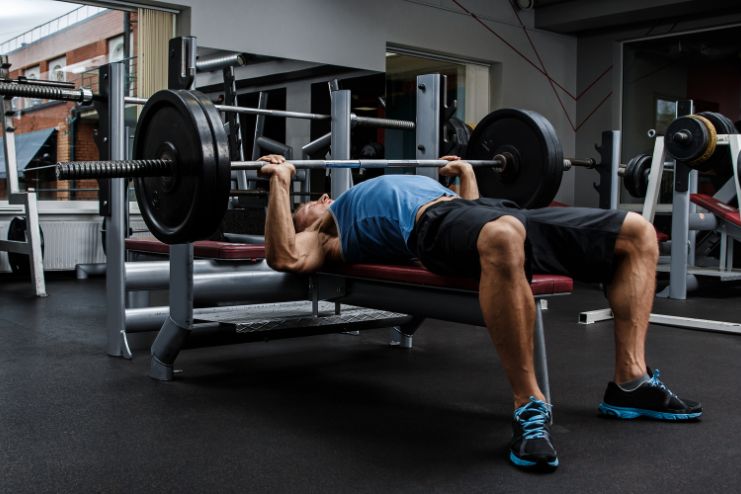
When people hit the gym or follow a home workout, most of the focus is on lifting weights, pushing harder, or jumping higher. What rarely gets attention? The way we lower the weight or return to the starting position — known as the eccentric phase of movement.
Eccentric training flips the script. Instead of rushing through the “down” part of a squat or curl, it emphasizes slowing down that lowering phase. This small shift can unlock powerful benefits — from greater fat loss to lean muscle development and fewer injuries.
“Most people overlook the eccentric phase, but it’s where the real muscle-building magic happens,” says Dr. John Rusin, performance and rehab expert.
In this article, we’ll break down:
- What eccentric training is.
- How it supports fat loss.
- How to use it in your workouts.
- Common mistakes to avoid.
If you’re looking to burn more fat, gain strength, and get more out of each rep, it’s time to slow things down.
What Is Eccentric Training?
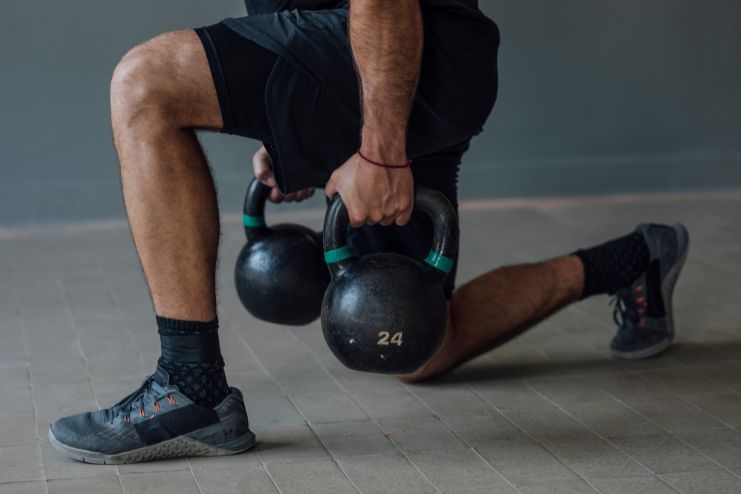
Eccentric training is all about the “lowering” phase of an exercise — the part where your muscles lengthen under tension. Most of us breeze through this phase without thinking much about it, but when done slowly and with intention, it can completely change how your body responds to a workout.
Let’s break it down:
- Concentric phase – This is when your muscle contracts or shortens. Think of curling a dumbbell toward your shoulder.
- Isometric phase – Here, you’re holding the muscle in a fixed position, like pausing halfway through a squat.
- Eccentric phase – This is the controlled lowering part, like when you slowly bring that dumbbell back down to your side.
Eccentric training focuses specifically on slowing down this lengthening phase, typically over 3 to 5 seconds. So instead of letting gravity do the work, you resist it. This keeps the muscle under tension for longer, forcing it to recruit more muscle fibers, increasing the total workload, even if the weight stays the same.
Why is this important? Because more tension means greater muscle activation, better strength gains, and a higher calorie burn, both during and after your workout.
It’s not about lifting heavier — it’s about controlling the weight better. And the result? A smarter, more effective way to train, especially if your goals include fat loss, muscle definition, and injury prevention.
The Science Behind Eccentric Training and Fat Loss
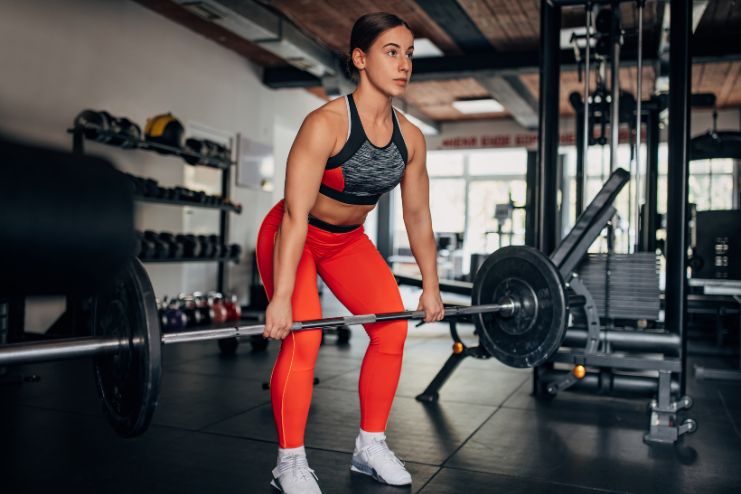
If you’re wondering how simply slowing down your reps can lead to faster fat loss, the answer lies in the science. Eccentric training does more than just challenge your muscles — it transforms the way your body burns calories, builds strength, and recovers. From boosting your metabolism to increasing calorie expenditure long after your workout ends, the effects of eccentric training go far beyond the gym.
Let’s break down the core mechanisms that make eccentric training a fat-loss powerhouse.
Higher Muscle Activation = More Calorie Burn
Eccentric training isn’t just about moving slower — it’s about recruiting more muscle fibers while you do. When you lower a weight under control, your muscles are forced to resist that downward pull. This creates more micro-tears in the muscle, which your body then has to repair, and that repair process burns more calories.
Here’s what happens when you emphasize the eccentric phase:
- You engage more motor units (the nerves that activate muscle fibers).
- You increase muscle tension and time under load.
- You cause more microscopic muscle damage (the good kind).
- You raise the calorie demand post-exercise to handle repair and recovery.
The result? A workout that continues to burn calories long after you’ve stopped sweating.
Boosts Resting Metabolism
One of the most effective long-term fat loss strategies is building and preserving lean muscle. Eccentric training helps do just that — and here’s why it matters:
- Muscles require more energy to maintain than fat, even at rest.
- More muscle = higher resting metabolic rate (RMR).
- You burn more calories throughout the day, not just during workouts.
- Eccentric training promotes muscle growth and retention more efficiently than concentric training alone.
- It’s ideal for body recomposition — losing fat while gaining lean mass.
Unlike cardio, which only increases calorie burn during the workout, muscle built through eccentric training turns your body into a 24/7 fat-burning machine.
Triggers EPOC (Afterburn Effect)
EPOC — or Excess Post-Exercise Oxygen Consumption — is the elevated calorie burn that happens after your workout ends. Eccentric training is especially effective at triggering this “afterburn” effect.
Here’s how it works:
- Eccentric training causes more muscle stress and micro-damage.
- Your body uses extra energy post-workout to:
- Reoxygenate muscles
- Repair muscle fibers
- Restore hormonal balance, body temperature, and pH levels
- This recovery process keeps your metabolism elevated for up to 24–48 hours.
- That means you continue burning calories long after you’ve left the gym.
Eccentric training isn’t just efficient during the workout — it extends the fat-burning window well into your recovery time.
Improves Insulin Sensitivity and Fat Mobilization
Beyond calorie burn and muscle gain, eccentric training also supports healthier metabolic function, especially when it comes to insulin and fat metabolism.
Here’s what the research shows:
- Eccentric exercises help increase glucose uptake into muscle cells.
- This leads to improved insulin sensitivity, making your body more efficient at using carbs for energy.
- Supports fat oxidation — your body becomes better at using stored fat as fuel.
- Reduces inflammation linked to obesity, PCOS, and metabolic syndrome.
- Especially beneficial for those struggling with belly fat, insulin resistance, or hormonal imbalances.
Eccentric training doesn’t just burn fat — it trains your body to use energy more efficiently, which is crucial for sustainable results.
Read More: Metabolic Confusion: The Diet Hack That Claims to Boost Fat Loss
Benefits of Eccentric Training Beyond Fat Loss

While eccentric training is a powerful method for burning fat and boosting metabolism, its advantages don’t stop there. This underrated technique also supports strength, flexibility, and injury prevention, making it a valuable tool for athletes, beginners, and even people in recovery.
Here’s what else eccentric-focused workouts can offer:
- Builds strength with less strain: Muscles are naturally stronger during the eccentric phase, so you can challenge them effectively with lighter weights, reducing wear and tear in joints and tendons.
- Improves flexibility and mobility: The controlled lowering increases muscle length and encourages better range of motion over time, especially in tight areas like hips, hamstrings, and shoulders.
- Reduces injury risk: Eccentric training targets stabilizer muscles and connective tissues, making joints more resilient and less prone to overuse injuries.
- Rehabilitation-friendly: Often used in physical therapy settings, especially for conditions like Achilles tendinopathy, rotator cuff issues, and ACL recovery, due to its ability to rebuild strength safely.
Whether you’re rehabbing an injury, working on mobility, or simply aiming for better overall strength, eccentric training is one of the most versatile and joint-friendly methods you can use.
How to Incorporate Eccentric Training Into Your Routine

Ready to put eccentric training into action? While the science behind it is impressive, execution is where the real magic happens. Whether you’re a beginner or a seasoned lifter, knowing how to structure your workouts around the eccentric phase is key to unlocking its fat-burning and muscle-building benefits.
From slowing down your tempo to choosing the right exercises and managing frequency, this section will guide you through practical strategies to safely and effectively make eccentric training a part of your regular routine.
Eccentric Tempo Guidelines
To get the most out of eccentric training, you need to slow down the lowering part of each movement. Controlling the tempo increases muscle tension and boosts fat-burning potential.
- Lower the weight slowly, aiming for 3 to 5 seconds during the eccentric phase.
- Use tempo patterns like 4-1-1 or 5-2-1 (lower-hold-lift).
- For example, in a squat: take 4 seconds to lower down, pause for 1 second at the bottom, then lift back up quickly in 1 second.
Best Exercises to Start With
You don’t need fancy equipment to start eccentric training. Focus on basic compound movements that recruit multiple muscle groups and are easy to control during the lowering phase.
- Bodyweight or dumbbell squats.
- Push-ups with slow lowering.
- Bicep curls, lowering the weight in 3–4 seconds.
- Deadlifts
- Negative pull-ups (jump up to start, then lower yourself slowly).
If you don’t have access to a gym, no problem — resistance bands or just your bodyweight can work well for eccentric training.
Workout Frequency
Like any training style, eccentric training requires proper scheduling and rest. Too much without recovery can lead to soreness or injury, so plan your sessions wisely.
- Begin with 2 to 3 sessions per week.
- Focus on full-body routines or splits, depending on your schedule.
- Combine eccentric-focused sets with traditional concentric movements for a balanced program.
- Allow 48 to 72 hours of recovery between sessions, especially if you feel sore, which is common with eccentric work.
Advanced Techniques
Once you’re comfortable with the basics, you can challenge yourself by adding advanced eccentric methods. These approaches increase time under tension and muscle recruitment for faster progress.
- Eccentric-only sets: lift the weight with assistance, then lower slowly on your own
- Eccentric overload machines: often found in advanced gyms or rehab facilities
- Paused eccentrics: add pauses during the lowering phase to increase muscle time under tension
Mastering these techniques can help you maximize the fat-burning and strength-building benefits of eccentric training without risking injury.
Read More: Full-Body Strength Training Routine
Who Should Try Eccentric Training?

Eccentric training isn’t just for advanced athletes or bodybuilders — it’s a versatile approach that suits a wide range of fitness goals and experience levels. If you’re wondering whether eccentric training is right for you, here’s who can benefit the most:
- People aiming for fat loss and body recomposition.
- Lifters who have hit a strength or size plateau and want a new stimulus.
- Beginners looking for joint-friendly training methods.
- Older adults who are focusing on building strength, mobility, and bone density.
- Individuals in rehab recovering from injuries and working on mobility and control.
No matter who you are, it’s important to start slow. If you’re new to eccentric training, working with a qualified trainer can help you maintain proper form and progress safely.
Common Mistakes to Avoid
Eccentric training offers great benefits, but only if done correctly. To get the most from your workouts and stay injury-free, watch out for these common pitfalls:
- Skipping recovery: Eccentric movements cause more muscle soreness (DOMS), so make sure you give your body enough rest and recovery time.
- Going too fast: The key is slow, controlled lowering. Rushing through the eccentric phase defeats the purpose and reduces effectiveness.
- Using too much weight: Start with lighter weights than usual, since eccentric training is very demanding on muscles and connective tissues.
- Ignoring form: Because of the intensity and control required, sloppy technique during the lowering phase can increase injury risk. Focus on proper movement patterns throughout.
Being mindful of these mistakes will help you maximize fat loss and gain muscle safely.
Read More: HIIT vs. Endurance Training: Choosing the Best for Your Fitness Goals
What About Nutrition?
While eccentric training is a powerful tool for fat loss and muscle building, your nutrition plays a crucial role in achieving your goals. To get the best results from your workouts, focus on these nutrition basics:
- Eat enough protein (around 0.7 to 1 gram per pound of body weight) to support muscle repair and growth.
- Prioritize whole, nutrient-dense foods with plenty of fiber and stay well-hydrated.
- Time your carbohydrate intake around workouts to fuel performance and aid recovery.
- Maintain a slight calorie deficit for fat loss — enough to burn fat but still provide energy for your workouts and recovery.
Combining smart nutrition with eccentric training can accelerate your progress and help you build a leaner, stronger body.
Conclusion
Eccentric training offers a unique edge in fat loss and muscle building by focusing on the controlled lowering phase of exercises. This approach increases muscle activation, boosts calorie burn, and triggers lasting metabolic benefits that help you burn fat even after your workout ends. It also improves strength and reduces injury risk, making it a smart addition to any fitness routine.
That said, eccentric training works best when combined with proper nutrition and recovery. Eating enough protein, maintaining a slight calorie deficit, and allowing time to rest are essential to support muscle repair and maximize fat loss. Without these, even the best workouts won’t deliver the results you want.
If you’re looking to break through plateaus or add variety to your training, slowing down and emphasizing eccentric movements could be the game-changer you need. Give it a try, stay consistent, and watch your body transform with improved strength, better metabolism, and more efficient fat burning.
References
- https://www.healthline.com/health/fitness/eccentric-training
- https://www.medicalnewstoday.com/articles/eccentric-exercise
- https://www.womenshealthmag.com/uk/fitness/strength-training/a45202556/eccentric-exercise
- https://pubmed.ncbi.nlm.nih.gov/23657934
- https://www.sportsmith.co/articles/an-essential-guide-to-eccentric-training/
- https://www.healthshots.com/fitness/muscle-gain/benefits-of-eccentric-exercise-and-how-to-do-it
- https://health.osu.edu/wellness/exercise-and-nutrition/whats-eccentric-training-and-should-you-give-it-a-try
- https://www.aififteen.com/post/benefits-of-eccentric-training
- https://pmc.ncbi.nlm.nih.gov/articles/PMC6090036
- https://pmc.ncbi.nlm.nih.gov/articles/PMC6510035
- https://blog.lionel.edu/eccentric-training-is-more-efficient-in-reducing-fat-mass-than-concentric-training
- https://werstupid.com/blog/eccentric-training-risks-benefits
- https://www.scmp.com/lifestyle/health-beauty/article/1980785/how-eccentric-muscle-training-can-make-you-stronger-and
- https://www.muscleandstrength.com/articles/how-to-add-eccentric-training-to-your-workout
- https://hevycoach.com/glossary/eccentric-loading/
In this Article