















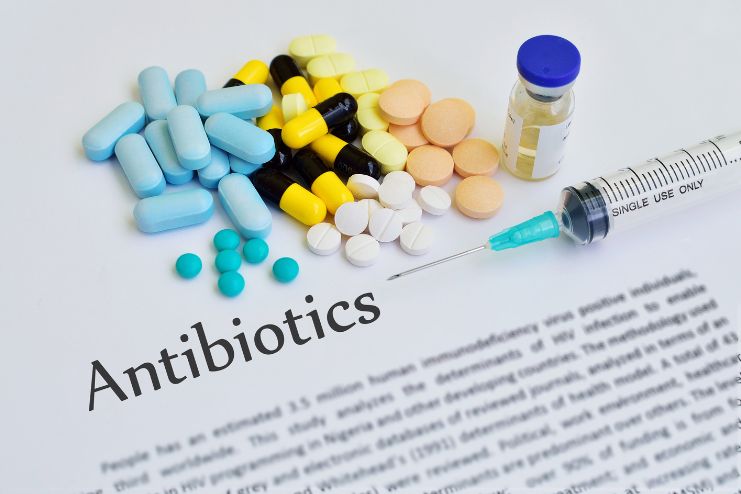
The discovery of antibiotics marked a turning point in modern medicine, enabling successful treatment of bacterial infections that previously claimed countless lives. These powerful medications have become indispensable in healthcare, addressing ailments ranging from minor infections to severe bacterial diseases.
As cornerstone medications in global healthcare, antibiotics have come a long way since Dr. Alexander Fleming’s groundbreaking discovery of penicillin in 1928. Today, medical professionals have access to hundreds of different antibiotic varieties.
Nevertheless, caution is warranted when it comes to frequent antibiotic use or repeated courses for recurring infections. Excessive use or misuse of these prescription medications could potentially increase your vulnerability to other health conditions and complicate the treatment of future infections.
This comprehensive guide explores the dangers of antibiotic misuse, examines the growing concern of antibiotic resistance, and provides insights into how we can collectively preserve the efficacy of these essential medicines.
Read More: Daily Supplements for Heart Health: Vitamins and Minerals to Manage Cholesterol
What Are Antibiotics and How Do They Work?

Bacteria are microscopic living organisms that exist everywhere – from your skin’s surface to your internal organs, and throughout your surrounding environment. While most bacterial species are benign, some play beneficial roles in maintaining your health, particularly those residing in your skin microbiome and digestive system.
However, certain bacteria can trigger infections, with manifestations varying from mild discomfort to severe conditions requiring immediate medical attention.
Medical professionals typically prescribe antibiotics to combat bacterial infections. Common conditions requiring antibiotic treatment include:
- Streptococcal throat infections
- Urinary system infections
- Dermatological infections
- Sexually transmitted infections
- Pneumonia
- Digestive tract infections
- Life-threatening bacterial conditions such as sepsis and meningitis
Antibiotics work by targeting and destroying harmful bacterial organisms. Some antibiotic medications specifically prevent bacteria from forming their essential cell walls, thereby inhibiting their growth and reproduction processes.
Throughout their lifetime, most individuals will require multiple courses of antibiotic treatment. When taken according to medical guidance regarding timing and dosage, antibiotics can effectively treat bacterial infections.
Causes of Antibiotic Overuse
Multiple critical factors contribute to the inappropriate use of antibiotics, exacerbating the growing concern of antibiotic resistance.
Research indicates that upper respiratory infections and urinary tract infections (UTI) are the primary conditions leading to excessive antibiotic prescription. According to Dr. Bran’s clinical observations, “more than half of the prescriptions for UTIs are unnecessary.”
A study, published in journal BioEssays, analyzed over 200 peer-reviewed research papers to explore the underlying causes of antibiotic overuse, which can lead to drug-resistant pathogenic bacteria and disrupt the beneficial microbiome – the community of helpful microorganisms inhabiting our bodies.
According to senior author Martin Blaser, head of Rutgers’ Center for Advanced Biotechnology and Medicine, global antibiotic consumption witnessed a significant 39 percent surge between 2000 and 2015, with developing and middle-income countries experiencing a dramatic 77 percent escalation. His research provides valuable insights into these concerning trends.
Multiple factors drive antibiotic misuse, including patient insistence, inappropriate prescription practices, and widespread misconceptions about antibiotic efficacy. A common but dangerous belief that antibiotics are effective against both bacterial and viral infections leads many individuals to seek unnecessary prescriptions and engage in self-medication practices.
The practice of self-medication represents another significant concern. Individuals often resort to using leftover antibiotics or obtaining them without proper medical authorization, leading to incorrect self-diagnosis. This behavior not only increases the risk of taking inappropriate medications but also results in incomplete treatment courses, providing bacteria with opportunities to develop resistance mechanisms.
Research conducted in the US, UK, and China has identified numerous online platforms selling antibiotics without requiring prescriptions. This problem is particularly acute in developing and middle-income regions, where approximately 60% of antibiotic sales occur without prescriptions, often involving unqualified healthcare providers.
Read More: All About Calcium: Supplements, Dosage, and Absorption
Consequences of Antibiotic Overuse
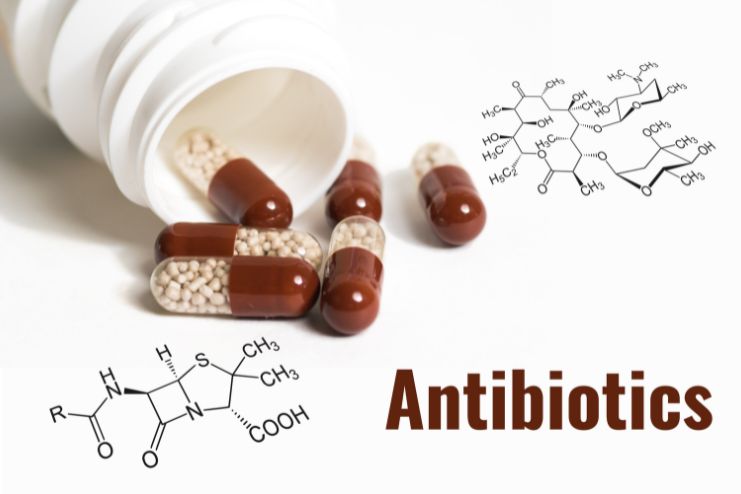
Antibiotics are one of modern medicine’s greatest breakthroughs—but when overused, they can do more harm than good. Antibiotic overuse happens when these drugs are taken too often, for the wrong reasons, or in excessive amounts beyond what’s medically necessary.
One of the most serious consequences is the development of antibiotic-resistant bacteria.
Over time, previously treatable infections—such as pneumonia, tuberculosis, and skin conditions—become harder to cure because the bacteria adapt and stop responding to standard treatments. This has led to the rise of dangerous “superbugs”, which are resistant to multiple antibiotics and pose a growing global health threat.
As more bacteria develop resistance, common infections can become more severe, last longer, and increase the risk of complications. The immune system can usually handle small numbers of resistant bacteria, but widespread resistance can overwhelm the body’s defenses.
On an individual level, overusing antibiotics can also cause unwanted side effects, including:
- Allergic reactions
- Recurring yeast infections
- Gastrointestinal issues like nausea, diarrhea, and gut microbiome disruption.
There’s also an increased risk of harmful drug interactions, especially in individuals taking multiple medications. Antibiotics can interfere with other treatments, making healthcare provider guidance crucial.
To combat these risks, public health organizations have developed guidelines to reduce unnecessary antibiotic use and slow the spread of resistance. Responsible antibiotic use—only when prescribed, and only when necessary—is key to preserving their effectiveness for future generations.
Multiple public health organizations have established comprehensive guidelines aimed at curbing the widespread overuse of antibiotics.
Read More: How to Treat a Dry Cough with Ayurvedic Medicines
Preventing Antibiotic Overuse

The most effective strategy against antibiotic resistance is their correct usage. Consider these essential preventive measures:
- Implement preventive measures against bacterial infections that require antibiotic treatment. As antibiotic usage continues to rise globally, resistance issues may intensify. Regular hand washing remains a fundamental preventive measure. Seek additional guidance from healthcare professionals for comprehensive prevention strategies.
- Recognize that viral infections don’t respond to antibiotics, despite sometimes presenting similar symptoms to bacterial infections. This similarity often leads to misconceptions about antibiotic necessity. Always consult healthcare providers to understand appropriate treatment options and their rationale.
- Never use antibiotics for viral conditions or take prescriptions intended for others.
- Consider alternative therapeutic approaches and preventive measures to reduce antibiotic dependence. This includes managing viral infections through adequate rest, proper hydration, and appropriate over-the-counter medications.
- By implementing these preventive strategies consistently, we can play a crucial role in preserving antibiotic effectiveness for future generations.
Read More: Depression – How to cure it without medicines?
Conclusion
In conclusion, while antibiotics remain a cornerstone of modern medical treatment, their widespread misuse and overutilization have precipitated a critical challenge in the form of antimicrobial resistance.
These consequences not only compromise the effectiveness of treatments for common infections but also jeopardize crucial medical procedures, creating ripple effects that impact both individual patient outcomes and broader public health systems.
Maintaining the long-term viability of these vital medications requires dedicated antibiotic stewardship and responsible usage practices from both healthcare providers and patients. Preserving their effectiveness depends on strict adherence to medical guidelines, completion of prescribed treatment courses, and avoiding unnecessary antibiotic consumption.
Furthermore, this crucial effort is reinforced through comprehensive infection prevention strategies, including vaccination programs, rigorous personal hygiene practices, and the exploration of alternative therapeutic approaches.
References
- https://www.nhs.uk/conditions/antibiotics/antibiotic-antimicrobial-resistance/
- https://kidshealth.org/en/parents/antibiotic-overuse.html
- https://my.clevelandclinic.org/health/treatments/16386-antibiotics
- https://www.nhs.uk/conditions/antibiotics/uses/
- https://www.rutgers.edu/news/why-people-overuse-antibiotics
- https://www.cdc.gov/antibiotic-use/data-research/facts-stats/index.html
- https://www.nhs.uk/conditions/antibiotics/antibiotic-antimicrobial-resistance/
- https://www.mdpi.com/2073-4441/12/12/3313
- https://www.medicalnewstoday.com/articles/effects-of-overusing-antibiotics#some-effects
- https://kidshealth.org/en/parents/antibiotic-overuse.html
- https://www.cedars-sinai.org/health-library/diseases-and-conditions/a/antibiotic-resistance.html
In this Article