










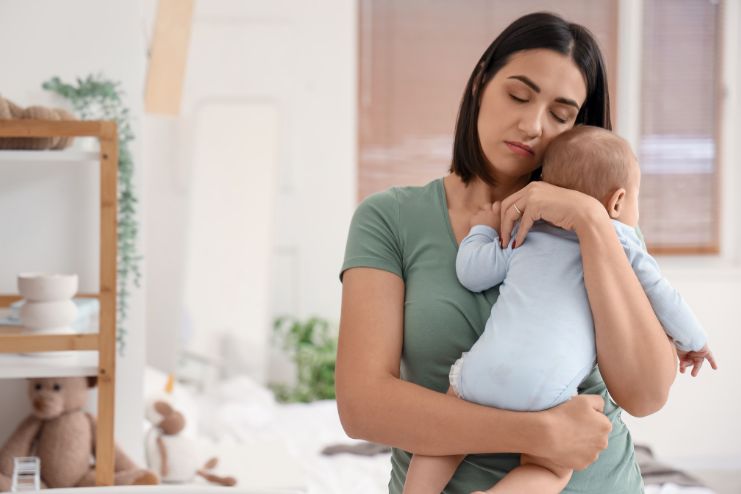
The moment you give birth, your entire world realigns. Suddenly, it’s all feedings, sleepless nights, and caring for the tiny human who now defines your world. In the blur of recovery and motherhood, your own body often takes a backseat. The swelling, the stitches, the hormonal crashes, they all blend into the background as your focus shifts outward.
But then, weeks or even months later, something quietly shifts again. The postpartum bleeding, known as lochia, tapers off. Your body starts to re-regulate. And one day, sometimes with warning and sometimes without, your first period after pregnancy arrives. It’s not just a return to menstruation—it’s a reminder that your body is still healing, still recalibrating, still very much in transition.
For many, it’s heavier, more painful, or emotionally jarring. For others, it’s strangely delayed, lighter than expected, or accompanied by symptoms they’ve never felt before. What makes postpartum periods so unique is how unpredictable they are—and how rarely they’re talked about.
In this guide, we’ll explore the realities of your first period after childbirth—when it may return, what it might feel like, how breastfeeding plays a role, and when you should consult your doctor.
When Will It Return? (And Why It Varies)
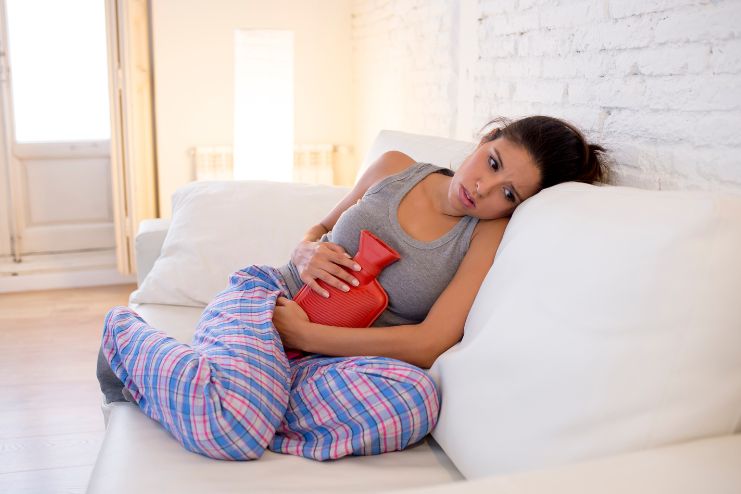
Your postpartum period doesn’t operate on a set schedule, and that’s completely normal. One of the biggest factors influencing when your period returns is how you’re feeding your baby, particularly whether or not you’re breastfeeding.
Here’s how it typically breaks down:
- Exclusively breastfeeding: If you’re nursing around the clock, prolactin levels stay elevated. This hormone not only supports milk production but also suppresses ovulation. As a result, many women won’t get their periods for several months.
- Formula feeding or mixed feeding: If you’re not breastfeeding exclusively, prolactin levels drop sooner, allowing your menstrual cycle to resume more quickly, sometimes as early as 6 to 8 weeks postpartum.
- Individual variation: Every woman’s body is different. Some women who breastfeed regularly still get their period early, while others may go a full year or more without it.
A 2021 study published in La Leche League International found that about 70% of exclusively breastfeeding women experienced delayed menstruation for six months or more.
What It Actually Feels Like (The First Time Around)
Your first postpartum period may come as a surprise, not just in timing, but also in how different it feels. Many women are caught off guard by the intensity or unfamiliarity of their new cycle.
Here’s what to expect:
- Heavier or lighter flow: You might experience a heavier flow than usual, sometimes with small clots, especially if it’s been a while since your last cycle. On the flip side, some women report a lighter-than-usual first period.
- Increased cramping: Your uterus is still in recovery mode. If it hasn’t fully returned to its pre-pregnancy size, cramps can feel sharper or more prolonged during those first few periods.
- Emotional shifts: Hormonal fluctuations—especially after the steep drop in estrogen and progesterone—can cause intense mood swings, often stronger than typical PMS.
- Irregular cycles: It’s completely normal to have irregular periods as your hormones settle and ovulation re-establishes itself.
All of these changes are part of your body’s broader recalibration process. But if something feels off, like extremely heavy bleeding, unbearable pain, or signs of infection, it’s always wise to check in with your healthcare provider.
Signs It’s Your Period (Not Postpartum Bleeding)
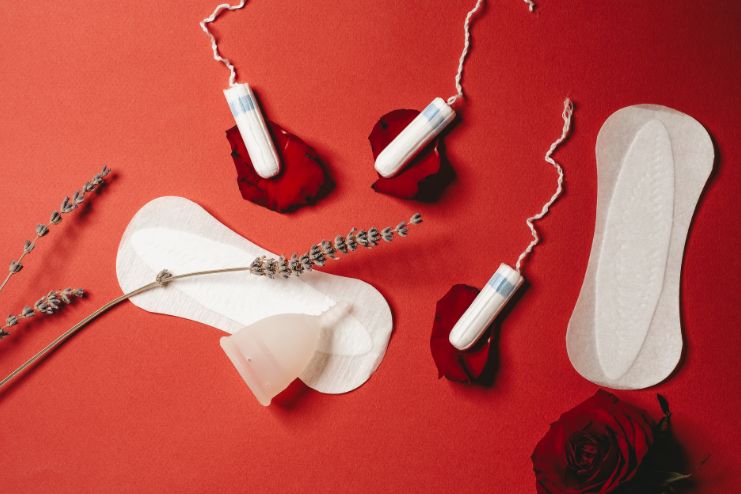
One of the biggest postpartum questions is: How do I know if this bleeding is lochia or my actual period? The two can feel eerily similar, especially when you’re still adjusting to the whirlwind of new motherhood.
While lochia is your body’s natural way of shedding the uterine lining and blood after birth, it’s not a menstrual cycle, and the differences become more obvious with time.
- Color and consistency: Lochia typically begins bright red, then fades to pink, brown, and finally a yellow-white discharge. It gradually lessens in flow and never becomes consistent like a period.
- Onset and volume: Your first postpartum period, however, often starts abruptly and comes with a steadier, more substantial flow.
- Timing: Lochia usually ends by the six-week mark. If you’re bleeding after that, especially if it feels heavier or resembles your pre-pregnancy periods, it’s likely menstruation.
- Symptoms: Periods often bring cramps, bloating, and mood changes. Lochia doesn’t.
Watch for warning signs:
- Foul-smelling discharge
- Soaking a pad in less than an hour
- Intense pelvic pain
- Sudden fever
These could indicate an infection, retained tissue, or other complications—don’t hesitate to call your doctor.
Breastfeeding and Your Cycle: Are You Fertile Again?
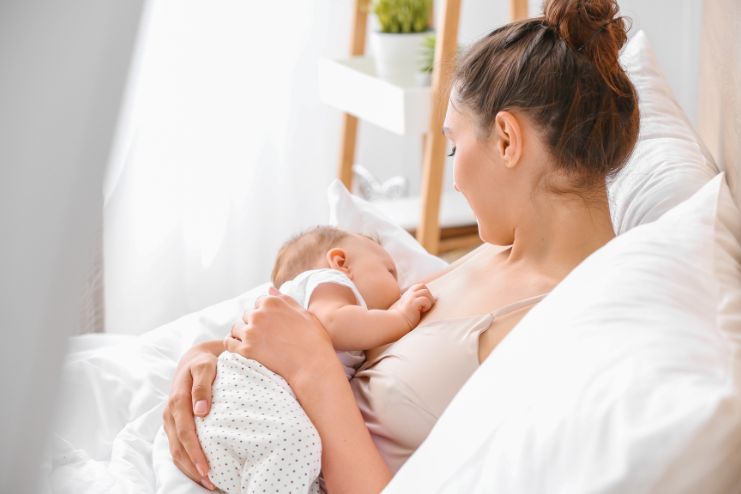
Here’s the curveball no one tells you about: You don’t need a period to get pregnant again. Ovulation can come back before bleeding ever does—so if you’re not planning for another baby, you’ll want to plan for that.
- Prolactin, the hormone that promotes milk production, suppresses ovulation. So, exclusively breastfeeding can delay your period for several months.
- This is the basis of the Lactational Amenorrhea Method (LAM), which is about 98% effective—but only if you’re:
- Nursing exclusively (no formula or long gaps between feeds)
- Within six months postpartum
- Period-free
- Once your baby starts sleeping through the night or begins solid foods, hormone shifts may trigger ovulation, period, or not.
- Mixed or formula feeding? Your cycle might return as early as 6–8 weeks.
Doctor’s advice: Discuss contraception at your postpartum check-up—even if you’re breastfeeding. Options like mini-pills, IUDs, or implants are safe while nursing and prevent any surprise pregnancies.
What No One Prepares You For Emotionally
While everyone talks about sleepless nights and diaper changes, few prepare you for the emotional wave that crashes in with your first postpartum period. It’s more than just blood—it’s a hormonal cocktail that can stir up everything from tears to terror.
- You might feel a sudden disconnect from your body, wondering when it started feeling so unfamiliar.
- There’s often a lingering sense of vulnerability, especially during outings, fearing leaks, cramps, or mood swings while caring for a baby.
- Many women also feel a shift in intimacy and identity, as if this bleeding marks the end of one version of you and the beginning of something new.
For those already experiencing postpartum depression or anxiety, the return of a period can amplify symptoms. If you feel overly emotional, irritable, or empty, reach out. You’re not alone, and help is available.
Read More: Postpartum Pelvic Health: Healing and Recovery After Childbirth
Managing Your First Postpartum Period: Tips and Tools

This isn’t the time to “push through.” Your first period postpartum deserves tenderness, awareness, and care.
- Start gently: Go for soft, breathable options like organic pads or period underwear. Internal products like tampons or menstrual cups may feel uncomfortable at first, especially if you’ve had stitches or pelvic trauma.
- Stock up on comfort foods: Magnesium-rich dark chocolate, iron-packed spinach, and omega-3 foods like walnuts or salmon can help regulate mood and reduce inflammation.
- Hydrate like you mean it: Water helps reduce bloating and cramps, especially if you’re nursing.
- Move your body slowly: Light yoga, pelvic stretches, or a short walk can ease aches and lift your spirits without overexertion.
- Rest is recovery: Don’t try to snap back. Your body is still recalibrating. Nap when you can, and allow yourself grace.
And if something doesn’t feel right—pain that doesn’t subside, extreme fatigue, or overwhelming sadness—trust your gut and seek medical help.
How Your Period Might Change Long-Term
Your period after childbirth might not just be different the first time—it might never return to how it was before. Pregnancy and delivery can permanently alter your menstrual experience.
- Cycle Length: Some women find their cycles are now shorter or longer than before.
- Flow Volume: Many report heavier bleeding or clotting due to a larger uterine cavity post-birth, while others see lighter, more manageable periods.
- Cramping: Cramps may be worse if you had a C-section or if the uterus hasn’t fully regained tone. In contrast, some women feel less pain post-birth.
- PMS Symptoms: Mood swings, breast tenderness, and fatigue might feel more intense, or surprisingly milder.
Why? Hormonal recalibration, changes in the cervix and uterus, and breastfeeding-related shifts all influence your new “normal.”
Track your cycle for a few months by using a period app. Noticing consistent issues (like extreme pain or irregularity)? It might be time to check in with a gynecologist.
Read More: 10 Must-Have Postpartum Recovery Products
Sexual Health and Your Period Postpartum
When your period returns, it often brings up questions about intimacy, both physically and emotionally. It’s a layered experience.
- Vaginal Dryness: Due to lower estrogen while breastfeeding, many women experience dryness, which can make sex during your cycle more uncomfortable.
- Body Image: The hormonal dip plus post-baby changes can lower libido and confidence, especially when bleeding returns.
- Mental Load: You’re juggling a baby, healing, and now a period. Intimacy might not even make the list—and that’s okay.
Tips to navigate this:
- Use water-based lubricants if experiencing dryness.
- Communicate openly with your partner about what you need—emotionally and physically.
- Focus on closeness over performance—cuddling, massage, and non-sexual touch can rebuild comfort and desire.
Reminder: It’s normal if things don’t feel “back to normal” yet. Healing is a full-body, full-heart process.
When to Talk to Your Doctor
Contact your healthcare provider if:
- You haven’t had a period after 6 months (if not exclusively breastfeeding).
- Your bleeding is extremely heavy (soaking a pad every hour).
- Cramps are severe and unrelenting.
- You’re experiencing depression, anxiety, or mood changes that feel abnormal.
- You’re unsure whether what you’re experiencing is your period or something else.
According to the American College of Obstetricians and Gynecologists (ACOG), postpartum checkups are crucial for monitoring physical and emotional recovery. Don’t hesitate to bring up concerns.
Frequently Asked Questions (FAQs):
- Can my period affect my breast milk supply or quality?
Your period may cause a slight dip in milk supply for a few days due to hormonal fluctuations, especially around ovulation or menstruation. Some babies may notice a change in taste due to shifts in sodium levels, but it’s temporary and not harmful. Staying hydrated and nursing frequently usually restores balance quickly.
- Is it normal for my period to skip a month or be irregular after birth?
Yes. Your body is recalibrating after pregnancy and delivery, especially if you’re breastfeeding. Irregular cycles—longer gaps, shorter cycles, or missed periods—are common in the first several months. However, consistently erratic cycles after a year may warrant a check-in with your doctor.
- Will my period be more painful or heavier than before pregnancy?
For many women, yes—at least initially. Your uterine lining may be thicker, and your uterus is still returning to its original tone. This can result in heavier bleeding or more intense cramps. Over time, your period may stabilize and even improve compared to your pre-pregnancy norm.
- Can I use tampons or a menstrual cup during my first postpartum period?
It depends on your recovery. If you’ve healed fully and had your postpartum check-up, it’s usually safe. However, many women feel discomfort or dryness initially, especially if they have stitches or are breastfeeding. Start gently, and don’t hesitate to stick with pads or period underwear if that feels better.
- What if I haven’t gotten my period in over a year postpartum?
If you’re not pregnant and haven’t had your period 12+ months after childbirth—even with continued breastfeeding—it’s a good idea to see your doctor. While some women naturally have extended lactational amenorrhea, underlying hormonal imbalances or medical conditions may also be the cause.
Conclusion
Your first period after childbirth marks more than just the return of a biological cycle—it signals yet another transformation in your postpartum journey. Whether it comes quietly or crashes in unexpectedly, it’s a reminder that your body is still recalibrating, healing, and evolving. Understanding what to expect and knowing that no two experiences are alike can help you approach this phase with more confidence and less confusion.
This return isn’t just physical—it’s emotional too. The hormonal roller coaster, the fatigue, the unpredictability—it can all feel overwhelming. But remember, every change is part of your body finding its new normal. What feels foreign now will eventually become familiar again, and you’ll learn to navigate your cycle in this new season of life with more resilience and wisdom than before.
Your body has done something extraordinary. Give it the grace, care, and time that it deserves. And if at any point things feel off—whether physically or emotionally, do not hesitate to seek medical attention.
References
- https://www.webmd.com/baby/first-period-after-pregnancy-what-to-expect
- https://www.healthline.com/health/pregnancy/first-period-postpartum
- https://utswmed.org/medblog/period-changes-after-pregnancy
- https://www.pregnancybirthbaby.org.au/periods-after-pregnancy
- https://suryahospitals.com/blog/know-everything-about-first-period-after-delivery
- https://www.tommys.org/pregnancy-information/after-birth/sexual-and-reproductive-health-after-having-baby
- https://www.in.pampers.com/pregnancy/giving-birth/first-period-after-baby
- https://www.nhs.uk/pregnancy/labour-and-birth/after-the-birth/your-body/
- https://www.miracleshealth.com/blog/first-period-after-pregnancy
- https://www.breastfeeding.asn.au/resources/getting-pregnant-while-breastfeeding
- https://www.lancastergeneralhealth.org/health-hub-home/motherhood/the-first-year/did-you-know-you-can-get-pregnant-while-breastfeeding
- https://www2.hse.ie/babies-children/breastfeeding/fertility-other-children/fertility
- https://www.healthline.com/health/pregnancy/can-you-get-pregnant-while-breastfeeding
- https://www.cloudninecare.com/blog/signs-of-returning-fertility-while-breastfeeding
- https://pubmed.ncbi.nlm.nih.gov/6883735
- https://www.geisinger.org/patient-care/conditions-treatments-specialty/self-care-during-the-postpartum-period
- https://www.ncbi.nlm.nih.gov/books/NBK304191
- https://www.in.pampers.com/pregnancy/giving-birth/first-period-after-baby
- https://www.whattoexpect.com/first-year/week-16/period.aspx
In this Article