















High energy levels are crucial for productivity, concentration, and general well-being in today’s fast-paced world. In an attempt to feel more energized, many people turn to short-term solutions like caffeine or energy drinks, which frequently result in brief spikes followed by crashes.
Although natural energy-boosting tips, such as improving sleep, drinking plenty of water, or exercising regularly, are widely available, people often overlook common mistakes that drain energy instead of increasing it. If you ignore these errors, your best attempts to feel more alert and active throughout the day may be hampered. Small, everyday routines, such as overtraining or skipping meals, can unintentionally lead to exhaustion and burnout.
This article aims to help you recognize these energy-zapping traps and demonstrate how to avoid them.
Read More: Nutrient Timing: When to Eat What for Optimal Energy Levels
Mistake 1: Relying on Caffeine and Sugar for Quick Fixes

When sugar and caffeine are combined, the body suffers terrible consequences. When mixed with caffeine, the high energy boost from the sugar and the stimulant in caffeine causes the blood glucose levels to spike and then drop within a few hours.
Following that, the body turns to a vicious cycle of cravings. When combined, the two produce swings that lead people to consume more carbs than they need. The craving causes a significant blood glucose imbalance over time.
Since caffeine has a half-life of about five hours, you should drink your final cup of tea or coffee before noon.
It’s a common mistake to rely solely on sugar and caffeine for energy and focus, which can lead to both short-term benefits and long-term issues. Although these drugs can momentarily increase alertness, they frequently cause energy dumps, dependency, and detrimental effects on general health. Switch to herbal or decaf teas, including fennel, which is beneficial for digestion and sleep.
Mistake 2: Skipping Meals or Relying on Unhealthy Snacks

Going too long between meals can have significant repercussions, regardless of whether you’re following the intermittent fasting trend, eating through lunch, or skipping breakfast. Since food powers every bodily system, skipping meals or going without food affects almost every component of your body.
Regardless of your justification, missing meals can be a costly mistake. Physical and mental exhaustion will significantly impair your ability to perform at work, and you will accumulate harmful calories that may cause significant health problems.
Even when individuals skip meals to lose weight, the opposite is true. Primal hunger is a phenomenon that occurs when we skip meals. As a result, we often binge-eat anything we can find, consuming a large number of undesirable and unhealthy calories.
We often binge eat after missing meals because skipping meals causes our blood glucose and blood sugar levels to drop dangerously low. This happens because when we skip meals, our bodies rapidly use up stored calories to generate the energy needed to keep functioning. After missing meals, we accumulate excess calories, which causes our blood sugar levels to spike. It hinders the body’s ability to efficiently convert food into glucose.
Read More: Why Meal Timing Matters: Eating for Energy and Recovery
Mistake 3: Not Getting Enough Quality Sleep

Lack of sleep can raise one’s risk of being in an automobile accident, making mistakes at work, and developing several health issues, such as heart disease, weakened immunity, obesity, lower life quality, brain damage, and even earlier death.
Although specialists advise adults to sleep for at least seven hours every night, 20% of American adults get five hours or less, suggesting that many people may suffer from sleep deprivation.
It has been discovered that students who get better sleep receive noticeably higher grades, roughly half a grade higher. Similarly, athletes who don’t get enough sleep perform worse, as their reaction times are significantly slower.
People who suffer from sleep insufficiency either sleep for less time than their bodies need to maintain their health or experience poor-quality sleep as a result of sleep disturbances.
Different bedtimes every night disturb your sleep patterns and confuse your body’s internal clock. An irregular schedule makes it hard to get a good night’s sleep.
If you can’t fall asleep in 20 to 30 minutes, get out of bed and engage in a stress-relieving activity. Professor Richard Wiseman, a sleep expert, advises doing jigsaw puzzles.
Read More: 13 Foods To Increase Stamina And Energy In The Body
Mistake 4: Neglecting Physical Activity

Becoming a couch potato, not working out, and having a lifestyle that is inactive or sedentary. All of these terms, which you have undoubtedly heard of, refer to the same thing: a way of life that involves little to no activity and a lot of sitting and lying down.
The number of persons engaging in sedentary activities is increasing in the US and globally. Few people live their entire lives in excellent health. Adopting a healthy lifestyle early can help delay the onset of aging-related illnesses.
Neglecting physical activity is a significant error, as it can lead to a lower quality of life and various health issues. Exercise and regular physical activity are crucial for managing and preventing chronic illnesses, promoting mental health, and enhancing overall well-being.
It’s simpler to poop on time when you walk more since your colon moves more. Moving waste through your digestive tract requires a strong diaphragm and abdominal muscles. Regular exercise can keep you healthy, especially as you get older.
Exercise increases oxygen supply to tissues, improves blood flow, and promotes the synthesis of endorphins, which are feel-good and energizing natural compounds. Movement revitalizes your body and mind, whether it’s a quick stretch, a strenuous stroll, or a bike ride.
Mistake 5: Ignoring Stress Management
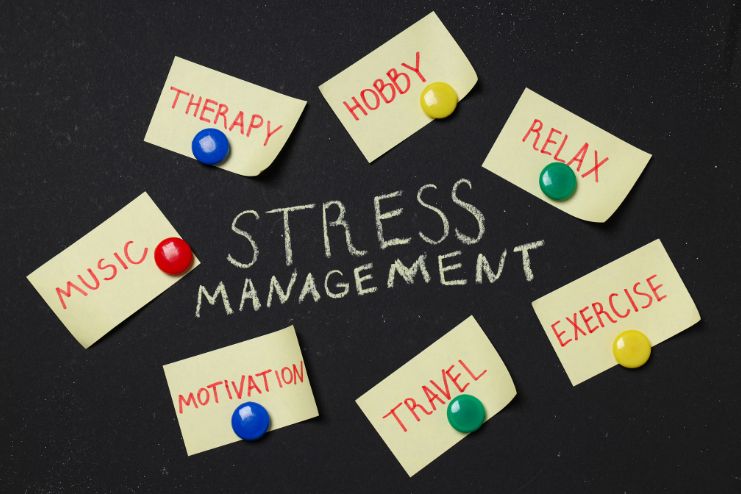
Stress management is crucial for maintaining overall well-being by promoting mental and physical health, enhancing productivity, and fostering positive relationships. It increases resilience and helps people avoid burnout, making it easier to handle life’s obstacles. Effective stress management can lead to a stronger immune system, improved sleep, and enhanced cognitive function.
You’re not alone if you experience stress more frequently than you’d like. 15% of Americans report feeling pressured daily, and 78% report feeling stressed at least once a week.
Long-term stress is bad for the body and the mind. You may experience mental haze, irritation, or even depression, which may further sap your vitality and output. For this reason, using basic relaxation techniques is essential to preserving vitality and equilibrium.
Nothing can be done to prevent stress or fully de-stress when it strikes.
You can have more control over stress than you might ever think. Stress management begins with the fundamental understanding that you are in control of your life.
Effectively managing stress starts with gaining control over your mindset, emotions, daily habits, environment, and approach to handling challenges. The ultimate ideal is a balanced existence that allows for time for work, relationships, leisure, and enjoyment, as well as the capacity to persevere under duress and tackle obstacles head-on.
Read More: Replenish Your Energy: 6 Best Protein Powders for Men’s Muscle Recovery
Conclusion
Doing the correct things is more important for boosting your energy levels than simply doing more. Adopting sustainable, healthful behaviors that promote mental and physical well-being is crucial to genuinely increasing your energy levels.
It entails taking good care of your body, staying active, managing stress effectively, and getting sufficient sleep. Avoiding these common mistakes can help establish a solid foundation for sustained vitality.
You can start small by incorporating the advice in this article into your everyday routine. Over time, these adjustments will noticeably enhance your energy and overall well-being.
References
- https://thelivingwell.com/five-health-mistakes-to-avoid/
- https://www.the-sun.com/health/8504522/everyday-tasks-sapping-energy-levels/
- https://www.livestrong.com/article/85251-effects-caffeine-sugar/
- https://www.betterhealth.vic.gov.au/health/healthyliving/caffeine
- https://www.eatingwell.com/article/7561431/scary-things-that-could-happen-to-your-body-when-you-skip-meals/
- https://www.hopkinsmedicine.org/health/wellness-and-prevention/health-risks-of-poor-sleep
- https://richardwiseman.wordpress.com/2014/03/27/want-the-best-ever-nights-sleep/
- https://www.sleepfoundation.org/sleep-deprivation
- https://www.hopkinsmedicine.org/health/conditions-and-diseases/risks-of-physical-inactivity
- https://dan.org/health-medicine/health-resource/smart-guides/7-mistakes-divers-make-and-how-to-avoid-them/1-neglecting-health-and-fitness/
- https://www.health.harvard.edu/newsletter_article/why-we-should-exercise-and-why-we-dont
- https://medlineplus.gov/healthrisksofaninactivelifestyle.html
- https://www.webmd.com/fitness-exercise/ss/slideshow-surprising-signs-youre-not-moving-enough
- https://www.helpguide.org/mental-health/stress/stress-management
- https://strengthandstrings.com/5-silly-mistakes-dealing-with-stress/
In this Article