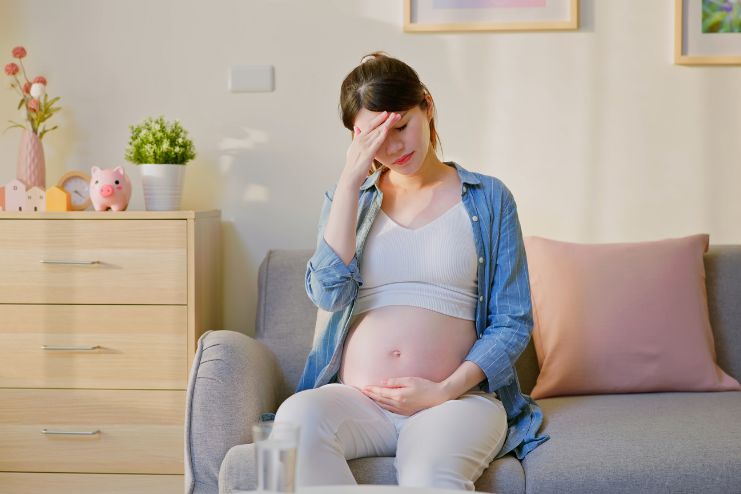
Notice your eyes are dry, itchy, or unusually irritated while pregnant? You’re not imagining it. Dry eyes during pregnancy may not be discussed as frequently as morning sickness or lower back pain, but it’s a surprisingly prevalent problem that many women experience.
Due to the hormonal changes that influence tear production, your eyes may feel grittiness or tiredness more than normal.
In this article, we will discuss why dry eyes happen in pregnancy, what you can do to get some relief, and when it is time to report to your doctor.
From simple lifestyle changes and dietary tips to soothing remedies and eye care routines, discover how to keep your eyes comfortable and well-protected throughout your pregnancy.
Read More: Managing Pregnancy Discomfort
Why Dry Eyes Are Common During Pregnancy
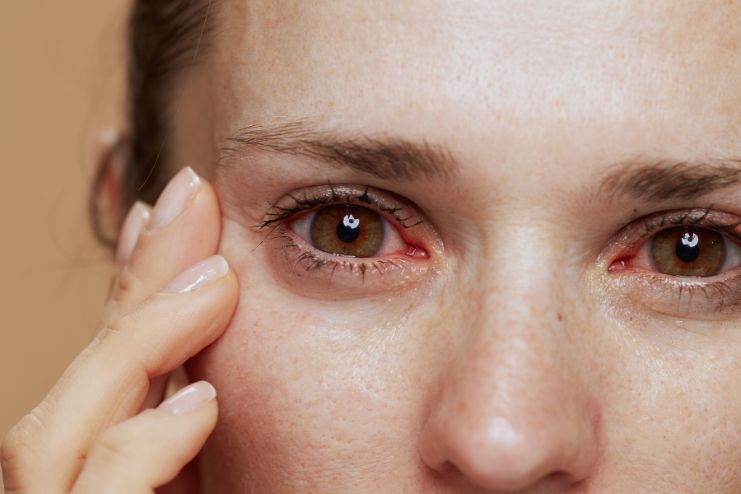
If you’re pregnant and experiencing dry, itchy, or irritated eyes, you’re not alone — it’s a common issue many expectant mothers face. Pregnancy and dry eyes often go together, though it’s not very commonly talked about.
Numerous women have this because of the natural changes occurring in their bodies. Here’s an easy explanation as to why it occurs and what can be done about it.
Hormonal changes disrupt tear production
One of the main causes of dry eyes during pregnancy is hormonal imbalance. Changes in estrogen and tear production occur, decreasing the quality and quantity of your eyes’ tears.
These changes impact the meibomian and lacrimal glands responsible for keeping your eyes moist. The consequence of these malfunctioning glands is dryness, irritation, and sensitivity.
Reduced tear quantity and quality
The hormonal fluctuations of pregnancy affect the stability of your tear film, so your eyes become more susceptible to dryness. In addition to fewer tears, the protective oils in your eyes could also be reduced, which causes faster evaporation of the tears.
That is why dry eyes often occur during pregnancy, particularly when you spend prolonged periods sitting in front of screens or in air-conditioned spaces.
Fluid retention and eye tissue swelling
While pregnant, your body retains more fluid. This can lead to mild swelling of eye tissues, including the cornea.
This swelling may make contact lens wear uncomfortable and, in some situations, dangerous. Many women experience visual changes or increased eye tiredness during pregnancy.
Dehydration can worsen dryness
It’s easy to get dehydrated during pregnancy, especially if you’re dealing with morning sickness or not drinking enough water.
Dehydration affects tear production and can worsen pregnancy and eye dryness. Staying well-hydrated is a simple but effective way to support your eye health.
Read More: Relaxation Practices for a Calm Pregnancy
Other Vision and Eye Changes You Might Notice
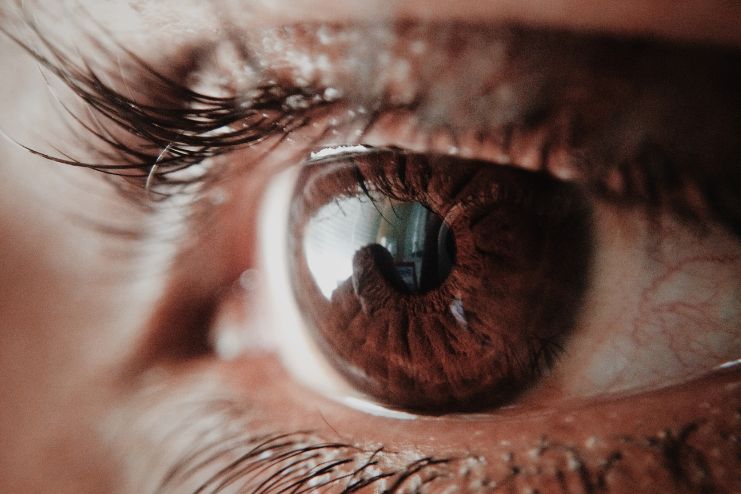
Pregnancy brings changes to your whole body, and that includes your eyes. If you’ve been experiencing unusual vision shifts recently, you’re not alone.
Most women experience changes in their vision during pregnancy due to hormonal fluctuations, fluid retention, and increased blood supply. These are usually temporary but can be uncomfortable nonetheless. Here’s what you may experience.
Blurry vision or difficulty focusing
Blurry vision in pregnancy is one of the most common complaints experienced by women. You may find yourself having difficulty focusing, or your vision may not be as clear.
This may occur due to water retention in the cornea, which changes its shape and the way it bends light. These conditions usually resolve after birth, but they can interfere with your daily activities for some time.
Increased light sensitivity
Changes in hormones can make your eyes more sensitive to light. Harsh lights, sunlight, or even home lighting can become more intense than normal.
These symptoms are related to the way your nervous system and eye tissues react to hormonal changes and dry eyes, and they often accompany headaches.
Contact lens discomfort
If you usually wear contact lenses, it may feel uncomfortable to wear them during pregnancy.
This happens because of the shifts in corneal thickness and decreased tear production, causing the lens to feel tight or dry. Most women opt for glasses until their vision goes back to normal after giving birth.
Eye fatigue or that “something-in-your-eye” feeling
Tired eyes while pregnant, especially after looking at screens for a long time or a lack of sleep, are not uncommon. Some women also complain of irritating or gritty sensations in the eyes, which can result from decreased tear quality and moisture.
Dry eyes and hormonal changes usually go together during this period, leading to eye fatigue and discomfort.
Learning about these vision changes during pregnancy will allow you to cope with them more easily. Hydration, reduced screen use, and artificial tears (after consulting your physician) may ease these symptoms.
Read More: Exercising Safely During Pregnancy
Who’s Most Likely to Experience It?
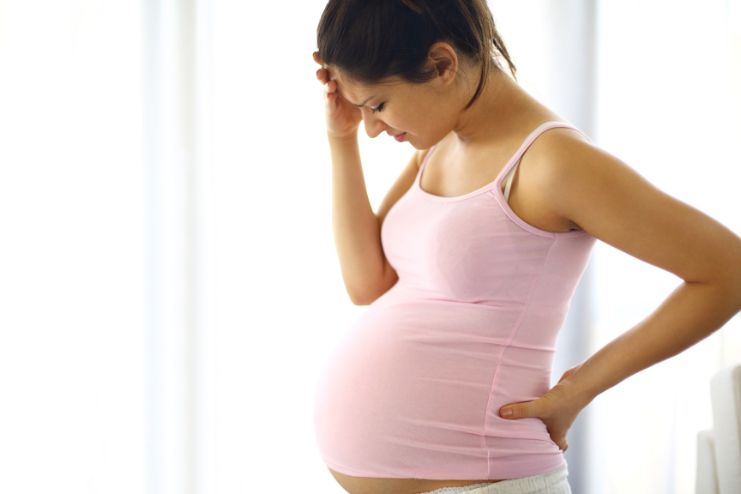
Dry eyes caused by hormonal changes that occur during pregnancy can influence tear production and eye comfort. Here you can see who is most likely to experience dry eyes.
Women with pre-existing dry eyes or allergies
If you already have eye allergies or dry eyes, pregnancy will exacerbate the problem. Hormonal fluctuations lower the amount and quality of your tears, increasingly irritating your eyes while pregnant.
Contact lens use during pregnancy
Contact lenses can feel awkward all of a sudden because of hormonal fluctuations that change the shape of your cornea and slow down tear production. This causes dryness and grittiness. Glasses are often substituted for a while by many women to prevent irritation.
Living in dry climates or working in air-conditioned spaces
Low-humidity or continuously air-conditioned environments can make dry eye symptoms worse. They allow tears to evaporate faster, which means that eye irritation during pregnancy becomes more pronounced and more difficult to control.
Using screens for extended periods
All-day use of computers and television screens can cause you to blink less frequently, which leads to evaporation of tears and strain on your eyes. Coupled with pregnancy hormones, your eyes end up feeling tired and dry.
Read More: Nutrition Essentials During Pregnancy
Safe, Pregnancy-Friendly Ways to Relieve Dry Eyes
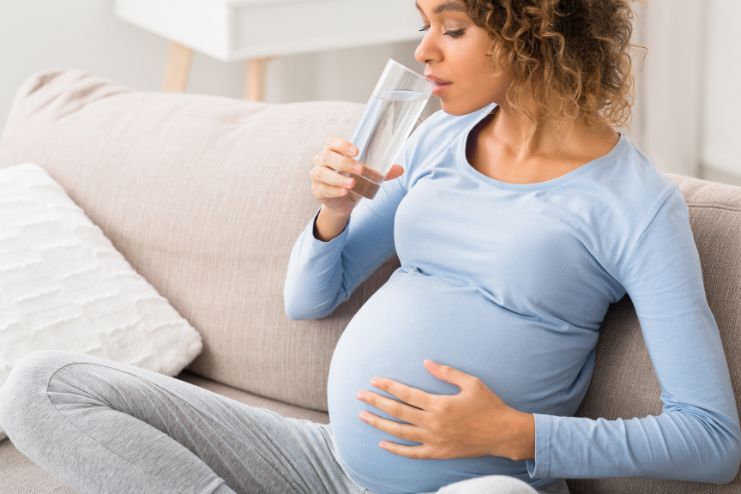
Pregnancy-related hormonal shifts can have a great impact on your eyes, resulting in dry eye syndrome during pregnancy.
Hormonal changes in estrogen and progesterone can decrease tear production and change the quality of your tears, resulting in irritation, itchiness, and discomfort.
The good news is that numerous safe remedies for dry eyes can relieve these symptoms and make your eyes feel comfortable during pregnancy.
1. Hydrate well
- It is important to drink a lot of water during the day to help sustain your body’s general hydration and eye wetness.
- Being properly hydrated allows your body to produce tears naturally, keeping your eyes moist.
- Dehydration, which is prevalent with pregnancy, can make dry eye worse, so sipping water frequently can counteract this.
- Good hydration is an easy solution to ease dryness due to hormonal changes.
2. Use preservative-free artificial tears
- One of the safer treatments for dry eyes is applying preservative-free lubricating eye drops or artificial tears.
- Try to use safe eye drops in pregnancy that are non-medicated and preservative-free to protect you and your baby from any possible risks.
- These drops moisten your eyes and soothe irritation and dryness.
- Before using any eye drops, it is always best to ask your healthcare professional if the product is safe to use while pregnant.
3. Apply warm compresses
- Placing a warm compress on your eyes relaxes irritation and opens the meibomian glands, which secrete the oily component of your tears.
- The oily component is necessary because it keeps tears from evaporating too rapidly, and opening these glands enhances tear quality and decreases dryness.
- Use a clean, warm (not hot) washcloth and place it over your closed eyes gently for 5 to 10 minutes once or twice daily.
- This is another safe, effective natural remedy for dry eyes in pregnancy.
4. Limit screen time or follow the 20-20-20 rule
- Prolonged exposure to digital screens may make dry eyes worse by lowering your blink rate and causing eye strain.
- To minimize dryness, use the 20-20-20 rule: every 20 minutes, take a 20-second break to gaze at something 20 feet away.
- Frequent blinking helps to keep your eyes moist and minimizes symptoms of dryness and irritation.
- This practice also fights weary eyes during pregnancy, which is common because of fatigue and hormonal fluctuation.
5. Use a humidifier
- Dry indoor air, particularly in air-conditioned or heated rooms, may enhance tear evaporation, causing your eyes to feel drier.
- Having a humidifier puts moisture into the air, which keeps eyes comfortable and minimizes dryness.
- This is especially helpful during dry weather or if you live in an arid climate, both of which may worsen dry eye syndrome in pregnancy.
- Adding moisture to your environment is easy and useful to help safeguard your eyes.
6. Switch to glasses if contacts are uncomfortable
- Hormonal changes during pregnancy may alter the shape and water content of your eyes, which can make wearing contact lenses painful or uncomfortable.
- If you find contacts irritating or dry, switching to glasses during pregnancy may alleviate eye strain and permit your eyes to breathe.
- Glasses also avoid irritation from further dryness and protect your eyes from external factors such as wind or dust.
Read More: 10 Must-Have Products for Prenatal Care
When to Talk to Your Doctor
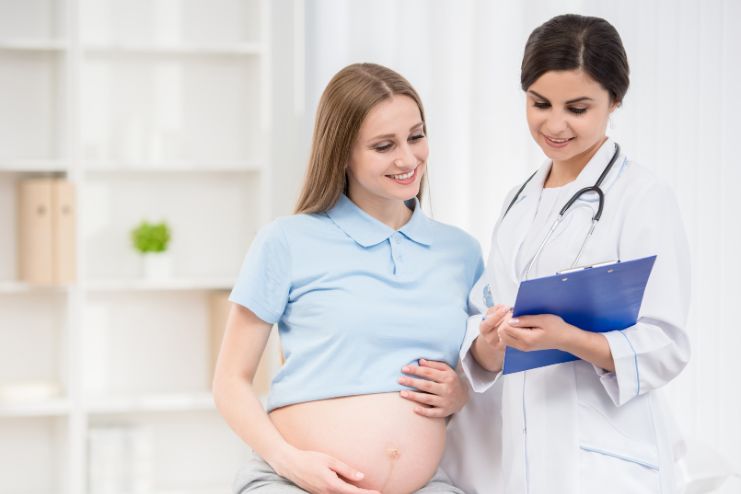
Although most vision and eye changes that occur in pregnancy are harmless and temporary, it is helpful to know when to get medical guidance. Dry eyes, blurry vision, and eye irritation due to hormonal changes can occur while pregnant, yet at other times, these signs could be an indication of something more alarming.
The following are a few warning signs that it is time to consult with an ophthalmologist or a medical provider.
Persistent irritation, redness, or blurred vision
If you’re experiencing ongoing dryness, itching, or blurry vision in pregnancy that doesn’t improve with simple remedies like artificial tears or screen breaks, it’s best to consult a doctor.
While hormones are often the cause, persistent discomfort or vision changes could also point to other conditions, such as high blood pressure or gestational diabetes, which can affect eye health.
Signs of eye infection
Look for signs such as red, inflamed eyes, yellow or green mucus, sensitivity to light, or pain on blinking. They could be indicative of an eye infection, which needs to be treated urgently.
Pregnancy can sometimes weaken your immune system, and you might be more susceptible to infections, or healing would be delayed, so don’t take these warning signs lightly.
Want to confirm whether a product is safe to use during pregnancy
Most over-the-counter eye drops and medications are useful for treating hormonal fluctuations and dry eyes, but they are not all safe to use if you’re pregnant.
Before using artificial tears, allergy drops, or applying any ointment to the eyes, particularly those preservative or medicated ones, it’s wise to consult your physician or eye doctor. They can suggest pregnancy-safe treatments to ease symptoms without harm to you or your unborn baby.
Overall, pregnancy-related vision symptoms such as dry eyes, light sensitivity, and eye strain caused by pregnancy hormones are not harmful and disappear after delivery.
But if there are severe or out-of-the-ordinary symptoms, seeking medical advice puts your mind at ease and in the right hands. A visit to your healthcare professional can quickly eliminate complications and point you to safe, effective relief.
Read More: Natural Ways for Dealing with Morning Sickness During Pregnancy
Can Dry Eyes Affect Your Baby or Delivery?
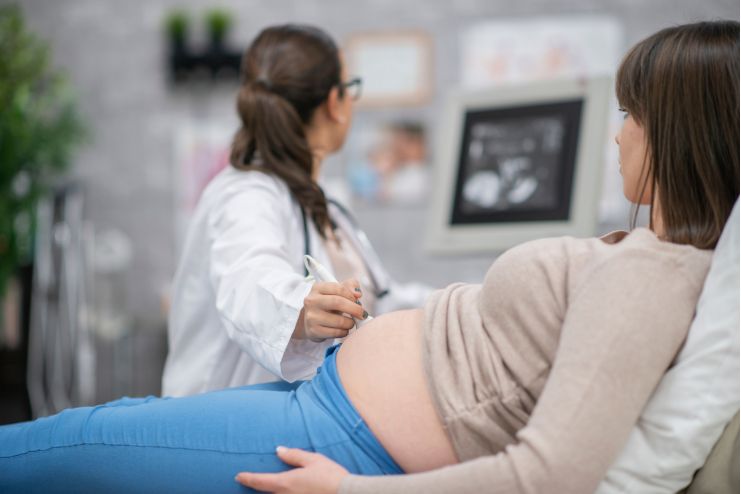
If you have dry, itchy, or fatigued eyes during pregnancy, it’s natural to wonder if this will impact your baby or delivery. The good news is that although dry eyes during pregnancy will be frustrating and uncomfortable for you, they’re not at all dangerous to your baby.
Uncomfortable for you, but safe for your baby
Changes in hormones during pregnancy—primarily dips in estrogen and progesterone—may influence tear production and result in dryness, irritation, or even blurred vision. These are normal symptoms and are associated with the way your body is accommodating to nourish your growing baby.
The symptoms do not compromise your baby’s development or your health for a healthy birth. Therefore, although eye irritation while pregnant can be annoying, be reassured that it is not harmful to your baby.
Symptoms usually go away after childbirth
The majority of instances of pregnancy changes in vision, such as dry eye, will simply correct themselves when hormone levels balance after giving birth.
Your tear flow should return to normal within a couple of weeks after delivery. In a few instances, the symptoms can last a bit longer if you’re breastfeeding, but usually subside without creating long-term issues.
Taking care of yourself helps
Even though dry eyes don’t harm your baby, it’s important to take care of your comfort. Pregnancy hormones and eye strain can make things like working, driving, or reading more challenging.
Staying hydrated, using doctor-approved artificial tears, and taking breaks from screens can be a real game-changer. Wearing sunglasses when outside and employing a humidifier when indoors can also provide some relief.
When to check in with your doctor
If your symptoms are bad, don’t wait to contact your doctor or eye care professional. They can recommend safe treatments and ensure there’s no underlying condition.
But generally, you can rest assured, pregnancy blurry vision and dry eyes are a nuisance, but they are temporary and not of concern to either your baby’s birth or health.
Read More: Effective Home Remedies to Cure Constipation During Pregnancy
Final Thoughts

Dry, itchy eyes may not be on your pregnancy radar, but they are a frequent and harmless side effect of changing hormones. Hormonal shifts can influence how your eyes make and keep tears, causing dryness and irritation, as well as blurry vision.
The good news is that by trying a few easy and pregnancy-safe treatments, such as preservative-free artificial tears, staying hydrated, and sidestepping dry or windy conditions, you can relieve yourself and keep your eyes comfortable.
Caring for your eyes is all part of caring for yourself, so don’t delay in getting the help you need for clear, comfortable vision during this special time.
References
- https://www.medicalnewstoday.com/articles/dry-eyes-during-pregnancy
- https://lighthousevisionct.com/blog/is-dry-eye-during-pregnancy-normal/
- https://www.aao.org/eyenet/article/ocular-changes-in-pregnancy
- https://alchemisthospitals.com/what-to-know-about-dry-eyes-during-pregnancy/
- https://www.babycentre.co.uk/x557911/why-do-my-eyes-feel-so-dry-now-im-pregnant
- https://www.eye7.in/blurry-vision-during-pregnancy/
- https://www.medicalnewstoday.com/articles/seeing-sparkles-in-vision-pregnancy#summary
- https://www.goodeyes.com/eye-health/vision-changes-during-pregnancy/
- https://my.clevelandclinic.org/health/symptoms/23114-blurry-vision-pregnancy
- https://www.nei.nih.gov/learn-about-eye-health/eye-conditions-and-diseases/dry-eye
- https://my.clevelandclinic.org/health/diseases/24479-dry-eye
- https://www.aoa.org/healthy-eyes/eye-and-vision-conditions/dry-eye
- https://pmc.ncbi.nlm.nih.gov/articles/PMC4738658/
- https://www.allaboutvision.com/conditions/related/pregnancy-and-vision/
- https://www.webmd.com/baby/dry-eyes
- https://www.centreforsight.net/blog/eye-care-during-pregnancy-are-these-changes-alarming-you
In this Article