












“Not all detoxes are created equal — and some could be doing more harm than good.”
In today’s health-obsessed culture, the word detox gets thrown around a lot. You’ve probably seen influencers raving about juice cleanses, celebrities promoting detox teas, or flashy ads promising to flush out toxins and help you shed pounds fast. However, most of these detoxes aren’t supported by science.
Extreme detox methods can throw your body out of balance, causing dehydration, nutrient deficiencies, digestive issues, and in some cases, even long-term damage.
In this article, we’ll take a closer look at six popular detox trends that have gone viral for all the wrong reasons. We’ll break down what actually happens in your body when you try these fads, what the science really says, and offer realistic, safe alternatives without putting your health at risk.

What “Detox” Actually Means (and What It Doesn’t)

We hear the word detox everywhere—on Instagram reels, in beauty ads, even on bottled juices promising to flush your system in 72 hours. But here’s the reality: your body doesn’t need a reset button. It already comes with one.
Your liver, kidneys, skin, lungs, lymphatic system, and gut are constantly working behind the scenes to break down, neutralize, and eliminate toxins—whether it’s that glass of wine from last night, air pollution from your morning run, or byproducts of normal metabolism. This natural detoxification system works 24/7 without any special drinks or magic pills. It’s not something you initiate; it’s something your body already does.
Read More: Demystifying Detox: Debunking Common Myths and Effective Cleansing Methods
The Science of Real Detox: It’s Not Sexy, but It Works
Let’s break down how your body truly handles toxins, without needing a “3-day cleanse”:
- Liver: Your body’s primary detox lab. It uses enzymes like cytochrome P450 to break down drugs, alcohol, pesticides, and even some hormones into safer compounds that your body can excrete.
- Kidneys: Constantly filter your blood, removing excess waste, toxins, and fluids. They are excreted through your urine.
- Lungs: Exhale carbon dioxide and other airborne toxins.
- Skin: Helps eliminate waste through sweat, though its role is minimal compared to other organs.
- Digestive Tract: Bile (produced by the liver) helps eliminate fat-soluble toxins through the gut and into the stool.
What powers this process isn’t turmeric shots or activated charcoal—it’s nutrients like amino acids, antioxidants (especially glutathione), and fiber, along with proper hydration and sleep.
How “Detox” Became a Buzzword
The problem began when marketers realized that “detox” sold better than “digestion” or “support your liver enzymes.” In the early 2000s, they began branding anything restrictive as a cleanse—from 500-calorie green juice plans to foot pads that claim to draw out metals through your soles.
These programs rarely acknowledge your body’s actual detox system. Instead, they rely on fear-based marketing: painting a picture of a toxin-riddled body in desperate need of their product. This plays into our desire for quick fixes and “clean slates,” even if the science doesn’t back it.
“True detox isn’t starvation or restriction—it’s biochemistry,” says Dr. Pieter Cohen, internist at Harvard Medical School and expert on supplement safety. He’s spent years investigating the shady practices behind detox supplements and pseudo-medical marketing.
How to Tell if a “Detox” is a Scam
If a detox plan:
- Severely restrict calories (below 1,200 kcal/day for women, 1,500 for men)
- Cuts out major food groups (like carbs, fats, or proteins entirely)
- Promises to “flush toxins” without specifying which ones
- Suggests “pulling metals from your cells overnight”
- Doesn’t offer fiber, protein, or fat (essential for real detox pathways)
…it’s not a detox. It’s a fad. Worse, it might stress your detox organs instead of supporting them.
Your liver, for example, relies heavily on protein-derived amino acids to process toxins. So when you do a juice cleanse and skip protein for three days, you may actually slow down detoxification rather than accelerate it.
Read More: How to Detox Safely Without Fad Diets
Cleanse vs Detox — Why Words Matter
Marketers love ambiguity—it gives them room to stretch the truth. One brand’s “cleanse” might be a plant-based smoothie guide; another’s might be a laxative cocktail. The lack of standardization leaves consumers guessing, and that guesswork can turn dangerous.
“Cleanse” Sounds Gentle, but It Can Be Harsh
There’s a psychological comfort to the word cleanse. It evokes softness, lightness, even spirituality. But not all cleanses are created equal.
For instance:
- A fiber-heavy smoothie plan may support gut health (short-term).
- A “colon flush” with stimulant laxatives can cause:
- Cramping
- Severe dehydration
- Electrolyte imbalances
- Rare complications like bowel perforation.
Your body can’t distinguish between a “marketing cleanse” and a medical threat. If it senses a loss of fluid and sodium, it enters a stress state.
Reframing the Language: “Reset” Over “Cleanse”
Registered Dietitian Keri Glassman, founder of Nutritious Life, encourages clients to ditch the word cleanse entirely.
“Cleaning is for your counters. Resetting is for your habits,” she says.
Her advice?
- Focus on sleep hygiene.
- Add more colorful produce.
- Build stress resilience.
- Drink enough water—yes, plain water.
This reframing helps clients shift from “eliminating toxins” to “restoring balance,” which is more aligned with how the body actually functions.
Don’t Be Fooled by Fuzzy Vocabulary
If a product uses phrases like:
- “Herbal flush”
- “Deep cellular detox”
- “Toxin removal at the mitochondrial level”
…be skeptical. These words sound scientific but are often devoid of meaning. Unless a company can answer:
- What exact toxins are being removed?
- Through what physiological pathway?
- Backed by which peer-reviewed clinical trial?
…it’s likely smoke and mirrors. As a rule of thumb, the vaguer the claim, the bigger the red flag.
Read More: Cleanse Your Body Naturally
Six Detox Trends That Could Be Harmful

Detox culture is no longer a fringe idea—it’s a mainstream obsession. A quick scroll through wellness TikTok or Instagram reveals influencers sipping neon juices, flaunting “before-and-after” bloat pics, and promoting products that promise to flush out toxins, boost energy, and reset your body in just a few days.
But behind the aesthetic packaging and persuasive marketing lies a concerning truth: many of these so-called detoxes are ineffective at best, and actively harmful at worst. Most of these trends target people who are simply looking to feel better, less sluggish, more energized, and a little lighter.
Below, we break down six of the most viral detox trends of the past few years—examining what they claim to do, what the science says, and why doctors are urging caution.
1. Juice Cleanses
The promise: Drink only green juices for three to five days, and you’ll flush out toxins, shed a few pounds, and reveal glowing skin. Sounds simple, right?
The problem: In reality, juice cleanses strip away one of the most important parts of plant-based foods: fiber. Without it, juices become a fast track to blood sugar spikes and digestive distress. A 2025 study by Northwestern University found that going on a juice-only diet for just 72 hours shifted gut and oral bacteria toward inflammation-promoting strains.
Risks at a glance:
- Spikes in blood sugar due to high fructose.
- No protein = impaired muscle recovery and immune function.
- Loss of fiber – reduced gut diversity and resilience.
Expert insight: “Removing the pulp removes the prebiotic that keeps your microbiome resilient,” explains Dr. Melinda Ring, Director of Northwestern’s Osher Center for Integrative Health. “It’s like watering your plants but never feeding the soil.”
If you’re craving a reset, add more whole fruits and vegetables to your diet, not less.
2. Detox Teas
The promise: Sip your way to a flatter stomach with herbal teas that “flush toxins” and reduce bloating.
The problem: Most detox teas rely on senna, a powerful natural laxative approved for short-term use in constipation, not daily consumption. While they may lead to temporary weight loss, it’s mostly just water and waste, not fat. Long-term use can result in serious issues like liver stress, potassium deficiency, and dependence.
Red flags to watch for:
- Persistent cramping and loose stools.
- Heart palpitations or lightheadedness due to dehydration.
- Disrupted gut motility from chronic use.
Expert warning:
“Water loss is not fat loss, and laxative dependence is a real clinical problem,” says Dr. Michael Russo, gastroenterologist at Cedars-Sinai. “When your body relies on stimulation to go, it forgets how to function naturally.”
Teas aren’t detoxing you—they’re dehydrating you.
3. Liver “Flushes” and Herbal Detox Packs
The promise: Mix up grapefruit juice and olive oil, or pop a few “liver detox” supplements, and you’ll purge gallstones and rejuvenate your liver.
The problem: There’s no scientific evidence that these protocols remove actual stones. The rubbery clumps that people pass are simply the result of chemical reactions in the gut, not gallbladder debris. Worse, several herbal detox products have been implicated in cases of drug-induced liver injury (DILI), especially those containing usnic acid and green tea extract in high doses.
What to watch out for:
- Claims of “gallstone purging”.
- Multi-herb capsules with undisclosed dosages.
- Liver discomfort or yellowing skin after use.
Expert opinion:
“Your liver is regenerative by design. Forcing it to detox with concentrated herbs can backfire spectacularly,” warns Dr. Rohit Loomba, Director of Hepatology and Vice Chief, Division of Gastroenterology at the University of California.
A healthy liver needs nourishment, not punishment.
4. Activated Charcoal Lemonades
The promise: Sip charcoal lemonade to soak up toxins and feel lighter and cleaner.
The problem: While activated charcoal is useful in emergency medicine (like in cases of poisoning or drug overdose), it’s completely non-selective. That means it binds to everything—nutrients, medications, and the supposed “toxins” alike. Drinking it regularly can interfere with important prescriptions like thyroid medication, birth control, and antidepressants.
Risks include:
- Reduced absorption of critical nutrients.
- Deactivation of medications.
- No evidence of routine detoxification benefit.
Pro tip: If you’re on any prescription drugs or supplements, charcoal lemonade could disrupt how your body processes them. Always check with a healthcare provider before using.
Expert reminder: Charcoal belongs in emergency rooms, not your smoothie rotation.
5. Colon Cleanses and Coffee Enemas
The promise: Cleanse your colon, improve digestion, and boost mental clarity with colonics or coffee enemas.
The problem: The colon doesn’t need cleansing—it’s already excellent at clearing out waste, especially if you’re getting enough fiber. Colon irrigation and enemas can strip away protective gut flora, cause tears or perforations, and even introduce bacteria into the bloodstream. In rare cases, coffee enemas have led to sepsis and death.
Documented dangers:
- Vomiting and rectal pain.
- Electrolyte imbalances.
- Infection risk, including sepsis.
Expert insight:
“A fiber-rich diet is your colon’s best friend,” according to Mayo Clinic experts. “There’s no need for invasive interventions when fruits, legumes, and whole grains work just fine.”
Skip the tubes. Trust your colon.
6. Extreme Fasting Challenges
The promise: Water-only fasts for 48–72 hours to “reset your metabolism” and trigger autophagy.
The problem: While some evidence supports intermittent fasting for metabolic health, unsupervised extreme fasting can lead to dangerous electrolyte imbalances, fatigue, muscle loss, and even refeeding syndrome—a potentially fatal shift in fluids and minerals once eating resumes.
Potential consequences:
- Slowed metabolism.
- Muscle breakdown.
- Irregular heartbeat, dizziness.
- Nutrient deficiencies.
Expert input:
“Fasting can be therapeutic, but only in medically screened settings,” says Dr. Valter Longo, Director of the Longevity Institute at the University of Southern California and author of The Longevity Diet. “Without guidance, it quickly becomes unsafe.”
If you’re going to fast, do it for health, not a trend—and never without proper support.
Safe and Effective Ways to Support Natural Detox
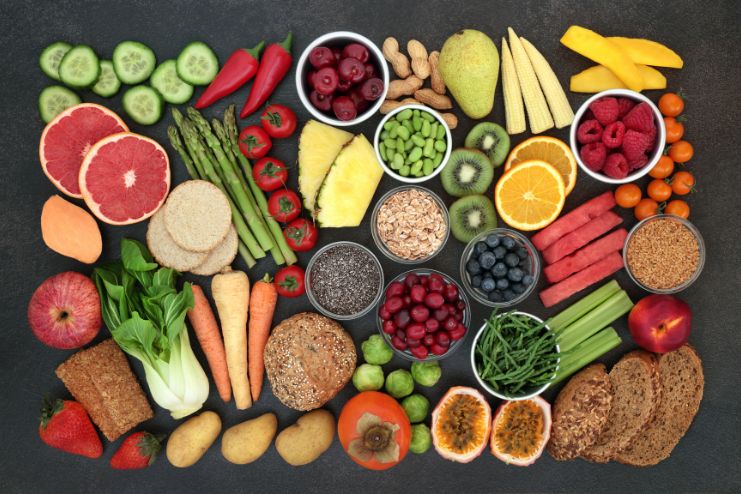
Supporting your body’s detox system isn’t about flashy quick fixes or expensive supplements. It’s the everyday habits—like eating veggies, drinking enough water, staying active, and getting quality sleep—that quietly but powerfully keep your detox organs running smoothly. These slow and steady habits build real health, even if marketers don’t shout about them.
What works:
- Fiber matters: 30 grams a day helps bind toxins and boost stool bulk, aiding elimination.
- Stay hydrated: 2–3 liters of water daily keeps the kidneys filtering well. Add lemon or mint for flavor, not miracles.
- Eat cruciferous veggies: Broccoli, kale, and cauliflower support liver enzymes that break down toxins.
- Move and sweat: Exercise promotes lymph flow and waste removal. Infrared saunas aren’t proven to be better than a brisk walk.
- Prioritize sleep: Deep sleep activates the brain’s waste-clearing glymphatic system. Aim for 7–9 hours.
Health comes from what you do every day, not what you buy for a week. Detox isn’t a rescue mission or a trend—it’s built into the rhythm of your daily lifestyle.
Read More: Foods Good for Detoxification
Read More: 7 Best Detox Drinks For Summer
Conclusion
Detox culture thrives on promises of quick fixes and magical transformations, but real detoxification is a complex, ongoing process your body manages every day. No juice, tea, enema, or herbal concoction can outperform the proven pillars of health: balanced nutrition, regular exercise, restful sleep, and stress management.
Beware of flashy claims that gloss over science, hide ingredients, or pressure you to buy fast. Instead, trust qualified experts, peer-reviewed research, and your own body’s signals.
Remember, health is a marathon, not a sprint—and the truth always outpaces hype.
References
- https://pmc.ncbi.nlm.nih.gov/articles/PMC11392003
- https://www.mayoclinic.org/healthy-lifestyle/consumer-health/expert-answers/colon-cleansing/faq-20058435
- https://news.northwestern.edu/stories/2025/02/juicing-may-harm-your-health-in-just-3-days-new-study-finds
- https://www.nccih.nih.gov/health/detoxes-and-cleanses-what-you-need-to-know
- https://www.mdanderson.org/cancerwise/the-facts-behind-4-detox-myths-should-you-detox-your-body.h00-159385890.html
- https://www.medicalnewstoday.com/articles/325221
- https://www.uhhospitals.org/blog/articles/2020/01/feeling-the-need-to-detox-heres-the-real-truth
- https://www.theguardian.com/lifeandstyle/2014/dec/05/detox-myth-health-diet-science-ignorance
- https://www.samitivejhospitals.com/article/detail/detox
- https://www.baptisthealth.com/blog/health-and-wellness/6-dangers-of-detox-diets
- https://www.livescience.com/48887-juice-cleanse-dangers.html
- https://www.rogelcancercenter.org/living-with-cancer/mind-body-side-effects/nutrition/detox-diets-and-cleansing-trends
- https://m.economictimes.com/industry/healthcare/biotech/healthcare/detox-dangers-why-you-should-reconsider/detox-dangers/slideshow/113958663.cms
- https://www.instagram.com/drmanjulaanaganiofficial/p/DIsyf3astE_
- https://www.tinyhealth.com/blog/ditch-the-detox-trends-better-ways-to-reset-your-health
In this Article