













In today’s fast-paced, demanding world, teen stress is on the rise. Teenagers are often overburdened by expectations, which range from academic performance to navigating complex social situations. Teens’ stress levels are rising, which is not surprising when considering the demands of extracurricular activities, family problems, or exposure to social media.
It is essential to identify the symptoms of stress in teenagers to provide early assistance. A teen may be experiencing emotional difficulties if they exhibit behavioral changes, mood swings, or even physical signs. Early detection of these symptoms enables parents, educators, and other caregivers to provide the necessary assistance and guide teenagers toward more effective coping strategies.
This article examines five typical indicators of teen stress and offers helpful coping mechanisms. Knowing these indicators can help you avoid burnout and support emotional health, whether you’re a parent, teacher, or adolescent.
Read More: Teen’s Mental Health Isn’t Deteriorating Because Of Tech Time
1. Changes in Sleep Patterns
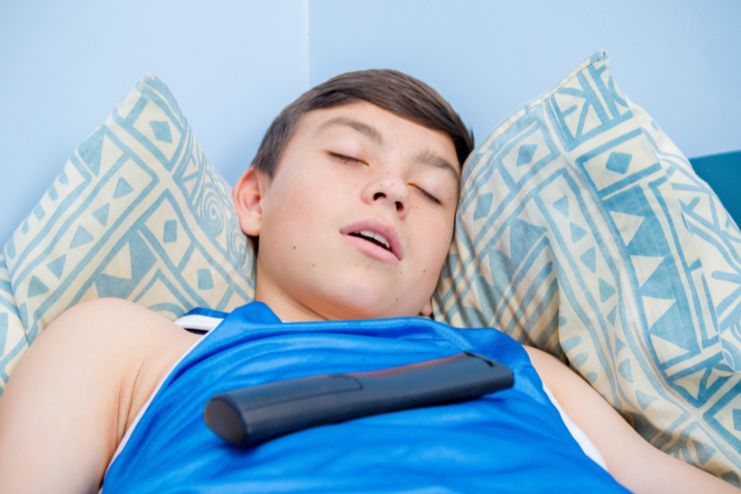
Teens are incredibly energetic, full of possibilities, yet… tired. According to research, the majority of teenagers do not consistently receive the amount of sleep that is recommended. Everybody has different sleep needs. Teenagers are going through a critical period in their development, so they require more sleep than adults. To feel energetic and well-rested, the typical teen requires roughly nine hours of sleep every night.
Teenagers’ sleep issues may start long before they turn thirteen. The teenage years are closely linked to the changes in sleeping patterns and physical development that occur in children aged 10 to 12. Sleep habits are also deeply ingrained in the lives of teenagers. They find it difficult to alter their sleeping habits. Teenagers’ sleep issues may last far into adulthood.
Teens who don’t get enough sleep may struggle with problem-solving, decision-making, and general cognitive skills, which can have a tremendously detrimental effect on academic performance and long-term mental health. In addition to being detrimental to your health, stress can keep you from obtaining enough sleep.
Dr. Annise Wilson, assistant professor of neurology and pulmonary, critical care, and sleep medicine, stated that stress can impact teens’ sleep in many ways. “We frequently observe insomnia.”
Teenagers who get adequate sleep can also better handle the pressures of their changing emotional, social, and physical environments. The brain controls stress chemicals like cortisol while you are in deep sleep.
Read More: How to Talk to Your Kids About Mental Health
2. Mood Swings and Irritability

About 8% of adolescents and teenagers in the US suffer from an anxiety disorder, which is one of the most prevalent mental health conditions in the country. Anxiety disorders affect 1 in 10 to 1 in 13 persons. During the COVID-19 pandemic, this has worsened.
The US Surgeon General issued an advisory in May 2023 stating that Gen Z adolescents, ages 16 to 24, are the group most afflicted by the loneliness crisis we are currently experiencing. It steadily rose between 1976 and 2019.
Adolescence is a time marked by both opportunities and challenges. During this time, teenagers’ brains are developing, and they naturally desire greater freedom and autonomy. Additionally, there is considerable pressure throughout this time. Teenagers may worry about things like starting secondary school, their appearance, fitting in with their peers, final exams and coursework, participating in school plays, or attending formal school events.
The majority of tension and anxiety pass quickly, perhaps within a day or a few hours. But when the worried feelings are severe and persist for many weeks, months, or even longer than that, then anxiety becomes a growing concern.
According to Dr. Beresin, preteens and teens can deal with stress in various ways, and students can and should be activists. I want them to examine their extracurricular and curriculum activities under the supervision of their teachers.
Encourage teens to communicate their emotions through conversation, art, or journaling to reduce their tension. Engaging in soothing pursuits, such as hobbies, music, or meditation, can also help stabilize one’s mood. In more serious situations, seeking expert assistance ensures that teenagers receive the support they need to manage their emotions effectively.
3. Decline in Academic Performance

Teenagers’ minds and bodies can be negatively affected by a variety of factors, including interpersonal issues and academic struggles. School stress isn’t always a concern for students’ mental well-being, just as stress itself isn’t always an issue.
A healthy amount of stress that seems doable fosters resilience and is essential for development. The issue is unhealthy stress, sometimes known as “distress,” which can negatively impact kids and make them feel unmanageable.
Yet, when stress, worry, and concern start to take over, it gets harder to focus and finish tasks. According to numerous national studies of college students, emotional health issues are the most significant obstacles to academic success.
Teens frequently have to balance their desire to maintain high grades with homework, tests, and other obligations. This academic pressure has the potential to seriously increase school stress and jeopardize mental health and well-being.
Creating a peaceful, orderly, and distraction-free workspace is crucial to helping teenagers succeed academically. Additionally, establishing reasonable academic goals can ease stress and promote consistent advancement rather than perfection.
Teens can stay on track by practicing time management strategies, such as using planners or setting study timers. Promoting frequent study breaks helps the brain relax and rejuvenate, enhancing concentration and memory. Seeking additional assistance from teachers or tutors can provide personalized guidance and alleviate stress.
Read More: Raising Kids with Healthy Eating Habits in a Fast-Food World
4. Physical Symptoms

Morning stomachaches before school. Headaches occur when there is a scheduled math test. Before a birthday party, butterflies. Vomiting before a soccer match. A parent may notice these physical symptoms as their child’s first indication of anxiety. The youngster might not even be aware that they are anxious.
Stress often manifests as physical symptoms. Frequent headaches, stomachaches, and other physical issues may indicate stress.
Children who suffer from anxiety do not make up for these symptoms or attempt to avoid situations. When a child’s body reacts to what they perceive as frightening or harmful, they may have a headache or stomachache. Seeing your doctor to make sure there isn’t a medical cause for your child’s pain is the first step in helping them.
When the brain senses danger, it triggers the fight-or-flight response, which is responsible for these physical symptoms. According to Janine Domingues, PhD, a clinical psychologist at the Child Mind Institute, each one has a specific function.
It’s crucial to adopt a healthy lifestyle to help mitigate these bodily consequences. Frequent exercise, such as swimming, walking, or participating in team sports, helps lower stress hormones and elevate mood. A nutrient-dense, well-balanced diet and adequate hydration also support overall health and stress tolerance.
5. Social Withdrawal

Analyzing the causes of teenage avoidance and comprehending the consequences of such behavior are crucial when exploring the intricacies of understanding social disengagement in teenagers. Teens who remove themselves from social connections and prefer to be alone over spending time with friends, family, or peers are exhibiting a worrying behavior known as adolescent social withdrawal.
Teens who isolate themselves may appear unmotivated, but there’s usually more happening here. They may be experiencing internal struggles and require assistance and understanding rather than just a lack of interest.
Teenage loneliness and isolation also cause numerous negative physical and mental symptoms. Furthermore, social isolation among teenagers may be an early indicator of adolescent depression. Furthermore, teenage solitude may indicate an avoidant personality disorder.
Getting your teen involved in new activities allows them to interact with people in a relaxed and organic way. Engaging in creative pursuits, such as music or art, joining a group, or participating in sports, can help individuals discover new interests and friendships.
By having regular chats, you can better comprehend what’s going on and let your kids know they’re not alone. Being genuinely interested in what an isolated kid cares about is one of the finest ways to establish a connection with them.
If the isolation worsens, it may be time to seek professional help. With the help of a counselor or therapist, your teen can express themselves and discuss the causes of their withdrawal in a secure, accepting environment.
Read More: Teens Who Don’t Date Are Less Likely To Be Depressed, New Study Suggests
Conclusion
Promoting teenagers ‘ mental and physical well-being requires identifying and treating the symptoms of stress. These symptoms, which can range from mood swings and sleep disturbances to academic difficulties, medical ailments, and social disengagement, often point to an overburdened kid who needs help.
By being aware of these indicators, parents, guardians, and educators can take proactive measures to help teenagers manage stress in healthy ways.
Offering parental support through candid communication, encouragement, and a nonjudgmental mindset can have a big impact. Effective stress management techniques include developing a balanced schedule, implementing coping mechanisms, and, when necessary, seeking expert advice. In addition to managing present stress, promoting teen well-being entails equipping them with the tools they need to navigate future obstacles.
References
- https://www.uclahealth.org/medical-services/sleep-disorders/patient-resources/patient-education/sleep-and-teens
- https://www.sleepfoundation.org/insomnia/stress-and-insomnia
- https://www.thensf.org/the-critical-connection-between-teens-sleep-and-mental-health
- https://www.bcm.edu/people-search/annise-wilson-33076
- https://www.bcm.edu/news/how-stress-can-affect-your-sleep
- https://www.hhs.gov/sites/default/files/surgeon-general-social-connection-advisory.pdf
- https://www.apa.org/topics/children/stress
- https://www.hopkinsmedicine.org/health/conditions-and-diseases/anxiety-disorders/anxiety-and-stress-in-teens
- https://www.massgeneral.org/doctors/16598/eugene-beresin
- https://www.massgeneralbrigham.org/en/about/newsroom/articles/stress-in-teenagers
- https://www.relationalpsych.group/articles/exploring-the-impact-of-school-stress-on-teens-emotional-well-being
- https://jedfoundation.org/resource/understanding-academic-stress
- https://www.verywellmind.com/signs-your-teen-is-stressed-out-2611336
- https://kidshealth.org/en/teens/stomachaches.html
- https://childmind.org/bio/janine-domingues-phd
- https://childmind.org/article/anxious-stomach-aches-and-headaches
- https://www.newportacademy.com/resources/empowering-teens/teenage-isolation
In this Article