














If you’re a woman over 35, you’ve likely noticed some changes. A drop in energy levels, feeling tired even after resting well, or frequent mood changes. There are various factors that are responsible for these symptoms, one of them can be nutritional deficiency.
As we get older, our bodies lose their ability to absorb and utilize essential vitamins and minerals. Factor in hormonal changes, hectic lifestyles, and dieting, and it’s easy to see how nutritional gaps can develop—even with a fairly good diet. These deficiencies don’t affect just your bones or your gut; they might impact mood and memory, immune function, and metabolism.
Dr. Tania Dempsey, founder of the AIM Center of Personalized Medicine, points out that what worked for your body at age 25 may not work the same way at age 40. She further emphasizes that hormonal changes, particularly perimenopause, influence how the body absorbs and metabolizes nutrients such as iron, magnesium, and B12.

In this article, let’s look at the top five most common nutrient deficiencies in women aged over 35 and why they’re important, how to identify them, and what the solutions are.
The Impact of Age on Nutrient Absorption and Needs
As you age, especially after crossing 35, nutrient absorption naturally declines due to several biological and lifestyle factors:
- Hormonal shifts are a major factor that makes you absorb fewer nutrients. The hormones, especially declining estrogen and progesterone, can interfere with calcium, magnesium, and vitamin D metabolism.
- The stomach produces less acid, due to which nutrient absorption becomes harder, especially in the case of nutrients like B12, iron, and zinc.
- Women juggling work and family life can have chronic stress issues and poor gut health. These factors further impair digestion and nutrient absorption.
- Women over 35 also tend to eat less. This can either be intentional for weight control or due to a lower appetite, leading to less nutrient absorption.
According to studies, women between 31–50 do not meet the recommended daily intake for magnesium, calcium, iron, and vitamins D and B12.
Meeting your nutritional needs through diet alone gets harder as you age. This is particularly true if you follow a restrictive diet, skip meals, or consume excessive processed food. These factors make it essential to follow a nutrient-rich diet or include the right supplementation for overall health after 35.
Vitamin D: The Immunity and Mood Booster
Why It’s Important:
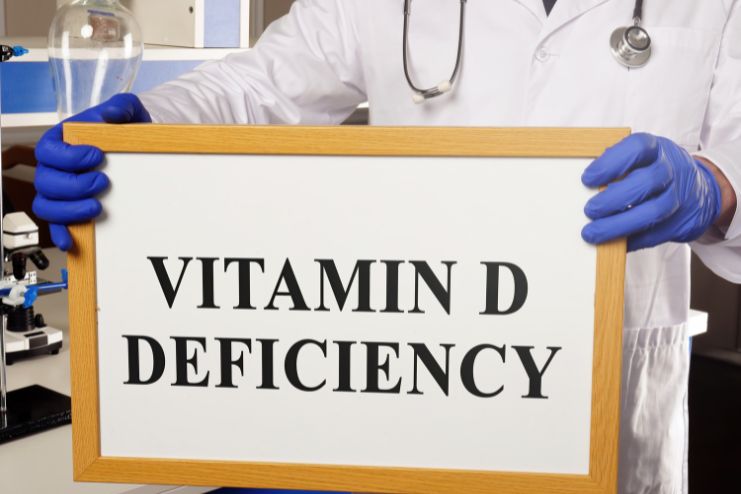
Vitamin D is not only for bones—it’s a hormone-like vitamin that controls immune function, mood stability, hormonal balance, and inflammation. It also facilitates calcium to be absorbed well into your bones.
Yet after 35, skin loses the ability to synthesize vitamin D from sunlight efficiently. Indoor sedentary lifestyles and sunscreen application further add to this quiet epidemic.
Symptoms of Vitamin D3 Deficiency:
- Low energy despite resting well
- Mood dips or seasonal blues
- Frequent infections
- Back pain or bone aches
- Muscle weakness or slow wound healing
How To Replenish It:
- Get 15–30 minutes of midday sunlight, at least 3 times a week, without sunscreen.
- Add vitamin D–rich foods such as wild salmon, egg yolks, fortified dairy, and mushrooms.
- Supplement with vitamin D3 (cholecalciferol), preferably in combination with vitamin K2, to enhance the delivery of calcium into bones.
- Begin vitamin D supplements at 1,000–2,000 IU/day, but obtain blood levels for accuracy.
If you’re a vegan, try Sports Research Vegan D3 for best results.
Read More: Trying to Conceive? The Link Between Vitamin D Deficiency and Infertility
Iron: The Energy Enabler
Why It’s Important:
Iron is needed to produce hemoglobin, the oxygen carrier in your blood. Without sufficient oxygen, your cells simply don’t get enough oxygen, which causes fatigue, poor concentration, and even worry.
During your 30s and 40s, heavy or irregular periods caused by perimenopause can zap iron at an alarming rate. Vegans, vegetarians, and women with digestive problems are at an even greater risk.
Symptoms of Iron Deficiency:
- Persistent fatigue, even with 8+ hours of sleep
- Brain fog or difficulty concentrating
- Pale complexion or dark circles under the eyes
- Cold hands and feet
- Dizziness or shortness of breath
- Unusual cravings (e.g., ice or dirt – an indicator of pica)
How to Replenish It:
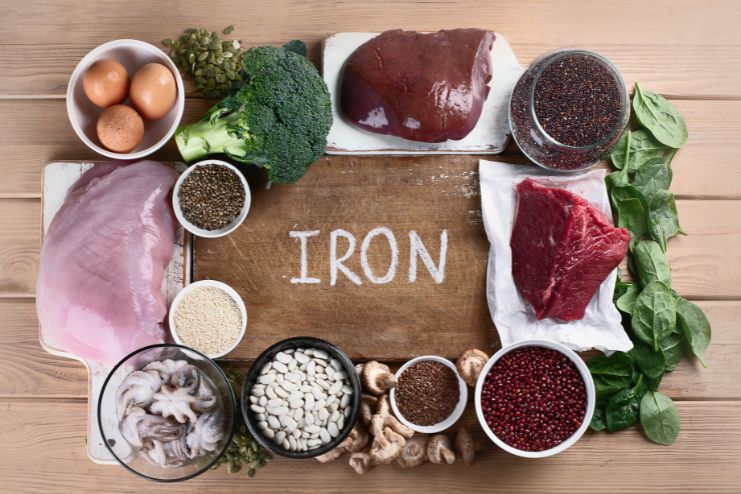
- Consume heme iron sources such as red meat, liver, and shellfish (most bioavailable).
- Add non-heme iron foods—lentils, tofu, pumpkin seeds, spinach—and combine with vitamin C–rich foods to enhance absorption.
- If low, supplement with a low-dose iron product such as ferrous bis-glycinate or iron bis-glycinate chelate (which is less stressful on digestion).
- Prevent calcium close to iron supplements, as it interferes with absorption.
- Always check iron and ferritin levels before opting for supplements in the long run.
If you’re looking for the right iron supplement, try Nature Made Iron tablets available on Amazon.
Read More: 6 Best Vitamins To Improve Your Brain Health
Calcium: The Bone Protector
Why It’s Important:
Calcium maintains strong bones, regulates heart rhythm, and allows nerve impulses and muscle contraction. Beyond 35, you start losing more bone density than you gain, and estrogen reduction speeds up this loss.
If you don’t have enough calcium, your body steals it from your bones, weakening them quietly for decades.
As per a study, calcium supplement (particularly with vitamin D) maintains bone density and prevents fractures in older women.
Symptoms of Calcium Deficiency:
- Muscle spasms or cramps
- Numbness in the lips or fingers
- Brittle nails, dry skin, or fragile teeth
- Poor posture or backache
- Loss of height or first symptoms of osteopenia/osteoporosis
How To Replenish It:
- Opt for calcium-rich foods such as dairy, leafy greens (kale, bok choy), almonds, tahini, and sardines.
- Reduce sodas, caffeine, and high-sodium foods, which help prevent calcium loss.
- Supplement when necessary with calcium citrate (more easily absorbed than carbonate).
- Aim for 1,000–1,200 mg of calcium supplements per day, split into two doses and taken with meals to improve absorption..
- Take with vitamin D3 and magnesium for better absorption.
Calcium supplements are easily available over the counter or online. If you wish to buy online, try this.
Read More: All About Calcium: Supplements, Dosage, and Absorption
Magnesium: The Stress-Regulating Mineral
Why It’s Important:
Magnesium is included in more than 300 biochemical reactions, including muscle function, blood pressure regulation, energy production, and stress response. It also promotes restful sleep and eases PMS symptoms.
Yet, it’s one of the most common deficiencies due to modern farming, stress, caffeine, and high-sugar diets.
According to a study, magnesium deficiency is linked with anxiety, depression, migraines, and insomnia, especially in women over 30.
Symptoms of Magnesium Deficiency:
- Restless legs or night cramps
- Trouble falling or staying asleep
- Irritability, anxiety, or low resilience to stress
- PMS-related bloating, mood swings, or headaches
- Constipation or sluggish digestion
How To Replenish It:
- Consume magnesium-rich foods such as dark chocolate, avocado, spinach, almonds, pumpkin seeds, and black beans.
- Use Epsom salt baths or topical magnesium oil for quicker absorption.
- Try to supplement with magnesium glycinate (for anxiety/sleep) or citrate (for digestion)—310–420 mg/day.
- Avoid magnesium oxide (poorly absorbed).
Magnesium supplements are widely available online, such as this supplement.
Vitamin B12: The Brain and Nerve Supporter
Why It’s Important:
Vitamin B12 is essential for nerve function, DNA synthesis, red blood cell formation, and mood regulation. It also plays a role in energy metabolism and memory.
Absorption requires healthy stomach acid and intrinsic factors, both of which decrease with age. Vegans, vegetarians, and women taking antacids or metformin are at increased risk.
Harvard Health reports that B12 deficiency is common among women aged over 40 and may lead to permanent nerve damage if not addressed.
Symptoms of B12 Deficiency:
- Brain fog or forgetfulness
- Fatigue that feels “deep” and unexplained
- Tingling or numbness in hands/feet
- Mood changes or irritability
- Pale skin or an inflamed tongue
How To Replenish It:
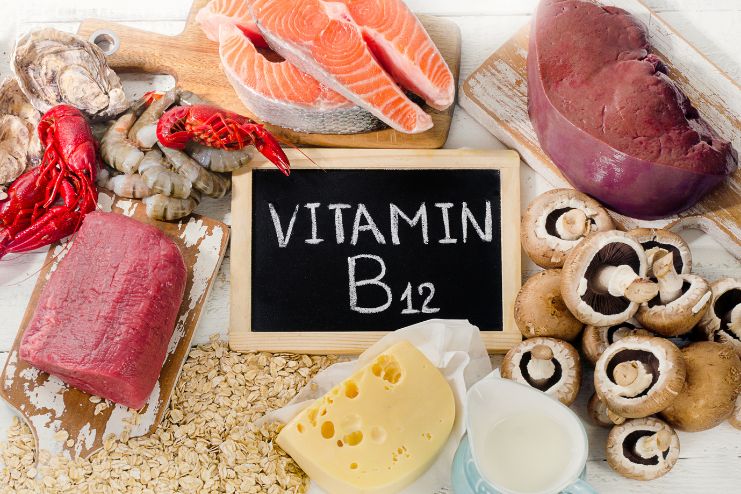
- Include animal proteins like eggs, fish, meat, and dairy regularly.
- Vegans should take methylcobalamin B12 supplements—ideally sublingual or spray form.
- If levels are low, supplement with 500–1,000 mcg/day, or get monthly B12 injections for faster correction.
- Have your B12, homocysteine, and methylmalonic acid (MMA) levels checked for a clearer picture.
Try Nature Made Vitamin B12 supplement, a popular choice available online.
Read More: Vitamin B12 Benefits And Side Effects
How to Prevent and Correct Nutrient Deficiencies
- Dietary Suggestions:
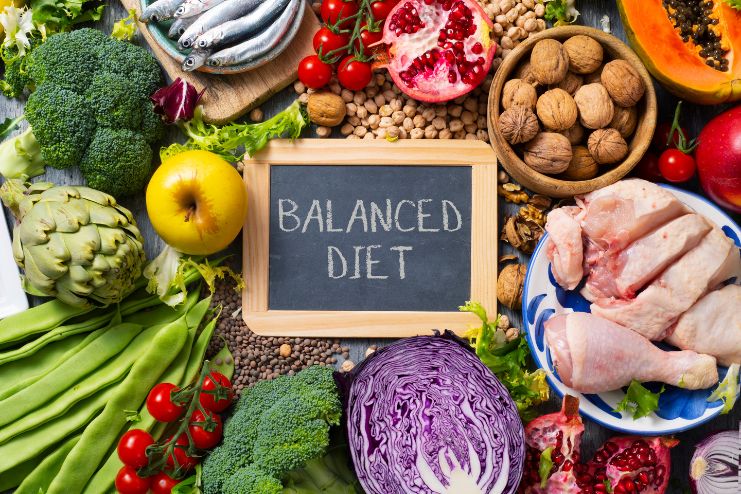
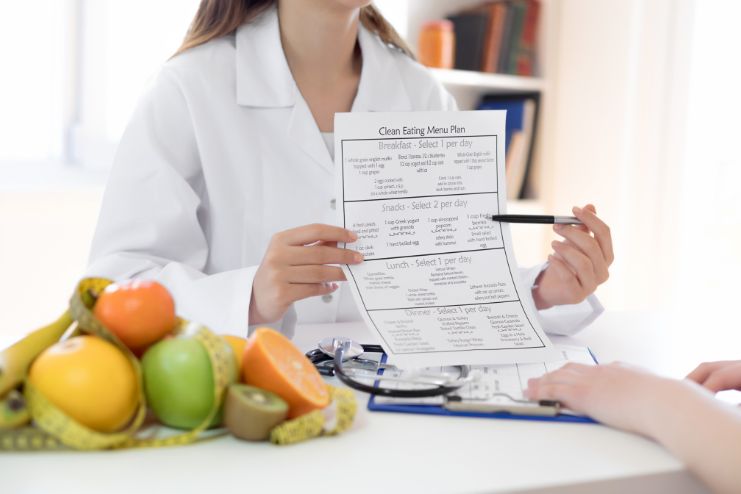
The best way to prevent nutrient deficiencies after age 35 is to consume a nutritious, colorful diet. That includes eating lots of fruits and vegetables, whole grains, lean protein sources such as chicken and lentils, and healthy fats from nuts, seeds, and olive oil. Dairy or fortified plant milk are examples of foods that contribute to calcium and vitamin D.
Small switches make a big impact. Try to include spinach in your smoothies, add beans to salads, or opt for snacks such as yogurt, almonds, or hard-boiled eggs. The goal is to have a rainbow of nutrient-rich foods on your plate every day.
- The Role of Supplements:
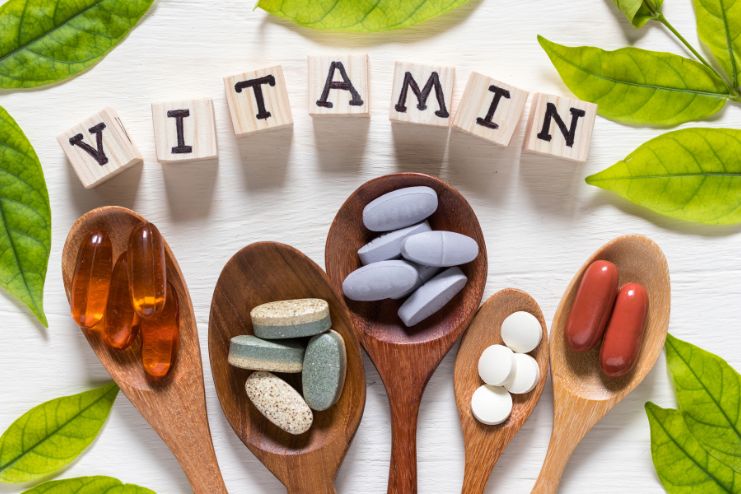
Even when consuming a healthy diet, most women over 35 still lack essential nutrients such as vitamin D, B12, iron, and magnesium. This is because the body doesn’t absorb nutrients as efficiently as it gets older, and hormonal changes can interfere with nutrient balance as well.
This is where supplements can help—but only if used responsibly. It is recommended that you consult your doctor before starting any vitamins and minerals. A quick blood test can reveal whether or not you are lacking in something, and it can suggest the right dosage. Excessive supplement intake can be dangerous, so don’t play guessing games.
Additional Nutrients Women Should Pay Attention to After 35
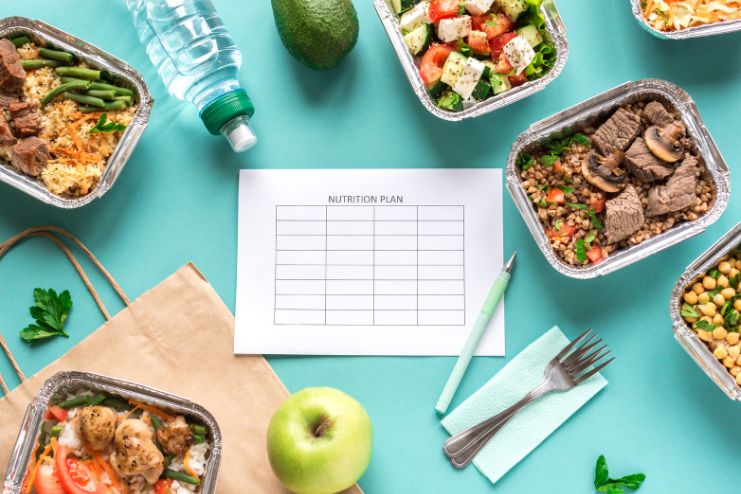
In addition to the major nutrients listed above, some additional ones promote health after 35. Folate (vitamin B9) aids in brain function and heart well-being. Omega-3 fatty acids in foods such as salmon, walnuts, and flax seeds are good for your heart, brain, and even mood swings. Antioxidant vitamins C and E keep your cells from getting damaged and aid in healthy, glowing skin and a robust immune system.
You don’t have to have a fancy plan to add these nutrients. Sprinkle some flax on oatmeal, toss walnuts on your salad, or indulge in some dark chocolate berries. These little additions can make a big difference in enhancing your energy, concentration, and overall health.
Final Takeaway: Test, Don’t Guess

Age just isn’t a number. We must look out for subtle signs that help us understand our bodies better. For instance, if you’ve been feeling off—tired, moody, foggy, or just not yourself, don’t ignore it. Micro nutrient deficiencies are surprisingly more common after 35, even among women who eat well and have a healthy lifestyle. Hormonal changes, digestive issues, and lifestyle stress all make it harder for your body to absorb and utilize essential vitamins and minerals. The result? Constant symptoms that show up, that might look subtle at first.
The best thing to do is easy: test, don’t guess. A few blood panels can identify where you’re running low so you can make up for it through food, lifestyle improvements, and good supplementation. When your levels are right, energy comes back, sleep is better, hormones are in balance, and you feel like yourself again—only better.
In case of any of the above symptoms, we recommend you consult a medical practitioner for safe and better results.
References
- https://drtaniadempsey.com/tania-dempsey/
- https://www.health.harvard.edu/staying-healthy/are-you-getting-enough-b12
- https://www.health.com/magnesium-glycinate-8415806
- https://www.ncbi.nlm.nih.gov/books/NBK507271/
- https://pmc.ncbi.nlm.nih.gov/articles/PMC3257715/
- https://drtaniadempsey.com/perimenopause-and-menopause-everything-you-need-to-know/
- https://drtaniadempsey.com/perimenopause-and-menopause-everything-you-need-to-know/
In this Article
