













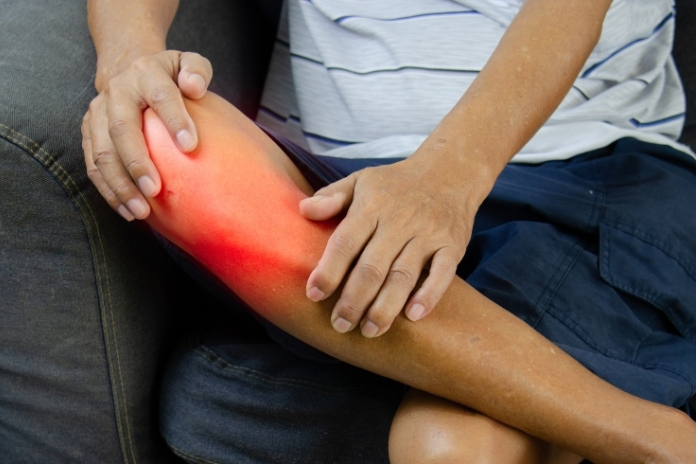
That sharp, throbbing pain in your shoulder, elbow, or ankle isn’t just going to disappear on its own.
Tendonitis affects millions of Americans each year, causing inflammation in the thick connective tissues that attach muscles to bones. While severe cases require medical attention, these evidence-based natural remedies may help reduce symptoms and speed recovery.
“Tendonitis can occur almost anywhere a tendon connects bone to muscle,” said Christopher Larsen, MD, Catholic Health Orthopedic Surgeon. “However, it is most common in the ankles, elbows, knees, shoulders, hands, and wrists.”
Common Tendonitis Symptoms
Recognizing tendonitis early can help you begin treatment promptly and prevent the condition from worsening. Key symptoms include:
- Sharp or aching pain that worsens with movement
- Tenderness around the affected tendon
- Stiffness, especially in the morning or after periods of rest
- Swelling or mild inflammation around the joint
- Reduced range of motion in the affected area
- Pain that radiates from the tendon to the surrounding muscles
- Weakness when using the affected tendon
- A grating sensation(crepitus) when moving the joint
Symptoms typically develop gradually but can appear suddenly after an injury has occurred. The pain often intensifies with activity and improves with rest.
Important: If symptoms worsen or persist for more than a few days, consult a healthcare provider.
What Causes Tendonitis?
Common causes include:
- Repetitive motions or overuse
- Poor posture or body mechanics
- Insufficient warm-up before exercise
- Sudden increases in activity intensity
- Age-related tendon changes
- Certain medical conditions (rheumatoid arthritis, diabetes)
Read More: Best Anti-Inflammatory Foods To Counter Inflammation
12 Natural Treatment Options
1. Epsom Salt Baths
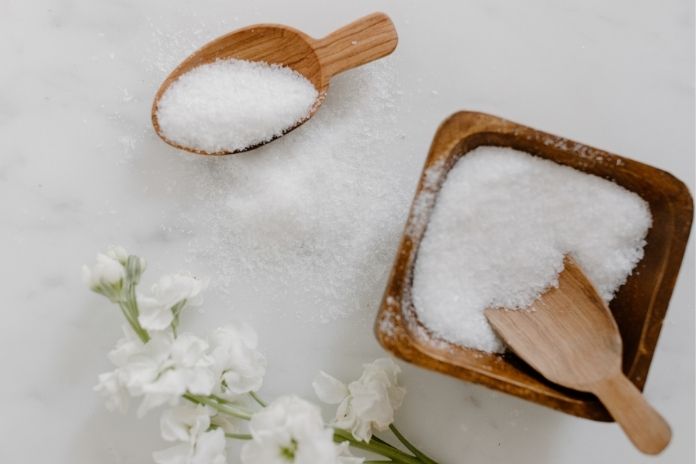
The magnesium sulfate in Epsom salt may help reduce inflammation and muscle tension.
How to use: Add ½ cup Epsom salt to a warm bath. Soak for 15 minutes, 2-3 times weekly.
2. Pineapple (Bromelain)
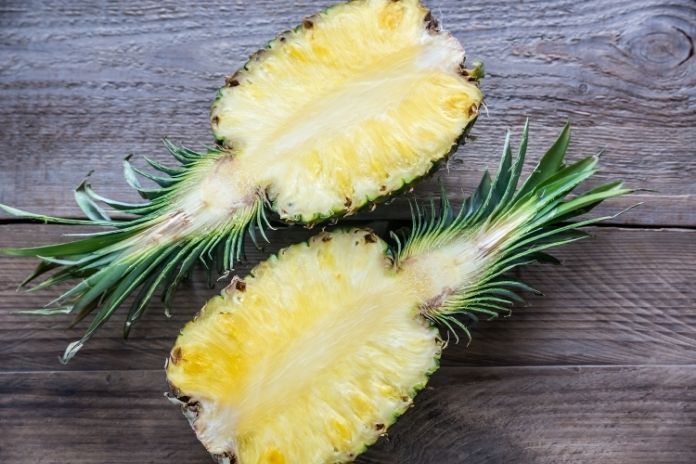
Pineapple contains bromelain, an enzyme with anti-inflammatory properties that may help reduce swelling.
How to use: Eat fresh pineapple daily or take bromelain supplements as directed by a healthcare provider.
Caution: Avoid if taking blood thinners or if you have a history of stomach ulcers. Consult your doctor before using supplements.
3. Rest and Activity Modification

Rest is crucial for tendon healing. Continuing to stress injured tendons can delay recovery and worsen the condition.
How to apply: Avoid activities that cause pain. Gradually return to normal activities as symptoms improve. Light, gentle movement prevents stiffness without aggravating the injury.
Read More: 8 Best Braces For Achilles Tendonitis – Effective Support!
4. Cold Therapy
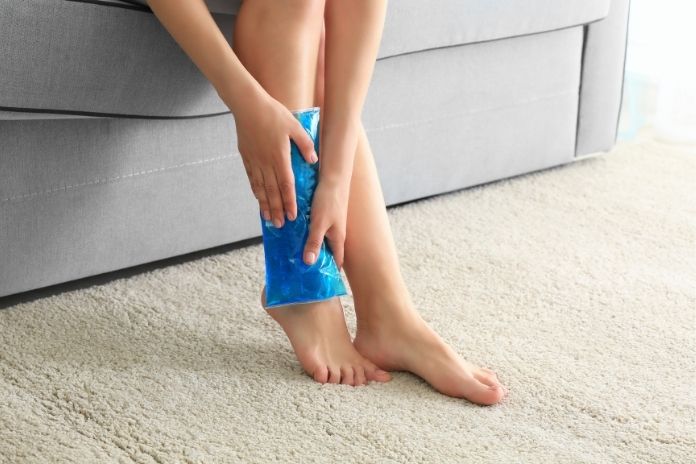
Ice reduces inflammation, numbs pain, and limits tissue damage in acute injuries.
How to use: Apply ice packs for 15-20 minutes several times daily during the first 48-72 hours. Use a barrier (towel) between ice and skin to prevent frostbite.
5. Apple Cider Vinegar Compress

The acetic acid in apple cider vinegar may have anti-inflammatory effects when applied topically.
How to use: Mix equal parts water and apple cider vinegar. Soak a clean cloth in the solution, wring out excess, and apply to the affected area for 30 minutes, 1-2 times daily.
Caution: Test on a small area of skin first. Dilute further if skin irritation occurs.
6. Vitamin C
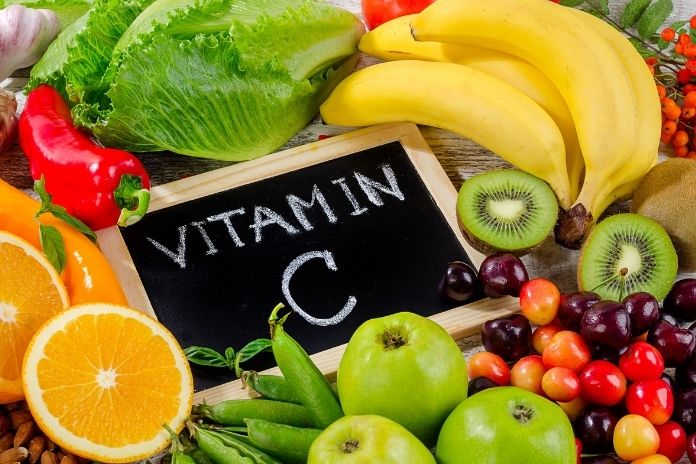
Vitamin C supports collagen synthesis, which is essential for tendon repair.
How to increase intake: Eat citrus fruits, berries, bell peppers, and leafy greens. Consider taking supplements only under the guidance of a medical professional, as they may interact with certain medications.
7. Turmeric
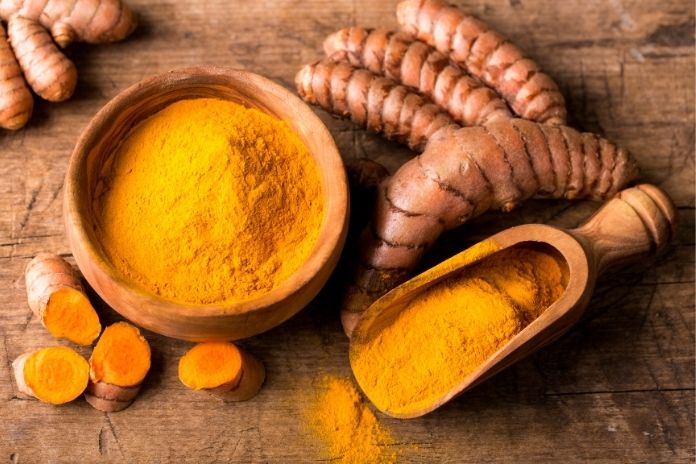
Curcumin, the active compound in turmeric, has anti-inflammatory properties that may help alleviate pain and swelling.
How to use: Add ¼ teaspoon turmeric powder and a pinch of black pepper to warm milk. Drink before bedtime. Black pepper enhances curcumin absorption.
Read More: 10 Best Elbow Braces For Tendonitis – Manage The Effects
8. Calcium and Magnesium

These minerals support bone and muscle health and may help prevent tendon injuries.
How to supplement: Consult a healthcare provider for appropriate dosing, especially if you have a heart condition or are taking medications.
9. Boswellia
This herb contains boswellic acids with potential anti-inflammatory effects, though human research is limited.
How to use: Available as supplements. Consult a healthcare provider before use.
10. Anti-Inflammatory Diet

Certain foods may help reduce systemic inflammation.
Include: Fatty fish (salmon, sardines), leafy greens, berries, nuts, olive oil, and other omega-3-rich foods.
Limit: Processed foods, refined sugars, and trans fats.
11. Acupuncture
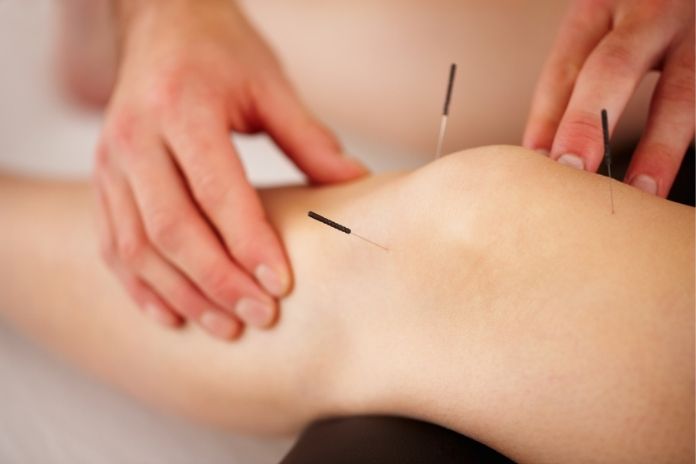
Some studies suggest that acupuncture may help alleviate tendonitis pain, although more research is needed.
Important: Only receive treatment from licensed, experienced practitioners.
12. Cayenne Pepper

Capsaicin in cayenne pepper may provide temporary pain relief when applied topically.
How to use: Mix cayenne pepper with a small amount of coconut oil to form a paste. Apply to the affected area for 10-15 minutes, then wash off thoroughly.
Caution: Wear gloves during application. Avoid contact with eyes and mucous membranes. Test on a small area of skin first.
Read More: Tendonitis: Causes, Symptoms, and Treatment
How to Prevent Tendonitis
- Warm up properly before exercise
- Gradually increase activity intensity
- Use proper form and technique
- Take regular breaks during repetitive activities
- Maintain good posture
- Stay hydrated and maintain proper nutrition
- Strengthen supporting muscles
When to See a Doctor
Seek medical attention if you experience:
- Severe or worsening pain
- Signs of infection (fever, red streaks, warmth)
- Complete loss of function
- Symptoms lasting more than a few days without improvement
- Suspected tendon rupture
Bottom Line
Natural remedies may provide relief for mild tendonitis, but they are most effective when combined with rest and proper activity modification. Always prioritize proven treatments, such as rest, ice, and a gradual return to activity.
If symptoms persist or worsen, a professional medical evaluation is essential to prevent long-term complications.
Ready to take control of your tendonitis recovery? Start with rest and cold therapy, then gradually incorporate these natural remedies into your healing routine. Remember, consistency is key. Give each remedy time to work, and don’t hesitate to consult a healthcare provider for personalized guidance.
Read More: How to Protect Your Knees During Workouts: Tips Every Active Person Should Know
Frequently Asked Questions
How long does tendonitis take to heal naturally?
Mild tendonitis typically improves within 2 to 6 weeks with proper rest and treatment. However, healing time varies depending on the severity of the injury, location, age, and adherence to treatment. Chronic tendonitis may take several months to fully resolve.
Can I exercise with tendonitis?
Avoid activities that cause pain or stress on the affected tendon. Light, pain-free movement is generally beneficial to prevent stiffness, but high-impact or repetitive activities should be avoided until symptoms improve. Consult a healthcare provider or physical therapist for specific exercise recommendations.
Are natural remedies as effective as medications?
Natural remedies can be helpful for mild tendonitis and may complement medical treatment, but they typically work more slowly than anti-inflammatory medications. For severe pain or inflammation, medications may be necessary. Always discuss treatment options with your healthcare provider to ensure the best possible care.
Which natural remedy works fastest for tendonitis pain?
Cold therapy and rest typically provide the quickest relief for acute tendonitis pain. Ice can numb pain and reduce inflammation within minutes, while rest prevents further tissue damage. Other remedies, such as turmeric or bromelain, may take days to weeks to show effects.
Can tendonitis become permanent if left untreated?
Yes, untreated tendonitis can lead to chronic tendinopathy, permanent tendon damage, or rupture. Early intervention, including rest, appropriate treatment, and activity modification, significantly improves outcomes and prevents long-term complications.
Should I use heat or ice for tendonitis?
Use ice during the acute phase (first 48-72 hours) to reduce inflammation and pain. After the acute phase, gentle heat may help improve blood flow and flexibility, but ice is generally preferred for tendonitis throughout the healing process.
Can diet really help with tendonitis?
While diet alone won’t cure tendonitis, anti-inflammatory foods may help reduce systemic inflammation and support the healing process. A balanced diet rich in vitamins C and E, omega-3 fatty acids, and antioxidants can support tissue repair and overall health.
References
- https://www.ncbi.nlm.nih.gov/pmc/articles/PMC5579607/
- https://www.ncbi.nlm.nih.gov/pmc/articles/PMC3529416/
- https://www.mayoclinic.org/first-aid/first-aid/basics/art-20056641
- https://www.nih.gov/news-events/nih-research-matters/vitamin-c-linked-lower-cataract-risk
- https://www.ncbi.nlm.nih.gov/pmc/articles/PMC5664031/
- https://www.health.harvard.edu/staying-healthy/foods-that-fight-inflammation
- https://www.ncbi.nlm.nih.gov/pmc/articles/PMC4173776/
- https://www.ncbi.nlm.nih.gov/pmc/articles/PMC3462983/
- https://www.mayoclinic.org/diseases-conditions/tendinitis/symptoms-causes/syc-20378243
- https://osgpc.com/5-home-remedies-for-arthritis-joint-pain/
- https://www.ebsco.com/research-starters/complementary-and-alternative-medicine/natural-treatments-tendonitis
- https://onlinelibrary.wiley.com/doi/full/10.1002/jor.24947
- https://doctors.catholichealthli.org/provider/christopher-george-larsen/2619099
In this Article