












It’s not unusual to hear someone say, “I’ve been feeling pretty low recently,” followed by the reply, “Don’t worry; that’s just a phase.”
This exchange reflects how stigma continues to surround mental health—people are discouraged from sharing their mental health struggles, which reinforces the false belief that these issues can be silenced or simply ignored.
Avoiding conversations about mental health doesn’t make the problems disappear; instead, it makes seeking help more difficult. Now more than ever, we urgently need better ways to reduce the stigma associated with mental illness.
By the end of this article, you’ll have learned practical strategies to build a more compassionate and supportive society regarding mental health awareness.
Also, Read: Mental Health Matters: Breaking the Stigma for Men
What is Mental Illness Stigma?
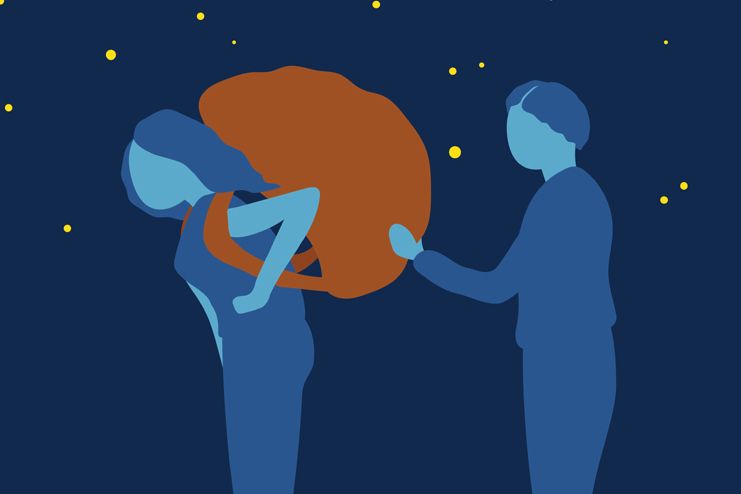
Mental health challenges are difficult enough on their own, but the stigma surrounding them—fueled by lack of education and open discussion—makes the situation worse. Mental illness stigma refers to the negative and discriminatory attitudes and practices that discourage people from seeking help and openly discussing their experiences.
According to Canadian statistics, one in five Canadians faces mental health challenges, representing nearly seven million people fighting inner battles. Unfortunately, despite how common these conditions are, mental health rarely becomes a subject of open discussion. This silence strengthens stigma and creates barriers for individuals seeking help.
Causes of Mental Illness Stigma

The roots of mental illness stigma run deep, with several interconnected factors allowing it to persist. Perhaps the most significant cause is the lack of education and awareness about mental health issues.
The Mental Health Commission of Canada reports that stigma prevents over 60% of individuals with mental health conditions from consulting a professional. This largely social stigma stems from how society perceives mental health conditions differently from physical illnesses. Mental health symptoms are often dismissed as passing mood swings or temporary changes, denying sufferers the recognition and support they deserve.
This misconception prevents people from receiving necessary support, further enabling stigmatization and making it extremely difficult to normalize mental health conversations.
How Does Stigma Affect Mental Health?
 Mental health stigma makes it even more challenging for individuals to acknowledge their struggles and seek professional help. Dismissive remarks like “it’s just a phase” or “it’s only temporary” discourage people from opening up, as they fear judgment or outright dismissal.
Consequently, many suffer in silence, grappling with their mental health challenges alone. The lack of timely intervention prolongs their struggles and makes recovery more difficult. Over time, this ongoing battle affects not only mental well-being but also takes a toll on overall health, further complicating an already challenging situation.
How to Reduce Mental Illness Stigma?
The stigma and stereotypes surrounding mental health continue to gain momentum due to a lack of awareness. If you’re struggling personally, you must acknowledge that you’re hurting and rise above negative societal misconceptions to seek help.
There are many ways to challenge and diminish stigma against mental health conditions. Remember that what society considers acceptable isn’t always helpful or true. The following sections discuss practical methods to reduce stigmatization and create a more caring environment for everyone.
Also, Read: Mental Health Matters: How to Foster Open Conversations in Your Family
1. Talk About It
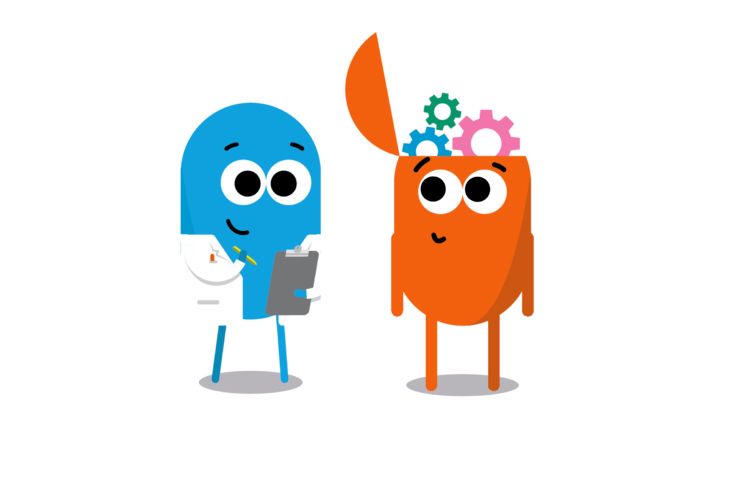
Silencing mental health issues intensifies prejudice and increases reluctance among sufferers to discuss their struggles. Open conversations are among the most effective strategies to break this cycle.
If you’ve personally experienced mental health concerns or supported someone dealing with them, sharing your story helps normalize these conversations and encourages others to seek help without fear of judgment. These conversations can happen anywhere—on social media, in public forums, schools, or speaking events.
By educating yourself and discussing the subject publicly, you contribute to eradicating mental health stigma.
2. Learn the Facts

Education is one of the strongest weapons against mental illness stigma. Misinformation and myths fuel misconceptions, making it harder for individuals to reach out for help.
Learn the facts about mental health conditions—the challenges they pose and what you can do to help. Knowledge empowers you to fight stigma, debunk myths, and cultivate a more educated and compassionate society.
3. Document the Transformation
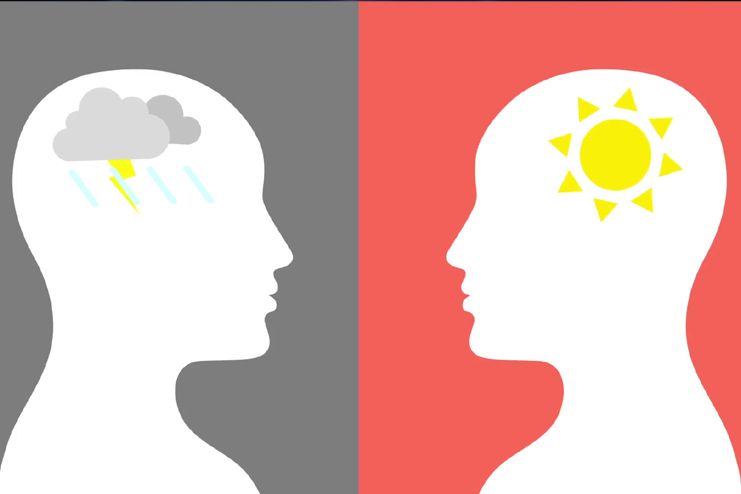
Ultimately, you hold the power to achieve mental wellness. While professional help provides guidance, your healing journey is personal and always possible.
One powerful way to combat mental illness stigma is by documenting your recovery journey. If you’ve experienced mental health problems, reflect on how far you’ve come—celebrate small victories, mental changes, and build resilience.
This practice not only helps you recognize transformation but also normalizes mental health discussions and reinforces that recovery is possible. When ready, consider sharing your journey with others. Your story may inspire and encourage those on their own recovery path, showing them they’re not alone.
4. Educate Others

Whether you’re a teacher, professor, psychologist, or concerned individual, everyone can play a role in educating others about mental health. Ignorance is a primary reason mental illness stigma exists—many people don’t understand mental health conditions, leading to wrong conclusions and harmful stereotypes.
Share knowledge through conversations, social media, community forums, and educational programs. Informing the public about mental health conditions helps remove societal stigma and creates a more supportive, understanding environment.
5. Support People
 Studies indicate that individuals with mental health conditions who lack support from those around them find it even harder to cope. Many people simply don’t understand what mental health conditions entail or how to create safe, non-threatening environments.
Educating yourself is the first step toward providing genuine help. Through ignorance, you might unintentionally minimize someone’s distress. Remarks like “That’s normal” or “That’s just a phase,” while seeming trivial, can be profoundly undermining to someone already facing emotional hardship.
You don’t need to be a mental health professional to help. Sometimes simply listening without judgment, extending empathy, and assuring someone they’re not alone makes a world of difference.
6. Be a Little More Sympathetic

The battle with mental health remains hidden for many, and learning compassion toward those suffering from mental health issues is crucial for removing stigma.
Navigating these challenges alone feels draining and overwhelming. Without a comforting presence, the burden feels heavier. Rather than dismissing someone’s experience, comfort them with gentle words and assurance that their feelings are valid and they’re not alone.
Small acts of kindness and empathetic gestures help shape an accepting society that works to break mental health stigma.
7. Recognize How Common Mental Health Struggles Are
 Many people fail to realize that mental health struggles are more common than they think, affecting 1 in every 5 individuals. One of the most effective ways to combat stigma is recognizing that mental health conditions are just as real and significant as any physical illness.
The number of deaths linked to untreated mental health struggles continues to rise, highlighting the urgent need for awareness and support. Just as you would show care and compassion for someone with a chronic illness, extend the same understanding to those facing mental health challenges.
Breaking stigma starts with normalizing these conversations and ensuring mental health receives the importance it deserves.
8. Don’t Joke About Mental Illness

There’s truth in the saying, “You never know what someone is going through. Be kind, always.” This simple wisdom is one of the strongest tools for breaking the stigma surrounding mental health.
Making jokes about mental illness, especially around someone experiencing it, does more harm than good. It trivializes their experiences, making it harder for them to open up or seek help.
Phrases like “I want to die” or “I’m so depressed” are commonly thrown around in everyday conversation, but for people genuinely fighting those feelings, these aren’t just words—they’re painful realities. Being mindful of our language and approaching it with empathy can make a world of difference in creating a more supportive environment.
9. Don’t Stigmatize Therapy

Seeking therapy is completely normal, just as seeking medical help for physical illness should be. However, many individuals avoid seeing therapists due to the stigma surrounding mental health treatment.
One of the most effective strategies for battling stigma is openly discussing therapy and its benefits. Mental health conditions, like any other health condition, require professional care. Talking more about therapy as a normal and valuable resource helps eliminate stigma and encourages those in need to seek help.
10. Realize That It Will Take Time
 Mental illness doesn’t disappear overnight. Recovery is a process requiring time, patience, and collaborative efforts. Similarly, breaking down deep-seated beliefs about mental health takes time.
If your efforts to challenge stigma don’t yield immediate results, don’t become discouraged. Every conversation, act of support, and effort to normalize mental health struggles brings us closer to a more accepting society. Change may be slow, but it will happen with sustained time and effort.
Also, Read: How to Talk to Your Kids About Mental Health
Myths and Facts About Mental Illness Stigma

Myths and misconceptions surrounding mental health contribute significantly to stigmatization. Many people believe common myths that prevent them from seeking needed help. Let’s examine some prevalent myths and the facts that counter them.
Myths
- Mental illness is a sign of weakness
- People with mental illness are just “faking” it for attention
- Those with mental health issues are beyond help—a lost cause
- Simply being happy and positive can cure depression
- Medication alone is the solution for all mental health problems
Facts
- Mental illness, like any medical condition, can affect anyone regardless of age, gender, or social status
- Most mental health problems are invisible, making them harder to diagnose and understand
- Many successful individuals, including renowned artists and leaders, have struggled with mental health conditions while achieving greatness
- Overcoming depression requires more than positive thinking—therapy, lifestyle changes, and support are often necessary
- Treatment varies from person to person; while medication may help some, it’s not a universal cure
Conclusion
Mental health problems are very real, as is the stigma surrounding them. Only through continued discussion, educating ourselves and others, and challenging misconceptions can we begin to meaningfully normalize mental health conversations.
Change takes time, but even the smallest actions—supporting a friend, speaking against harmful stereotypes, or seeking help and encouraging others to do the same—bring society closer to compassion and acceptance. Mental health is as important as physical health, and understanding this is the first step toward progress.
Awareness, understanding, and empathy are the three qualities that will chip away at mental health stigma. Let’s build a world where people seek help instead of suffering in silence.
In this Article