













Imagine waking up in the middle of the night with your big toe feeling like it’s on fire – so painful that even the weight of a bedsheet becomes unbearable. This is the reality for millions of Americans living with gout attacks.
Gout is a type of arthritis that causes intense pain, joint stiffness, and swelling. Traditionally, gout affects the joint in the big toe, but it can strike other joints as well. This painful condition tends to recur and can cause significant problems if left untreated, leading to inflammation and damage to surrounding tissues.
Although gout was first documented as far back as 2640 BC, it remains a major health issue affecting millions of Americans today. Medical experts have linked gout to both metabolic and cardiovascular diseases, making proper treatment and prevention essential.
With prompt diagnosis, proper medication, and lifestyle changes, gout is among the most manageable forms of arthritis. Many people can lessen the intensity of their gout symptoms, prevent flare-ups, and even completely eradicate their gout.
This comprehensive article provides essential information about gout, including its causes, symptoms, treatment options, and effective home remedies to help you manage this condition.
Read More: Gout Relief Starts Here: Ultimate Guide on Foods to Eat and Avoid
What is Gout?
Gout is an inflammatory arthritis condition that affects joints and the musculoskeletal system throughout the body. This condition most commonly affects men, although women can also develop gout after menopause.
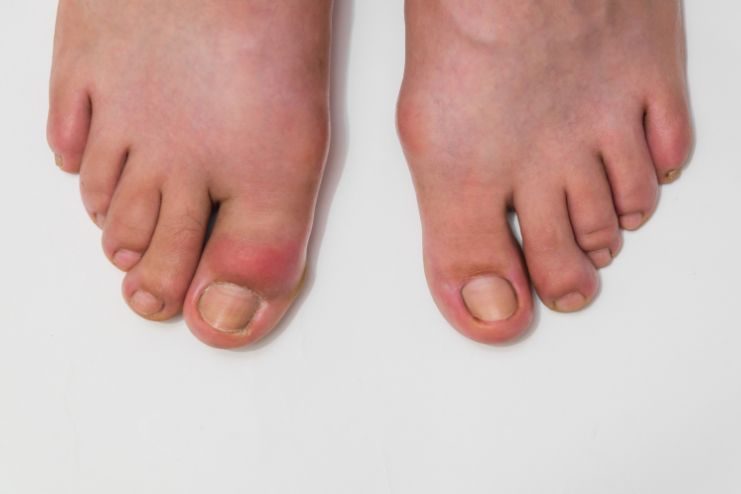
Gout causes sudden and severe pain along with redness and tenderness in the joints. When gout occurs specifically in the big toe area, the condition is called podagra. The disease develops due to the buildup of uric acid crystals in joints.
Inflammation occurs when these crystals penetrate the joints and begin forming lumps under the skin around affected joints. Each year, millions of Americans are affected by gout, making it one of the most common forms of arthritis in the United States.
Gout is a very painful form of arthritis that most often affects men after age 40. Women can also get the disease, but typically only after menopause. Children almost never get gout. “Diet is not the exclusive cause of gout, and lifestyle changes alone cannot treat or prevent it”, says Dr. Spencer Lowe, M.D., a Palo Alto Medical Foundation rheumatologist and internist.
Read More: 9 Essential Supplements for Joint Health and Arthritis Relief
Causes of Gout
The primary cause of gout is the accumulation of excess uric acid in the blood, a condition known as hyperuricemia. Uric acid is produced in the body during the breakdown of purines, which are chemical compounds found in meat, seafood, and poultry.
Normally, uric acid dissolves in the blood and exits the body through urine via the kidneys. However, when the kidneys fail to excrete enough uric acid or when the body produces too much uric acid, crystals can form. These crystals cause pain and inflammation in the joints and surrounding tissues.
Several factors can contribute to elevated uric acid levels, including:
- Diet high in purine-rich foods
- Excessive alcohol consumption
- Certain medications
- Kidney problems
- Genetics
- Being overweight
- Dehydration
What are the Symptoms and Signs of Gout?
Gout symptoms can appear suddenly, especially at night, and typically include intense joint pain, discomfort, redness, and inflammation. While the big toe is the most common location for gout attacks, the condition can also affect knees, ankles, wrists, elbows, and fingers.
Medical professionals have identified four distinct stages of gout progression:
1. Asymptomatic Hyperuricemia
In this initial stage, you have elevated uric acid levels (hyperuricemia) without any visible symptoms. Although crystals are being deposited in tissues during this stage, treatment may not be immediately necessary. However, doctors may recommend lifestyle changes to control uric acid production.
2. Acute Gout
During this stage, deposited crystals cause sudden, intense inflammation and severe pain. This sudden onset of pain, known as a “flare,” typically lasts 3-10 days. Flares can be triggered by alcohol consumption, certain medications, stress, or dietary factors.
Read More: How to Recognize the Early Signs of a Gout Flare-Up
3. Intercritical or Interval Gout
This stage occurs between gout flares. While attacks may not happen monthly or yearly, they can become longer and more frequent without proper treatment. Uric acid crystals continue to accumulate in tissues during this period.
4. Chronic Tophaceous Gout
This is the final and most severe stage of gout, which can cause permanent damage to kidneys and joints. Patients may develop chronic arthritis, and large lumps called tophi begin forming in joints and fingers.
It typically takes around 10 years for gout to progress to the fourth stage. With proper treatment, very few patients reach this advanced stage.
How to Treat Gout Pain

The most effective treatment for gout pain involves prescription medications. To assist in controlling your symptoms, your doctor may recommend using certain drugs.
Common Medications Include:
Anti-inflammatory medications:
- Nonsteroidal anti-inflammatory drugs (NSAIDs)
- Colchicine
- Corticosteroids
These oral medications help reduce pain and inflammation associated with gout attacks.
Uric acid management medications: Your doctor may also prescribe medications that either control uric acid production in the body or help the kidneys eliminate excess uric acid more effectively.
Read More: Live Pain-Free with Gout: Essential Tips for Managing and Preventing Flare-Ups
Natural Home Remedies for Gout
You can complement medical treatment with effective natural home remedies:
1. Apple Cider Vinegar

Apple cider vinegar, known for treating headaches and stomach problems, is also effective for arthritis and gout. The acidity can help relieve acute gout pain. Adding honey boosts the anti-inflammatory response.
How to use:
- Mix one teaspoon of raw, unfiltered apple cider vinegar in a glass of water
- Drink 2-3 times daily
2. Baking Soda

Baking soda effectively controls uric acid production and provides pain relief.
How to use:
- Mix half a tablespoon of baking soda in a glass of water
- Drink up to 4 times daily
- Continue for 2-3 weeks
3. Ginger Root

Ginger contains powerful anti-inflammatory properties that can help eliminate pain and inflammation.
How to use:
- Add ginger root to a cup of boiling water and steep
- Drink daily
- Include ginger root in cooking and meal preparation
Gout Diet
A gout diet includes foods that are low in purines and helps manage uric acid levels in the body. This dietary approach focuses on consuming low-carbohydrate foods that help the body burn fat properly and release ketones into the bloodstream. These ketones help regulate uric acid production.
Foods to include:
- Low-fat dairy products
- Whole grains
- Fruits (especially cherries)
- Vegetables
- Plenty of water
Foods to limit or avoid:
- Red meat and organ meats
- Seafood high in purines
- Alcohol
- Sugary drinks
- Foods high in fructose
How to Prevent Gout
Following these essential prevention strategies can help reduce your risk of developing gout:
- Avoid excessive alcohol consumption – Alcohol interferes with uric acid elimination
- Maintain a balanced diet – Focus on low-purine foods and limit red meat
- Limit intake of fish, poultry, and meat – Choose lean proteins in moderation
- Stay well-hydrated – Drink 2-4 liters of water daily to help flush out uric acid
- Maintain a healthy body weight – Excess weight increases uric acid production
- Exercise regularly – Physical activity helps maintain a healthy weight and joint function
- Manage stress – Chronic stress can trigger gout flares
Read More: Baking Soda For Gout Pain – Is It Effective?
Conclusion
Gout is a manageable condition when properly understood and treated. While it can cause severe pain and complications if left untreated, following appropriate medical treatment, dietary modifications, and lifestyle changes can effectively control symptoms and prevent progression to advanced stages.
If you suspect you have gout or experience sudden, severe joint pain, consult with a healthcare professional for proper diagnosis and treatment. Early intervention is key to preventing long-term complications and maintaining a good quality of life.
Don’t let gout control your life. Take action today by scheduling an appointment with your healthcare provider to discuss symptoms, treatment options, and develop a personalized management plan that works for you.
Frequently Asked Questions (FAQ)
Q: How long does a gout attack typically last?
A: Most gout attacks last 3-10 days without treatment. However, with proper medication started early, symptoms can resolve more quickly, often within 24-48 hours.
Q: Can I prevent gout if it runs in my family?
A: While genetics play a role in gout development, lifestyle modifications can significantly reduce your risk. Maintaining a healthy weight, limiting alcohol consumption, staying hydrated, and following a low-purine diet can help prevent gout even with a family history.
Q: Is it safe to exercise during a gout attack?
A: During an acute gout attack, rest the affected joint and avoid strenuous exercise. However, gentle range-of-motion exercises and regular physical activity between attacks can help prevent future flares and maintain joint health.
Q: Can women get gout?
A: Yes, although gout is more common in men, women can develop gout, especially after menopause when estrogen levels drop. Women typically develop gout at an older age than men.
Q: Are there foods I should completely avoid with gout?
A: While complete avoidance isn’t always necessary, limit high-purine foods such as organ meats, certain seafood (anchovies, sardines, mussels), and excessive alcohol. Work with your healthcare provider to develop a personalized dietary plan.
Q: Can gout cause permanent joint damage?
A: If left untreated, chronic gout can lead to permanent joint damage and kidney problems. However, with proper treatment and management, most people can prevent long-term complications.
Q: How often should I have my uric acid levels checked?
A: If you have gout, your doctor will typically monitor uric acid levels every few months initially, then less frequently once levels are well-controlled. The target is usually below 6 mg/dL.
Q: Can stress trigger a gout attack?
A: Yes, physical or emotional stress can trigger gout attacks. Managing stress through relaxation techniques, adequate sleep, and regular exercise may help reduce the frequency of attacks.
References
- https://www.niams.nih.gov/health-topics/gout
- https://www.ncbi.nlm.nih.gov/books/NBK284934/
- https://www.mayoclinic.org/diseases-conditions/gout/symptoms-causes/syc-20372897
- https://www.ncbi.nlm.nih.gov/books/NBK546606/
- https://medlineplus.gov/gout.html
- https://www.ncbi.nlm.nih.gov/pmc/articles/PMC5624445/
- https://www.mayoclinic.org/diseases-conditions/gout/diagnosis-treatment/drc-20372903
- https://www.mayoclinic.org/drugs-supplements/colchicine-oral-route/description/drg-20067653
- https://www.mayoclinic.org/healthy-lifestyle/nutrition-and-healthy-eating/in-depth/gout-diet/art-20048524
- https://www.sutterhealth.org/health/truth-about-gout
- https://www.sutterhealth.org/find-provider/dr-spencer-t-lowe-1046243541
In this Article