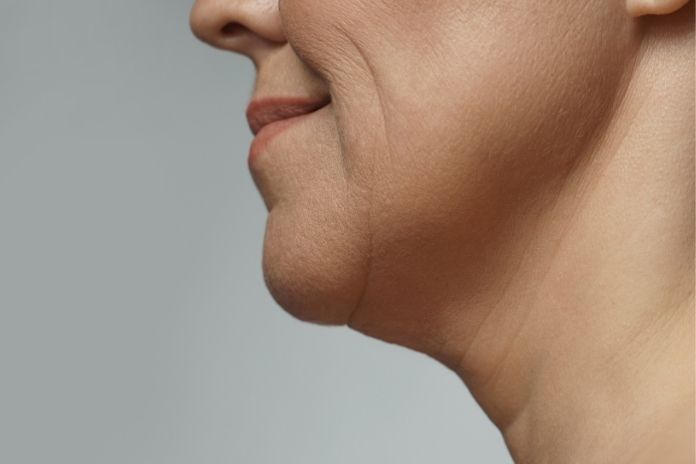
Featured Answer: A double chin, also called submental fat, develops from a combination of fat buildup, loose skin, aging, posture, and genetics. For mild cases, gradual weight loss through a calorie deficit and consistent chin exercises may help reduce its appearance. When lifestyle changes are not enough, evidence-supported treatments such as injectable deoxycholic acid (Kybella or Belkyra) and chin liposuction can reduce submental fat. Topical creams and home remedies do not remove submental fat.
A double chin is one of the most common concerns discussed with dermatologists. While many people assume it is only linked to weight gain, that is not always true. Genetics, skin laxity from aging, posture, and muscle weakness can all affect how the chin and jawline look over time.
Some people notice fullness under the chin even when they are otherwise slim, while others develop it gradually with age or changes in body weight. Because several different factors can contribute, there is no single treatment that works for everyone.
This article explains what actually causes a double chin, what exercises and lifestyle changes can realistically improve, and which clinical treatments are supported by evidence for people who want more noticeable results.
- A double chin, also called submental fat, can develop from fat accumulation, loose skin, aging, posture, and genetics.
- Mild cases may improve with gradual weight loss through a calorie deficit and consistent chin exercises, although spot reduction is not possible.
- For persistent submental fat, evidence-supported treatments such as injectable deoxycholic acid (Kybella or Belkyra), CoolSculpting, and chin liposuction may help reduce its appearance.
Read More: How to Lose Neck Fat at Home with Simple Exercises and Diet
What Actually Causes a Double Chin
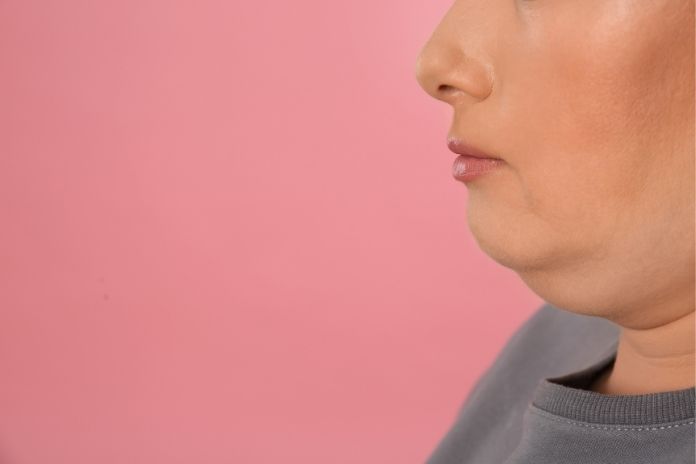
A double chin usually develops from a mix of structural and lifestyle factors. In many cases, more than one cause is involved simultaneously. Understanding the cause matters because the most effective treatment depends on whether the problem is mainly fat accumulation, loose skin, posture, or genetics.
Fat Accumulation
One of the most common causes of a double chin is fat accumulation under the jawline. When people gain weight, the body stores excess fat in different areas, including the neck and chin. However, submental fat is a specific fat depot, which means some people naturally store more fat there than others.
This is why two people with similar body weights can have very different jawline definitions. Some individuals develop noticeable fullness under the chin even with only small changes in overall body fat.
Skin Laxity From Ageing
Aging changes the structure of the skin. Starting in the mid-20s, collagen and elastin production gradually decline. These proteins help the skin stay firm and elastic. As skin loses elasticity over time, the chin and neck area may begin to sag. This can create the appearance of a double chin even when there is not much fat present.
Many older adults with healthy body weight still develop submental laxity because the skin no longer tightens as effectively as it once did.
Genetics
Genetics is one of the most overlooked causes of a double chin. Some people are genetically predisposed to store fat beneath the chin, while others naturally have less skin elasticity or a jaw structure that makes fullness under the chin more visible.
This means a person can maintain a healthy lifestyle and still develop a double chin because of inherited facial structure and fat distribution patterns. Genetics also influences how the skin ages and how much collagen the body produces over time.
Poor Posture and Muscle Weakness
Posture also affects the appearance of the chin and neck area. Spending long hours looking down at phones, tablets, or computers can contribute to forward head posture. Over time, poor posture may weaken the platysma muscle, the broad sheet-like muscle that runs from the chest up to the jawline.
Weakness in this area can contribute to sagging and reduced definition beneath the chin. While posture alone does not directly create fat under the chin, it can make a double chin appear more noticeable.
It is also important to distinguish a true double chin from temporary swelling due to fluid retention or edema. Sudden facial swelling or swelling around the jaw that appears quickly should be evaluated by a doctor, especially if it is associated with illness or other symptoms.
Can Exercises Actually Help?

Exercises for the chin and neck are widely promoted online, but it is important to set realistic expectations. Exercises cannot target fat loss in one specific area of the body. Spot reduction is not physiologically possible.
However, exercises may strengthen and tone the muscles around the jaw, chin, and neck. For people with mild skin laxity or posture-related fullness, this can improve the overall appearance of the area over time. Results are usually subtle and require consistency.
Tongue Stretch
Sit or stand with your back straight and shoulders relaxed. Press your tongue firmly against the roof of your mouth. While keeping the tongue pressed upward, tilt your head back slightly until you feel tension beneath the chin. Hold the position for about 5 seconds, then relax. Repeat 10 times.
Neck Stretch
Sit comfortably with your shoulders down and relaxed. Slowly tilt your head backward and look toward the ceiling. Press your tongue against the roof of your mouth until you feel a stretch in the front of the neck and under the chin. Hold for 5 to 10 seconds before returning to the starting position. Repeat 10 times.
Bottom Jaw Jut
Tilt your head back so you are looking upward. Push your lower jaw forward gently until you feel a stretch beneath the chin and along the jawline. Hold the position for 10 seconds, then relax the jaw slowly. Repeat 10 times.
Straight Jaw Jutting
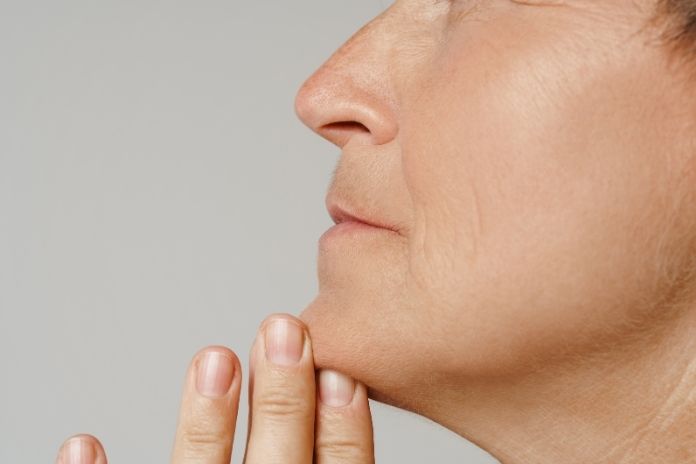
Keep your head facing forward and your shoulders relaxed. Slowly slide your lower jaw outward and forward. You should feel tension along the front of the neck and chin area. Hold for 5 seconds before relaxing. Repeat the movement 10 to 15 times.
Pucker Up
Tilt your head slightly backward and look upward. Pucker your lips as though you are trying to kiss the ceiling. You should feel the muscles beneath the chin tighten. Hold for 5 to 10 seconds, then relax. Repeat 10 times.
Chin Tuck
Sit or stand upright with your spine straight. Without tilting your head downward, gently pull your chin backward toward your neck. This movement creates a “double chin” position intentionally while keeping the head level. Hold for 5 seconds and repeat 10 to 15 times. Chin tucks may help improve posture and strengthen the deep neck muscles that support head alignment.
Lifestyle Changes That Make a Genuine Difference
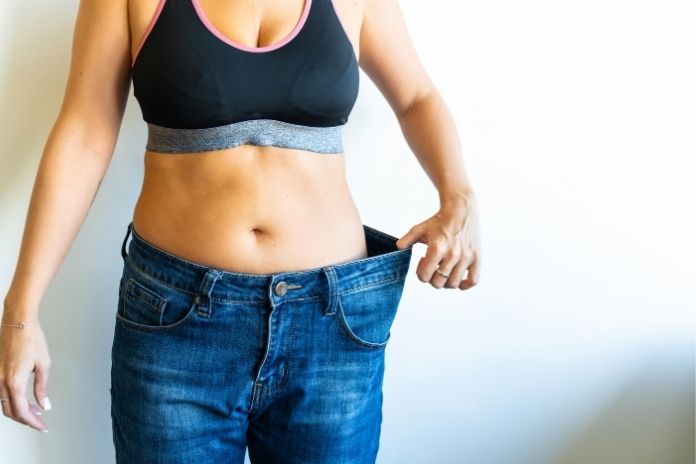
Lifestyle changes are most effective when a double chin is partly related to body fat or posture. While these approaches cannot completely change genetics or aging, they may improve the appearance of the chin and jawline over time.
Caloric Deficit for Weight Loss
If submental fullness is mainly caused by fat accumulation, overall weight loss is the most effective non-medical approach. A modest calorie deficit of about 300 to 500 calories below maintenance can gradually reduce body fat levels.
Even though spot reduction does not work, overall fat loss usually reduces fat beneath the chin as well. The process takes time, and changes under the chin may happen more slowly in people who are genetically prone to storing fat in that area.
Hydration
Hydration affects how facial features look day to day. When the body is dehydrated, it may temporarily retain more fluid, which can make the face and jawline appear puffier. Drinking enough water does not remove submental fat, but it may reduce temporary puffiness and improve overall skin appearance.
Posture Correction
Forward head posture can make fullness under the chin more visible. Improving posture may reduce this effect over time. Simple steps include raising screens to eye level, avoiding prolonged downward head position, performing regular chin tucks, and strengthening the deep neck flexor muscles. These changes are especially important for people who spend long hours at a desk or using mobile devices.
Clinical Treatments That Are Evidence-Supported

When lifestyle changes and exercises do not produce enough improvement, several clinical treatments may help reduce submental fat. The right option depends on whether the issue is mainly fat, loose skin, or both.
Injectable Deoxycholic Acid
Injectable deoxycholic acid is one of the biggest advances in non-surgical double chin treatment in recent years. It is sold under the brand name Kybella in the United States and Belkyra in several other countries.
Deoxycholic acid works by breaking down fat cell membranes beneath the chin. Once the treated fat cells are destroyed, the body gradually removes them. Most people need between two and six treatment sessions spaced at least one month apart. Improvement usually becomes more noticeable gradually over several weeks.
Common side effects include swelling, bruising, numbness, redness, and tenderness in the treatment area. Because important nerves run through the neck and jaw region, injections should only be performed by a qualified medical professional with experience in facial anatomy.
Lipolysis and Chin Liposuction
Laser lipolysis and traditional chin liposuction are treatment options for people with more significant submental fat. Liposuction physically removes fat beneath the chin through a minimally invasive surgical procedure. Laser-assisted lipolysis uses heat energy to break down fat before removal and may also provide mild skin-tightening benefits.
These procedures generally produce faster and more dramatic results than non-surgical treatments. Recovery time varies depending on the amount of fat removed and the specific technique used. Because these are medical procedures, they should only be performed by qualified surgeons or trained aesthetic practitioners.
CoolSculpting (Cryolipolysis)
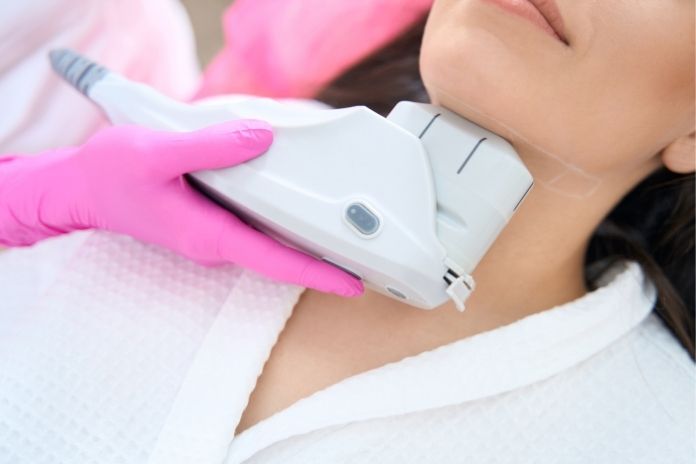
CoolSculpting is a non-invasive treatment that uses controlled cooling to freeze and destroy fat cells beneath the skin. The body then gradually clears the damaged fat cells over time. The treatment is FDA-cleared for reducing submental fat and does not require surgery or needles. Multiple sessions are often needed before visible changes appear.
CoolSculpting works best for people with excess fat under the chin rather than loose skin. It is not designed to tighten significant skin laxity.
Before pursuing any treatment, it is important to consult a qualified dermatologist or plastic surgeon who can determine whether the issue is primarily fat, loose skin, or a combination of both. Injectable treatments should never be attempted outside a clinical setting.
What Does Not Work—Setting Honest Expectations
Many products and home remedies are marketed as quick fixes for double chins, but most are not supported by evidence. Topical creams, cocoa butter, egg white masks, glycerin mixtures, and wheat germ oil do not remove submental fat. These products cannot reach or break down the fat tissue beneath the skin.
Some ingredients may temporarily moisturize or tighten the surface of the skin, which can slightly change the appearance for a short time. However, they do not permanently reduce fat or tighten deeper tissues. Facial massage alone also does not remove fat or significantly tighten loose skin.
Face yoga, facial tape, and similar social media trends may improve muscle awareness or create temporary cosmetic effects, but they do not produce permanent structural changes in the jawline or neck area. Understanding the difference between evidence-supported treatments and temporary cosmetic effects can help people make more informed decisions.
Read More: 7 Exercises to Fix Hunchback Posture and Straighten Your Spine Naturally
Conclusion
A double chin can develop for several different reasons, including fat accumulation, genetics, skin laxity, and posture. Since the causes vary, the most effective treatment depends on what is contributing most to the appearance of the chin and neck area. Lifestyle changes and exercises may help mild cases, especially when weight or posture is involved.
For persistent submental fat that does not improve with lifestyle changes, CoolSculpting and chin liposuction can be advised by a dermatologist. People who are unsure which approach fits their situation may benefit from speaking with a qualified dermatologist or aesthetic medicine provider.
FAQs
Q. Can You Get Rid of a Double Chin Without Surgery?
A. Yes, mild cases can sometimes improve without surgery. Weight loss through a calorie deficit may reduce fat-related fullness beneath the chin, and injectable deoxycholic acid treatments such as Kybellaare non-surgical options. However, people with significant submental fat or loose skin may see more noticeable and permanent results from procedures such as chin liposuction.
Q. How Long Does It Take to See Results From Chin Exercises?
A. Chin exercises mainly improve posture and muscle tone rather than directly removing fat. With consistent daily practice, some people notice mild improvement after about six to eight weeks. If the double chin is mainly caused by fat accumulation, exercises alone are unlikely to create major changes without overall body fat loss.
Q. What Causes a Double Chin in Slim People?
A. Genetics is one of the most common reasons slim people develop a double chin. Some individuals naturally store more fat in the submental area or have lower skin elasticity around the jawline. Age-related skin laxity is another major cause, which is why weight loss alone does not always eliminate a double chin.
References
- American Society for Dermatologic Surgery. (n.d.). Injectable deoxycholic acid. ASDS.
- Apollo Hospitals. (n.d.). Liposuction: All that you need to know. Apollo Hospitals.
- Physio-Pedia. (n.d.). Forward head posture. Physio-Pedia.
- Portland Plastic Surgery Group. (n.d.). What causes a double chin & how to get rid of it? Portland Plastic Surgery Group.
- Star Health. (n.d.). Best exercises to get rid of a double chin. Star Health.
- The New You. (n.d.). Double chin causes explained. The New You.
- Ubie Health. (n.d.). Frustrated with your double chin? Kybella melts fat and is FDA approved. Ubie Health.
- WebMD. (n.d.). CoolSculpting. WebMD.
In this Article