






Americans spend over $5 billion annually on detox products, yet ask any toxicologist what actually removes toxins from your body, and they’ll point to organs you already own.
The promise is tempting: pop a pill, sip a tea, and flush away toxins from processed food, polluted air, or chemical exposure.
But your body already has this covered. Your liver neutralizes chemicals, your kidneys filter waste, your lungs expel volatile compounds, and your digestive tract eliminates unwanted materials, all without special powders or overnight cleanses.
So why does the detox industry thrive? Because the idea of purging hidden dangers appeals to our desire for control over health. But most detox claims fall apart under scrutiny.
In this article, we’ll examine nine popular detox ingredients marketed for cleansing or heavy-metal removal.
We’ll look at what they’re supposed to do, what the evidence actually shows, and where the risks and gaps lie. By putting the science and the marketing side by side, you’ll see which approaches, if any, deserve your attention, and which are just expensive placebos.
- Some supplements have limited lab or only anecdotal evidence suggesting they might help with metal binding or antioxidant support, but human data are scarce.
- Very few compounds have strong clinical trials showing they reduce the body burden of heavy metals in healthy people.
- Overstated marketing claims often ignore safety, purity, and dosage issues.
- For most people, reducing exposure (diet, environment), supporting general health (balanced diet, hydration), and letting your body’s own detox pathways work remain far more reliable than unproven “detox” supplements.
- If there’s known heavy metal poisoning, medically supervised chelation (drug-based), not supplements, remains the evidence-based treatment.
Read More: Cleanse Your Body Naturally: 6 Herbal Detox Supplements for Whole-body Cleansing
The Top 9 “Detox” Supplements, What the Research Says
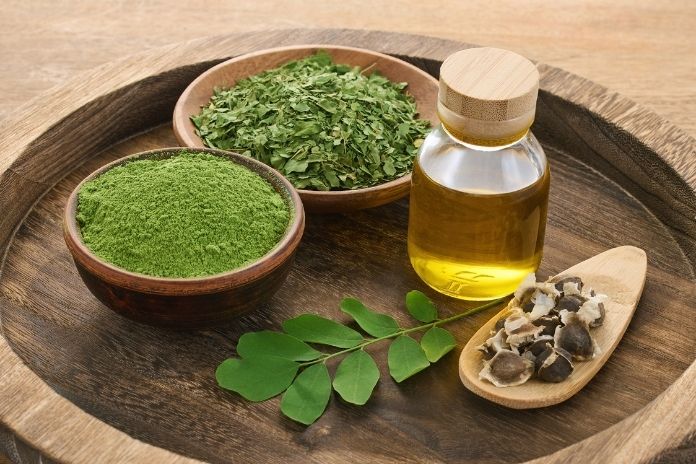
Supplements marketed for “detox” come in many forms, powders, pills, teas, and capsules, often claiming to flush heavy metals or environmental toxins from your body.
But not all of them are created equal, and the evidence behind these claims varies widely.
In this section, we will break down nine of the most popular detox supplements, explain what they are supposed to do, and examine what scientific research actually says.
You’ll see which compounds have some supporting data, which are mostly speculative, and the key safety considerations to keep in mind.
1. Chlorella (green algae)
- What it is & how it’s marketed: A freshwater micro-alga used as a “natural binder,” often promoted to chelate heavy metals (mercury, lead) and environmental toxins.
- Research evidence: According to a recent paper, C. vulgaris achieved adsorption efficiencies of 93.63 % for Cu(II), 73.45 % for Cd(II), and 85.41 % for Zn(II) in aqueous solutions.
The researchers showed that adsorption occurs primarily on the cell surface (extracellular), with some intracellular accumulation as a secondary effect. Metal binding involves cell-surface functional groups such as amino, carboxyl, aldehyde, and ether groups.
- Caveats: Those are not human clinical trials. A review of herbal compoundsfor heavy-metal toxicity notes promising “potential,” but emphasizes lack of robust human data. One more recent study on microalgae heavy-metal remediation confirms their utility in environmental cleanup, not human detox.
- Verdict: Chlorella shows biochemical ability to bind metals in lab / environmental contexts, but there’s no solid evidence that eating or supplementing it reliably removes heavy metals from human tissues.
2. Cilantro (Coriandrum sativum)
- Marketing claims: Promoted as a “metal-puller,” especially for lead or mercury accumulated in tissues.
- What evidence exists: Some experimental and animal studies under heavy-metal exposure suggest cilantro might reduce metal accumulation, for instance, reduced cadmium in liver tissue of fish or lowered bone lead in mice. A 2019 review of herbal chelators lists cilantro among herbs with possible heavy-metal binding or supportive effects.
- Limitations: The evidence is almost entirely from non-human studies. There are no rigorous, large-scale human trials demonstrating that cilantro consistently reduces body heavy-metal burden.
- Verdict: While cilantro may have some metal-binding potential under controlled conditions, claims of meaningful “detox” in humans are unproven.
Read More: Study Suggests Therapeutic Benefits Of Cilantro
3. Zeolite (Clinoptilolite) / other zeolites/mineral binders
- How it’s promoted: As a “mineral cage”, a microporous mineral that binds and traps heavy metals and other environmental toxins, supposedly flushing them out via gut or urine.
- Research & evidence:One rodent study found that drinking water with modified clinoptilolite significantly reduced cadmium accumulation in mice compared with control, about a 48% reduction in Cd accumulation and increased excretion of Cd.
- Regulatory/safety concerns: According to mainstream medical information sources, there is no convincing evidence that zeolite reliably removes heavy metals in humans, and regulatory bodies have issued warnings about unverified health claims.
- Verdict: There is insufficient high-quality human evidence to recommend zeolites as safe, effective metal “detoxifiers.” Purity and potential contaminants present additional risk.
4. Modified Citrus Pectin (MCP)
- What it is: A processed form of pectin (from citrus peels) designed to be more readily absorbed. Marketed as a gentle chelator, especially of lead, for children and adults with chronic exposure.
- Evidence: According to Zhao Z.Y. et al., in “The role of modified citrus pectin as an effective chelator of lead in children hospitalized with toxic lead levels,” children aged 5–12 with blood lead > 20 µg/dL were given 15 g/day MCP (divided doses) over ~2–4 weeks. Blood lead levels dropped significantly, while 24‑hour urinary lead excretion increased markedly.
- Caveats and limitations: Most data comefrom retrospective or prospective case series, and none adequately control for confounding factors (like removal from exposure). The certainty of evidence for most outcomes, including long-term health & neurobehavioural effects, is rated very low.
- Verdict: A small human pilot study found that giving MCP orally to children with elevated lead levels was associated with a marked drop in blood‑lead levels and a large increase in urinary lead excretion.
5. Milk Thistle (Silybum marianum)

- Why it’s used:Long popular as a “liver-support” herb. Its extract (silymarin) is often touted to help the liver process and eliminate toxins.
- Evidence: A recent human‑patient study found that in individuals with iron overload (β‑thalassemia intermedia), silymarin therapy significantly reduced serum ferritin levels over months, suggesting a real capacity to lower iron burden in a pathological context.
- What it does not show: No strong evidence that milk thistle can remove heavy metals from a body that hasn’t been acutely poisoned. Its “detox” effect remains unproven, especially in healthy individuals.
- Verdict: Milk thistle may support liver health under certain conditions, but claims of heavy-metal detox in healthy people go beyond what evidence supports.
Read More: Milk Thistle Tea: Benefits, Side Effects, and How to Brew It Safely
6. N‑acetyl‑cysteine (NAC) (and other glutathione-boosting / antioxidant precursors)
- Why it’s promoted: NAC is a precursor to glutathione, a powerful antioxidant and a key component of the body’s natural detoxification/antioxidant system. It is sometimes used in clinical scenarios (e.g., acetaminophen overdose) to help the liver.
- Evidence for “general detox”:NAC supports detox pathways by replenishing glutathione and helping the body manage oxidative stress. As per a nutrition-science reviewer, NAC (along with a few other well-studied compounds) is among the small group of supplements with some human evidence for liver support.
- Limitations: NAC does not by itself remove heavy metals; it may help mitigate oxidative stress caused by them. There is no robust evidence that NAC clears out metals or “toxins” the way chelation therapy does.
- Verdict: NAC can support antioxidant defenses and liver health, but treating it as a “toxins vacuum” is stretching the science.
7. Curcumin / Turmeric Extract
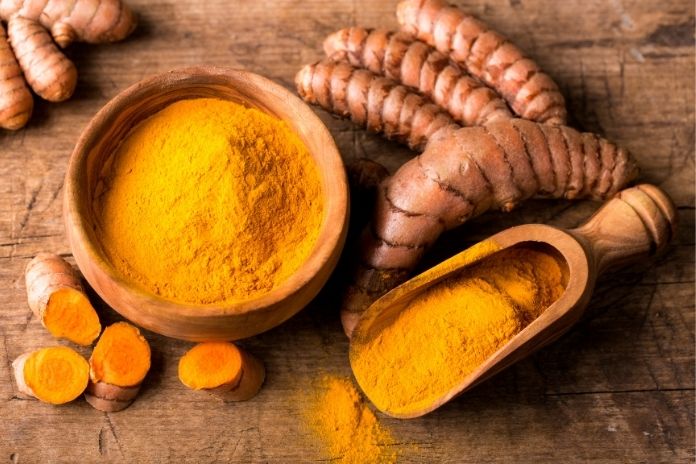
- Why people take it: Curcumin, the active compound in turmeric, is widely praised for its anti-inflammatory and antioxidant properties, which some extrapolate to “detox support.”
- Research situation: A 2023 review concludes curcumin shows “promising metal toxicity‑ameliorative effects,” largely driven by its antioxidant properties, protection against lipid peroxidation, and mitigation of oxidative stress caused by metal overload.
- What’s not shown: There is no strong human evidence that curcumin alone removes heavy metals, cleanses the body of toxins, or significantly lowers the body burden of metals. Clinical trials focusing on “detox” outcomes are essentially missing.
- Verdict: Curcumin may support general health, inflammation control, and cellular defense, but using it as a heavy-metal “detox agent” is not supported by rigorous evidence.
Read More: 25 Turmeric Golden Milk Benefits You Need To Know
8. Activated Charcoal and other gut “binders” (clays, etc.)
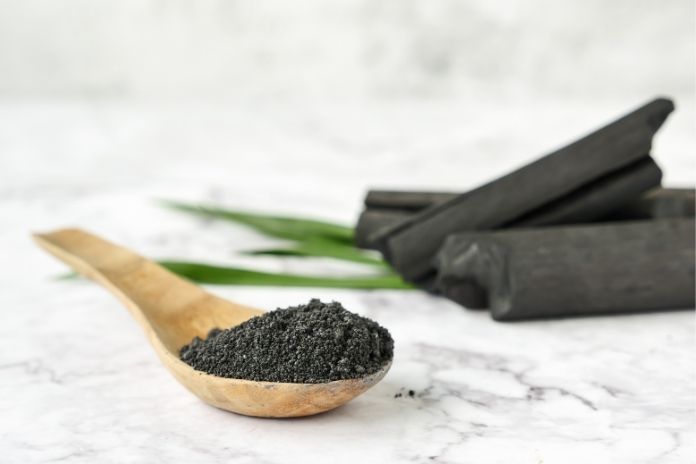
- How they’re marketed: As absorbers, substances that “soak up” toxins in the gastrointestinal (GI) tract and help flush them out, preventing reabsorption.
- What’s known/used:Activated charcoal has an established role in acute poisoning, for example, ingested toxins or overdoses, because it binds substances in the gut to prevent absorption.
- Why daily detox use is questionable: For systemic toxins (heavy metals accumulated in tissues), charcoal cannot reach them; it only works in the gut. Using it regularly may also interfere with nutrient absorption and medications. Mainstream sources warn that regular use may not be safe or effective.
- Verdict: Activated charcoal is useful for acute poisoning, but not a reliable or safe tool for general “body cleanse” or heavy-metal removal.
According to a medical review, activated charcoal works by adsorbing toxins present in the gastrointestinal (GI) tract, preventing their absorption into the body. It does not get absorbed itself. It does not effectively adsorb heavy metals, iron, lithium, or electrolytes.
9. Other approaches are sometimes packaged under “detox.”
- Several reviews of herbal chelation list a variety of herbs and plant-derived substances (sulfur-containing foods, fibers, algae, etc.) as potential adjuncts in cases of metal toxicity.
- However, these are rarely backed by robust human studies. In almost all cases, evidence comes from animal experiments or in vitro tests, insufficient to conclude that they effectively reduce metal burden in humans.
- It’s also important to note that chemical chelation (using clinically approved chelators) remains the only proven, effective method for treating serious heavy-metal poisoning; supplements are not equivalent to medically supervised chelation.
Why So Much Hype: and Why It Matters
The promise of a “reset button” that flushes toxins to make you feel lighter, more energetic, or even younger is undeniably appealing. That appeal fuels marketing for heavy-metal and general detox supplements, often with celebrity endorsements, flashy labels, and glowing testimonials. Yet behind the hype, the science is far less certain.
Supplements typically escape the rigorous testing applied to prescription drugs. Claims of heavy-metal detox are often unchecked, and many products make bold statements without solid evidence. While some ingredients may have theoretical benefits, most claims remain exaggerated or unproven.
Key concerns to keep in mind:
- Purity and contamination:Ingredients like algae, clay, or minerals can carry heavy metals if not properly tested.
- Dosage inconsistencies:Labels may not reflect actual content, meaning you could be ingesting too little or too much.
- Potential harm from overuse:Binders or chelators, especially unsupervised, can strip essential nutrients (zinc, iron, calcium), cause dehydration, or redistribute metals to sensitive organs.
- Regulatory gaps:Supplements are not held to the same safety or efficacy standards as medications, leaving consumers largely on their own.
Ultimately, while the concept of “detoxing” is appealing, relying on supplements without understanding the risks can backfire. A realistic approach begins with the body’s natural detox systems, liver, kidneys, lungs, skin, and digestive tract, and considers supplements only as potentially supportive, not curative.
What the Evidence Really Supports (and What It Doesn’t)
For individuals with confirmed heavy-metal poisoning, medically supervised chelation therapy remains the gold standard. Supplements marketed for detox or metal removal are not a substitute for professional medical care and should not replace clinically indicated treatment.
For people exposed to environmental toxins over the long term but without acute poisoning, the evidence supports prevention and lifestyle measures rather than relying on supplements:
- Reduce exposure: Improve water and food safety, avoid known sources of heavy metals, and minimize contact with contaminated environments.
- Support natural detox systems: Maintain a balanced diet, stay well hydrated, and promote regular bowel and kidney function through healthy lifestyle habits.
- Use supplements cautiously: Only consider under medical supervision, especially if there is a specific nutritional need or medical recommendation.
Some supplements have limited, suggestive evidence in small studies or case reports. For example:
- Modified citrus pectin: May assist in metal excretion, but evidence is preliminary. Long-term safety and efficacy remain uncertain.
Most other commonly marketed “detox” supplements, including chlorella, cilantro, zeolite, turmeric, activated charcoal, and others, lack strong human data. Claims that they can “cleanse” or remove heavy metals from the body are speculative at best and not reliably supported by science.
In short, while lifestyle and medical strategies have strong grounding, most over-the-counter detox products remain unsupported by rigorous evidence, and consumers should approach them with caution.
Conclusion
Supplements marketed to “remove toxins” or heavy metals tap into a real concern, environmental contamination and chronic low-level exposure, and often build on sound biochemistry (antioxidants, chelation theory, metal-binding). But when it comes to human health outcomes, the evidence is thin.
Relying on these products as a quick fix is not wise. At best, they may offer marginal, unproven benefits; at worst, they can cause harm, nutrient imbalances, contamination, or a false sense of security that leads you to ignore proven methods (such as avoiding exposure or seeking medical care when needed).
If you’re genuinely concerned about heavy metal exposure, talk to a qualified physician, get proper testing, and consider evidence-based medical approaches. Supplements alone are rarely sufficient, and sometimes risky.
Frequently Asked Questions (FAQs)
Can detox supplements actually remove heavy metals from my body?
For people with confirmed heavy-metal poisoning, only medically supervised chelation has proven effectiveness. Most over-the-counter supplements, like chlorella, cilantro, or zeolite, lack robust human evidence. At best, some may have marginal support from lab or animal studies, but they cannot reliably remove metals in healthy individuals.
Are “natural” or plant-based detoxes safer than chemical chelators?
Natural doesn’t always mean harmless. Many herbal or mineral-based products can contain contaminants, strip essential nutrients, or interact with medications. Safety depends on product purity, dosage, and supervision. Even plant-based “binders” should be used cautiously and ideally under medical guidance.
Should I take detox supplements if I’m exposed to low levels of metals at home or work?
For long-term, low-level exposure, evidence suggests that lifestyle measures, reducing exposure, staying hydrated, and supporting your body’s natural detox systems, are more effective than supplements. Occasional use of certain products, like modified citrus pectin, may help marginally, but they’re not a substitute for prevention or medical advice.
Can I rely on activated charcoal, turmeric, or milk thistle for everyday detox?
Activated charcoal works for acute poisoning in the gut but does not remove systemic metals. Turmeric and milk thistle may support antioxidant defenses or liver health, but claims that they flush heavy metals are unproven. Regular use for “detox” purposes is largely unsupported by human studies.
How can I support my body’s natural detox systems safely?
Focus on lifestyle fundamentals: eat a balanced diet, stay hydrated, get regular exercise, and maintain healthy kidney and bowel function. Avoid exposure to contaminated food, water, or environments, and wash your hands after contact with potential sources of toxins. Supplements should only be considered as supportive tools, not a primary solution.
References
- iHerb. (n.d.). Natural supplements for detox. iHerb Blog
- Seeking Health. (n.d.). The 7 detoxification support supplements that everyone needs—and why
- National Center for Complementary and Integrative Health. (n.d.). Detoxes and cleanses: What you need to know
- Health. (n.d.). Supplements for liver health
- Johns Hopkins Medicine. (n.d.). Detoxing your liver: Fact versus fiction
- Merchant, R., & Ingle, A. (2020). Chlorella: A review of its properties and applications. PMC
- WebMD. (n.d.). Chlorella
- ScienceDirect. (n.d.). Chlorella
- University of Wisconsin–Madison Extension. (n.d.). Cilantro (Coriander, Coriandrum sativum)
- WebMD. (n.d.). Cilantro
- ScienceDirect. (n.d.). Zeolite
- WebMD. (n.d.). Zeolite
- National Center for Complementary and Integrative Health. (n.d.). Milk thistle
- WebMD. (n.d.). Milk thistle: Benefits and side effects
- WebMD. (n.d.). N-acetyl-cysteine (NAC)
- WebMD. (2017). N-acetylcysteine: Overview of research and uses. PMC
- Cancer Research UK. (n.d.). Modified citrus pectin (MCP)
- WebMD. (n.d.). Selenium supplement guide
- WebMD. (2017). Selenium: Health benefits and studies. PMC
- ScienceDirect. (n.d.). Activated charcoal
- WebMD. (n.d.). Activated charcoal
- National Center for Biotechnology Information. (2019). Dietary supplements for liver health
In this Article