













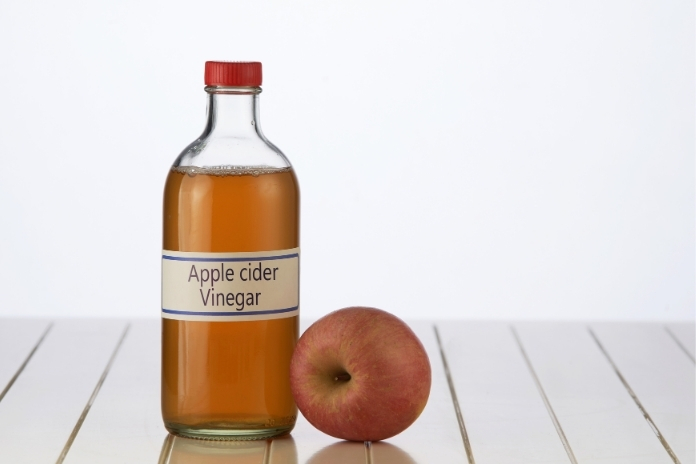
You’ve heard about apple cider vinegar (ACV) for metabolism and digestion, but let’s be honest: the taste can be a dealbreaker. That sharp, sour kick isn’t everyone’s cup of tea. Still, there’s a reason so many people swear by it.
Here’s the thing: you don’t need those sugary “detox” drinks or syrupy gummies to get the benefits. With the right dilution, a few clean ingredients, and some smart timing, ACV can actually become something you look forward to.
Whether you want to add a tangy twist to your morning routine, a refreshing sip before meals, or a gentle digestive drink post-dinner, it’s all about balance and taste.
Below are seven low-sugar, doctor-approved recipes that make ACV easy to enjoy, plus practical safety tips, realistic usage guidelines, and a quick look at what science actually says about this centuries-old tonic.
Why ACV Drinks are Popular, and What They Really Do
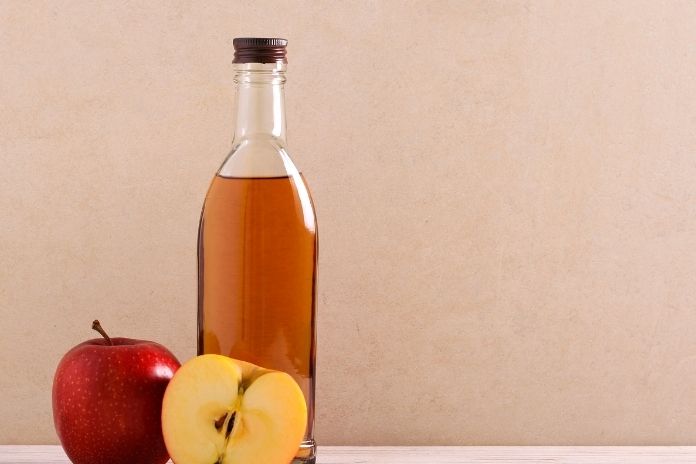
Apple cider vinegar contains acetic acid, which may help decrease fasting plasma glucose levels when consumed with complex carbohydrates.
Studies show it works by slowing gastric emptying – how quickly food moves from your stomach to your small intestine – and delaying glucose absorption. One commonly cited trial found that vinegar improved insulin sensitivity in people with insulin resistance when consumed with a high-carb meal.
Research also suggests vinegar may increase feelings of fullness, potentially reducing calorie intake over time. However, weight loss from ACV in trials is typically modest and most effective when paired with calorie control and exercise.
“If you look at the nutrition facts label, apple cider vinegar doesn’t show high amounts of vitamins, minerals, or even calories,” says registered dietitian Beth Czerwony, RD, LD. “Its potential health benefits are found in substances that aren’t part of the standard nutrition label.”
Read More: 15 Health Benefits of Apple Cider Vinegar
How to Make ACV Drinks Safely
Before you start mixing up apple cider vinegar drinks, it’s worth knowing that a few small precautions go a long way. ACV can be a useful daily addition, but only if you use it wisely. Too much, too strong, or too frequent can do more harm than good. Here’s how to make it safe and effective.
- Dilute, always: Mix 1–2 tablespoons (15–30 ml) of ACV into 8–10 oz (250–300 ml) of water. That’s the sweet spot used in most practical settings, strong enough to work, gentle enough on your system. Never drink it straight; undiluted vinegar can irritate your throat, burn your esophagus, and damage tooth enamel.
- Choose raw, unfiltered ACV: Go for the kind with “the mother”, the cloudy strands that form naturally during fermentation. They contain trace probiotics and beneficial plant compounds that may support gut balance and add a bit more nutritional value.
- Protect your teeth: Since vinegar is acidic, it can erode enamel if you sip it too often or too slowly. Use a straw to reduce contact with your teeth, rinse your mouth with plain water afterward, and wait about 30 minutes before brushing.
- Keep it moderate: One to two servings a day is plenty. Going beyond that doesn’t increase benefits; it just raises risks like low potassium or slowed digestion in some people. If you take medications such as insulin or diuretics, or if you have digestive issues like gastroparesis, check with your doctor before using ACV regularly.
Because ACV is acidic, it can erode tooth enamel or irritate the throat if used incorrectly. Health experts recommend diluting it, limiting frequency, and avoiding undiluted “shots.”
A Cleveland Clinic expert notes that “apple cider vinegar is safe for most people in small amounts,” but emphasizes it isn’t an approved treatment for medical conditions and should be used cautiously.
“Consuming it contributes to the acid in your stomach that’s already causing issues … I’ve had several patients come in who couldn’t swallow … diagnostic endoscopy uncovered that the lining of their entire esophagus was completely raw.” – Dr. Neeharika Kalakota, a gastroenterologist at Houston Methodist.
In short: ACV isn’t a miracle drink, but when used safely and consistently, it can become a refreshing, health-conscious part of your daily routine.
7 Easy Low-Sugar ACV Drink Recipes (No Fake Sweeteners)

Apple cider vinegar doesn’t have to taste like punishment. The key is pairing it with natural flavors that balance its sharpness without adding heaps of sugar. Each of these seven drinks stays under control on sweetness, avoids artificial additives, and can fit easily into your day, whether you want a light morning start, a mid-day refresher, or a gentle evening sip.
(Each recipe assumes 1 tablespoon of ACV per 250–300 ml of liquid. You can increase to 2 tablespoons only if you tolerate it well and stay within your daily limit of 1–2 servings.)
1) Lemon-Ginger ACV Morning Refresher
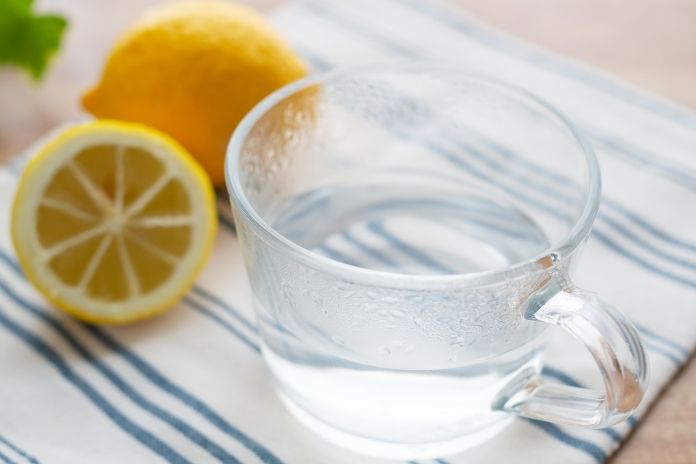
Ingredients: 1 cup (250 ml) water, 1 tbsp ACV, juice of ½ lemon, 1 tsp grated fresh ginger, optional ½ tsp raw honey (skip if zero sugar).
Why it works: Lemon adds vitamin C and brightens the sharpness of ACV, while ginger helps with digestion and nausea. A hint of honey softens the sourness without spiking sugar.
Best time to drink: About 20 minutes before breakfast to gently wake up your metabolism and gut.
2) Berry-Infused ACV Hydrator
Ingredients: 1 cup water, 1 tbsp ACV, a handful of frozen berries (blueberries or strawberries), 3–4 mint leaves.
Why it works: Berries naturally sweeten the drink while providing antioxidants and color. Mint cools and refreshes, making it easy to sip throughout the day.
Best time to drink: Mid-morning or early afternoon, it’s hydrating, fruity, and helps curb unnecessary snacking.
3) Cinnamon-Apple ACV Cooler
Ingredients: 1 cup water (or sparkling water), 1 tbsp ACV, 3 thin apple slices, 1 cinnamon stick.
Why it works: Cinnamon supports healthy blood-sugar control and creates a natural sweetness. The apple adds mild fruit flavor without added sugar.
Best time to drink: Early afternoon or around 3 p.m., when energy dips, the spice and fizz give a light pick-me-up.
4) Citrus-Mint ACV Electrolyte Drink
Ingredients: 1 cup water, 1 tbsp ACV, 1 tbsp fresh orange or lime juice, a pinch of sea salt, and a few mint leaves.
Why it works: A touch of citrus provides natural electrolytes and freshness, salt helps with hydration, and ACV balances acidity and appetite.
Best time to drink: After a workout or on a hot day when you need rehydration without added sugar.
5) Blueberry-Basil ACV Sparkler
Ingredients: ¾ cup sparkling water, 1 tbsp ACV, a small handful of muddled blueberries, and 3 basil leaves.
Why it works: Blueberries bring antioxidants and color; basil adds aroma and sophistication. Sparkling water makes it feel like a healthy mocktail.
Best time to drink: Late afternoon or early evening, when you want something refreshing and flavorful instead of soda or alcohol.
6) Honey-Cinnamon ACV Evening Soother
Ingredients: 1 cup warm (not hot) water, 1 tbsp ACV, ¼ tsp ground cinnamon, ¼–½ tsp raw honey.
Why it works: Warm water calms digestion, cinnamon stabilizes blood sugar, and a trace of honey rounds out flavor and promotes relaxation.
Best time to drink: After dinner or before bed, if acidity doesn’t bother you, it’s cozy and helps settle your stomach.
7) Green Tea ACV Metabolism Booster
Ingredients: ¾ cup cooled brewed green tea, 1 tbsp ACV, lemon wedge.
Why it works: Green tea’s catechins and ACV’s acetic acid may work together to support fat metabolism and satiety. Lemon adds brightness and cuts bitterness.
Best time to drink: Mid-morning or before a workout, light, energizing, and mildly detoxifying without sugar.
Read More: Importance of Apple Cider Vinegar and Honey
Expert Tips for Best Results
Apple cider vinegar works best as part of a bigger picture, not as a quick fix or “detox trick.” Think of it as one small piece in a balanced routine that supports digestion, energy, and blood-sugar balance. These practical, evidence-based tips help you get the benefits without the side effects:
- Consistency beats extremes. Small, regular habits, like one diluted ACV drink daily, tend to be more effective than occasional “cleanses.” Research shows that modest, consistent use supports better metabolic outcomes when paired with a healthy diet.
- Pair with fiber and protein. If your goal is appetite control or steadier blood sugar, take ACV before a balanced meal with protein and fiber. That combination helps reduce glucose spikes more effectively than ACV alone.
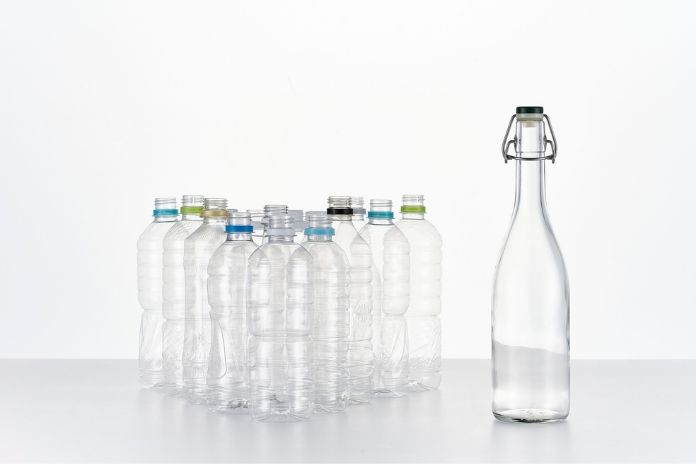
- Use glass, not plastic. ACV is acidic and can react with plastic, potentially leaching unwanted compounds. Stick to glass or stainless steel bottles for mixing and storage.
- Watch for caution pairings. If you have gastroparesis, low potassium, or take diuretics, insulin, or heart medications, talk to your doctor first. ACV can interact with these conditions or amplify certain drug effects.
Bottom line: treat ACV as a smart add-on, not a shortcut. It complements healthy eating, hydration, and movement, but it can’t replace them.
FAQs
Can I drink ACV every day? Yes, for many people, in moderation. Most studies use 1–2 tbsp/day. Long-term excessive use can raise risks (low potassium, enamel erosion), so stick to recommended doses and check with your clinician.
What’s the best time to drink ACV for metabolism? Before a meal (20–30 minutes) appears most useful for reducing post-meal glucose and increasing satiety in the short term. Some people prefer morning or pre-workout for energy and appetite control.
Is ACV safe for diabetics or people with acid reflux? Diabetics may benefit from the antiglycemic effects, but must monitor blood sugar closely and discuss with their provider (ACV can interact with diabetes medications). People with reflux or GERD may find ACV worsens symptoms, test cautiously, and stop if symptoms increase.
Can I mix ACV into smoothies or juices? Yes, but be mindful of total sugar. A splash in a low-sugar smoothie (greens, protein, a few berries) is reasonable. For juices, keep fruit content small to avoid a high-sugar drink.
Conclusion
You don’t need sugary “detox” drinks or expensive wellness shots to get the potential perks of apple cider vinegar. What actually matters is how you use it, consistently, safely, and in context with the rest of your habits. When diluted properly and limited to one or two servings a day, ACV can add a subtle flavor kick while supporting digestion, satiety, and post-meal blood-sugar balance for some people.
Here’s the thing: ACV isn’t magic. It won’t undo a poor diet or replace balanced meals. But when paired with nutrient-dense foods, plenty of water, good sleep, and daily movement, it can be a small, steady ally in your wellness routine, not a quick fix.
So instead of chasing viral “fat-burning tonics,” try something simpler: mix a tablespoon of ACV into one of the seven low-sugar recipes above, sip it mindfully, and see how your body feels over time. The goal isn’t detox, it’s daily balance. Your gut, your energy, and maybe even your taste buds will notice the difference.
References
- http://www.webmd.com/diet/apple-cider-vinegar-and-your-health
- https://health.clevelandclinic.org/exploring-the-health-benefits-of-apple-cider-vinegar
- https://www.mdanderson.org/cancerwise/what-are-the-health-benefits-of-apple-cider-vinegar.h00-159696756.html
- https://www.bbcgoodfood.com/health/nutrition/health-benefits-apple-cider-vinegar
- https://www.medicinenet.com/20_benefits_of_drinking_apple_cider_vinegar/article.htm
- https://www.uchicagomedicine.org/forefront/health-and-wellness-articles/2018/august/debunking-the-health-benefits-of-apple-cider-vinegar
- https://www.hollandandbarrett.com/the-health-hub/food-drink/nutrition/is-it-safe-to-drink-apple-cider-vinegar-every-day/
- https://www.buzzrx.com/blog/20-benefits-of-apple-cider-vinegar
- https://www.careinsurance.com/blog/health-insurance-articles/eight-health-benefits-of-apple-cider-vinegar
- https://snackjacksons.com/blogs/blog/benefits-of-apple-cider-vinegar-drinks
- https://www.gq-magazine.co.uk/article/apple-cider-vinegar-benefits-1
- https://www.guardian.in/blogs/livewell/health-benefits-of-apple-cider-vinegar
- https://www.everydayhealth.com/pictures/apple-cider-vinegar-beauty-uses/
- https://www.houstonmethodist.org/blog/articles/2023/mar/is-apple-cider-vinegar-good-for-you/
- https://www.quora.com/Should-we-take-Apple-cider-vinegar-every-morning
- https://www.medicalnewstoday.com/articles/323721
- https://extension.wvu.edu/food-health/cooking/apple-cider-vinegar-myths-facts
- https://www.health.harvard.edu/blog/apple-cider-vinegar-diet-does-it-really-work-2018042513703
- https://www.vogue.co.uk/article/apple-cider-vinegar-benefits
In this Article