












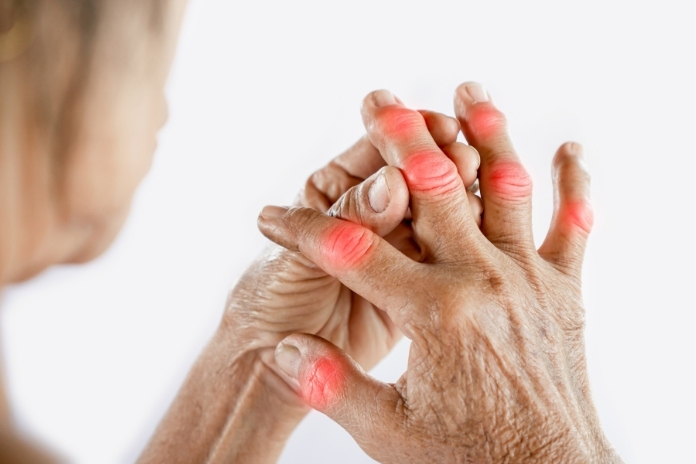
Many people today suffer from arthritis worldwide. Arthritis is not a single disease but a collection of conditions that lead to pain, stiffness, swelling, and reduced mobility in the joints. The two most common types include:
- Osteoarthritis (OA): Resulting from progressive wear and tear of cartilage that lines the joints.
- Rheumatoid Arthritis (RA): An autoimmune disorder in which the immune system mistakenly targets the joints, leading to long-term inflammation.
Dr. Beth Jonas, a rheumatologist with the UNC Thurston Arthritis Research Center, describes rheumatoid arthritis, how it is diagnosed, and treated. “What I tell my patients is that I really want them to be as active as they can be, but without really hurting their joints. Some amount of low-level activity every day is very important to keep the joints supple and healthy,” says Beth Jonas, MD
Although there is no permanent treatment, a mix of natural remedies, lifestyle remedies, and home-based treatment can lower the symptoms, increase flexibility, and slow disease advancement. The remedies below are supported by evidence-based scientific and clinical research.
Natural Remedies for Arthritis That Actually Work
11. Remain Physically Active

Exercise is medicine for arthritis. Continuous, low-impact exercise strengthens the muscles that surround joints, supporting them better and putting less stress on them. Exercise also supplies joints with lubrication, reduces stiffness, and aids in weight management—an important consideration for lowering joint stress.
Best choices are:
- Walking or Swimming: Low-impact aerobic exercise that enhances blood flow without stressing out the joints.
- Cycling: Strengthens the legs without putting pressure on weight-bearing joints.
- Yoga and Tai Chi: Promote flexibility, balance, and stress relief.
- Stretching: Prevents muscles from stiffening and keeps the range of motion.
Tip: Begin slowly and gradually increase intensity. Even 20–30 minutes most days will make a difference.
Exercise is repeatedly mentioned in clinical guidelines as one of the most valuable non-drug therapies for OA and RA.
Read More: Ease Arthritis Symptoms: 5 Best Heating Pads for Joint Pain Relief
22. Hot and Cold Therapy
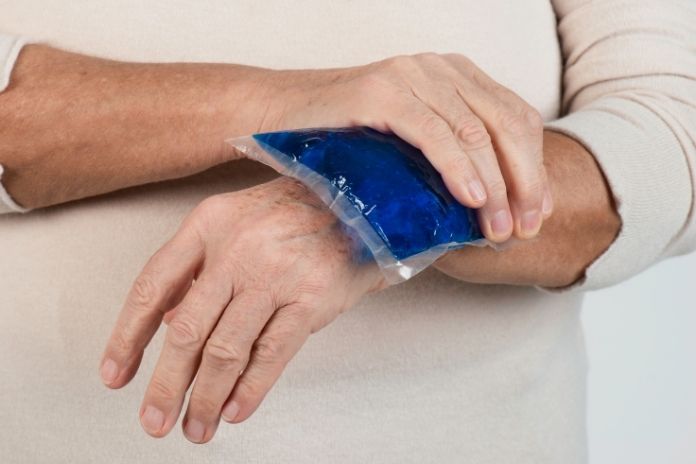
Temperature therapy is an old remedy for controlling arthritis pain.
Heat therapy widens blood vessels, relaxes contracting muscles, and increases blood flow. This makes joints feel looser and less stiff.
Cold therapy constricts blood vessels and numbs nerve endings, helping reduce swelling and stinging pain.
How to Use:
- Heat: Use warm compresses, a heating pad, or a hot shower in the morning to relieve stiffness.
- Cold: Apply an ice pack or cold gel pack covered in a towel to tender spots for 10–15 minutes to reduce inflammation.
Bonus tip: Switch between heat and cold based on your symptoms. Heat is ideal for stiffness, whereas cold is ideal for swelling and sharp flare-ups.
Rheumatologists and physical therapists uniformly suggest hot/cold therapy as a first-line home remedy.
33. Stay at a Healthy Weight

Carrying excess body weight places additional stress on weight-bearing joints such as the knees, hips, and spine. For individuals with osteoarthritis, even shedding 5–10% of body weight will substantially lower pain and enhance mobility.
Additional tip: Pair portion control with regular exercise to create steady, long-term weight loss. Even small decreases in weight can postpone the necessity for surgical procedures such as knee replacements.
Several studies support that weight loss not only decreases symptoms but also decelerates the progression of joint damage.
44. Eat an Anti-Inflammatory Diet

What you consume has a direct effect on inflammation within the body. Diets full of anti-inflammatory foods can relieve arthritis symptoms and promote long-term joint health.
Key foods to include:
- Fatty Fish: Salmon, sardines, and mackerel are packed with omega-3 fatty acids that decrease inflammatory markers.
- Fruits and Vegetables: Berries, citrus fruits, leafy greens, and cruciferous vegetables yield antioxidants that combat inflammation.
- Whole Grains and Legumes: Maintain normal blood sugar and minimize inflammatory reactions.
Other foods, such as nuts, seeds, and olive oil, comprise healthy fats that guard against chronic inflammation.
Avoid: Processed snacks, sweetened beverages, fried foods, red meat, and trans fats, which can exacerbate inflammation.
Extra tip: Eating a Mediterranean-type diet is one of the most highly recommended strategies for arthritis, particularly RA.
Clinical trials have shown that an anti-inflammatory diet benefits pain scores and function in individuals with arthritis.
Read More: Bursitis vs Arthritis: What’s Causing Your Joint Pain? A Clear Comparison Guide
55. Try Turmeric (Curcumin)
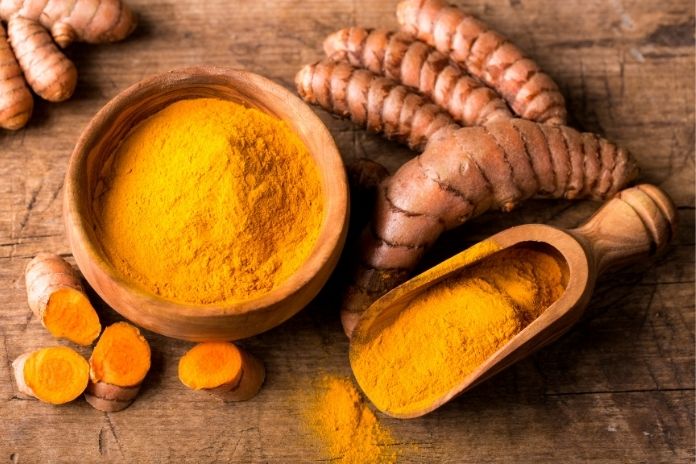
Turmeric has curcumin, a very potent anti-inflammatory and antioxidant compound. It could potentially decrease joint pain, stiffness, and swelling in both OA and RA.
How to Use:
- Add turmeric to soups, curries, and smoothies.
- Consider a standardized curcumin supplement (check with your doctor for dosage and quality).
- Pair turmeric with black pepper (piperine) to enhance absorption.
Extra tip: Supplements work best when taken consistently and under medical guidance, especially if you’re already on arthritis medication.
Several clinical trials report less but meaningful improvements in pain and function with curcumin supplementation.
66. Consider Omega-3 Supplements
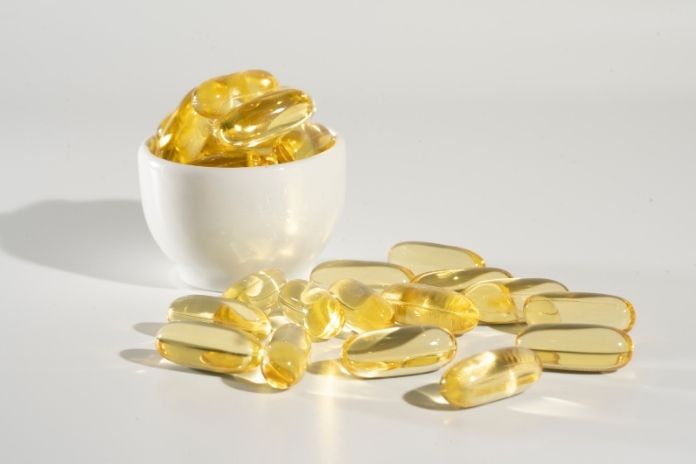
Omega-3 fatty acids in fish oil reduce inflammation at the cellular level. They work particularly well for people with rheumatoid arthritis, making morning stiffness, joint tenderness, and fatigue less severe.
Sources of omega-3 include:
- Fatty fish (2–3 servings weekly)
- Fish oil supplements of high quality (ask your doctor before initiating)
Additional tip: If you don’t consume fish, plant-based omega-3s in flaxseeds, chia seeds, and walnuts can still be helpful, although less effective than the marine-based variety.
Clinical trials demonstrate the greatest benefit in RA, with measurable improvements in pain and decreased need for NSAIDs.
77. Stress Reduction and Mind-Body Techniques

Stress has been shown to exacerbate inflammation and sensitivity to pain. Techniques such as yoga, meditation, and tai chi blend gentle motion with relaxation, diminishing the perception of pain while enhancing flexibility and emotional health.
Additional tip: Even a 10-minute daily session of mindfulness or deep breathing can reduce cortisol levels, perhaps alleviating arthritis flare-ups.
Studies have found that these stress reduction methods are safe and effective adjunct treatments for management of chronic arthritis pain.
88. Acupuncture
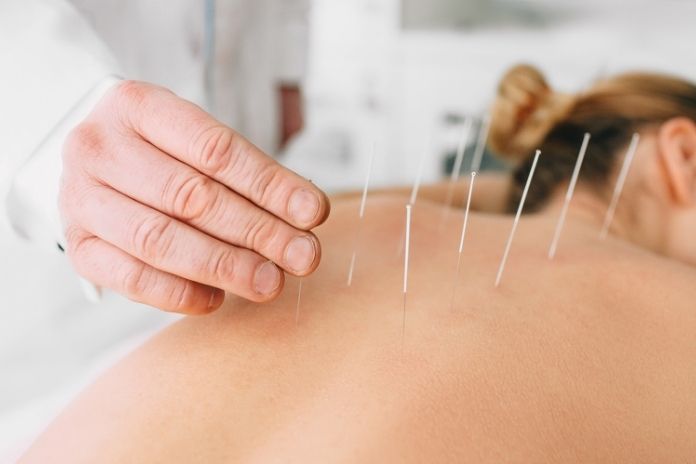
This ancient Chinese practice consists of inserting slender needles into precise points to energize nerves and improve circulation. Numerous individuals with arthritis, particularly knee pain, feel that the pain gets reduced with this technique.
Tip: Find a licensed acupuncturist who has experience in treating arthritis. Treatments are mostly safe and may be combined with other therapies.
Certain clinical trials have indicated significant improvements in OA-associated pain, although results can differ from person to person.
Read More: Early Signs of Arthritis in Your 30s You Shouldn’t Ignore
99. Topical Ointments and Creams
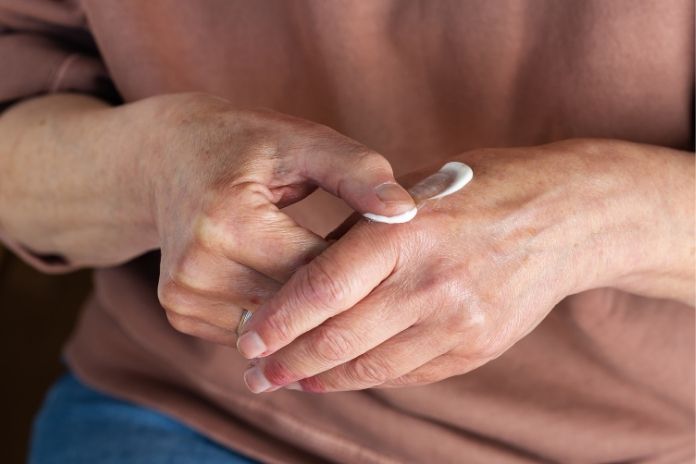
Local agents like capsaicin, menthol, or salicylates relieve pain locally. They act by numbing the nerve endings or producing warming/cooling feelings to divert the mind from joint pain.
Tip: Use these creams directly over involved joints (such as knees or hands) a few times a day. They are particularly helpful for people who are unable to use oral pain medications.
Clinical guidelines generally suggest using topical therapies for mild to moderate pain due to arthritis before resorting to more potent drugs.
1010. Assistive Devices
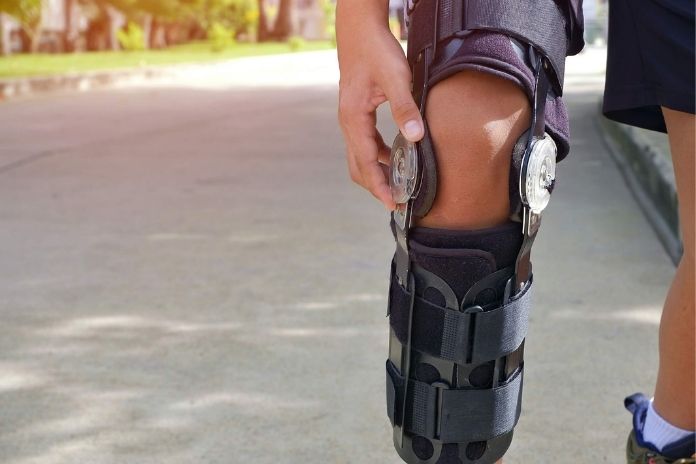
Braces, canes, and supportive shoes may alleviate painful joint pressure, avoid injury, and enhance mobility. Similarly, ergonomic utensils also simplify everyday tasks for arthritic hands.
Examples:
- Knee braces for increased support
- Orthotics or cushioned shoes to alleviate impact
- Jar openers or ergonomic kitchen gadgets for hand arthritis
Extra tip: Seek an occupational therapist’s advice to discover the appropriate device for your requirements.
People who used assistive devices experienced reduced pain and an overall high quality of life, particularly in severe to moderate OA.
1111. Prioritize Good Sleep
Sleep plays an important role in healing and in regualtion of inflammation regulation. Lack of sleep not only exacerbates pain but also decreases pain tolerance, resulting in a vicious circle.
How to promote the quality of sleep:
- Maintain a regular sleep routine.
- Avoid caffeine or screen time at night.
- Use supportive pillows or a joint-friendly mattress.
Additional tip: Pre-sleep stretching is relaxing to muscles and can lower stiffness at night.
Better quality sleep has been linked with reduced arthritis pain and fatigue, according to studies.
Methods With Limited Evidence
Glucosamine and chondroitin: A few reports have shown improvement for knee OA, but clinical outcomes are mixed.
Herbal remedies (ginger, Boswellia, willow bark, devil’s claw): Promising in small studies, but supplements are unregulated, and results vary.
Magnet therapy or copper bracelets: Popular but lack strong scientific backing.
Safety Note: Not every remedy is safe for everyone. Herbal supplements may interact with medications, so it’s important to follow the correct dosage. Always consult a healthcare provider before starting new treatments, especially if you’re on prescription drugs.
12Final Takeaway
The most effective means of managing arthritis at home involve being active, maintaining a healthy weight, applying hot/cold therapy, eating an anti-inflammatory diet, and perhaps taking turmeric or omega-3s. Other strategies, such as acupuncture, topical creams, assistive devices, and good sleep, can also help in maximizing symptom control.
These treatments will not heal arthritis, but collectively they can make a big difference in reducing pain, increasing mobility, and maximizing the quality of life.
-
Feb 2017Written by Pradeepa Polineni
-
Sep 2025Edited by Vaishnavi
13References
- https://pmc.ncbi.nlm.nih.gov/articles/PMC3041613/
- https://pubmed.ncbi.nlm.nih.gov/21770475/
- https://www.sciencedirect.com/science/article/pii/S1063458423008300
- https://pmc.ncbi.nlm.nih.gov/articles/PMC3891482/
- https://www.nature.com/articles/s41430-025-01622-0
- https://www.nhs.uk/conditions/osteoarthritis/treatment/
In this Article