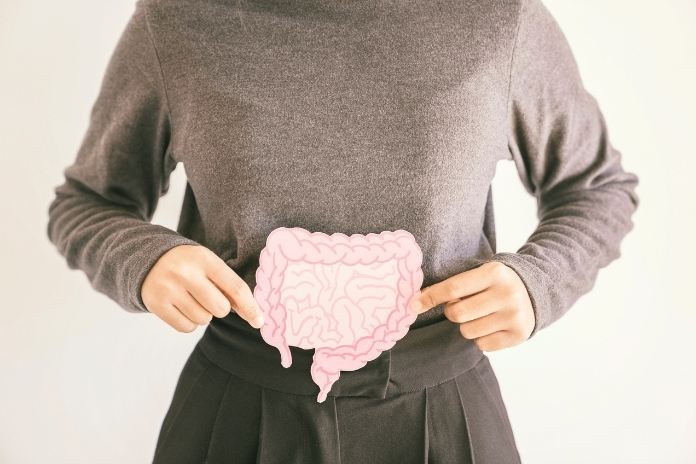










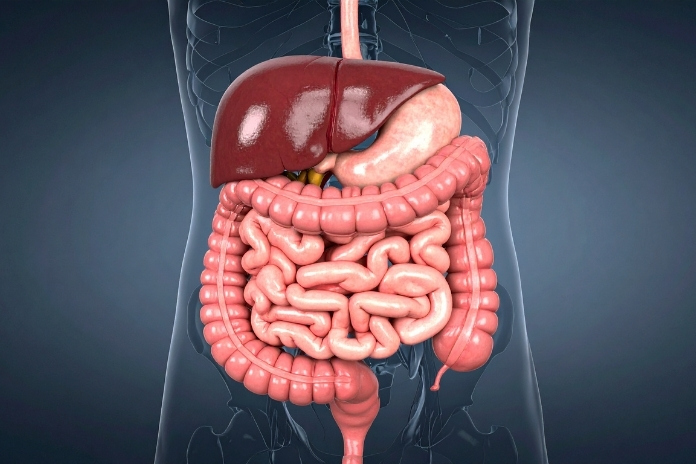
The term “gut health” has gained significant popularity online, yet the conversations surrounding it are frequently overly simplified. People frequently advise to ‘heal the gut’ with different detox teas, restrictive diets, or some miracle supplement, as if we could flip a single switch to achieve perfect digestion.
The truth is, our gut system is much more complicated and influenced by a wide range of factors, including biology, stress, hormones, daily habits, and food.
Many of us have tried to “fix” our digestion without really understanding how it actually works. We follow trends, cut out foods, or start probiotics, only to feel confused when nothing truly improves. That frustration is entirely valid.
Hence, instead of hunting for a quick-fix remedy, let’s slow things down and get to the bottom of what is really going on here. Let’s discuss which gut health crimes you may be committing and what will make your digestive system feel calm, happy, and supported.
Read More: The Gut-Brain Connection: How Your Gut Health Affects Mental Well-Being
6 Gut Health Mistakes We Made Before Understanding Digestion
1. Blaming Every Symptom on “Bad Gut Bacteria.”
It is simple to fall into the trap of assuming that any digestive issue, whether it be bloating, gas, cramps, or pain, must constitute the absence of good gut bacteria. Even though this assumption is frequently encouraged by online advice, the reality is more nuanced. How quickly you digest food can trigger several symptoms, depending on how well the food is broken down and how sensitive your gut lining is.
Bloating can be caused by various factors, which include, but are not limited to, abrupt eating, swallowing air, hormonal shifts, and your menstrual cycle. Some individuals also lack specific digestive enzymes, which makes it more difficult for them to tolerate certain foods.
Although the microbiome has a major role, not all health problems are linked to an imbalance in the microbiome. In some cases, the body simply needs more time to develop properly, along with balanced nutrition and mindful eating habits.
2. Consuming a Diet Low in Fiber
Fiber, which is present in fruits, vegetables, nuts, beans, and grains, helps maintain regularity, but it also has many other benefits.
“Fiber is an excellent averaging agent,” says Dr. James Tabibian, a gastroenterologist at Adventist Health in Glendale, California, and author of “Digestive Problems Solved: A Patient’s Guide to Expert Insights and Solutions.” “It makes harder stools softer and easier to get out,” he says, “and it makes more liquid stools have a little bit more bulk.”
Trillions of beneficial bacteria in our gut feed on fiber. When these microbes stay healthy and balanced, we call it the microbiome. They help strengthen the immune system, reduce inflammation, and support overall health.
3. Taking Probiotics without a Clear Reason
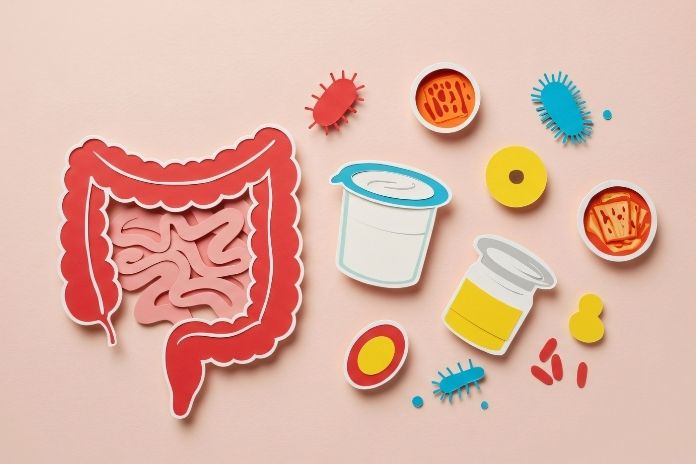
Bacteria and other microorganisms that support your health are called probiotics. Therefore, taking probiotic supplements will benefit your digestive system. However, it isn’t that simple.
For one, you can get probiotics just by munching on fermented foods. Think foods like yogurt, kimchi, kombucha, kefir, and sauerkraut are full of probiotics. Plus, many of our fiber-rich foods are known as prebiotics because they help good bacteria grow in your gut.
“If you take probiotic supplements “willy nilly,” Dr. Tabibian says, you may “just be losing time and money.” “If you have a weakened immune system, they might make you sick,” he adds.
Read More: Fermented vs. Pickled Foods: Which Is Better for Your Gut Health?
4. Ignoring How Stress Affects Digestion
While stress and bad mood can hinder your ability to recover, a positive mindset can also help. In particular, stress impairs gut healing. Our stress hormone, cortisol, is released when you are under physical, biochemical, or mental/emotional stress, among many other effects. It lowers your immune system and hinders digestion, both of which are detrimental to gut healing.
We need to tend to our stress and improve our mental health as we do our physical health. We spend our time well when we learn from a practitioner, educate ourselves through trusted online sources or books, or learn through trial and error.
5. Skipping Meals or Eating on the Go Constantly
Are you someone who frequently skips breakfast or eats late at night? Irregular eating habits throw off the digestive system. If you skip meals, you may experience side effects such as acidity, bloating, and irregular bowel movements.
Since your body doesn’t have enough time to digest food before you go to sleep, eating late at night increases your risk of acid reflux. Take smaller, more well-balanced meals at regular intervals. Make sure you avoid large meals two to three hours before bed.
6. Expecting Immediate Results
One of the great mistakes we made was expecting the changes we made to our gut to take immediate effect. We would try a new diet for a few days and, if we didn’t see any real change, switch back to the old one.
But digestion adapts slowly. The microbiome develops over several weeks, healing of the gut lining takes time, and alterations in the nervous system do not occur overnight.
Relief of symptoms in the short term, like reduced bloating after cutting back on trigger foods, is different from true healing in the long term. Adjusting diet or supplements frequently will cause the body to become confused and often exacerbate your anxiety around food.
Having seen the timetable, we should be patient and recognize that gut health is less about the speed of cure than about daily habits, minor tweaks, and actually listening to your body.
Read More: What Your Breath Smell Reveals About Your Gut Health
What We Learned About How Digestion Actually Works
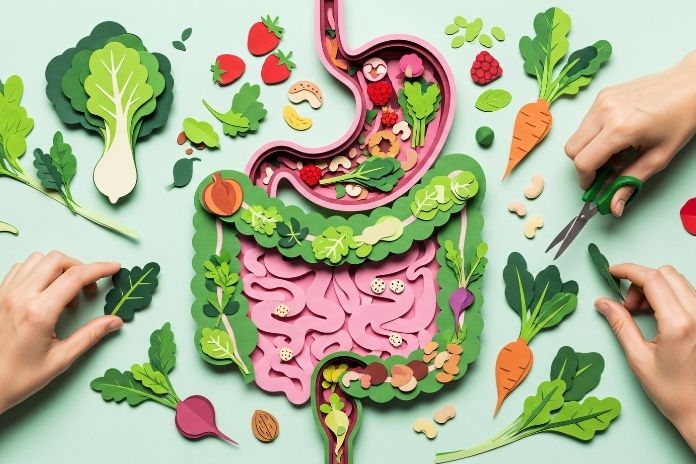
The liver, pancreas, gallbladder, and gastrointestinal tract, which is also known as the GI tract or digestive tract, make up the digestive system. From the mouth to the anus, the GI tract is a lengthy, winding tube made up of several hollow organs.
The mouth, esophagus, stomach, small intestine, large intestine, and anus are the hollow organs that comprise the gastrointestinal tract. The digestive system’s solid organs are the liver, pancreas, and gallbladder.
The small intestine is made up of three distinct sections. The duodenum is the first section. The ileum is at the end, and the jejunum is in the center. The colon, rectum, cecum, and appendix are all parts of the large intestine. Attached to the cecum, the appendix is a finger-shaped pouch. The large intestine begins with the cecum. Next is the colon. The large intestine ends at the rectum.
Your GI tract’s bacteria, also known as gut flora or microbiome, aid digestion. Your vascular and neurological systems also play a role. Your digestive system’s organs, hormones, blood, bacteria, and nerves all work together to break down the food and beverages you consume daily.
Habits That Actually Helped Digestion
What we figured out when we went beyond quick fixes and the fear-based advice was that the basic, consistent habits had the most significant impact on digestion. By eating balanced meals together that contained protein, fiber, and healthy fats, we avoided those energy crashes, improved bowel regularity, and stabilized our hunger. We chose nourishing variety over strict rules.
Another game changer was eating slowly. By not overwhelming the stomach all at once, chewing properly, and taking breaks between our bites, we eased bloating and pain. A quieter meal allowed the digestion to flow.
Making gradual changes to our diet rather than trying to do it all at once worked best to give the digestive system time to get used to the changes, particularly with fiber. On a similar note, learning how to manage stress, including sleeping more, breathing properly, and then moving around more intelligently, kept the gut-brain connection calmer and lessened symptoms.
When Digestive Symptoms Need Medical Evaluation
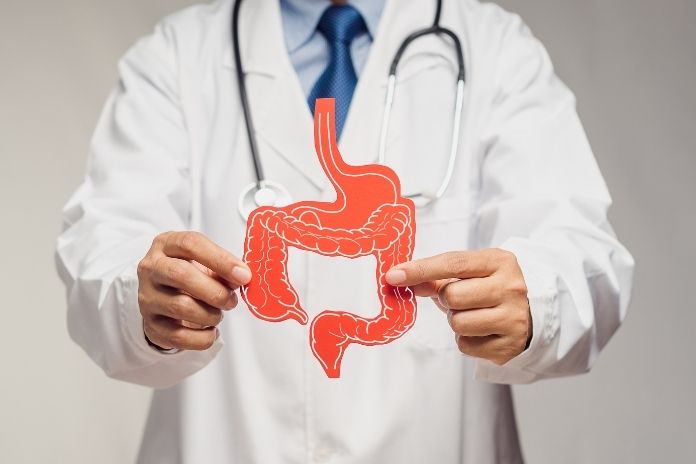
Essential indicators that it’s time to get medical help:
Unintentional Weight Loss: This may indicate cancer or minor bowel inflammation that prevents nutrient absorption. Your doctor may need to perform a colonoscopy or endoscopy to evaluate further.
Change in Bowel Habits: Persistent diarrhea may be a sign of an inflammatory disease such as Crohn’s disease or ulcerative colitis. In contrast, new-onset diarrhea may indicate an infection or a drug reaction. New constipation may indicate a bowel obstruction, but it may also be due to drugs or changes in diet.
Fatigue or Chronic Fatigue: All of us get tired or run-down once in a while, but if you’re chronically fatigued, it could be a sign you’re lacking a vitamin or mineral. Conditions like celiac disease and small intestinal bacterial overgrowth can inhibit nutrient absorption, making such diagnoses essential so you can determine which deficiency is leaving you exhausted.
Unrelieved Discomfort: This may be a sign of gastritis, an inflammation of the stomach caused by an H. pylori infection, which may lead to pain and ulcers. Additionally, it may indicate cancer or esophageal inflammation brought on by an illness or allergy. Your doctor may require an endoscopy or laboratory tests to perform a more thorough assessment.
Read More: Gut Health Hacks: The Best Morning Foods to Kickstart Digestion
Conclusion
Gut health is not about trying the latest fad supplement you saw online. A lot of the time, digestion needs some tweaks to daily life and not much more. Numerous everyday annoyances stem from how we eat, how quickly we eat, stress levels, and imperfect habits, and something isn’t always “broken.”
It is easier to support digestion in a healthy way when you understand how it truly works. You come to see that self-awareness, patience, and minor adjustments are more critical than drastic diets or fast fixes.
References
- LIZ MOODY. (2025). The #1 mistake you’re making when eating for gut health.
- Kim Painter. (Updated October 03, 2025). 10 worst habits that sabotage your gut health.
- National Institute of Diabetes and Digestive and Kidney Diseases. Your digestive system & how it works.
- Emily Pinto. (2023, July 26). How exactly does digestion…work?
- Lindsay Warner. (2025, February 20). 5 simple ways to improve gut health.
- St. Vincent’s Medical Center. (2024, November 4). 6 signs it’s time to see a doctor for your stomach issues.
In this Article