













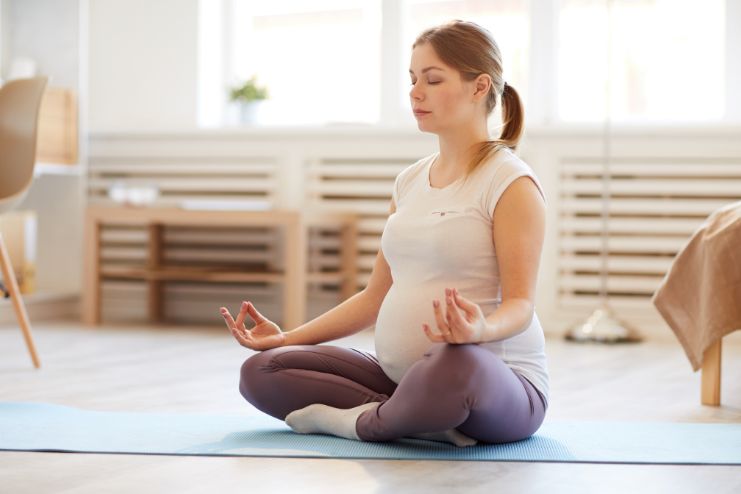
Did you know that just 30 minutes of prenatal yoga three times a week can significantly reduce anxiety, improve sleep quality, and even shorten labor duration?
Yoga, with its ancient roots and scientifically proven benefits, offers excellent support during pregnancy. Research shows that prenatal yoga poses not only help prepare mothers for childbirth but also promote the overall growth and well-being of their developing baby.
Many experts believe yoga has, and will continue to help pregnant women. Professor John Aplin, a senior researcher at the University of Manchester and a long-standing yoga teacher, has conducted thorough research on prenatal wellness and yoga.
He said, “Yoga incorporates relaxation and breathing techniques with postures that can be adapted for pregnant women. Many women opt to practise yoga during their pregnancy, but this is the first worldwide report on the effects of both single and multiple sessions of antenatal yoga on mood.”
Professor Aplin added: “The results confirm what many who take part in yoga have suspected for a long time. There is also evidence that yoga can reduce the need for pain relief during birth and the likelihood of delivery by emergency caesarean section.”
Yoga Poses for Childbirth
Begin practicing these poses early in your pregnancy and continue throughout your term until labor begins. Here’s a curated list of beneficial yoga poses that will support you during pregnancy and help prepare you for a healthy delivery.
1. Marjari Asana (Cat Pose)
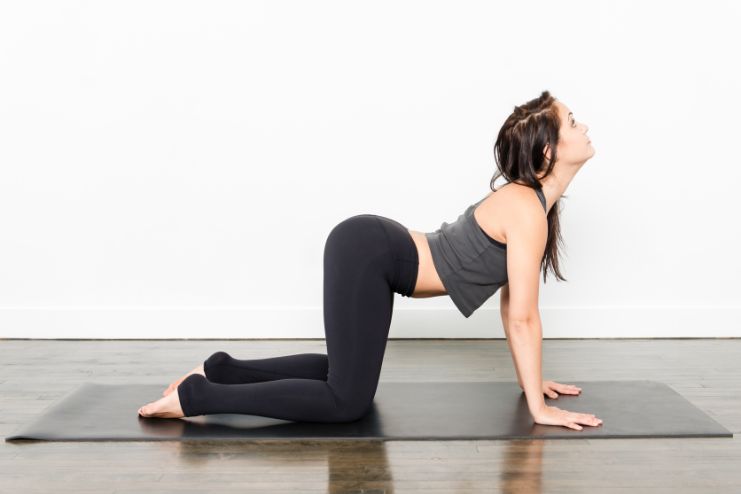
This asana helps improve spinal flexibility and is commonly known as the cat stretch pose.
Benefits:
- Reduces bloating and digestive discomfort
- Stimulates breast milk production
- Alleviates heartburn
- Safely strengthens abdominal muscles during pregnancy
- Prepares the lower spine for natural delivery
How to Practice:
- Position yourself on your hands and knees with your legs perpendicular to the ground. Place your hands directly under your shoulders with palms flat on the floor. Keep your knees hip-width apart to avoid putting pressure on your belly.
- Inhale deeply while arching your back, lifting your head and chest upward, and allowing your belly to drop gently downward. Hold this position while breathing deeply.
- As you exhale, round your back upward like a cat and bring your chin toward your chest to stretch your back muscles.
- Repeat this flowing movement at least 15 times without straining your body.
2. Malasana (Deep Squat Pose)
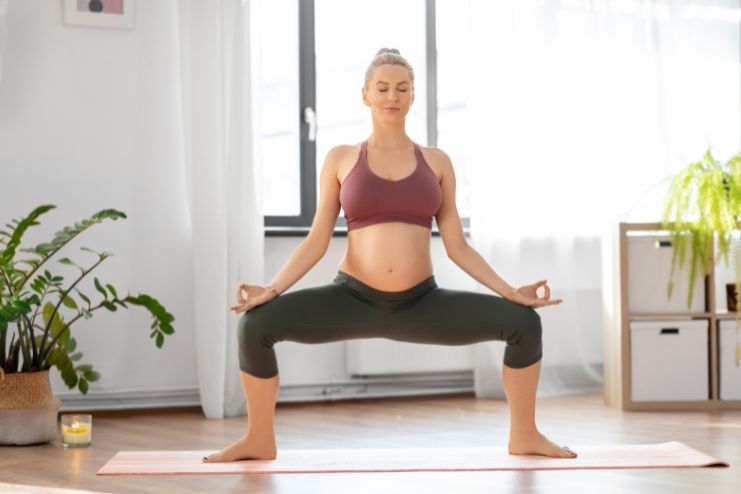
In Sanskrit, “Mala” means waste. This pose mimics the traditional squatting position once commonly used in ancient cultures, making it highly beneficial for pregnancy.
Benefits:
- Strengthens the perineum (the area between the vagina and rectum)
- Promotes pelvic opening for easier delivery
- Releases tension in the lower back, ankles, and hips
How to Practice:
- Stand comfortably with your feet wider than hip-width apart and toes slightly turned out.
- While breathing deeply, slowly lower into a squatting position, keeping your spine straight. Try to keep your heels on the ground. Use a partner or a wall for support if needed.
- Breathe deeply in this pose for as long as comfortable.
- You can extend your arms out to the sides to support your thighs or raise them overhead for balance.
Read More: Healthy Habits for Busy Professionals: Balancing Work and Wellness
3. Shashankasana (Hare Pose)
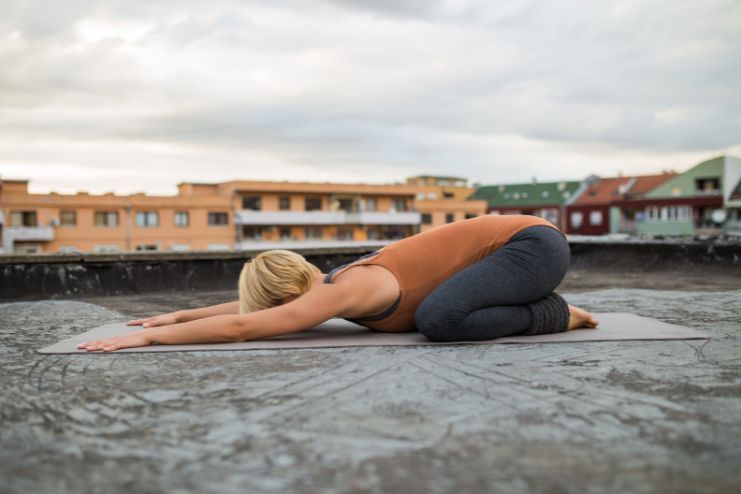
Also known as the hare pose, this asana provides multiple health benefits during pregnancy.
Benefits:
- Relieves tightness as your belly expands during pregnancy
- Reduces back pain
- Improves blood circulation to the developing baby
- Stretches inner thigh muscles, which helps during labor
How to Practice:
- Sit in Vajrasana (kneeling position) with your palms resting on your thighs. This position accommodates your growing belly.
- Inhale and extend your arms straight up overhead.
- As you exhale, bend forward and try to bring your forehead toward the ground. Keep your hips connected to your heels and your arms extended with palms facing down.
- Hold this position comfortably while breathing normally.
- Inhale deeply and rise up with your arms still extended.
- Exhale as you return to the starting position.
4. Titli Asana (Butterfly Pose)
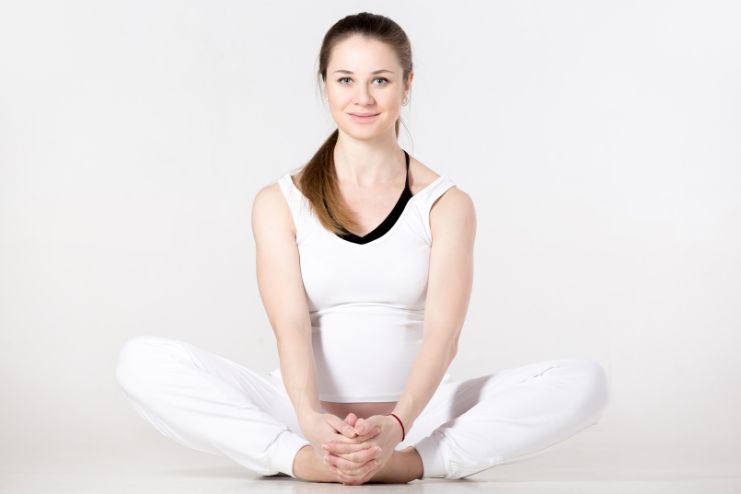
“Titli” means butterfly in Sanskrit. This butterfly pose resembles the gentle movement of butterfly wings.
Benefits:
- Reduces intense contractions during labor
- Promotes full-body relaxation
- Strengthens the spine
- Improves hip flexibility and opening
How to Practice:
- Sit comfortably on a cushion or yoga block and bring the soles of your feet together.
- Draw your feet as close to your pelvis as comfortably possible.
- Hold your feet with your hands and sit up as straight as you can.
- Gently move your thighs up and down like butterfly wings while maintaining normal breathing.
- Repeat this movement for 10-20 repetitions.
Read More: 11 Side Effects of Consuming Too Much Milk
5. Ujjayi Breathing (Ocean Breath)
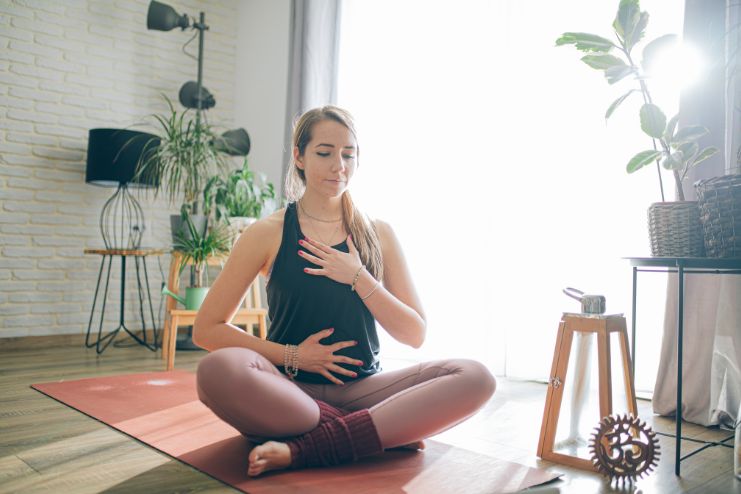
Proper breathing is crucial during childbirth, and this technique, the ocean pose or ujjayi breathing, becomes even more important during labor. This breathing practice helps you develop healthy respiratory habits throughout pregnancy.
Benefits:
- Reduces anxiety and stress
- Acts as a natural energy booster
- Provides strength to manage labor pain
- Relieves both mental and physical stress
- Develops sustained breathing patterns for labor
How to Practice:
- Sit comfortably anywhere with your spine straight.
- Close your mouth and breathe only through your nose, inhaling fresh air into your chest, belly, and lower abdomen.
- Exhale slowly and naturally through your nose.
- Practice this breathing technique regularly throughout the day to strengthen your respiratory system.
Read More: Superfoods that Boost Male Virility
Final Thoughts
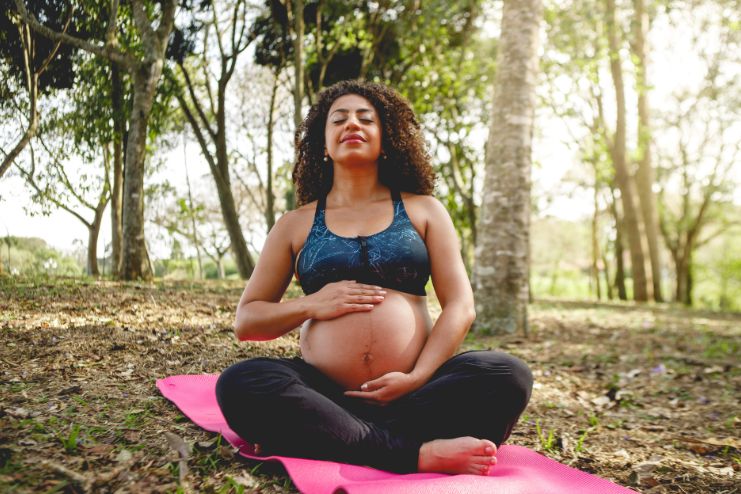
These prenatal yoga poses offer a gentle yet effective way to support your body and mind during pregnancy. Studies consistently show that regular prenatal yoga practice can lead to shorter labor times, reduced complications, and improved overall birth experiences.
Always consult with your healthcare provider before beginning any exercise routine during pregnancy, and consider working with a certified prenatal yoga instructor to ensure proper form and safety. Remember to listen to your body and modify poses as needed throughout your pregnancy journey.
Ready to start your prenatal yoga journey? Take the first step today by consulting with your doctor about incorporating these gentle poses into your routine. Your body and baby will thank you for this investment in your health and well-being. Consider joining a local prenatal yoga class to connect with other expecting mothers and receive professional guidance as you prepare for this beautiful new chapter of your life.
-
Nov 2016Written by Prajakt K
-
July 2025Edited by Vaishnavi Nemivant
References
- https://pmc.ncbi.nlm.nih.gov/articles/PMC8957136/
- https://pmc.ncbi.nlm.nih.gov/articles/PMC9863076/
- https://pmc.ncbi.nlm.nih.gov/articles/PMC7739277/
- https://www.sciencedirect.com/science/article/pii/S0266613823002607
- https://americanpregnancy.org/healthy-pregnancy/pregnancy-health-wellness/prenatal-yoga/
- https://bmcpregnancychildbirth.biomedcentral.com/articles/10.1186/s12884-019-2564-4
In this Article