










Most of us start our days with a hot cup of tea or coffee. It is calming, invigorating, and frequently used in conjunction with taking vitamins or supplements daily. 29% of Americans who drink coffee drink two cups a day, 13% drink three cups, 14% drink around four to five cups, and 9% drink more than six cups, according to a survey referenced by Statista.
I hate to tell you, but your morning brew might not be the best. Although caffeine gives us a boost of energy, it can also affect the body’s ability to absorb specific vitamins and minerals.
This happens because certain compounds in coffee can interfere with the absorption of specific vitamins, particularly if your body is already low in those nutrients.
Knowing when and how to take your vitamins is essential, whether your goal is to maintain bone health, increase your iron levels, or just fill in nutritional gaps. We’ll discuss the top 5 vitamins and minerals you shouldn’t take with coffee in this article, along with the reasons why.
Read More: 8 Most Effective Prenatal Vitamins for Hair Growth
How Coffee Affects Nutrient Absorption
These days, coffee is almost a staple food. Eighty percent of American adults report drinking it daily, making it the most popular caffeinated beverage in the West. Coffee use has several established health advantages, but there are some disadvantages as well.
Caffeine, a naturally occurring stimulant found in coffee beans, is used by many people to feel more alert, get through the day, improve brain function, and increase productivity. Nonetheless, a wealth of data indicates that your daily coffee use may be affecting how well you absorb nutrients from your diet and supplements.
The modest diuretic impact of caffeine causes an increase in urine. As a result, losing fluids may reduce levels of water-soluble vitamins such as vitamin C and B-complex vitamins.
Moreover, research has indicated that higher caffeine intake can further hinder the absorption of vitamin D. According to the study, caffeine accomplishes this via decreasing the expression of vitamin D receptors on the body’s osteoblasts, which are cells that make bone.
Caffeine-containing foods and beverages, such as coffee, tea, chocolate, and some carbonated drinks, may impede the bloodstream’s ability to absorb vitamins and minerals, thereby hindering their function.
The impact of coffee and other caffeinated foods and beverages on nutritional absorption has been shown in numerous clinical studies.
The most crucial point to remember is that the timing of caffeine consumption greatly influences its impact on nutritional bioavailability. Studies show that consuming caffeine an hour before taking supplements or eating a meal does not affect nutrient absorption.
For this reason, we recommend taking your supplements an hour after drinking your coffee in the morning, and avoid consuming any other drinks for the next hour. In this manner, your body is ready to absorb all of the contents in the capsule.
5 Vitamins You Should Never Take with Coffee
a. Iron:
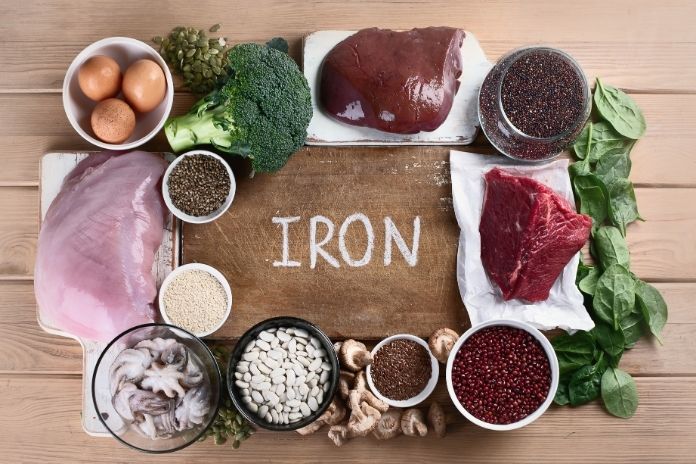
Hemoglobin, a protein found in red blood cells that aids in transporting oxygen from the lungs to the rest of the body, is made possible by iron. According to the NHS, women who lose a lot of blood during their monthly period are more likely to develop iron deficiency anemia and may require a supplement. The trouble is, “caffeine can inhibit the absorption of iron supplements—the same goes for the iron in your food,” says Rhian Stephenson, nutritional therapist and founder of Artah.
Drinking coffee at the same time as taking an iron supplement might significantly decrease iron absorption. Iron absorption was reduced by 54% when iron-deficient women took an iron supplement with coffee as opposed to water, according to a 2022 study from Switzerland.
The combination of coffee’s polyphenol and tannin antioxidants interrupts iron absorption. During digestion, your body absorbs less iron because the plant-based chemicals in tea and coffee effectively bind with it. To avoid this, keep any caffeine-containing beverage at least an hour apart from iron-rich foods or supplements.
Read More: 6 Best Vitamins To Improve Your Brain Health
b. Magnesium:
Magnesium is an essential mineral that affects blood pressure, blood sugar, protein synthesis, and the quality of sleep. Although it can be found in foods like yogurt, beans, and nuts, many individuals don’t receive enough of it from their diet alone. “Caffeine can increase calcium and magnesium loss through urine,” according to Elise Kim, Pharm.D., BCACP, CDCES, AHSCP-CHC.
A study published in Life Sciences found that within two hours of having coffee with a caffeine concentration of 6 mg/kg on two different mornings, women aged between 31 and 78 lost water, creatinine, magnesium, calcium, sodium, chloride, and potassium in urine.
If you take magnesium as part of your nightly routine to improve sleep quality, you should avoid consuming caffeine right before bed. Caffeine may hinder magnesium’s ability to encourage deeper sleep and also interfere with sleep.
c. Calcium:
Similar to magnesium, coffee’s diuretic effects may affect calcium. A study found that individuals who consumed coffee excreted 77% more calcium through their kidneys compared to those given a placebo.
Coffee consumption may somewhat decrease calcium absorption when taken concurrently with a supplement because vitamin D plays a crucial role in the absorption and utilization of calcium in bone formation.
Each cup of coffee causes the body to eliminate five milligrams of calcium through urine and stools. Several hours after consuming coffee, the loss may occur. Additionally, coffee may also interfere with your calcium absorption and contribute to the loss of calcium from your bones.
However, some studies have shown that caffeine, which is included in coffee, may affect osteoporosis at larger dosages. It is particularly true for people who are at risk for osteoporosis, such as the elderly population, or who may already have low calcium or vitamin D levels.
Read More: Daily Supplements for Heart Health: Vitamins and Minerals to Manage Cholesterol
d. B Vitamins (Especially B1 and B12):
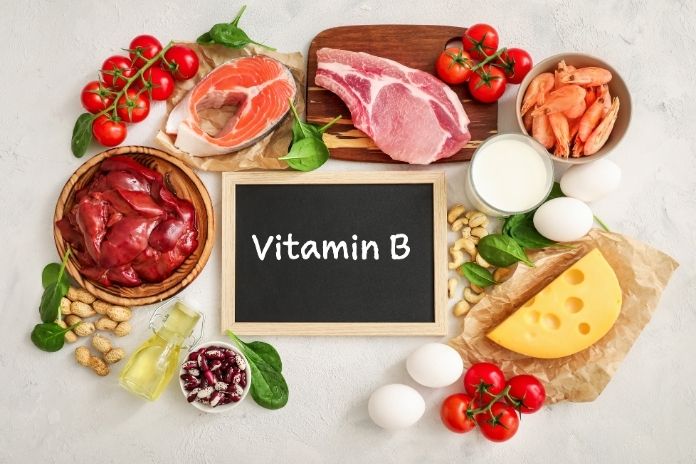
Coffee’s effects on the water-soluble B vitamin family are powerful because of competing absorption pathways and increased urine excretion.
Additionally, caffeine disrupts the metabolism of thiamine and other B vitamins. Additionally, coffee’s polyphenols might affect how well B vitamins are absorbed
However, caffeine improves the absorption of vitamin B12 because it promotes the secretion of stomach acid. Keep in mind that the gastric parietal cells release stomach intrinsic factor (IF), which attaches to vitamin B12 (cobalamin) and helps the body absorb free cobalamin more easily. Crucially, as gastric acid levels increase, so do gastric IF levels.
e. Vitamin D:
Researchers have discovered that vitamin D influences more than 200 genes in our bodies. It controls our sex hormones, maintains the health of our immune systems, and is necessary for the body to absorb calcium, which fortifies bones and teeth.
Because caffeine inhibits vitamin D receptors, it prevents the absorption of vitamin D and may lower bone mineral density, which can result in osteoporosis.
Low vitamin D levels raise the risk of sleep problems, such as shorter sleep duration, more nocturnal awakenings, and delayed sleep onset. It is also essential for controlling sleep.
To avoid any adverse effects on calcium absorption and bone health, limit your coffee consumption to no more than three cups per day and ensure you are getting enough calcium and vitamin D.
Read More: Do You Absorb Nutrients Better on an Empty Stomach? Here’s What Experts Say
Can You Take Any Vitamins with Coffee?

Not all vitamins are totally off limits, but coffee hinders the absorption of several essential nutrients. In this manner, you will receive your caffeine dose in addition to other nutrients that will improve your health and give you energy. How to supplement your coffee with vitamins:
Cacao: In addition to being delicious, raw cacao powder is also nourishing. The best plant-based source of iron is cacao. Additionally, it possesses anti-inflammatory and antioxidant qualities, which can help reduce cholesterol and your blood pressure. Additionally, cacao possesses antidepressant properties that might aid with mood regulation. For an additional nutritional boost, you can mix one tbsp of raw cacao powder into your coffee.
Turmeric: Curcumin, a phytochemical abundant in turmeric, acts as a potent antioxidant that reduces inflammation and helps lessen the severity of many illnesses. By raising the levels of brain-derived neurotrophic factors, studies have indicated that adding curcumin to your coffee may improve brain health.
Turmeric also possesses anti-inflammatory, antiviral, antifungal, and antioxidant properties. Turmeric and a pinch of black pepper might enhance the body’s absorption of curcumin, if you can tolerate the taste.
L-carnitine: An integral part of your metabolism, L-carnitine plays an important role in turning food into energy. By interacting with several key ingredients in coffee, L-carnitine helps maintain the energy that the caffeine provides without causing jitters. Low dosages are the most effective way to consume L-carnitine. You can dissolve small amounts of it in your coffee.
L-theanine: This naturally occurring amino acid in tea increases alpha brain waves. When used with caffeine, it can increase the positive effects of coffee while decreasing its adverse effects, like anxiety and poor sleep quality.
Tips for Better Vitamin Absorption
Do you want to maximize the benefits of taking supplements? To improve nutrition absorption and prevent coffee and other typical habits from interfering, heed these wise words:
- Many vitamins and minerals can have their absorption hampered by coffee. Wait at least 30 to 60 minutes after consuming coffee before taking your vitamins for your safety.
- You must include a small amount of fat in your food to fully benefit from fat-soluble vitamins A, D, E, and K, since they are absorbed together with lipids in your diet and stored in the body’s fatty tissue and liver.
- While vitamins are excellent when taken alone, several of them function better when taken in combination. Another effective way to maximize the health benefits of meals is to combine them in a way that enhances the absorption of specific nutrients. For instance, because vitamin C helps the body absorb iron, experts recommend taking iron and vitamin C together.
- Because liquids and capsules typically decompose more quickly than pills, your body can absorb the nutrients more effectively, particularly if you have digestive problems.
- There is a limit to how much your body can take in at once. Distribute your supplements across the day to prevent overwhelming your body—for example, take B-complex in the morning, calcium with lunch, and magnesium in the evening.
“If possible, it’s best to eat breakfast first, or drink coffee with breakfast, so you’re not consuming coffee on an empty stomach, which can irritate your stomach lining, says Shelley Balls, MDA, RDN, LDN, a registered dietitian and nutritionist for WOWMD. Then, wait an hour or two to take your supplements. “Limiting your intake of coffee to two cups per day can also help reduce nutrient absorption interference,” she adds.
Read More: Autoimmune-Friendly Supplements to Support Immune Regulation (Without Overstimulating It)
Final Thoughts
It all comes down to timing if you want to maximize your vitamin regimen without sacrificing your morning coffee. Take these vitamins at least an hour after drinking your cup of coffee, and look for the nutrients on your supplement labels where coffee ingredients are most likely to interfere.
You don’t have to give up your routine to increase the efficiency of supplements; it can be as simple as a change in timing! Just add more nutritious food to meals and snacks, and if you still worry about nutrient levels, continue to include a yearly vitamin and mineral check with your medical provider.
Keep in mind that it’s not either vitamins or coffee, it’s a system and habit for you both to be in a health pattern that works! Your vitamins can work, and your coffee can add energy to your day – it just needs a little bit of planning!
References
- https://www.statista.com/statistics/250230/americans-daily-coffee-consumption/
- https://www.mdlinx.com/article/don-t-drink-coffee-with-these-vitamins/2OI25UJKhJQllHAjBlNNQU
- https://ca.style.yahoo.com/dietitians-warn-never-vitamins-coffee-122100424.html
- https://www.glamour.com/story/6-vitamin-supplements-you-should-never-take-with-coffee
- https://www.livestrong.com/article/464884-does-caffeine-affect-the-absorption-of-vitamins-or-minerals/
- https://www.hollandandbarrett.com/the-health-hub/sports-nutrition/sports-supplements/caffeine/does-caffeine-affect-the-absorption-of-vitamins-and-minerals/
- https://www.linkedin.com/in/rhian-stephenson-nd-003a9a22/?originalSubdomain=uk
- https://www.aol.com/5-supplements-dont-mix-well-123000300.html
- https://www.linkedin.com/in/elisekimpharmd/
- https://www.eatingwell.com/supplements-to-avoid-with-coffee-11783883#citation-9
- https://bpspubs.onlinelibrary.wiley.com/doi/10.1111/bcp.14856
- https://www.sciencedaily.com/releases/2010/08/100823172327.htm
- https://www.medicinenet.com/how_to_boost_your_coffee_with_vitamins/article.htm
- https://www.wowmd.com/pages/shelley-balls
- https://www.nhs.uk/conditions/vitamins-and-minerals/iron/
In this Article