
















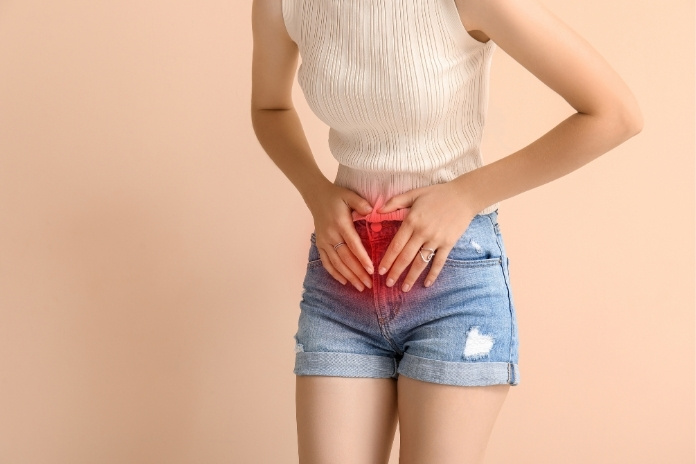
You feel a burning tinge while urinating, go for a test, yet nothing comes out. This situation is common. There’s a possibility that a burning sensation during urination is not always a urinary tract infection. There’s more to this; let’s understand better.
Burning during urination, pelvic pain, and an urgent need to pee are all typical symptoms of a urinary tract infection (UTI). But what if your urine tests keep coming back negative? What if antibiotics don’t bring relief, and the discomfort becomes a regular part of your life?
You may be living with interstitial cystitis (IC), a chronic, frequently misdiagnosed condition also referred to as bladder pain syndrome. IC resembles many of the symptoms of UTIs, but it is not caused by infection. Because of this, many are misdiagnosed wherein treatments do not yield any results.
In this article, we’ll discuss the major differences between interstitial cystitis and UTI, how they can be compared, and what you can do to get proper diagnosis and long-term relief.
Quick Comparison UTI vs Interstitial Cystitis
 What Is a UTI?
A urinary tract infection, or UTI, is a bacterial infection of the urinary tract, but it most often occurs in the bladder (cystitis). Females are particularly at more risk because of the shorter length of their urethra, making it easier for bacteria to travel to the bladder.
Common Symptoms of UTI:
- Burning or stinging sensation while urinating
- Urgency and frequency, with minimal urine output
- Cloudy or foul-smelling urine
- Lower abdominal or back pain or cramping
- Fever, chills, or nausea, particularly if the infection involves kidney
The onset or start of this condition is typically all of a sudden, and pain can progress from mild to excruciating in a matter of hours. A urinalysis and urine culture are used for diagnosis. The lab tests usually reveal increased white blood cells, nitrites, or the presence of bacteria (most frequently E. coli).
Treatment:
UTIs tend to clear up with a brief course of antibiotics. Pain medication and more fluid intake are also suggested to relieve symptoms. Most individuals feel much better after 48–72 hours of treatment.
But if you’ve had repeated “UTIs” that don’t respond or always come back even with negative cultures, it’s time to think about another cause.
What Is Interstitial Cystitis (Bladder Pain Syndrome)?
Interstitial cystitis (IC) is a long-term bladder condition involving inflammation, pain, and frequent urination without any known infection. It’s also referred to as bladder pain syndrome (BPS) and affects an estimated 3–8 million women in the U.S. alone.
IC can be so similar to UTI symptoms that patients, and sometimes even physicians, assume it’s an infection. Antibiotics, however, offer no help, and urine tests remain negative. That’s because the underlying cause of IC is not bacterial; instead, it’s associated with bladder lining issues, hypersensitivity of the nerves, immune system issues, or pelvic floor dysfunction.
Common IC Symptoms:
- Chronic bladder or pelvic pain, worse when the bladder is full
- More frequent urination, sometimes as often as 20–40 times during the day
- Waking repeatedly during the night to urinate (nocturia)
- Dyspareunia (pain on or after sex)
- Symptoms that change with what one eats, stress, or hormonal shifts
Most IC patients can remember a time when they were consistently treated for “UTIs” that never tested positive, usually for years before ultimately being diagnosed.
Read More: 13 Useful Home Remedies For Treating Urinary Tract Infections
Key Differences Between UTI and Interstitial Cystitis
If you have been facing these urinary issues or bladder pain, but are confused between UTI vs IC, here are a few differences that’ll help:
Urine Test Results:
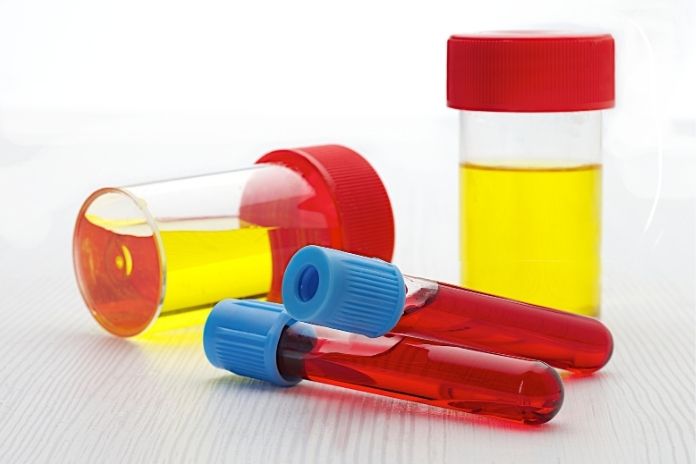
UTI is diagnosed by routine urinalysis and urine culture, which identify the presence of white blood cells, bacteria, and nitrites. Indeed, these indicators are what physicians use to warrant antibiotic therapy.
With interstitial cystitis, urine tests are virtually always normal. Even with all the typical symptoms, burning, urgency, and frequency, the bladder is not infected when it’s tested in the lab. This confusion between symptoms and test results is commonly the first indication that something besides a UTI is the cause.
Pain Pattern:
Both conditions have pain, but it’s different in timing and quality:
- UTI pain most often is a stinging or burning quality of urination. Cramping in the lower abdomen, particularly when the bladder is distended, can also be present.
- IC pain is typically chronic, aching, and deep. The pain becomes worse as the bladder fills up and gets better temporarily after voiding. Patients often complain of a constant feeling of pressure, and the pain may extend to the lower back, thighs, or genitals.
Understanding this difference in pattern is important; UTI discomfort is largely attached to urination itself, whereas IC discomfort increases with bladder fullness and may last throughout the day and at night.
Symptom Duration:
UTIs, if correctly treated, usually clear up in 3 to 7 days on antibiotics. If symptoms persist longer than that, it’s an indication that something else may be occurring, such as a resistant strain or misdiagnosis.
IC symptoms, on the other hand, are chronic and cyclical. Individuals tend to have undiagnosed IC for years, where symptoms come and go. A few patients have daily pain, whereas others have lengthy symptom-free intervals followed by abrupt relapses driven by food, stress, or hormonal changes.
Triggers:
Bacterial infections, specifically Escherichia coli (E. coli), cause UTIs. Triggers are sexual activity, poor hygiene, or immune suppression.
IC flare-ups, on the other hand, are associated with non-infectious triggers, including:
- Acidic or spicy foods
- Caffeine and alcohol
- Artificial sweeteners
- Emotional stress
- Menstrual cycles
- Tight pelvic floor muscles or trauma
These environmental and physiological triggers do not lead to infection but can sometimes severely worsen inflammation or bladder sensitivity in individuals with IC.
It is important to understand not to take unnecessary antibiotics and initiate specific treatment for long-term relief.
How Is Interstitial Cystitis Diagnosed?

IC is mostly underdiagnosed. The typical IC patient will visit several doctors over several years before receiving a proper diagnosis. Because there’s no specific test for IC, diagnosis is by exclusion.
Diagnostic Exams Used:
- Urinalysis and culture to rule out infection
- Cystoscopy, which helps direct visualization of the bladder for inflammation, bleeding, or Hunner’s ulcers
- Potassium sensitivity test (in some cases)
- Bladder diary to monitor frequency, urgency, and precipitants
- Pelvic floor exam to check for muscle tightness or trigger points
Apart from the above, physicians tend to observe findings from several tests to rule out bladder cancer, overactive bladder, endometriosis, and recurrent UTIs.
Treatment of Interstitial Cystitis (vs. UTI)
Treating IC is not killing bacteria; it’s about soothing inflammation and regaining the balance in the bladder and pelvic area.
Standard IC Treatment Approaches:
- Bladder Retraining: Timed emptying to promote bladder capacity and minimize frequency
- Physical Therapy: Pelvic therapy of the pelvic floor, particularly helpful if IC is connected with myofascial trigger points or contracted pelvic muscles
- Dietary Change: Bladder irritant avoidance (e.g., caffeine, spicy food, citrus, alcohol, artificial sweeteners)
Oral Medication:
- Elmiron: Coats and shields the bladder lining (sole FDA-approved medication for IC)
- Amitriptyline: Decreases nerve-associated pain and frequency
- Hydroxyzine: An Antihistamine that helps in mast cell-associated flares
- Bladder Drugs: Anti-inflammatory drugs are given directly to the bladder through a catheter
- Reduction of Stress: Mind-body therapies such as yoga, meditation, and cognitive behavioral therapy (CBT)
What Doesn’t Work for IC:
- Repeating antibiotics, if there is no infection, can impact gut and bladder function
- Too much water without inflammation, increased bathroom visits, can make the bladder more sensitive
Read More: Understanding Pelvic Health: Common Issues and Maintenance Tips
When to Consult a Urologist or Pelvic Floor Health Specialist
Consult an expert if:
- You have had 2+ “UTIs” with negative cultures
- Antibiotics are ineffective
- You experience bladder pain that gets worse with filling and better after voiding
- Symptoms disrupt sleep, work, or intimacy
You will also need to consult a diverse team, often including a urologist, pelvic floor physical therapist, and sometimes a pain psychologist, that offers the best chance of long-term relief.
Read More: Understanding Pelvic Health: Common Issues and Maintenance Tips
Final Thoughts
If you’re caught in a frustrating cycle of painful urination without infection, it’s time to reconsider what’s going on. While UTIs are treatable and straightforward, interstitial cystitis is complex, multifactorial, and often misunderstood.
A wrong diagnosis can result in years of unsuccessful treatment and emotional toll. But with recognition, appropriate assessment, and a customized treatment plan, most IC sufferers can regain control over their quality of life and symptoms.
If antibiotics aren’t working and your tests confirm a UTI, it might be an IC. Ask your doctor about IC. Your bladder may not be infected, but it is crying out for relief.
In this Article