










Why Pay for What You Can Make at Home?
Between protein powders, collagen drinks, and electrolyte packs, your wellness shelf can sometimes be more expensive than your groceries. Fortunately, many of these pricey supplements are actually made with nutrients you can easily get through whole foods.
According to experts, real foods provide vitamins, minerals, antioxidants, and fiber in natural combinations that your body prefers, often more effectively than isolated pills or powders can. Even the most avid supplement-using athletes can meet most of their needs with a well-rounded diet rather than a cabinet full of products.
With the right ingredients and simple recipes, you can make at-home supplement alternatives that support energy, digestion, immunity, and overall health. All these DIY options are budget-friendly, fresh, and free of unnecessary additives.
In this article, you will learn how to make five homemade recipes that work like popular supplements: an electrolyte drink, a gut-friendly fiber mix, or a natural recovery booster, based on basic nutrition science using foods you likely have in your pantry.
Read More: 7 Home Remedies Using Fresh Garden Herbs
Key Takeaways — What You’ll Learn
- How to recreate common supplements with real, affordable foods by using DIY nutrition recipes, turning fruits, grains, beans, and vegetables into natural supplement replacements.
- What science says about whole-food alternatives: whole foods supply fiber, antioxidants, and vitamins in balanced combinations that supplements can’t always fully match.
- The benefits of different types of dietary fiber, soluble and insoluble, and how they support digestion, cholesterol, blood sugar, and overall wellness.
- Easy, everyday ways to boost your nutrition naturally, recipes that cover energy, recovery, gut health, without relying on expensive powders or tablets.
- When supplements still make sense: for example, athletes or people with limited diets might need specific vitamins like B12 or vitamin D, or mineral support, when their food intake isn’t enough.
1. DIY Electrolyte Drink (Instead of Sports Hydration Powders)
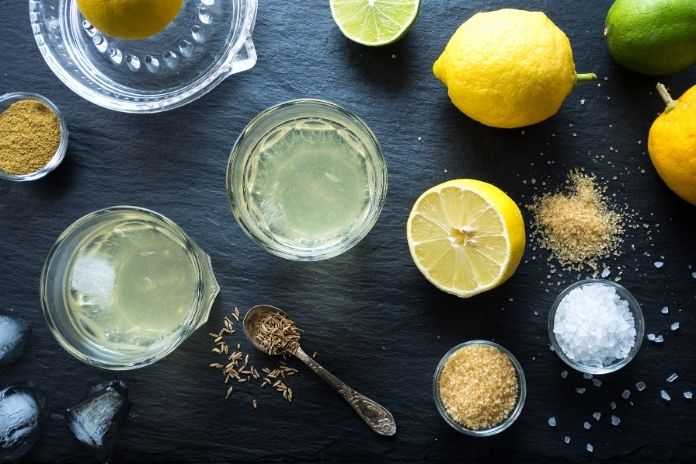
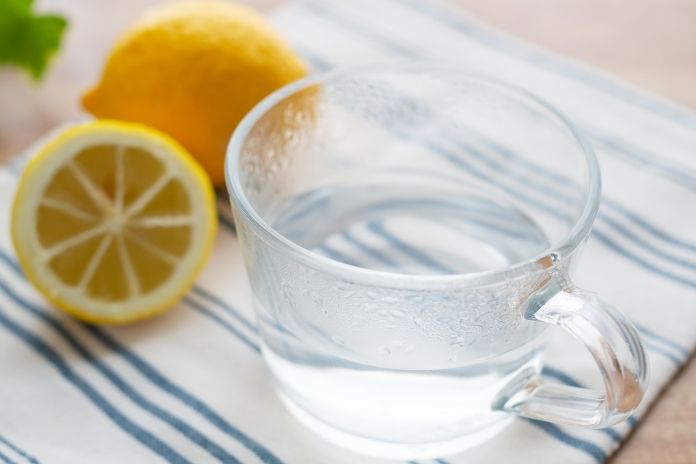
Making your own hydration drink at home is easy, clean, and effective; a great way to replace supplements with food.
Why It Works
Commercial sports mixes often pack in sodium, potassium, magnesium, sugar, and artificial flavors. But at home, you can use natural sources of electrolytes (like coconut water, salt, citrus) to make a purer, gentler drink.
According to natural-hydration guides, this DIY version taps into the same mineral balance without additives. By choosing whole-food ingredients, you’re making natural supplement replacements that hydrate just as well and cost less.
Ingredients
- 2 cups coconut water (high in potassium)
- 1 cup plain water
- Juice of 1 lemon or orange (for flavor + a bit of vitamin C)
- ⅛ tsp sea salt (for sodium + trace minerals)
- 1 tsp honey or maple syrup (natural sugar to boost absorption)
How to Make
- In a pitcher, mix coconut water and plain water.
- Add lemon/orange juice, sea salt, and honey (or syrup). Stir thoroughly until the salt dissolves and the sweetener blends in.
- Chill it in the fridge, drink it before or after a workout, or anytime you need to rehydrate.
- (Optional) For extra minerals, you can add a pinch of magnesium powder or even soak in some chia seeds to boost texture and nutritional content.
Benefits
- Helps rehydrate naturally and restore lost electrolytes.
- Uses real, whole-food ingredients, no artificial sweeteners or synthetic blends.
- Gives you a budget-friendly, effective alternative to commercial sports drinks.
Adjust proportions based on taste or sweat loss.
Read More: 7 Home Remedies for Common Ailments
2. Collagen-Boosting Smoothie (Instead of Collagen Peptides)

You don’t always need to rely on collagen peptides; you can make a powerful, whole-food vs supplement option with a smoothie that supports your body’s natural production.
Why It Works
Your body builds collagen using certain amino acids (like glycine and proline), plus vitamin C and antioxidants, all of which you can get from real fruits and seeds.
Nutrition experts explain that vitamin C is especially important because it helps your body make collagen rather than just using what you eat. Antioxidant-rich berries and citrus also protect cells and give the skin elasticity.
Ingredients
- 1 cup citrus fruit (an orange or kiwi), loaded with vitamin C
- ½ cup mixed berries; they bring antioxidants
- 1 tablespoon chia seeds; full of plant-based omega-3s and extra nutrients
- 1 cup of Greek yogurt (or soy yogurt) provides protein and lysine to support collagen building
- 1 teaspoon honey or a pinch of cinnamon, for flavor plus an anti-inflammatory touch
How to Make
- Put all the ingredients into a blender.
- Blend until the mixture is smooth and creamy.
- You can enjoy this as a healthy breakfast drink or a post-workout snack.
Benefits
- Supports your skin’s elasticity and firmness by giving your body the amino acids, vitamin C, and antioxidants it needs.
- Nourishes joints and connective tissue in a gentle, food-based way.
- Avoid processed collagen powders; instead, you’re using collagen-boosting foods made from real ingredients.
Read More: 16 Home Remedies for PCOS
3. Gut-Healthy Fermented Veggies (Instead of Probiotic Capsules)

Fermented vegetables are a powerful natural probiotic food option, no pills needed.
Why It Works
When veggies like cabbage or carrots ferment, naturally occurring bacteria turn their sugars into lactic acid. This process introduces live, beneficial microbes that support digestion and gut balance.
Homemade ferments often harbor a wider variety of bacteria than many store-bought probiotic capsules, because you’re encouraging natural, diverse growth.
According to experts, these microbes help reinforce your gut flora, tune your immune response (since much of immunity lies in the gut), and make nutrients more absorbable.
Ingredients
- 2 cups chopped cabbage or carrots
- 1 tablespoon sea salt
- Filtered water (enough to completely submerge your vegetables)
How to Make
- Massage the salt into the chopped vegetables until they begin to release some liquid.
- Pack the vegetables tightly into a clean glass jar, pressing them down so no air remains.
- Pour in enough filtered water to fully cover the vegetables.
- Use a weight (like a clean rock or a smaller jar) to keep the veggies submerged.
- Cover the jar loosely (to allow gases to escape) and leave it at room temperature for 4-7 days.
- Once it smells tangy and you see bubbles forming, move it to the fridge to slow down fermentation.
Benefits
- Helps rebalance your gut flora naturally by introducing live beneficial bacteria.
- Supports digestion and immune health, because many immune cells live in your gut.
- Improves nutrient absorption: fermented veggies release more bioavailable vitamins and minerals.
- Acts as a whole food vs supplements replacement, giving you real, food-based benefits instead of relying on capsules.
Read More: 17 Remedies for Dehydration for Immediate Relief
4. Homemade Protein Shake (Instead of Store-Bought Protein Powder)

You don’t need to rely on processed powders; you can build a rich DIY protein shake recipe using whole-food ingredients that give real nutrition.
Why It Works
Whole foods like nut butters, seeds, yogurt, and fruit deliver not only protein but also fiber, healthy fats, and micronutrients, without the gums, artificial sweeteners, or fillers found in many commercial powders.
These ingredients make the shake satisfying and nutrient-rich, ideal for recovery after a workout or a quick, protein-packed breakfast.
Ingredients
- 1 cup milk (dairy or plant-based) — your liquid base.
- 2 tbsp peanut butter or almond butter — adds healthy fats and protein.
- 1 banana — offers carbs to refuel glycogen and makes the shake creamy.
- 1 tbsp chia or hemp seeds — gives extra protein and omega-3s.
- 1 tbsp unsweetened cocoa powder — adds flavour and antioxidants.
How to Make
- Put all ingredients into a blender.
- Blend until smooth and creamy.
- Add ice if you want it colder or more refreshing.
Benefits
- Gives you all essential amino acids from real, whole-food ingredients.
- Clean and natural, no artificial additives, just real foods doing the job.
- Fully customizable: you can switch nut butters, choose different milks, adjust sweetness, or boost healthy fats and protein using seeds.
Read More: 8 Natural Home Remedies to Relieve Asthma Symptoms
5. Anti-Inflammatory Golden Latte (Instead of Turmeric or Curcumin Capsules)

This warm golden latte is a natural way to tap into the anti-inflammatory power of turmeric, without any pills.
Why It Works
Turmeric’s active compound, curcumin, has strong anti-inflammatory and antioxidant effects.
However, curcumin isn’t absorbed well on its own. To make it more effective, this drink includes black pepper, which boosts curcumin absorption, and a healthy fat like coconut oil or ghee, because curcumin dissolves better in fat.
This traditional method naturally enhances the amount of curcumin your body can use, making it a smart natural supplement replacement.
Ingredients
- 1 cup milk (dairy) or almond/plant-based milk
- ½ tsp turmeric powder
- ¼ tsp cinnamon for warmth and flavor
- A pinch of black pepper to boost curcumin absorption
- 1 tsp coconut oil or ghee (fat to help absorb curcumin)
- Optional: honey or stevia to sweeten, if you like
How to Make
- Warm the milk gently in a saucepan; don’t let it boil.
- Whisk in turmeric, cinnamon, black pepper, and the fat (coconut oil or ghee) until they blend and froth a little.
- Taste and add honey or stevia if you want it sweeter.
- Pour into a mug and sip slowly; it’s soothing and calming, especially before bed or in the afternoon.
Benefits
- Helps reduce inflammation naturally by using curcumin, black pepper, and fat for better absorption.
- Supports your immune system with antioxidant and anti-inflammatory effects.
- Promotes a calm, focused mood. Many people find golden milk comforting and grounding.
Read More: Benefits and Natural Remedies for Treatment of Acne
Views of Experts

“You can’t supplement your way out of a poor diet,” says Rachele Podjenic, PhD, Stanford nutrition and supplement researcher. “Even though fruits and vegetables are technically in many greens powders, since these whole foods are no longer in their original structure, we don’t really know if the nutrients are bioavailable once they are absorbed. There are many claims being made, but almost no data to support them. In my opinion, greens powders are just a waste of money.”
Dr. Tieraona Low Dog, M.D., Integrative Medicine Expert, emphasizes using food as medicine, urging people to get nutrients from minimally processed, nutrient-dense foods rather than over-relying on synthetic supplements.
She also acknowledges a role for supplements in cases of deficiency, but stresses they should complement, not replace, a healthy diet.
When Supplements Are Still Necessary
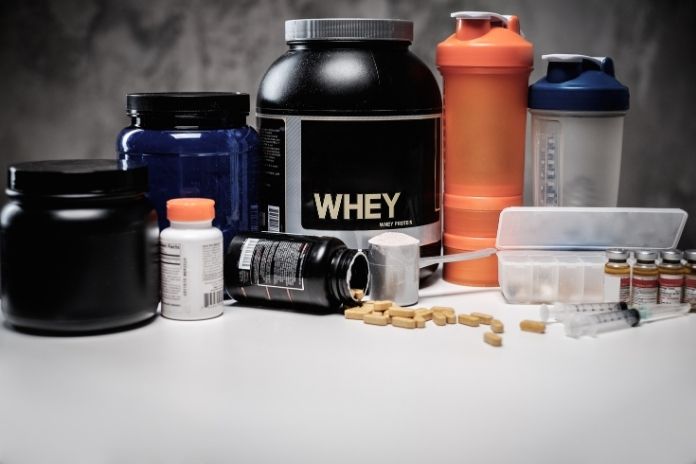
Despite a nutrient-rich diet, certain vitamins and minerals may still be difficult to meet through food sources alone, which is why supplementation is sometimes recommended. For example:
- Vitamin B12 is tough to acquire for vegans or vegetarians, because it’s mostly found in animal products.
- Vitamin D levels can be low in people with limited sun exposure or darker skin, and food sources often don’t fully meet the need.
- Iron or calcium may also need supplement support depending on your diet or medical situation, even though there are food sources like beans, dairy, greens, and fortified grains.
It’s very important to always consult a healthcare provider before stopping any prescribed supplements. While natural food alternatives to vitamins are powerful, they may not be enough in certain cases.
In some situations (like recovery or illness), you may still benefit from a homemade electrolyte drink or other tailored supplement strategies, but these should not replace professional medical guidance when specific supplementation is required.
Read More: 15 Effective Remedies to Clear a Stuffy Nose
Quick Recap
- Expensive supplements often copy what real foods already offer. Many nutrients, such as electrolytes, antioxidants, probiotics, and collagen-supporting compounds, naturally occur in fruits, seeds, fermented veggies, and whole ingredients.
- Whole-food alternatives such as homemade electrolyte drinks, collagen-boosting smoothies, and fermented vegetables provide not just one nutrient but a full mix of vitamins, minerals, fiber, and beneficial bacteria. This makes them more nourishing than isolated supplement pills or powders.
- DIY options are affordable, easy to make, and free from artificial additives. They also let you customize flavors, sweetness, and ingredients according to your health needs.
- Homemade recipes reduce packaging waste and rely on simple, sustainable ingredients, better for you and the environment.
- For best results, pair these drinks and recipes with balanced meals, regular movement, hydration, and mindful lifestyle choices to naturally support long-term wellness.
FAQs
Food-based drinks and ferments can be great alternatives, but people often have questions about effectiveness, timing, and safety.
Can food truly replace all supplements?
Not always: while many nutrients are readily available in whole foods, certain vitamins like B12 or D may still require supplementation depending on your diet or health needs.
How long does it take to see results from food-based alternatives?
It varies. For gut health or anti-inflammatory benefits, you might start feeling better in a few days to a few weeks. For building collagen or muscle recovery, it can take longer; consistent intake is key.
Are homemade recipes as potent as store supplements?
They’re different. Homemade drinks and ferments provide balanced nutrition, microbes, and antioxidants from whole foods, rather than concentrated doses. Their strength lies in how thoroughly they support your body naturally, not just in raw potency.
What’s the best time of day to drink these DIY alternatives?
- Protein shakes: ideal for breakfast or post-workout.
- Fermented drinks: anytime, especially with meals, to support digestion.
- Golden latte: perfect as a calming mid-day or evening drink.
Can I combine these recipes with my current supplements safely?
Usually yes, but it’s wise to check with your healthcare provider, especially if you’re on prescription supplements or have specific medical conditions.
References
- Power Up: your guide to common vitamins and supplements. (2025, July 31). Catholic Health Long Island.
- WebMD Editorial Contributor. (2023, February 1). Types of fiber: soluble and insoluble fiber. WebMD.
- Athletes and vitamin supplementation: what’s the truth? (n.d.). Sports Performance Bulletin.
- Utah State University. (2025, October 16). SIP Smart: Homemade electrolyte Drink recipe. USU.
- Leikam, E. (2024, August 13). Homemade Electrolyte Drink – KÜHL’s guide to DIY beverage. KÜHL Born In The Mountains.
- Plantain, M. (2025, January 14). Homemade electrolyte drink: how to prepare it easily?
- Sandra GASMI CONSULTING. (2024, July 24). COLLAGEN SMOOTHIE RECIPES TO REPAIR YOUR SKIN. Demain Beauty.
- Ningthoujam, N. (2024, September 27). Collagen-boosting drinks: 10 recipes for youthful skin. Healthshots.
- Gavilanes, G. (2021, May 17). 9 Collagen smoothies you need in your life. Vital Proteins.
- Ldn, K. K. R. (2024, July 18). 7 Gut-Healthy recipes that use fermented foods. EverydayHealth.com.
- Bilodeau, K. (2023, September 12). Fermented foods for better gut health. Harvard Health.
- 15 Fermented foods for a healthy gut and overall health – Dr. Axe. (2024, December 4). Dr. Axe.
- Cpt, L. S. (2024, April 8). How to make protein shakes without protein powder | Garage Gym Reviews. Garage Gym Reviews.
- Kinney, M. (2025, July 26). berry protein shake without protein powder. Joy to the Food.
- High Protein Shake Made With All Natural Ingredients – no Powder! (n.d.).
- Lumen, N. (2024, June 17). Anti-Inflammatory drink recipes to boost your thyroid health. ThyForLife.
- Golden Turmeric Latte (VE) | Breakfast & drink recipes. (n.d.). DR.VEGAN.
- Nisha. (2021, March 31). Vegan Golden Milk Turmeric latte. Rainbow Plant Life.
- Supliful. (2025, September 2). How to Make Your Own Supplements: Step-By-Step process | Supliful | Blog by Supliful.
- Hirshland, H. (2025, July 8). 5 easy Japanese ways to replace expensive supplements. Savvy Tokyo.
In this Article