















Caring for a loved one with dementia can be both emotional and challenging. It’s difficult to watch them lose touch with the world around them—but meaningful engagement can help bring moments of connection and joy back into their lives.
Dementia affects memory, communication, and independence, but it doesn’t have to make life smaller. Simple, familiar activities can help maintain dignity, reduce stress, and spark emotional connection. When someone with dementia participates in a creative task or daily routine, it activates parts of the brain linked to joy, memory, and belonging.
Research shows that movement and sensory activities can boost mood, stimulate memory, and even slow cognitive decline. But beyond the science, these moments are about love—a shared laugh over a song, the calm of watering a garden, or the comfort of a familiar scent.
For caregivers, the goal isn’t perfection—it’s connection. Every small, genuine interaction helps nurture warmth, comfort, and a sense of togetherness. In this article, you’ll find 15 engaging activities designed to spark memory, lift mood, and help you create meaningful moments with your loved one.
Read More: 9 Midlife Health Conditions That Can Raise Your Dementia Risk
Best Dementia Activities
1. Music Therapy and Singing
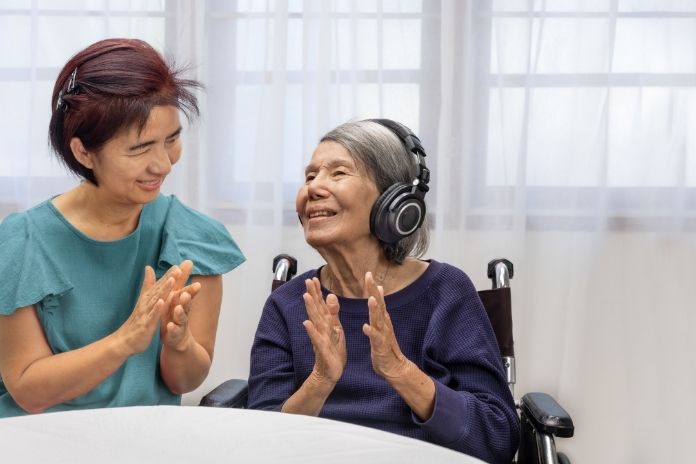
Music engages parts of the brain that are unresponsive to dementia. It has the power to revive memories and feelings lost years before, even in the latter stages of the disease.
Singing or listening to music from a person’s early life is most likely to stimulate recognition and a physical mood change.
Research shows music therapy activates the brain’s emotional and language centers, promoting communication and soothing agitation.
- Choose songs that the person knows from his or her era. It can be folk tunes, film scores, or hymns he or she loved when younger.
- Use music in the background during meals or when getting ready for bed to help them relax and connect emotionally.
Dr. Scott Kaiser, MD, Director of Geriatric Cognitive Health for the Pacific Neuroscience Institute, explains: “Music therapy can help people learn to express themselves through song.”
“With this, over time, as patients utilize neural pathways more heavily engaged during singing, they can ultimately improve their ordinary speech—it’s as if there is a complete shutdown of a major freeway and by diverting to other routes, the normal flow of traffic is ultimately restored.”
2. Art and Coloring Activities
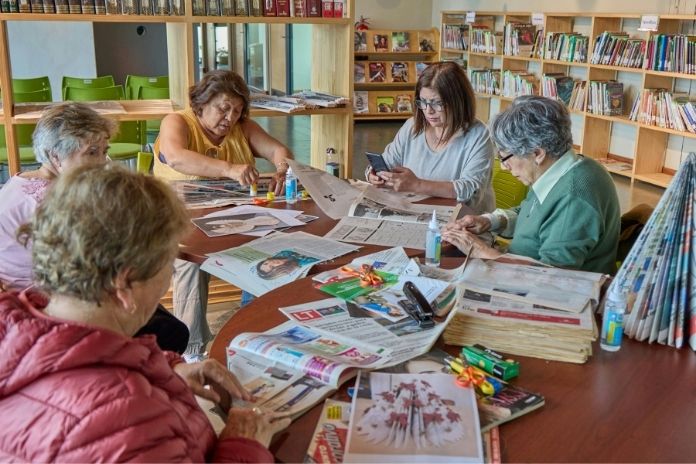
Creative expression can help cognitive functions and promote the free flow of emotions. It can be painting, coloring, or sculpting with clay that provides individuals with dementia a way to express without many words. It also helps with fine motor skills coordination and helps tackle restlessness.
- Provide oversized, easy-to-grasp materials, such as fat brushes or markers, and resist offering too many color choices.
- Watercolors or large coloring books with simple outlines work well.
Displaying finished art throughout the room can foster pride and a sense of continuity among patients.
3. Reminiscence Therapy (Memory Boxes or Photo Albums)

Reminiscence therapy uses objects, sounds, and photos to get individuals to recall happy moments.
A memory box of personal items, such as wedding photos, childhood reminders, favorite scents, or old letters, can transport them back to pleasant times. This type of memory stimulation promotes emotional connections and self-esteem.
Keep it informal and short, using open-ended questions like “What do you remember about this place?” rather than testing memory.
Aim to make the patient feel heard and understood. The objective isn’t accuracy, but rapport and comfort.
4. Gardening or Indoor Plant Care

Gardening offers sensory input, exercise, and soothing contact with nature. Petting leaves, watering plants, or smelling herbs can lower anxiety and brighten mood.
Studies have found that gardening improves relaxation and gives a sense of duty and accomplishment.
- Put small indoor pots on a sunny windowsill with easy-to-care-for plants like basil, mint, or peace lilies, if outdoor gardening isn’t possible.
- Let the person choose and name the plants. This makes them feel connected and involved.
- Visually watching new flowers or blossoms also gives them comfort and peace.
5. Gentle Exercise and Movement

Regular movement is one of the best ways to support both brain and body health, especially for older adults living with dementia. Gentle exercises like walking, chair yoga, tai chi, or simple stretching can increase blood flow to the brain, boost energy levels, and help maintain balance and coordination.
Research shows that even 40 minutes of light activity can improve mental alertness and overall mood in adults over 60.
- Make exercise enjoyable by moving to familiar, upbeat music or taking short walks or picnics outdoors to enjoy fresh air, sunlight, and new sights and sounds.
- Whenever possible, combine movement with conversation or music. This not only lifts spirits but also helps reduce feelings of isolation and loneliness.
Read More: 9 Essential Tips for a Dementia-Friendly Environment
6. Puzzles and Sorting Games

Puzzles promote concentration, memory recall, and problem-solving. All of which is important for maintaining mental agility.
Whether it’s working with big jigsaw pieces, matching hues, or categorizing household items, these games deliver mental and sensory satisfaction.
- Choose age-appropriate activities that are achievable but not childish.
- Activities such as sorting red buttons from blue buttons, ordering playing cards by suit, or assembling a 24-piece scenic or nostalgic puzzle.
The fun is in the process, not the completion. Soft encouragement supports confidence and encourages repetition.
7. Baking or Simple Kitchen Tasks

Cooking and baking are, by nature, memory-related. The scent of vanilla or the warm comfort of bread usually recalls sharp senses of home. Participating in secure kitchen activities engages several senses and has proven to reduce anxiety.
- Ask the patient to help with mixing batter, rolling dough, or sprinkling sprinkles on cookies.
- Make recipes uncomplicated and add to the list of family favorites, such as chocolate chip and sugar cookies.
8. Pet Therapy or Animal Interaction

Pets can give comfort, friendship, and unconditional love. Physical touch with animals, such as stroking a cat, brushing a dog, or feeding fish, releases oxytocin, a hormone that is linked to stress reduction and emotional attachment.
- Even the most nonverbal people become more cheerful in the presence of a calming animal.
- If it is not possible to have a pet, therapy animals or robotic pets visiting can have the same effect.
9. Folding Laundry or Organizing Items

Folding towels, pairing socks, or arranging small objects are ordinary yet have profound meaning. It brings about a sense of usefulness and a habit once a symbol of independence.
- Lay out soft, clean cloths or colorful napkins and make it interactive.
- Keep the space calm and tidy so that quiet is not disrupted.
Mistakes are acceptable; doing something creates order and peace. A simple routine activity helps soothe restlessness in the afternoons or evenings.
10. Reading or Listening to Audiobooks

Stories engage imagination and empathy, stimulating language comprehension and long-term memory.
Reading to a person, reading out loud, or listening to audiobooks might be soothing, especially for individuals who once loved literature or poetry.
- Select materials that are motivating and easy to read. These include short stories, children’s books, or picture books with vivid illustrations.
- Audiobooks are an excellent alternative for those who tire easily or have visual impairments. Listening together and allowing time for soft chat creates connection and shared meaning.
11. Playing Simple Board Games or Cards

Games encourage laughter, coordination, and friendship. Dominoes, bingo, or card-matching games encourage focus and dexterity without frustration over complex rules.
- Choose familiar, visually clear games and avoid unnecessary competition.
- Team play, where both players work together towards a joint goal, can be especially satisfying.
- Make play sessions short and pay attention to effort, not score. The social contact and light atmosphere are what truly matter.
Read More: Connected Brain Networks Can Spread Dementia, New Study Suggests
12. Aromatherapy and Sensory Stimulation

Smell and touch can access emotional brain centers even when memory or speech is gone. Aromatherapy with calming oils such as lavender, lemon, or rose will soothe agitation, while soft textures such as fleece blankets or smooth stones calm the senses.
- Use diffusers or lightly perfumed cloths instead of overpowering perfumes to avoid overstimulation.
- Pair scents with soft light, soothing music, or hand massages for increased relaxation.
These subtle sensory activities can soothe sundowning and calibrate evening routines.
13. Watching Nature or Old Movies

Nature is soothing – looking at birds outside, cultivating a window garden, or viewing nature documentaries reduces tension and boosts serotonin levels. The same goes for old movies or television shows of your youth.
- Play beloved classics or family films that bring warmth and laughter.
- Dim harsh lights, lower background sounds, and watch in comfort to allow joint appreciation.
Familiar sights and sounds can help to create a sense of continuity and belonging.
14. Crafting or DIY Projects

Crafting allows people with dementia to work effectively and creatively, and also improves concentration and coordination. Threading big beads, painting stones, or gluing paper shapes provides structure and expression.
- Limit materials to avoid disarray and maintain a calm atmosphere.
- Use muted hues and textured items to stimulate the senses.
- Praise creativity and uniqueness more than neatness.
15. Spiritual or Religious Activities

Spiritual activities offer deep emotional reassurance and continuity of identity. Listening to hymns, attending prayers, meditating, or reading simple spiritual books can soothe fear and bring peace.
- Participate gently in rituals that ring as familiar, lighting incense, prayer beads in your hand, or reciting softly in verse.
- Invite others along; the shared spiritual energy has a way of offering reassurance and warmth beyond memory loss.
How to Choose the Most Appropriate Activity Based on the Dementia Stage
- Early Stage: Encourage creative, cognitively stimulating activities such as music, puzzles, or painting. They promote memory, independence, and self-worth.
- Middle Stage: Encourage repetitive or sensory activity such as laundry folding, gardening, or cooking. Comfort, familiarity, and physical coordination should be the priority.
- Late Stage: Keep it simple. Opt for emotional connection over mental energy, such as soothing music, gentle touch, aromas, and soft talk are the most comforting.
Adapt to daily mood and energy. Active days for active interaction, silent days for silent company.
Caregiver Strategies to Ensure Activity Success
Focus on fun, not perfection. Praise effort over achievement.
- Keep it brief; a 10 to 20-minute activity is long enough.
- Adjust activities to personal history or culture. Familiarity leads to comfort.
- Reduce distractions. Soft background music and soft lighting are sufficient.
- Ensure safety. Avoid sharp tools, slippery floors, or open flames.
- Watch responses. Smiles, eye contact, or relaxed posture show satisfaction.
Caregiving is hard, but these shared activities sometimes heal as much for the caregiver as they do for the person with dementia. Each small connection builds understanding and love.
Key Takeaway
Engagement is medicine for the brain. Deliberate, habitual activities preserve dignity, calm agitation, and anchor dementia patients in the present. These moments, singing a well-known tune, feeling a gentle cat’s fur, and folding warm towels help reconnect them to the world and to each other.
The most impactful activities are ones that are sensed as safe, comfortable, and saturated with love. As you let presence trump performance, every interaction is a portal back to joy.
FAQs
1. What activities are anxiety-reducing for dementia patients?
Aromatherapy, gazing at nature scenery, soothing music, massage of the hands, and folding familiar items are relaxing activities. Predictable routine reduces anxiety.
2. How often should dementia patients be engaged in activities?
Two or three short sessions a day — morning and early afternoon — can be useful in maintaining rhythm and preventing restlessness.
3. Are puzzles okay for Alzheimer’s or dementia?
Yes. Puzzles and sorting activities improve cognitive pathways and improve attention, especially in early to mid-stages.
4. What activities are safe for late-stage dementia?
Comfort-type activities such as light touch, aromatherapy, soothing music, and sensory blankets are best for creating peace.
5. Does music really help people with dementia remember?
Yes. Music activates areas of the long-term memory and can unlock feelings and remembering when other memory methods become unavailable.
References
- https://www.hindustantimes.com/lifestyle/health/how-bird-watching-boosts-mental-health-7-incredible-benefits-of-observing-birds-nature-101718007423731.html
- https://mackinlearning.com/support-social-emotional-learning-with-audiobooks/
- https://www.pitsco.com/blogs/news/puzzle-time
- https://pmc.ncbi.nlm.nih.gov/articles/PMC10765015/
- https://pmc.ncbi.nlm.nih.gov/articles/PMC6494367/
In this Article