













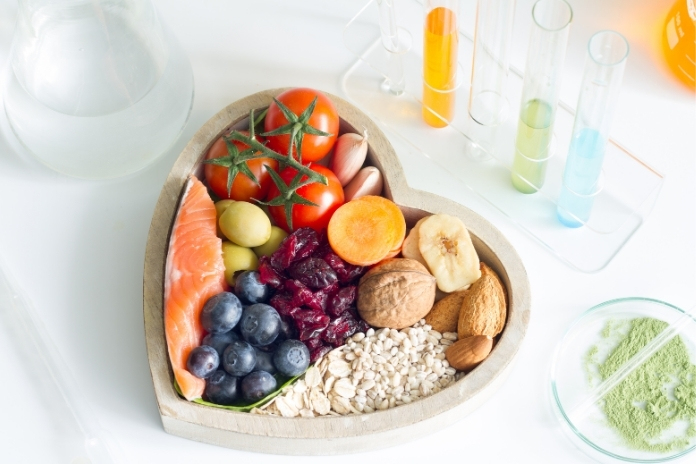
Did you know that what you eat today could prevent a heart attack tomorrow? With heart disease remaining the leading cause of death in America, the power to protect your cardiovascular system literally lies on your dinner plate.
Cardiovascular health is crucial since the heart is one of the body’s most vital organs. When your heart is healthy, it efficiently pumps blood to all organs, maintaining overall wellness. By incorporating specific foods into your diet, you can support heart health and improve your general well-being. A wide variety of vegetables and fruits can help keep your heart strong, and eating foods in their natural form provides the greatest benefits.
Choosing vegetables and fruits for your heart-healthy diet is easy, as per Megan Byrd, RD, a nursing dietitian at The Oregon Dietitian. She says, “To get the most out of the produce aisle, choose a variety of colors.”
Here are 12 scientifically-backed heart-healthy foods that can help prevent cardiovascular problems.
Read More: Heart-Healthy Kitchen Essentials: 6 Best Salt Substitutes for Hypertension Management
Top 12 Heart-Healthy Foods
Fruits That Promote Heart Health
- Blueberries
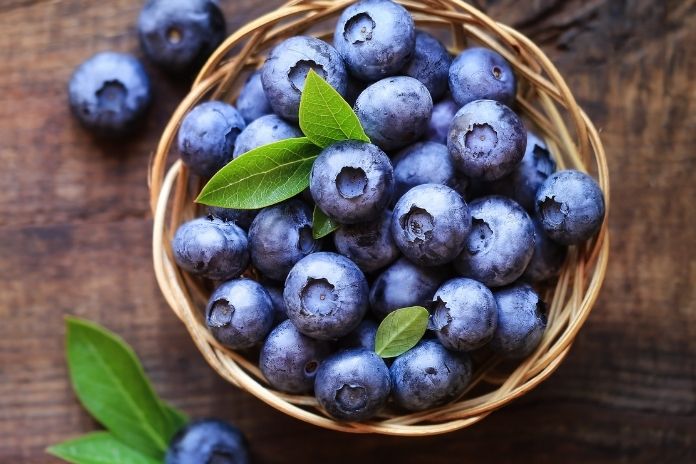
Blueberries are a popular fruit loved for their delicious flavor and impressive health benefits. These small berries are packed with antioxidants that contribute significantly to heart health. Research published in the National Center for Biotechnology Information shows that blueberries help reduce LDL cholesterol in arteries and improve overall cardiovascular function.
Studies demonstrate that the antioxidants in blueberries help reduce LDL (bad) cholesterol buildup in artery walls, supporting cardiovascular health and helping prevent strokes. Health experts recommend consuming one cup of blueberries as a serving for optimal heart benefits.
- Strawberries
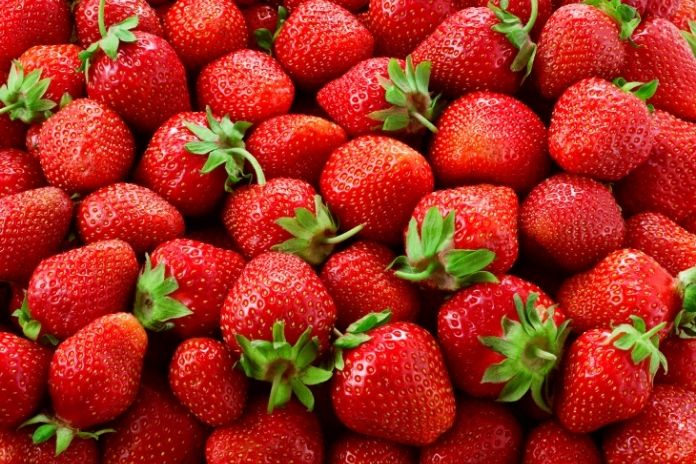
Strawberries are another beloved fruit that you can enjoy any time of day. This superfruit ranks in the top ten for antioxidant capacity and is rich in nutrients that promote heart health. Strawberries contain high levels of fiber, potassium, and antioxidants that benefit cardiovascular function.
They’re naturally cholesterol-free, with one cup providing only 50 calories. These delicious, heart-healthy fruits can help control high cholesterol and high blood pressure, both major risk factors for heart disease.
- Apples
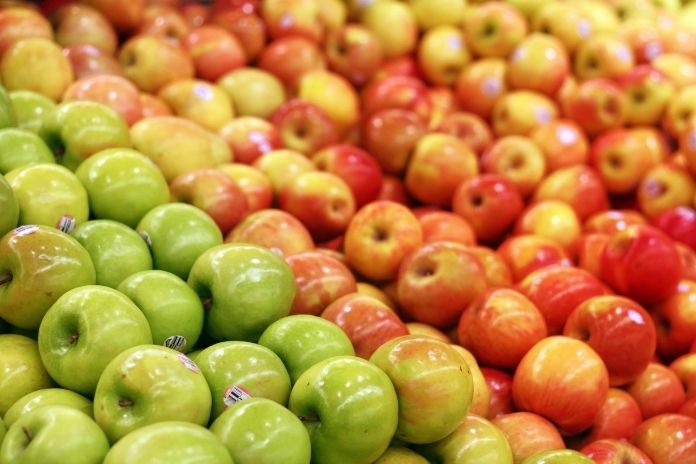
Apples are naturally sweet fruits that make an excellent heart-healthy snack. Eating one or two apples daily can reduce heart disease risk factors. Research has shown that regular apple consumption helps lower bad cholesterol levels and regulate blood sugar, protecting heart health.
The old saying “an apple a day keeps the doctor away” holds true, as this simple habit may contribute to a longer, healthier life.
- Oranges
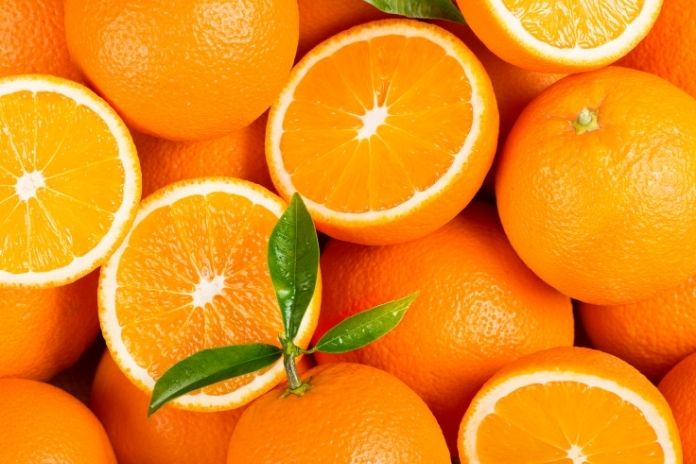
Oranges are juicy, sweet-and-sour citrus fruits that many people enjoy as fresh juice. These fruits excel at keeping arteries healthy by reducing cholesterol buildup, which helps prevent heart attacks.
The heart-protective properties of oranges come from flavonoids naturally found in citrus fruits. These flavonoids work to decrease bad cholesterol while increasing good cholesterol levels. Adding oranges to your diet is an excellent way to support cardiovascular health.
Read More: Top 7 Heart-Healthy Breakfast Products to Start Your Day Right
- Grapefruit
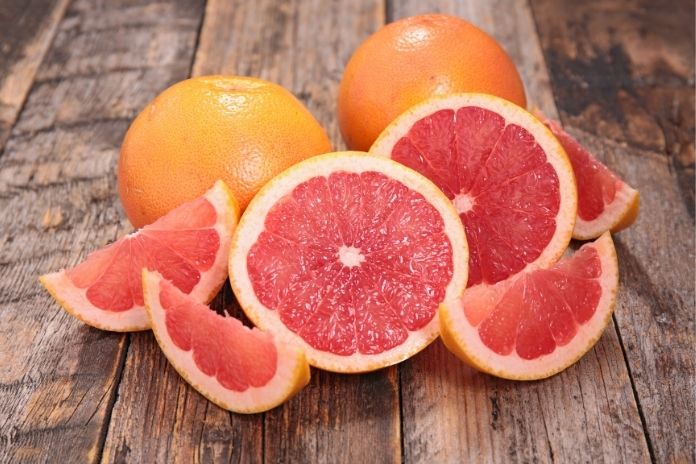
Grapefruit can benefit heart health, though those already taking heart medications should consult their doctor before consuming it regularly. This citrus fruit can lower the risk of developing heart disease by reducing triglycerides and bad cholesterol that contribute to cardiovascular problems.
Grapefruit also helps reduce blood pressure, keeping your heart healthy and reducing the risk of heart attacks and strokes.
Vegetables That Support Heart Health
- Carrots
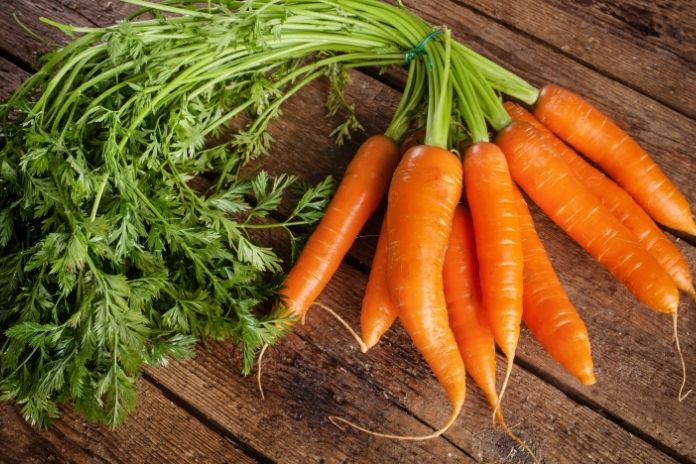
Carrots are sweet, crunchy vegetables beloved worldwide for their taste and nutritional benefits. They’re particularly recommended for heart health because they contain heart-protective vitamin A, which prevents the thickening of artery walls caused by cholesterol accumulation. Carrots also help eliminate fat through the digestive system.
One cup of chopped carrots provides the recommended daily amount of vitamin A. Including carrots in your daily meals is an easy way to support heart health.
- Tomatoes
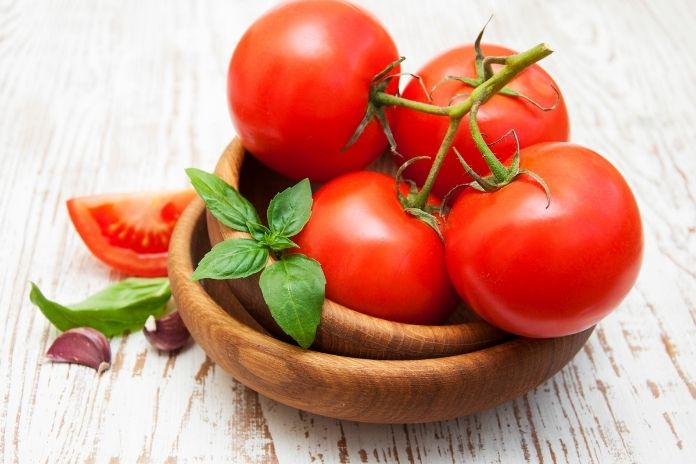
Tomatoes are versatile vegetables that promote overall health, similar to apples. They help reduce LDL cholesterol in arteries, which is a primary cause of heart attacks and other cardiovascular diseases. Tomatoes support heart health by preventing artery thickening through reducing cholesterol buildup in blood vessels.
- Broccoli
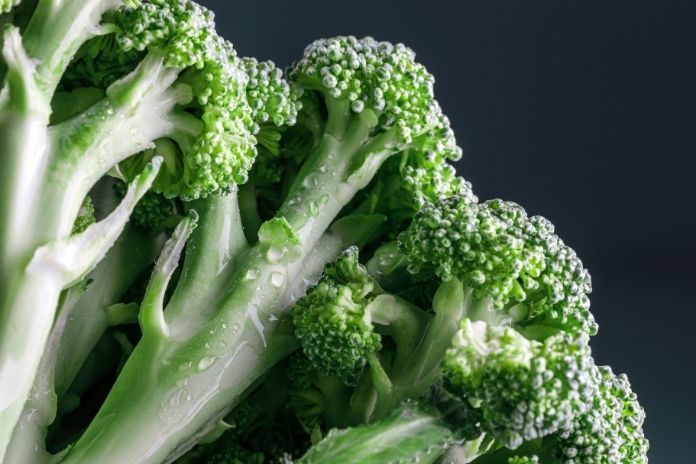
This green vegetable is well-known for its heart health benefits. Broccoli contains a chemical called sulforaphane that boosts the immune system and helps keep arteries clear of blockages. Broccoli has the highest levels of sulforaphane among vegetables and can reduce inflammation that may lead to heart attacks.
Try adding broccoli to salads or other dishes to combat heart health issues.
- Onions
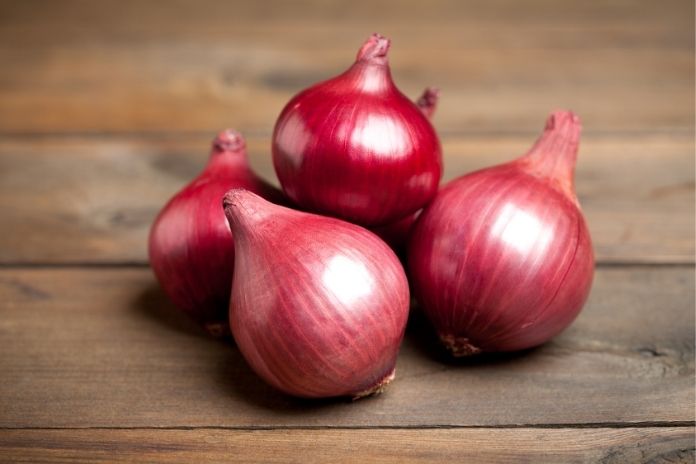
Onions can help fight heart disease and actually surpass red wine in heart-protective properties. While onions aren’t commonly associated with heart health due to a lack of awareness, they provide significant cardiovascular benefits. They contain a compound called quercetin that can reduce blood pressure in people with hypertension.
Since maintaining healthy blood pressure is crucial for heart health, including onions in your diet is important. Raw onions in salads provide the best results, despite their strong flavor.
Other Heart-Healthy Foods
- Fish
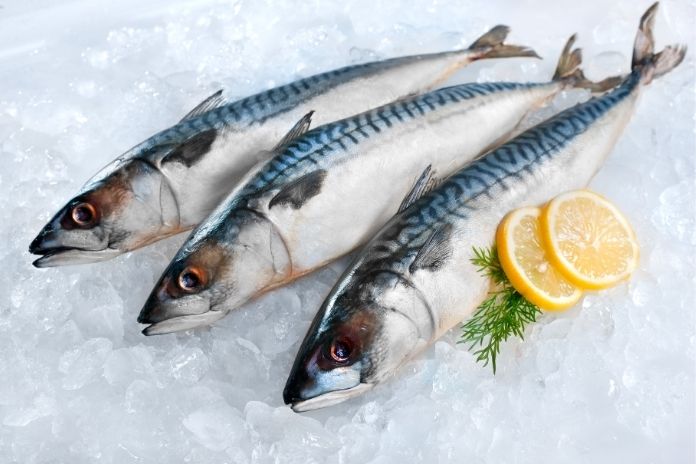
Eating fish once a week can significantly benefit your heart health. Fish contains omega-3 fatty acids that lower bad cholesterol while increasing good cholesterol, supporting cardiovascular function. According to the Mayo Clinic, omega-3 fatty acids in fish help reduce the risk of heart attacks, high triglycerides, and high blood pressure.
Fish are also rich in monounsaturated and polyunsaturated fats that promote heart health. Salmon, mackerel, tuna, and sardines are particularly beneficial varieties to include in your diet.
- Nuts
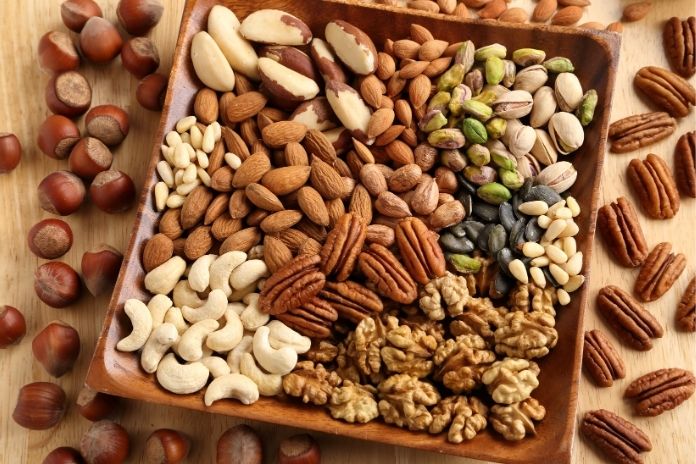
Like fish, nuts contain omega-3 fatty acids along with monounsaturated and polyunsaturated fats that increase good cholesterol while reducing bad cholesterol in the arteries. This helps decrease the risk of heart attacks.
Nuts are also affordable and easy to store, making them a convenient heart-healthy snack. Adding nuts to your daily diet can help improve your cardiovascular health over time.
Read More: Dietary Guidelines for a Healthy Heart: Foods That Support Cardiovascular Health
- Oatmeal
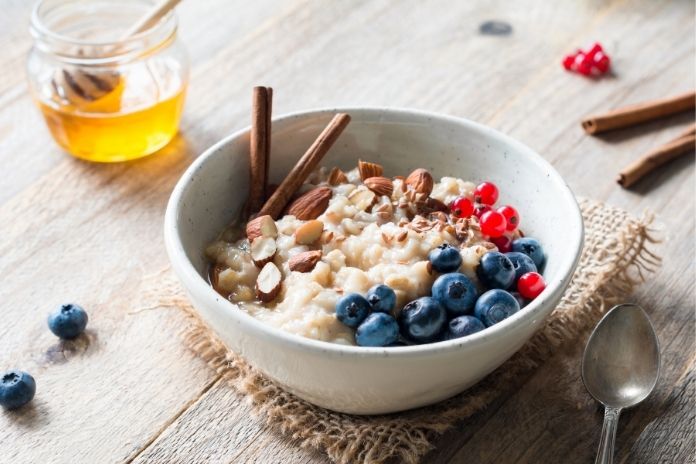
A warm bowl of oats makes an excellent breakfast, especially when topped with nuts or seeds, and provides outstanding heart health benefits. Whether you’re already managing heart conditions or simply want to maintain good cardiovascular health, oats are an ideal choice.
The fiber in oats contains beta-glucan, which research shows has been proven to reduce cholesterol levels significantly. Since high cholesterol can build up plaque, leading to heart disease, eating oats helps maintain heart health by keeping cholesterol under control.
Implementing Heart-Healthy Eating: Practical Strategies
Creating Balanced Meals
Incorporate multiple heart-healthy foods into each meal for maximum benefit. Start breakfast with oatmeal topped with berries and nuts. Include colorful vegetables like carrots, tomatoes, and broccoli in lunch and dinner preparations.
Plan to include fatty fish twice weekly, and use heart-healthy fruits as snacks between meals. This approach ensures consistent intake of cardioprotective nutrients throughout the day.
Meal Planning Tips
- Prepare cut vegetables in advance for easy addition to meals
- Keep frozen berries available for smoothies and oatmeal toppings
- Stock pantry with nuts for convenient heart-healthy snacking
- Plan fish meals at the beginning of each week
Conclusion
These heart-healthy foods are true superfoods when it comes to cardiovascular wellness. By incorporating them into your regular diet, you’ll benefit from improved heart health while also supporting your overall physical fitness. These foods don’t just promote cardiac health—they contribute to a healthier, more energetic lifestyle.
Ready to take charge of your heart health? Start by adding just three of these foods to your weekly meal plan. Your heart will thank you, and you’ll be taking a powerful step toward a longer, healthier life. Remember to consult with your healthcare provider before making significant dietary changes, especially if you have existing heart conditions or take medications.
Frequently Asked Questions
Q: How quickly can heart-healthy foods show benefits? A: Some benefits, like improved blood flow from flavonoids, can occur within hours. However, significant improvements in cholesterol levels and cardiovascular markers typically require 4-6 weeks of consistent dietary changes.
The heart-healthy DASH diet has proven to significantly lower blood pressure levels in just two weeks, as per Harvard Health. The diet, which consists mainly of fruits and vegetables, indicates that participants showed improvements as early as two weeks, while promoting their heart health.
It is also observed that eating more fruits and vegetables and limiting meat and leaner cuts has the potential to lower your cholesterol by 25% or more.
Q: Can these foods replace heart medications? A: Never discontinue prescribed medications without consulting your healthcare provider. Heart-healthy foods complement medical treatment but should not replace prescribed therapies.
Q: What’s the most important heart-healthy food to prioritize? A: Rather than focusing on a single food, emphasize variety. The combination of different heart-protective compounds provides greater benefits than any individual food alone.
Q: Are there any heart-healthy foods to avoid with certain conditions? A: Grapefruit can interact with many medications. People on blood thinners should discuss vitamin K-rich foods with their doctor. Always consult healthcare providers about dietary changes if you have existing heart conditions.
Q: How much of these foods should I eat daily? A: Aim for 2-3 servings of heart-healthy fruits, 3-4 servings of vegetables, and include nuts, fish, and whole grains as part of a balanced diet. Variety and moderation are key.
References
- https://www.nih.gov/news-events/nih-research-matters/eating-blueberries-may-reduce-heart-disease-risk
- https://www.mayoclinic.org/healthy-lifestyle/nutrition-and-healthy-eating/in-depth/heart-healthy-diet/art-20047702
- https://www.heart.org/en/healthy-living/healthy-eating/eat-smart/nutrition-basics/fish-and-omega-3-fatty-acids
- https://www.health.harvard.edu/heart-health/why-you-should-eat-more-flavonoid-rich-foods
- https://www.nhlbi.nih.gov/education/initiative/healthy-heart-healthy-family/eating-heart-healthy
- https://www.who.int/news-room/fact-sheets/detail/cardiovascular-diseases-(cvds)
- https://www.ncbi.nlm.nih.gov/pmc/articles/PMC6315518/
- https://pubmed.ncbi.nlm.nih.gov/25740909/
- https://www.fda.gov/food/food-labeling-nutrition/health-claims-meeting-significant-scientific-agreement-ssa-standard
- https://www.mayoclinic.org/diseases-conditions/high-blood-cholesterol/in-depth/cholesterol/art-20045192
- https://www.ncbi.nlm.nih.gov/pmc/articles/PMC3068482/
- https://www.mayoclinic.org/diseases-conditions/heart-disease/in-depth/omega-3/art-20045614
- https://www.ncbi.nlm.nih.gov/pmc/articles/PMC6892284/
- https://pubmed.ncbi.nlm.nih.gov/12587984/
- https://pmc.ncbi.nlm.nih.gov/articles/PMC442131/
- https://ods.od.nih.gov/factsheets/VitaminA-HealthProfessional/
- https://pubmed.ncbi.nlm.nih.gov/12587984/
- https://www.fda.gov/consumers/consumer-updates/grapefruit-juice-and-some-drugs-dont-mix
-
Mar 2017Written by Pradeepa Poilneni
-
Aug 2025Edited by Vaishnavi
In this Article