








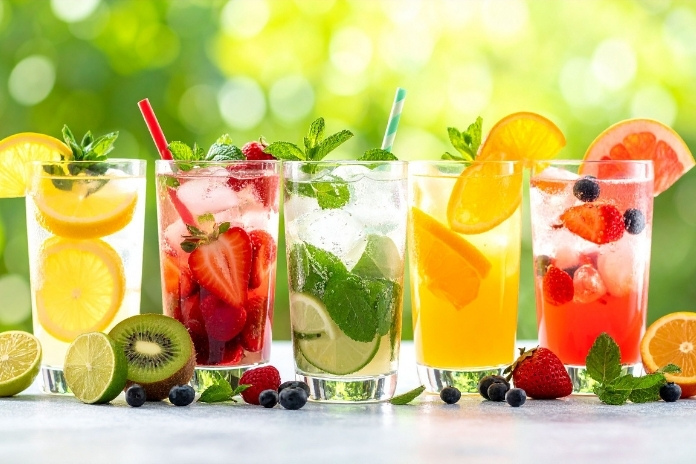
You’re with friends or winding down at home, and alcohol just doesn’t land the way it used to. Maybe it disrupts your sleep. Maybe it flares joint pain, digestive issues, or brain fog. You still want a drink in your hand that feels intentional and enjoyable, not something you’ll regret the morning after.
That’s where anti-inflammatory mocktails fit in. These aren’t sad substitutes or sugary juice blends. They’re thoughtfully made, alcohol-free drinks built around ingredients known to support the body rather than stress it.
Inflammation itself isn’t the enemy. It’s part of how your immune system protects you. The issue is chronic, low-grade inflammation, which is linked to fatigue, joint pain, metabolic issues, and digestive problems. For many people, alcohol quietly worsens that background inflammation, even in small amounts.
Anti-inflammatory mocktails aren’t treatments or health claims in a glass. They’re supportive choices. They rely on real ingredients like herbs, spices, citrus, and low-sugar bases instead of artificial syrups and chemical mixers. You keep the ritual, the flavor, and the social ease, without adding fuel to inflammation.
What Makes a Mocktail Anti-Inflammatory?
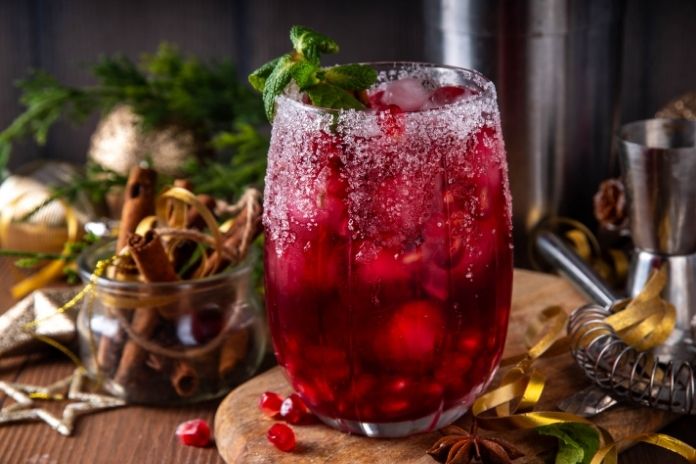
Not every alcohol-free drink supports inflammation balance. Many mocktails are basically liquid sugar with a garnish. An anti-inflammatory mocktail is different because it’s built around ingredients that work with your body, not against it.
- They’re rich in antioxidants and polyphenols. These mocktails lean on fruits, herbs, spices, teas, and sometimes even olive oil. These provide antioxidants and polyphenols that help reduce oxidative stress, which is closely linked to chronic inflammation. Berries, citrus peel, ginger, turmeric, mint, rosemary, and green or hibiscus tea are common examples.
- They keep added sugar low. Sugar matters more than alcohol content here. High sugar intake can raise inflammatory markers, especially when drinks are consumed regularly. Anti-inflammatory mocktails rely on small amounts of natural sweetness from fruit or minimal sweeteners, rather than syrups or juices loaded with added sugar.
- They use real, recognizable ingredients. Fresh ginger instead of ginger syrup. Fresh citrus instead of bottled mixers. Whole herbs instead of artificial flavoring. Real ingredients bring both flavor and bioactive compounds that processed alternatives simply don’t have.
- They’re balanced. These drinks are designed around balance. Acidity from citrus, bitterness from herbs or tea, and subtle sweetness create depth without spiking blood sugar. The goal is complexity, not dessert in a glass.
“Plant-based foods provide us with vitamins, minerals, fiber, and phytochemicals, plant chemicals that appear to fight free radicals and may protect our cells against inflammation, cancer growth, and viruses,” says Katherine D. McManus, director of the Department of Nutrition at Harvard-affiliated Brigham and Women’s Hospital.
She also adds, “Fish, nuts, and plant oils contain healthy unsaturated fats, which are good for your blood vessels, heart, and brain.”
Read More: How to Build an Anti-Inflammatory Morning Routine
12 Anti-Inflammatory Mocktail Recipes (No Artificial Syrups)
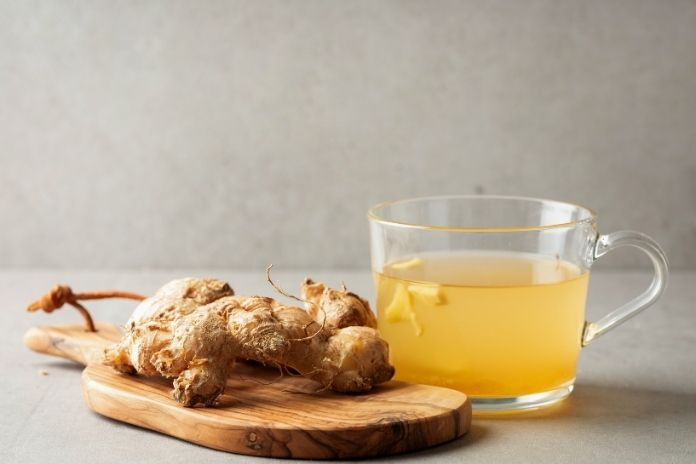
These mocktails focus on real ingredients that support inflammation balance without loading your drink with sugar or chemical mixers. Each recipe makes one serving and scales easily. Sweeteners are optional and kept to a minimum on purpose.
1. Ginger Lime Sparkler
Ingredients (1 serving):
- Fresh ginger: 1 inch piece, sliced
- Fresh lime juice: 1 tablespoon
- Sparkling water: ¾ to 1 cup
- Ice: as needed
How to make: Muddle a few slices of fresh ginger with lime juice. Strain if you prefer a smoother drink. Add ice and top with sparkling water.
Why it helps: Ginger contains gingerols, compounds linked to anti-inflammatory and digestive benefits. Lime adds vitamin C and brightness without added sugar.
Clinical trials and experimental studies have found that ginger supplementation can reduce markers of inflammation like IL‑6, TNF‑α, and C‑reactive protein, and may help ease muscle and joint discomfort linked to inflammation.
Read More: 10 Health Benefits of Ginger That You Wouldn’t Have Imagined
2. Turmeric Citrus Cooler
Ingredients (1 serving):
- Fresh turmeric (grated) or turmeric powder: ½ teaspoon
- Diluted orange juice: ¼ cup juice + ¼ cup water
- Lemon juice: 1 tablespoon
- Black pepper: pinch
- Ice: as needed
How to make: Gently warm turmeric in water, then let it cool. Mix with diluted orange juice, lemon juice, a pinch of black pepper, and ice.
Why it helps: Curcumin in turmeric is widely studied for its anti-inflammatory effects. Black pepper improves curcumin absorption, making small amounts more effective.
3. Blueberry Rosemary Fizz
Ingredients (1 serving):
- Blueberries: ¼ cup
- Fresh rosemary: 1 small sprig
- Soda water: ¾ to 1 cup
- Ice: as needed
How to make: Lightly crush blueberries and rosemary to release flavor. Add ice and soda water. Strain if desired.
Why it helps: Blueberries provide anthocyanins, powerful antioxidants. Rosemary adds polyphenols that support cellular defense.
Studies show that blueberries are rich in anthocyanins, a class of polyphenols linked to antioxidant and anti‑inflammatory benefits. Regular consumption of blueberries and their anthocyanins has been associated with reduced cardiovascular risk, improved vascular function, better glucose regulation, and lower markers of inflammation.
These compounds help protect cells from oxidative stress and support overall metabolic and heart health, which is why blueberry‑based drinks offer more than just flavor.
4. Tart Cherry Mocktail
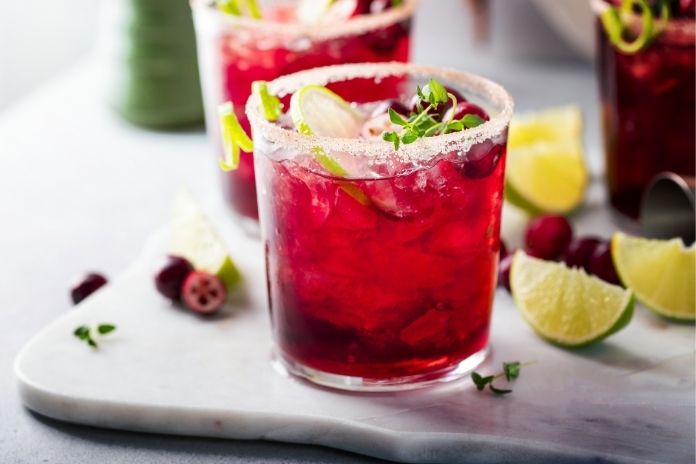
Ingredients (1 serving):
- Tart cherry juice (unsweetened): ¼ cup
- Sparkling water: ½ cup
- Fresh lime juice: 1 tablespoon
- Ice: as needed
How to make: Combine one part tart cherry juice with two parts sparkling water. Add lime juice and ice.
Why it helps: Tart cherry has been linked to reduced inflammation and improved muscle recovery, especially in active individuals.
5. Cucumber Mint Refresher
Ingredients (1 serving):
- Fresh cucumber: ½ cup, chopped
- Fresh mint leaves: 6 to 8
- Lime juice: 1 tablespoon
- Water or soda: ½ to ¾ cup
- Ice: as needed
How to make: Blend or muddle the cucumber and mint. Strain, then add lime juice, ice, and water or soda.
Why it helps: Cucumber supports hydration, while mint offers gentle digestive and anti-inflammatory effects.
6. Pineapple Ginger Cooler
Ingredients (1 serving):
- Fresh pineapple: ½ cup
- Fresh ginger: ½ inch piece
- Coconut water: ½ cup
- Ice: as needed
How to make: Blend pineapple with ginger and strain. Add coconut water and ice.
Why it helps: Pineapple contains bromelain, an enzyme associated with reduced inflammation. Coconut water adds electrolytes without refined sugar.
“Bromelain is an enzyme found in pineapple that has anti‑inflammatory properties and may help reduce swelling and support digestive function when consumed as part of a balanced diet,” says Arielle “Dani” Lebovitz, RDN, on the health effects of pineapple and its enzymes.
Bromelain has been studied for its potential to reduce nasal inflammation and improve inflammatory responses, which helps explain why pineapple‑based drinks can feel soothing and supportive.
7. Green Tea Citrus Spritz

Ingredients (1 serving):
- Brewed green tea (cooled): ¾ cup
- Lemon juice: 1 tablespoon
- Raw honey (optional): ½ to 1 teaspoon
- Ice: as needed
How to make: Mix chilled green tea with lemon juice and ice. Add a small amount of honey if needed.
Why it helps: Green tea catechins are among the most researched antioxidants linked to inflammation and metabolic health.
8. Apple Cinnamon Anti-Inflammatory Mocktail
Ingredients (1 serving):
- Diluted apple juice: ½ cup juice + ½ cup water
- Cinnamon stick: 1 small
- Whole cloves: 2
- Ice: as needed
How to make: Warm apple juice with cinnamon and cloves, then cool and serve over ice.
Why it helps: Apples provide polyphenols. Cinnamon and cloves contain compounds shown to support inflammation regulation.
Read More: 10 Important Health Benefits of Cinnamon
9. Beet Berry Cooler
Ingredients (1 serving):
- Beet juice (unsweetened): ¼ cup
- Mixed berries: ¼ cup
- Lemon juice: 1 tablespoon
- Water: ¼ to ½ cup
- Ice: as needed
How to make: Blend berries with beet juice and lemon. Strain if desired and serve over ice.
Why it helps: Beets support blood flow through natural nitrates, while berries add antioxidant depth.
10. Hibiscus Lime Mocktail
Ingredients (1 serving):
- Brewed hibiscus tea (cooled): ¾ cup
- Fresh lime juice: 1 tablespoon
- Sparkling water: ¼ cup
- Ice: as needed
How to make: Brew hibiscus tea, let it cool, then mix with lime juice, ice, and sparkling water.
Why it helps: Hibiscus is rich in flavonoids and linked to reduced oxidative stress and cardiovascular support.
A systematic review and meta‑analysis of clinical trials found that regular consumption of Hibiscus sabdariffa (the same plant used to make hibiscus tea) significantly lowered systolic blood pressure and reduced levels of LDL (“bad”) cholesterol, both of which are markers of cardiovascular risk.
In many of the trials included, adults who consumed hibiscus tea or extract experienced meaningful reductions in these risk factors compared with placebo or control groups, suggesting that the flavonoids and other antioxidants in hibiscus can support heart health and reduce oxidative stress.
11. Ginger Pear Fizz
Ingredients (1 serving):
- Diluted pear juice: ½ cup juice + ½ cup water
- Fresh ginger: ½ inch piece
- Soda water: ¼ to ½ cup
- Ice: as needed
How to make: Muddle ginger with pear juice, strain, then top with soda water and ice.
Why it helps: Pear is gentle on digestion. Ginger adds anti-inflammatory compounds without sharp acidity.
12. Lemon Olive Oil Mocktail (Mediterranean-Style)
Ingredients (1 serving):
- Fresh lemon juice: 1½ tablespoons
- Extra virgin olive oil: 1 teaspoon
- Sparkling water: ¾ cup
- Ice: as needed
How to make: Shake lemon juice with a small amount of olive oil and ice. Top with sparkling water.
Why it helps: Extra virgin olive oil is rich in polyphenols linked to lower inflammatory markers, especially in Mediterranean dietary patterns. Cardiovascular nutrition research cited by the Cleveland Clinic highlights olive oil’s role in inflammation-supportive diets.
These drinks aren’t about perfection or detoxing. They’re about choosing ingredients that support your body while still feeling social, flavorful, and satisfying.
Seasonal Ingredients for Mocktails
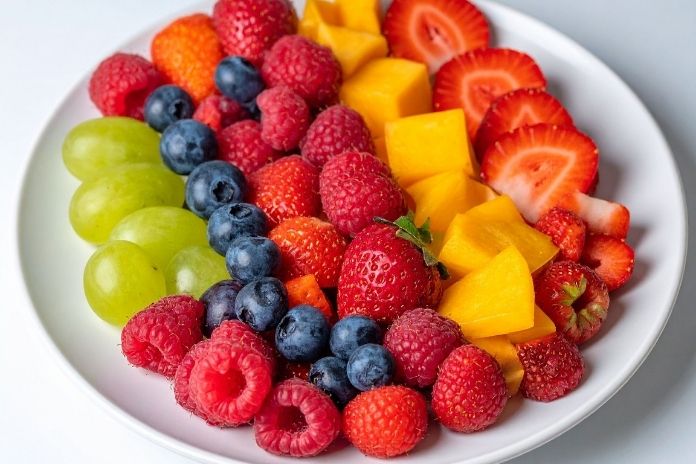
Using seasonal ingredients keeps your mocktails fresh, flavorful, and nutrient-dense while supporting natural anti-inflammatory benefits. Seasonal produce tends to be more affordable and packed with flavor, making it ideal for drinks that rely on whole ingredients rather than syrups or concentrates.
- Spring: Strawberries, cucumbers, fresh mint, and citrus zest brighten drinks with antioxidants and light, refreshing flavors.
- Summer: Watermelon, blueberries, basil, and lime provide hydration, polyphenols, and cooling effects, perfect for hot weather.
- Autumn: Apples, pears, cinnamon, cloves, and ginger add warmth and natural sweetness while supporting circulation and inflammation reduction.
- Winter: Pomegranate, cranberries, turmeric, and citrus offer potent antioxidants and immune-supporting compounds to counter seasonal fatigue and inflammation.
Seasonal fruits and vegetables that require shorter farm‑to‑table time often have a higher nutritional content, as some nutrients diminish over time from when the produce was picked. They may be less expensive when locally in season. – Mindy Haar, PhD, RDN, Clinical Associate Professor and Chair, Department of Interdisciplinary Health Sciences.
Rotating ingredients with the seasons also encourages variety in flavor and nutrients, preventing monotony and ensuring you’re consistently benefiting from different plant compounds.
Read More: The Sunlight Diet: Can Eating Seasonally Improve Your Health?
Tips to Keep Mocktails Truly Anti-Inflammatory
Making a mocktail doesn’t automatically make it anti-inflammatory. Even natural ingredients can lose their benefits if sugar content is high, flavors are unbalanced, or portions are too large. These tips help you maximize health benefits without sacrificing taste.
- Dilute fruit juices: Use one part juice to two or three parts water, sparkling water, or unsweetened tea. This lowers sugar concentration while keeping flavor and nutrients.
- Use herbs and spices instead of syrups: Fresh ginger, mint, rosemary, cinnamon, and cloves provide flavor and antioxidants without adding sugar or artificial ingredients.
- Balance flavors intentionally: Incorporate acidity, bitterness, and subtle sweetness. Citrus, herbal notes, or a splash of unsweetened tea can reduce the need for extra sugar.
- Watch portion sizes: Even natural fruit sugars can add up quickly. Smaller servings help you enjoy the drink without excessive sugar intake.
- Prioritize fresh, whole ingredients: Whenever possible, choose fresh fruits, herbs, and minimally processed juices over bottled or concentrated options to retain maximum anti-inflammatory compounds.
These strategies help keep mocktails flavorful, satisfying, and truly supportive of your body’s inflammatory balance.
Common Mistakes to Avoid
Even anti-inflammatory mocktails can lose their benefits if certain missteps are made. Being aware of these common mistakes ensures your drinks remain both enjoyable and supportive:
- Overloading on juice or sweeteners: Even natural fruit juices can spike blood sugar if used excessively. Dilute juices with water, soda, or unsweetened tea to maintain balance.
- Relying on artificial mixers: Store-bought syrups, concentrates, or flavored sparkling waters often contain added sugars and chemicals that can counteract anti-inflammatory benefits.
- Ignoring individual sensitivities: Ingredients like ginger, citrus, or turmeric may trigger reflux, heartburn, or digestive discomfort in some people. Start small and monitor your body’s response.
- Neglecting variety: Using the same ingredients every day can limit the range of antioxidants and polyphenols you consume. Rotate herbs, spices, and fruits to maximize benefits.
By keeping these points in mind, you ensure that your mocktails are truly anti-inflammatory, flavorful, and aligned with your overall wellness goals.
Who May Benefit Most From Anti-Inflammatory Mocktails
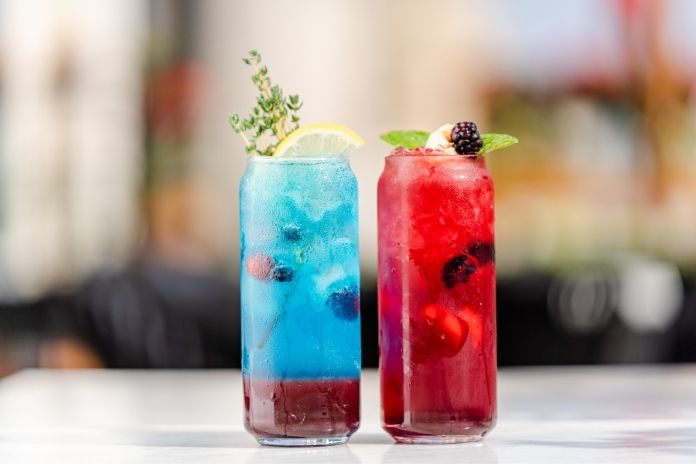
Anti-inflammatory mocktails aren’t just trendy; they can serve a meaningful purpose for certain people. While anyone can enjoy them, they’re especially helpful for the following groups:
- People reducing or eliminating alcohol: If you’re cutting back on alcohol but still want flavorful, social drinks, these mocktails provide satisfying alternatives without the inflammatory effects of alcohol.
- Those managing joint pain or muscle soreness: Ingredients like ginger, turmeric, and berries contain compounds that support the body’s natural anti-inflammatory processes, which may help reduce discomfort and aid recovery.
- Individuals focused on gut and metabolic health: Low-sugar, nutrient-rich drinks with herbs, spices, and polyphenols support digestion, blood sugar balance, and overall metabolic function.
- Anyone wanting healthier social drink options: Mocktails let you participate in social rituals without feeling left out or compromising your health goals.
- People looking to feel better the next day: By avoiding alcohol and excessive sugar, these drinks help prevent bloating, disrupted sleep, and energy slumps, leaving you refreshed and more balanced.
In short, anti-inflammatory mocktails combine flavor with functional benefits, making them a smart choice for wellness-minded individuals in a variety of situations.
When to Be Cautious
While anti-inflammatory mocktails are generally healthy, they’re not risk-free for everyone. Certain ingredients can interact with health conditions or medications, so it’s worth being mindful:
- Turmeric: Turmeric is a powerful anti-inflammatory, but it can interact with blood-thinning medications or cause issues for people with gallbladder conditions. Moderation and professional guidance are advised.
- Ginger: Ginger supports digestion and inflammation, yet it may worsen reflux or heartburn in sensitive individuals. Start with small amounts and monitor your body’s response.
- Juice-heavy drinks: Even natural fruit juices contain sugar. For people with insulin resistance, diabetes, or blood sugar concerns, high juice content can cause rapid spikes. Diluting juice or combining it with water or soda is safer.
These mocktails can be a delicious and supportive addition to your diet, but they don’t replace medical advice or treatment. Listening to your body and consulting a healthcare professional when needed ensures the drinks remain beneficial and safe.
Final Takeaway
Anti-inflammatory mocktails provide a tasty, alcohol-free option for those looking to support overall health without relying on sugar-laden or artificial mixers. The true benefits come from using whole, nutrient-rich ingredients, thoughtfully balanced flavors, and making consistent, mindful choices rather than occasional indulgence.
These drinks are most effective when paired with a broader lifestyle focused on whole foods, hydration, regular movement, and adequate sleep. While they aren’t a cure for chronic inflammation, they can help you make healthier, more enjoyable choices and create a sense of wellness in your daily routine.
In short, anti-inflammatory mocktails aren’t just a drink; they’re a small, sustainable step toward a lifestyle that supports your body’s natural balance and reduces reliance on alcohol or sugar-heavy beverages.
Frequently Asked Questions (People Also Ask)
Are anti-inflammatory mocktails actually effective?
Anti-inflammatory mocktails can be effective as part of an anti-inflammatory diet, especially when they replace alcohol, sugary sodas, or ultra-processed beverages. These anti-inflammatory drinks and inflammation-reducing drinks often contain antioxidants, polyphenols, and phytonutrients from fruits, herbs, and spices that support the body’s inflammatory response and reduce oxidative stress.
While mocktails for inflammation are not medical treatments, they can support overall health when consumed consistently as part of a balanced lifestyle.
Can I drink anti-inflammatory mocktails every day?
Yes, most anti-inflammatory mocktails can be consumed daily when prepared with whole, minimally processed ingredients. Healthy mocktail recipes that use sparkling water, herbal teas, fresh herbs, and low-sugar fruits are ideal for regular intake.
Daily non-alcoholic anti-inflammatory drinks are best kept low in juice to avoid excess natural sugars. Moderation supports long-term benefits and helps maintain stable blood sugar levels.
Do non-alcoholic anti-inflammatory drinks lower inflammation markers?
Non-alcoholic anti-inflammatory drinks may contribute to improved inflammation markers when included in a broader anti-inflammatory nutrition plan. Replacing alcohol and sugar-heavy beverages with mocktails with anti-inflammatory ingredients like ginger, turmeric, berries, and citrus helps reduce dietary inflammation triggers. The impact of inflammation-reducing mocktails varies by individual, diet quality, and lifestyle habits.
Are store-bought anti-inflammatory mocktails actually healthy?
Most store-bought anti-inflammatory mocktails are not truly inflammation-supportive. Many packaged non-alcoholic drinks contain syrups, concentrates, artificial sweeteners, or flavorings that undermine the benefits of anti-inflammatory ingredients. For people seeking genuine anti-inflammatory beverages, homemade mocktails for inflammation offer better ingredient quality, lower sugar, and greater nutritional control.
What’s the best base for healthy mocktail recipes?
The best bases for healthy mocktail recipes include sparkling water, herbal tea, green tea, and diluted fruit juice. These low-sugar bases support hydration and allow anti-inflammatory ingredients to shine without overwhelming the drink. They work well for mocktails with anti-inflammatory ingredients such as ginger, turmeric, cinnamon, citrus, berries, and fresh herbs, helping maintain the drink’s inflammation-reducing profile.
References
- EatingWell. (n.d.). Healthy anti-inflammatory drink recipes.
- Hone Health. (n.d.). Anti-inflammatory drinks. Hone Health.
- E.A. Stewart. (n.d.). Healthy mocktail recipes. E.A. Stewart.
- Tiny Health. (n.d.). Dry January mocktails: Recipes good for your gut.
- Bon Appétit. (n.d.). Best mocktail recipes.
- Consumer Reports. (2022). No-alcohol cocktails that fight inflammation. Consumer Reports.
- Lyman Orchards. (n.d.). Anti-inflammatory sangria mocktail. Lyman Orchards.
- Architectural Digest India. (n.d.). 5 mocktails recipes that will boost your immunity and keep you hydrated. Architectural Digest India.
- University of Chicago Medicine AdventHealth. (n.d.). Pomegranate ginger grove mocktail.
- Dr. Farrah MD. (2021, August). 5 benefits of pineapple water and how.
- National Library of Medicine. (2020). Effects of pineapple-derived bromelain on inflammation: A review.
- Blueberry Council. (n.d.). Recent research on the health benefits of blueberries and their anthocyanins.
- National Library of Medicine. (2021). Polyphenols in rosemary: Antioxidant and cellular defense effects.
- New York Institute of Technology. (n.d.). Haar quoted in health media on antioxidant benefits. NYIT News.
In this Article