













Hair loss, shedding, and slow growth are issues that trouble people of every age. While many commercial products claim to offer overnight solutions, the most effective long-term approach involves caring for your scalp, stimulating circulation, addressing nutritional imbalances, and managing stress. Fortunately, nature provides us with a wealth of solutions supported by both traditional wisdom and modern science.
In this comprehensive guide, we’ll explore 45 natural remedies for stimulating hair growth and maintaining healthy hair. We’ve included not just the remedies themselves, but also explanations of how they work and easy DIY recipes you can try at home.
What Impacts Hair Growth?
- Several key factors influence hair growth:
- Nutrition: Essential nutrients include protein, vitamins (A, B-complex, C, D, E), iron, and zinc.
- Hormones: Disruptions in estrogen, testosterone, thyroid hormones, or insulin can affect growth patterns.
- Scalp Health: Conditions like dandruff, fungal infections, and product buildup can block follicles and slow growth.
- Stress:Excessive cortisol constricts blood vessels and reduces oxygen delivery to follicles.
- Genetics & Age: These factors determine hair density, texture, and growth rate.
Read More: Hair Cycling Explained: The TikTok Trend That’s Changing Hair Care Routines
Tried and Tested Home Remedies for Hair Growth
1. Aloe Vera + Castor Oil
Why it Works:
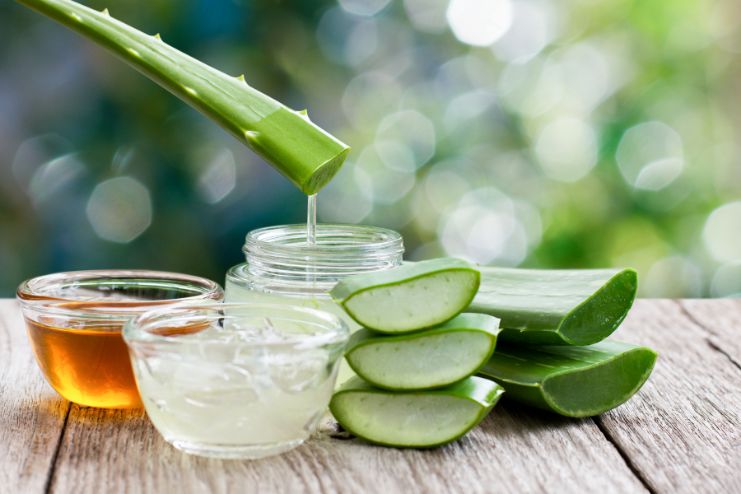
Aloe vera has proteolytic enzymes that heal and condition the scalp. It is anti-inflammatory, unclogs pores of hair follicles, and normalizes pH. Castor oil, which is rich in ricinoleic acid, enhances circulation on the scalp, feeds the follicles, and prevents microbial infections.
Recipe:
- Take 1 cup aloe vera gel and ½ cup castor oil.
- Mix and apply to hair and scalp.
- Cover with a shower cap.
- Leave on for 1-2 hours. Follow it up by washing with shampoo and conditioner.
2. Aloe Vera + Honey
Why it Works:
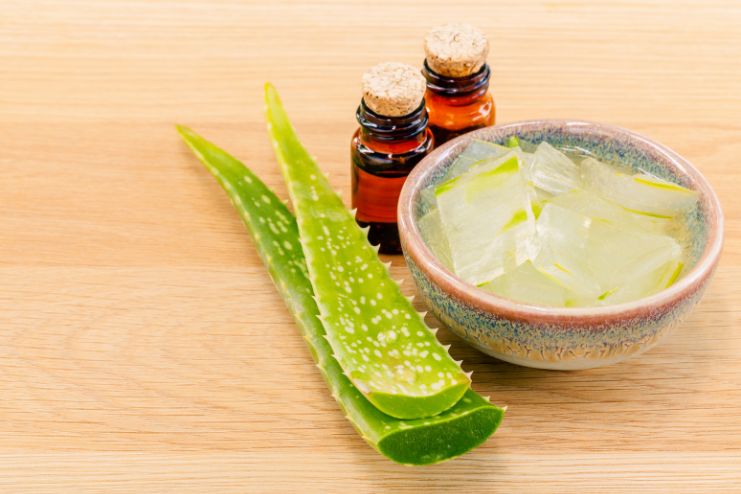
Honey has antimicrobial and humectant properties that lock in moisture and reduce dandruff. Aloe vera soothes irritation and strengthens follicles. Together, they moisturize the scalp, reduce inflammation, and condition hair from the roots.
Recipe:
- Combine equal parts aloe vera gel and raw honey
- Massage onto hair and scalp
- Cover for 25 minutes, then rinse and condition
3. Aloe Vera + Egg
Why it Works:
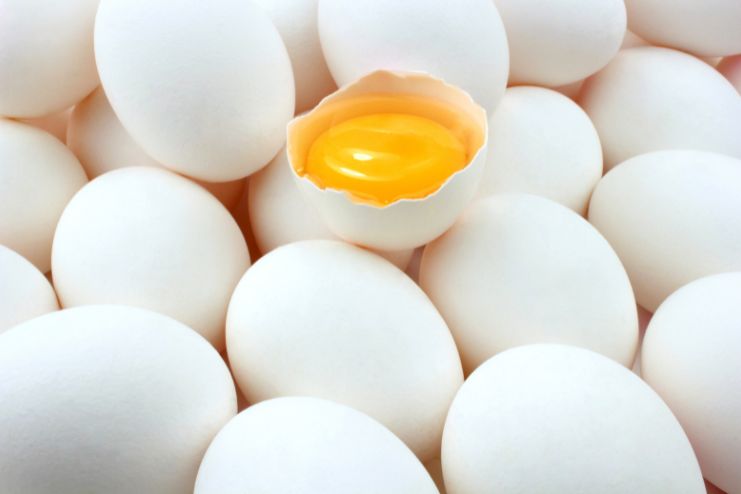
Eggs provide protein, biotin, sulfur, and lecithin—all essential for hair shaft strength and keratin synthesis. Aloe vera enhances nutrient absorption while conditioning the scalp. This combination deeply moisturizes brittle or damaged hair.
Recipe:
- Beat 1 egg with 2 tbsp aloe vera gel
- Apply to hair and scalp
- Leave on for 20-25 minutes
- Rinse with cold water and shampoo
4. Apple Cider Vinegar (ACV)
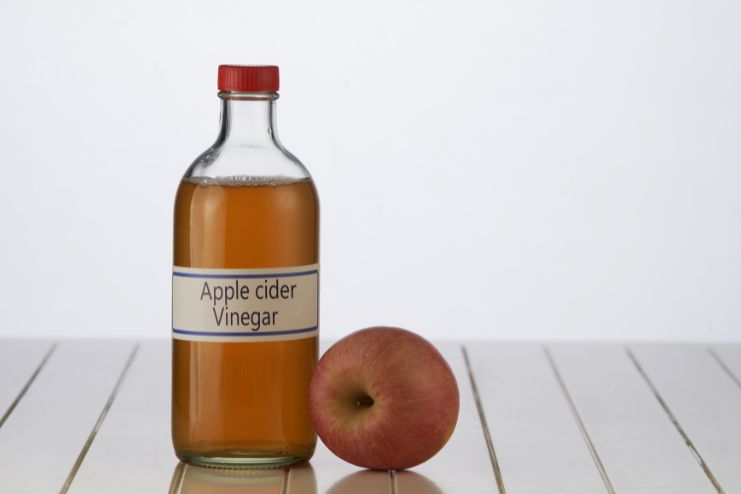
Why it Works:
ACV balances scalp pH, controls dandruff-causing fungi, and gently removes product buildup. It also conditions the scalp and opens follicles, creating a healthy environment for new growth.
Recipe:
- Mix 2-4 tbsp ACV with 1 cup water
- Pour over hair after shampooing
- Massage in and rinse after 2-3 minutes
5. Amla + Shikakai + Yogurt
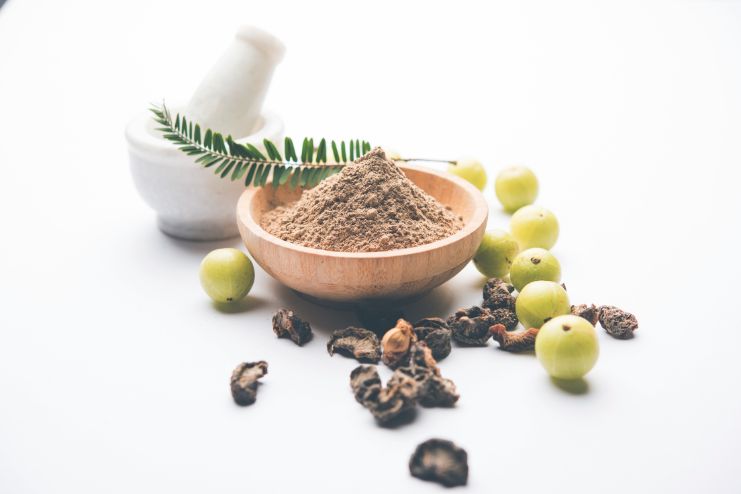
Why it Works:
Amla is rich in vitamin C and antioxidants that strengthen follicles and combat oxidative stress. Shikakai provides gentle cleansing, while yogurt conditions with probiotics and proteins. This combination improves hair thickness and reduces hair fall.
Recipe:
- Mix 1 cup yogurt, ½ cup shikakai powder, and ¼ cup amla powder
- Apply to scalp and leave for 20 minutes
- Add lime juice for extra conditioning on dry hair
6. Biotin Supplement

Why it Helps:
Biotin (vitamin B7) is essential for keratin synthesis, which maintains follicle strength. Deficiency can lead to brittle hair and breakage. Supplementation can promote regrowth in those with biotin deficiency.
Tip: Take 30-100 mcg daily. Consult a healthcare professional before starting any supplement regimen.
7. Baking Soda + ACV
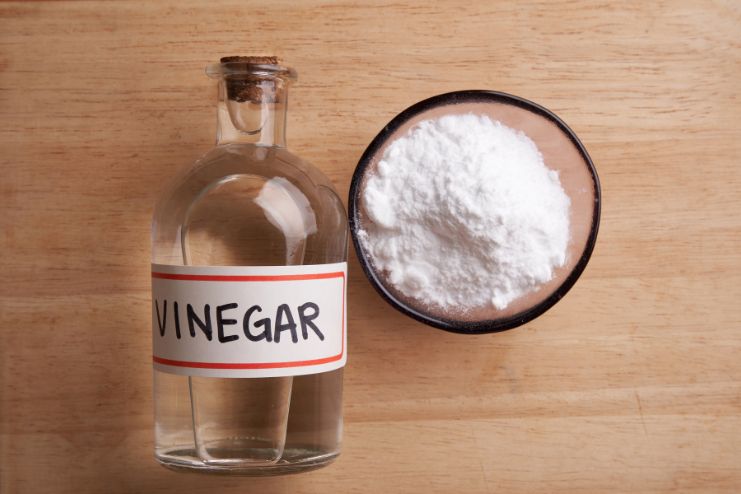
Why it Works:
Baking soda acts as a mild exfoliant, removing dead skin cells and product residue. ACV rebalances scalp pH after cleansing. This combination cleanses thoroughly while maintaining healthy follicle function.
Recipe:
- Mix 1 part baking soda with 3 parts water
- Apply to wet hair, massage gently, and rinse
- Follow with ACV rinse (1:4 vinegar to water ratio).
8. Banana + Avocado + Coconut Milk
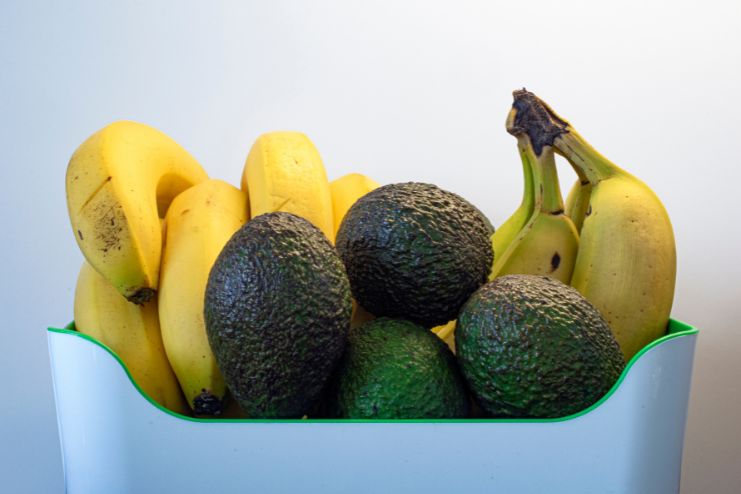
Why it Works:
Bananas contain silica, which strengthens hair strands. Avocados provide vitamin E and oleic acid for intensive scalp nourishment. Coconut milk adds protein and healthy fats to repair damage and enhance shine.
Recipe:
- Blend 1 banana, ½ avocado, and 3 tbsp coconut milk
- Apply to hair and leave for 20 minutes
- Rinse thoroughly
Read More: Signs of Hard Water Damage on Hair (And How to Fix It)
9. Beetroot + Ginger + Olive Oil
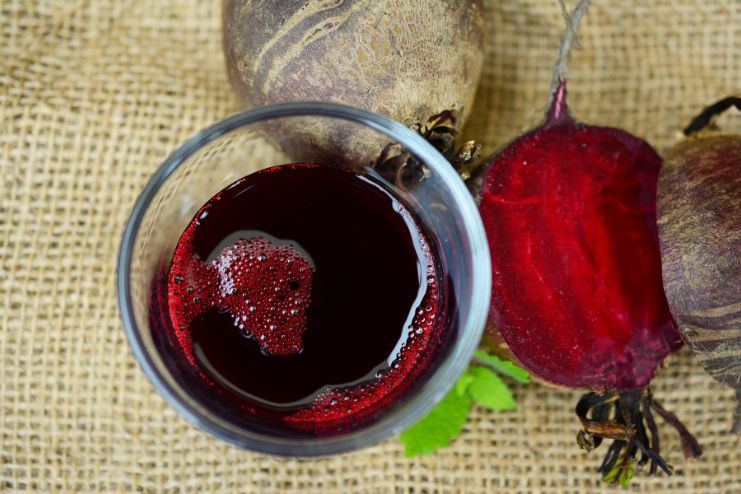
Why it Works:
Beetroot is rich in nitrates and iron, boosting blood flow to follicles. Ginger stimulates circulation and provides anti-inflammatory benefits. Olive oil moisturizes and delivers antioxidants to the scalp.
Recipe:
- Mix 2 tbsp beetroot juice, 1 tsp ginger juice, and 1 tbsp olive oil
- Massage onto scalp and leave for 20 minutes
- Rinse with cool water
10. Coconut Milk Scalp Massage
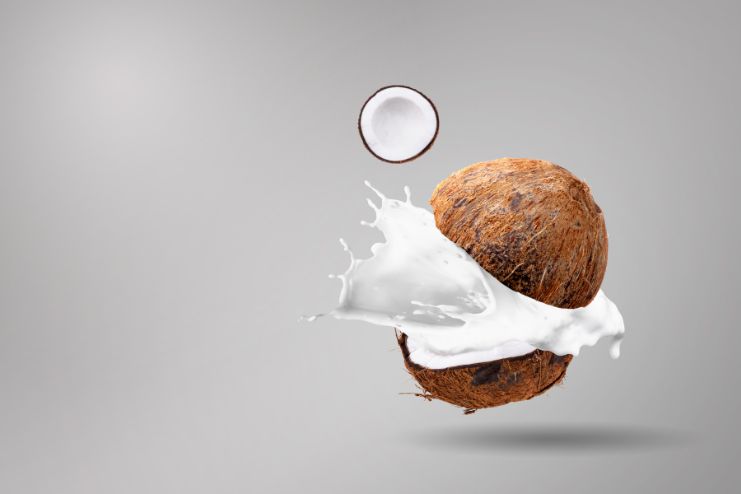
Why it Works:
Coconut milk‘s lauric acid binds to hair proteins, strengthening and hydrating from the roots. It also soothes dryness and promotes a healthier scalp microbiome.
Recipe:
- Warm 1 cup coconut milk
- Massage onto scalp for 5 minutes
- Wrap head in a warm towel and rinse after 30 minutes
11. Curry Leaves + Coconut Oil
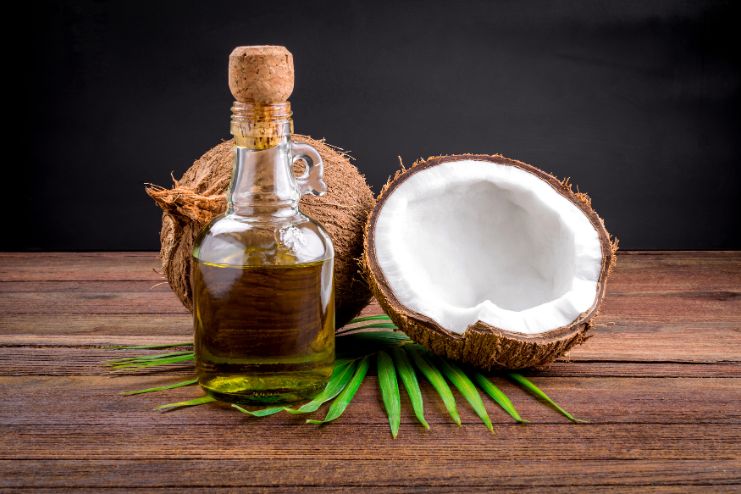
How it Works:
Curry leaves contain beta-carotene and proteins that prevent hair loss and stimulate growth. Their antioxidants protect follicles and encourage healthy development. Coconut oil penetrates deeply to moisturize and enhance nutrient delivery.
Recipe:
- Heat ½ cup coconut oil with a handful of curry leaves over low heat until leaves darken
- Cool, strain, and apply to scalp
- Leave for 20 minutes before washing
12. Cayenne Pepper + Olive Oil
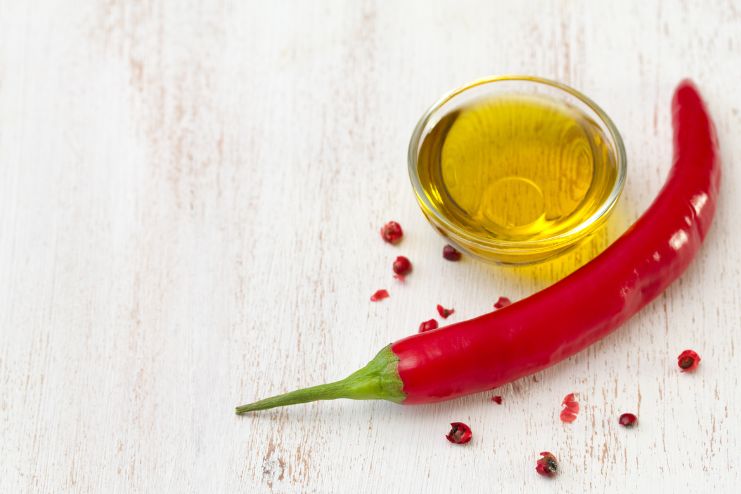
Why it Works:
Cayenne pepper contains capsaicin, which boosts blood flow to the scalp and activates follicles. It also has anti-inflammatory properties that can soothe scalp irritation. Olive oil provides hydration and reduces oxidative stress.
Recipe:
- Mix 1-2 tbsp cayenne pepper with 1 tbsp olive oil
- Apply to scalp and leave for 15 minutes
- Rinse thoroughly
13. Coffee Hair Mask or Rinse
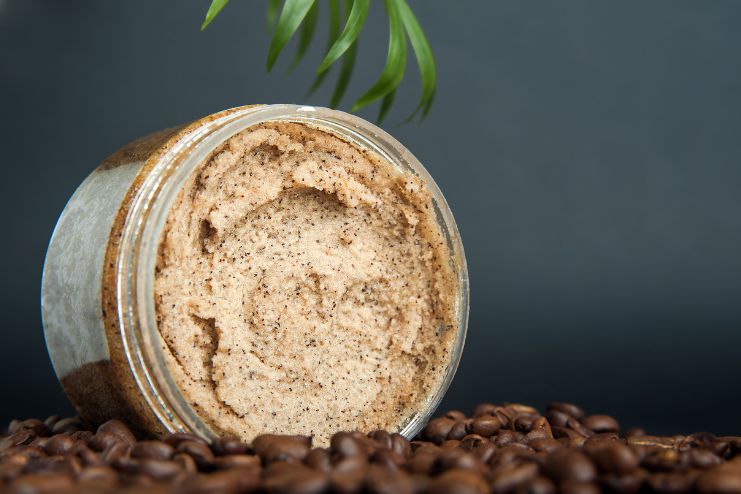
Why it Works:
Caffeine in coffee strengthens hair follicles and promotes the anagen (growth) cycle. It also conditions hair for smoother texture and shine while providing antioxidant benefits for scalp health.
Recipe:
- Mix 1 tbsp olive oil, 1 tbsp honey, and 2 tsp coffee grounds
- Apply and leave for 30 minutes
- Rinse well
14. Carrots
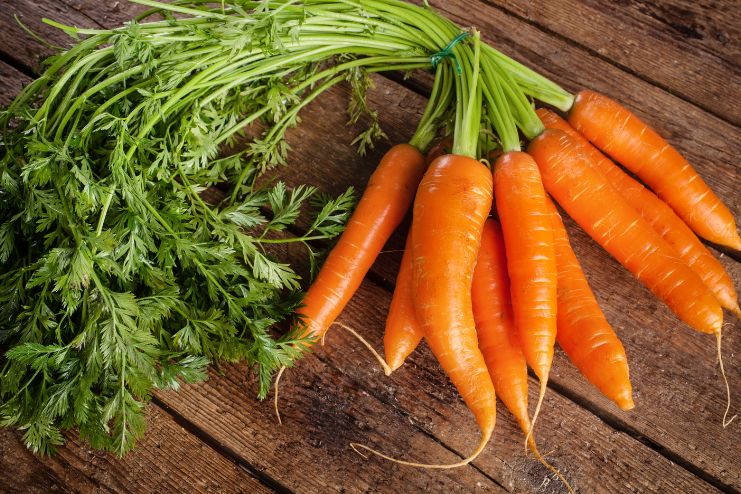
Why it Works:
Carrots contain vitamins A, C, E, and beta-carotene, which improve scalp circulation and prevent premature graying. Vitamin E enhances hair elasticity, while vitamin C boosts collagen production.
Recipe:
- Drink 3-4 oz fresh carrot juice daily
- Or consume raw, cooked, or blended in smoothies
15. Whole Eggs
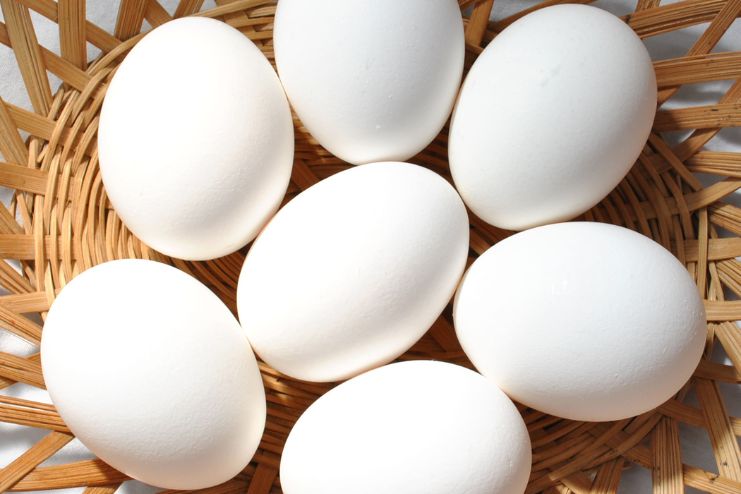
Why it helps:
Eggs provide all essential amino acids needed for keratin production, hair’s primary structural protein. They repair weak strands and reduce breakage. Egg yolks’ lecithin also hydrates dry hair.
Recipe:
- Apply one whole beaten egg to damp hair
- Leave for 15 minutes
- Rinse with cool water to prevent cooking
16. Folic Acid Supplement
Why it Helps:
Folic acid supports cell renewal in the scalp and maintains healthy follicle function. It also helps prevent premature thinning and graying by supporting red blood cell formation and oxygenation.
Tip: Take 400–800 mcg/day through food or supplements, as recommended by a healthcare provider.
17. Garlic Oil
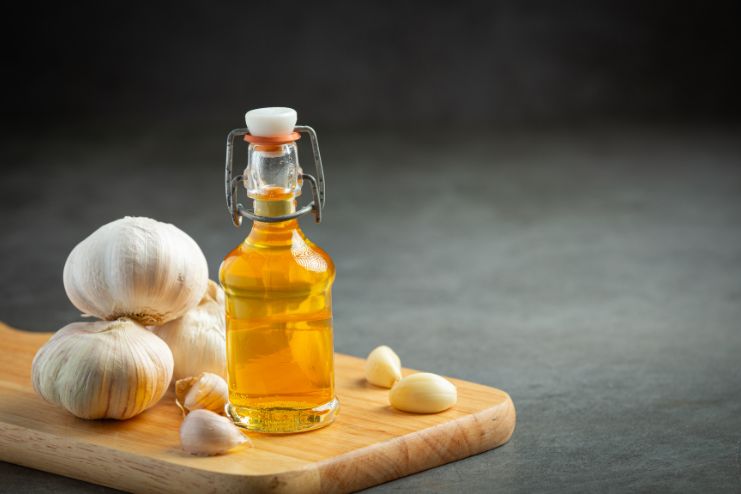
Why it Helps:
Garlic is rich in sulfur, selenium, and vitamin C—all vital for collagen and keratin synthesis. Its antifungal properties combat scalp infections that could inhibit growth while promoting circulation.
Recipe:
- Massage 1 tbsp garlic oil into scalp
- Leave for 20 minutes, then rinse thoroughly
18. Ginger Tea or Scalp Rub
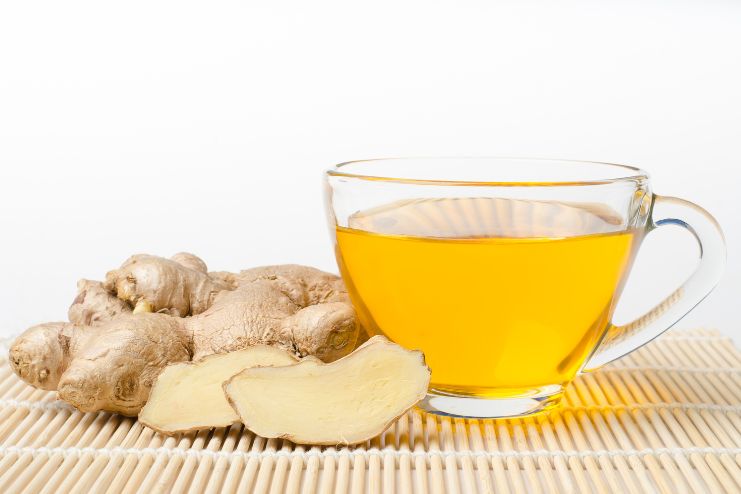
Why it Helps:
Ginger enhances microcirculation, delivering more oxygen and nutrients to follicles. Its anti-inflammatory compounds reduce scalp irritation, while fatty acids condition the scalp.
Recipe:
- Add fresh ginger slices to tea or meals
- Or apply fresh ginger juice to scalp for 15 minutes
Read More: 10 Best Biotin-Rich Supplements for Radiant Skin and Healthy Hair Growth
19. Green Tea Rinse
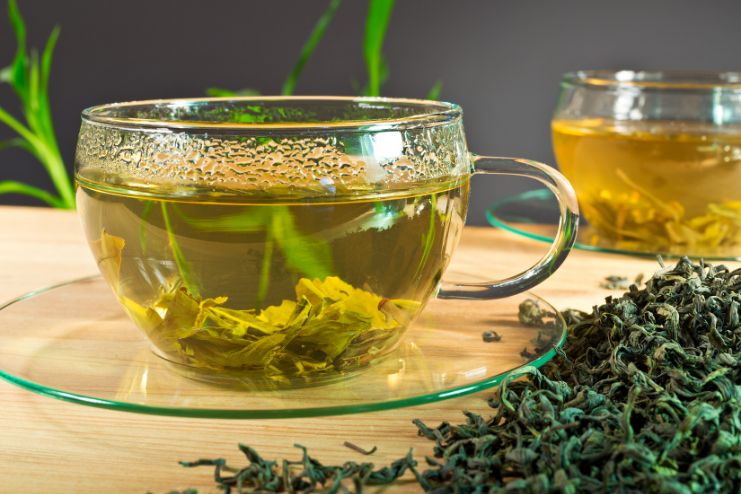
Why it Works:
Green tea contains polyphenols and catechins that may help inhibit DHT, a hormone linked to hair loss. It also reduces inflammation and protects follicles from oxidative damage.
Recipe:
- Steep and cool green tea
- Use as a hair rinse after shampooing
- Leave for 10 minutes before final rinse
20. Guava Leaf Rinse
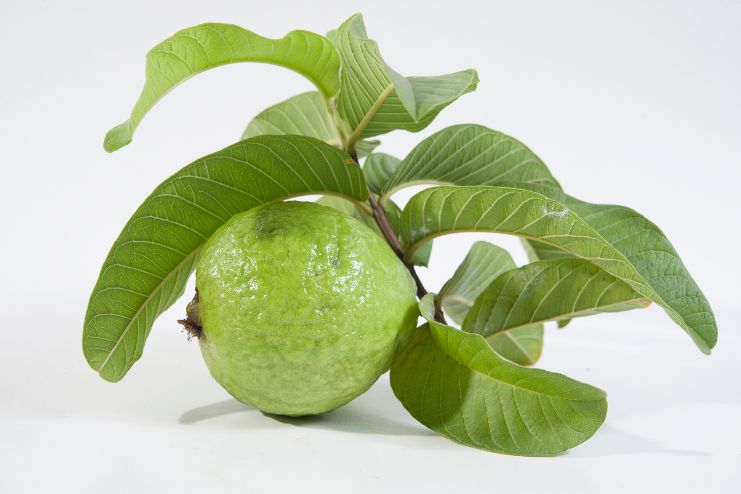
Why it Helps:
Guava leaves leaves are rich in vitamins B and C, which support collagen production and strengthen follicles. Their antimicrobial properties help maintain scalp health and balance.
Recipe:
- Boil guava leaves in 1 liter water for 20 minutes
- Cool, strain, and use as a rinse after washing
- Leave on for 2 hours, then rinse
21. Honey + Coconut Oil
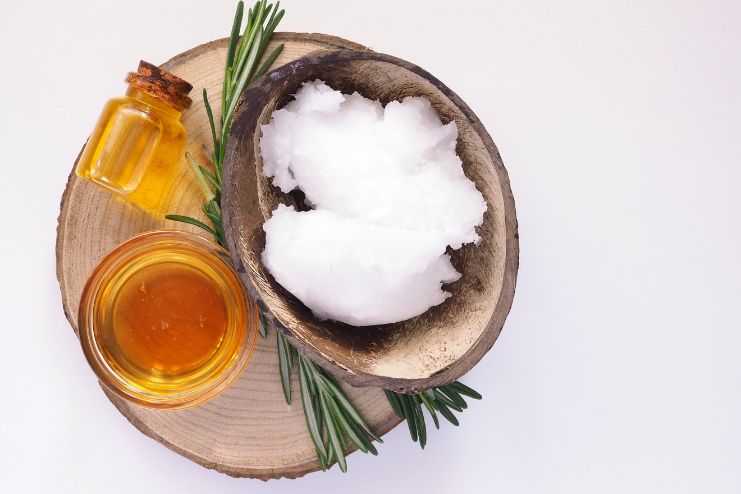
Why it Works:
Honey is a natural humectant that retains moisture, while coconut oil penetrates deeply to prevent protein loss. This combination strengthens hair strands, reduces breakage, and adds shine. Antibacterial properties also soothe irritated scalps.
Recipe:
- Mix 1 tsp raw honey with 2 tsp coconut oil
- Apply from roots to ends on damp hair
- Leave for 20 minutes, then shampoo thoroughly
22. Keratin Protein Treatments
Why it Works:
Hair is primarily made of keratin protein. Keratin treatments help fill in gaps in damaged hair cuticles, smooth frizz, and reduce breakage, resulting in stronger, more manageable hair.
Tip: Use salon or at-home protein masks according to your hair’s needs—typically once or twice monthly.
23. Lemon Juice Massage
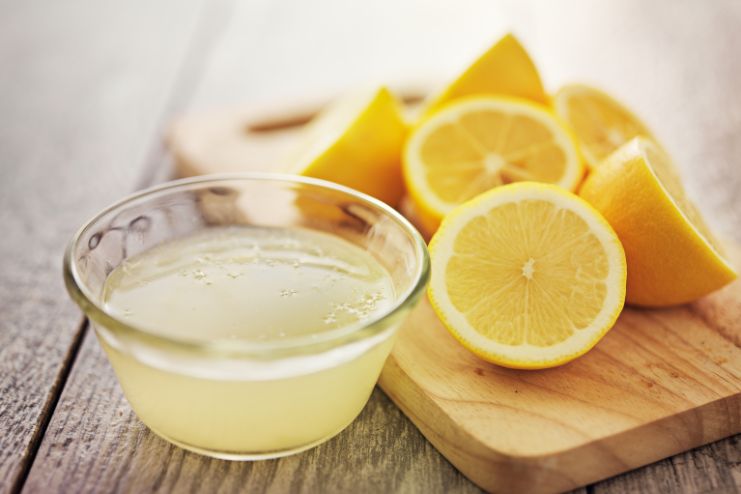
Why it Works:
Lemon juice is high in vitamin C, which stimulates collagen production and strengthens follicles. Its citric acid content cleanses excess oil and unclogs follicles, removing dandruff and buildup that can impede growth.
Recipe:
- Massage fresh lemon juice into scalp for 5 minutes
- Leave for another 10 minutes
- Shampoo and condition as usual
24. Milk (as a drink)
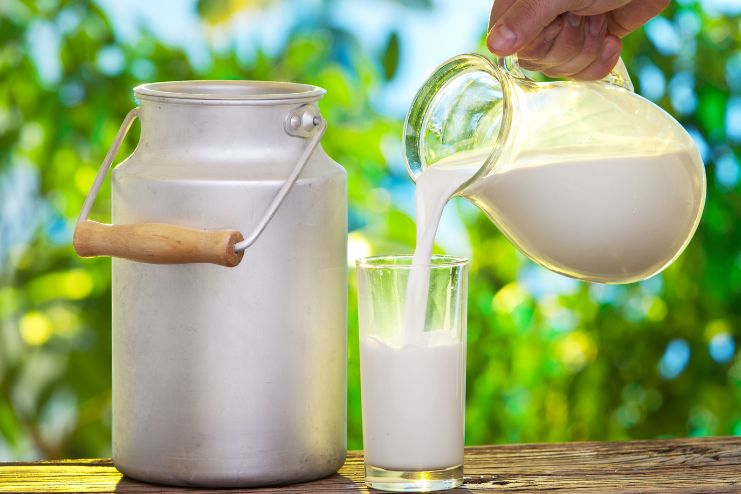
Why it Helps:
Milk contains proteins like casein and whey, plus B vitamins, calcium, and other nutrients essential for hair strength. Regular consumption helps fortify hair from within and improve texture.
Tip: Drink 1 glass of milk daily or include yogurt and cheese in your diet.
25. Onion Juice Rinse
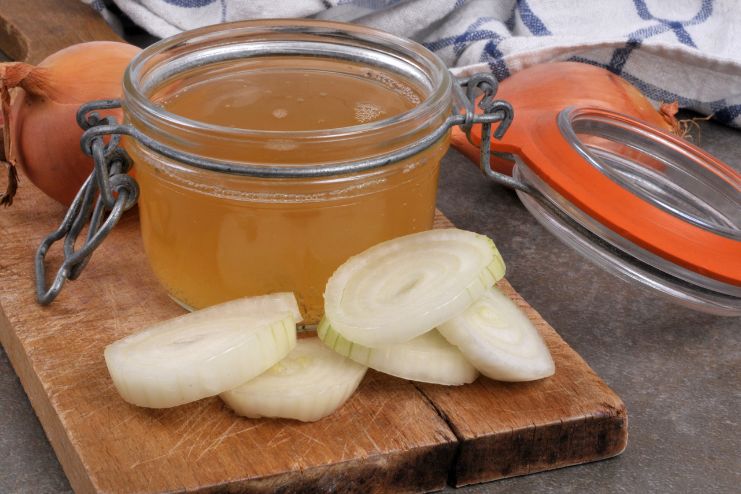
Why it Works:
Onion juice is rich in sulfur, which stimulates follicle regeneration and improves circulation. Some studies suggest it may help with hair regrowth, particularly in cases of alopecia areata.
Recipe:
- Apply fresh onion juice to scalp
- Leave for 15-20 minutes
- Wash with gentle shampoo to remove odor
26. Rice Water Rinse
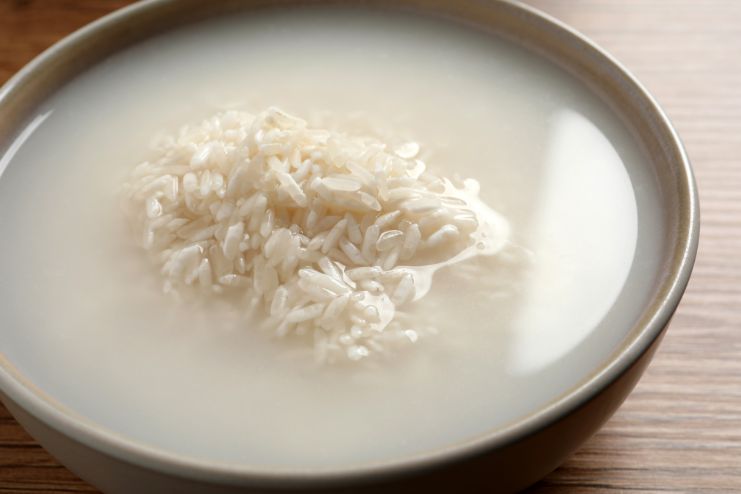
Why it Works:
Rice water contains inositol, which strengthens hair shafts, improves elasticity, and reduces surface friction. It helps repair damaged hair and adds volume.
Recipe:
- Save water from boiled rice and let it cool
- Add a few drops of rosemary or lavender oil
- Apply to hair after shampooing and rinse after 20 minutes
27. Turmeric + Olive Oil
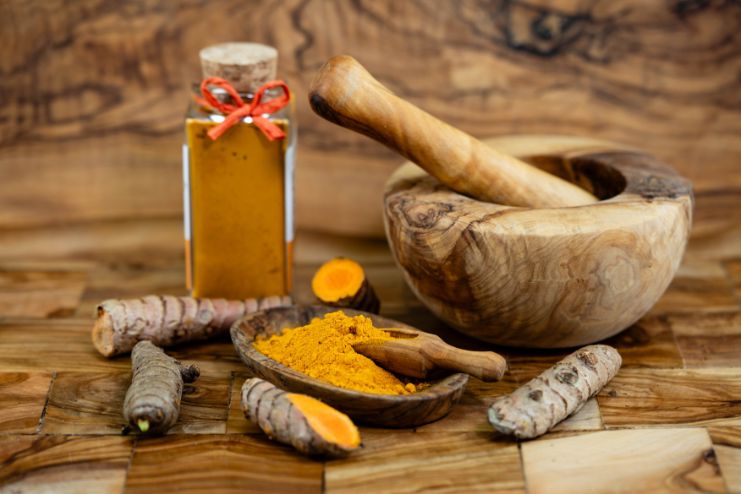
Why it Works:
Turmeric contains curcumin, which has powerful anti-inflammatory and antioxidant properties. It soothes scalp inflammation and may reduce hair loss caused by autoimmune or stress-related factors. Olive oil enhances absorption.
Recipe:
- Mix equal parts turmeric powder and olive oil
- Apply to scalp and leave for 15 minutes
- Shampoo thoroughly (turmeric can stain)
28. Tulsi (Holy Basil) Treatment
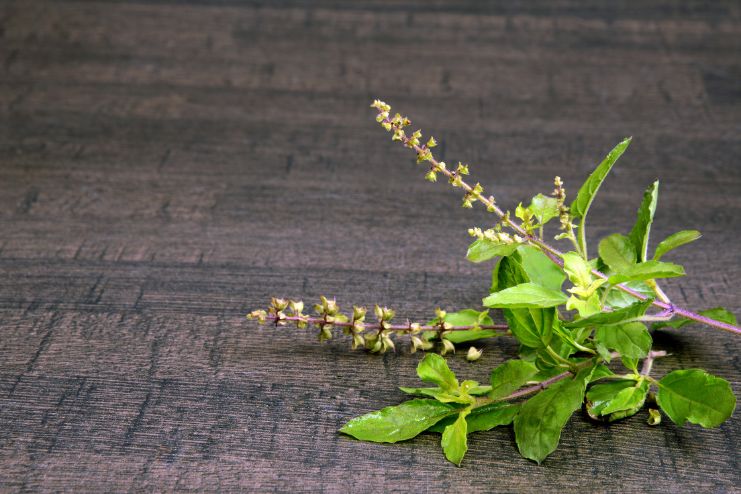
Why it Works:
Tulsi improves scalp circulation, reduces itching, and fights microbes that cause dandruff. Its adaptogenic properties also help manage stress, a major contributor to hair loss.
Recipe:
- Blend fresh tulsi leaves with a little water to make a paste
- Apply to roots and scalp
- Leave for 20 minutes before rinsing
29. Mustard Powder + Onion
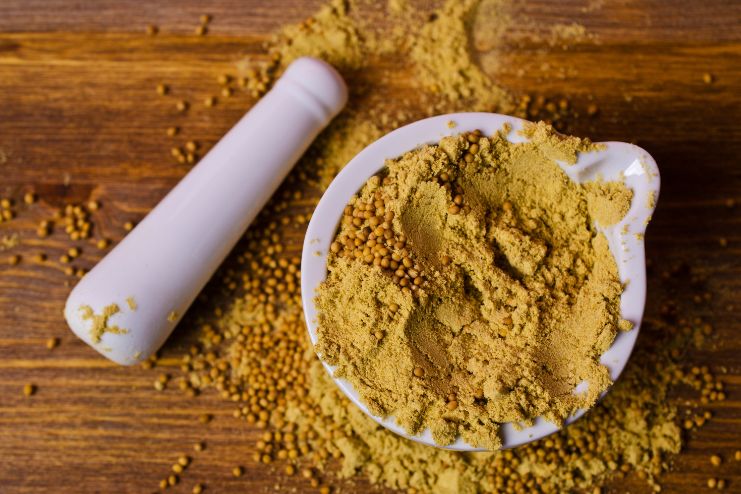
How it Helps:
Mustard stimulates scalp circulation and helps remove sebum buildup. Onion provides sulfur and enzymes that support regrowth. Together, they unclog pores and deliver nutrients to follicles.
Recipe:
- Mix mustard powder with warm water and grated onion
- Apply paste to scalp and leave for 20 minutes
- Rinse thoroughly
30. Henna + Gingili Oil
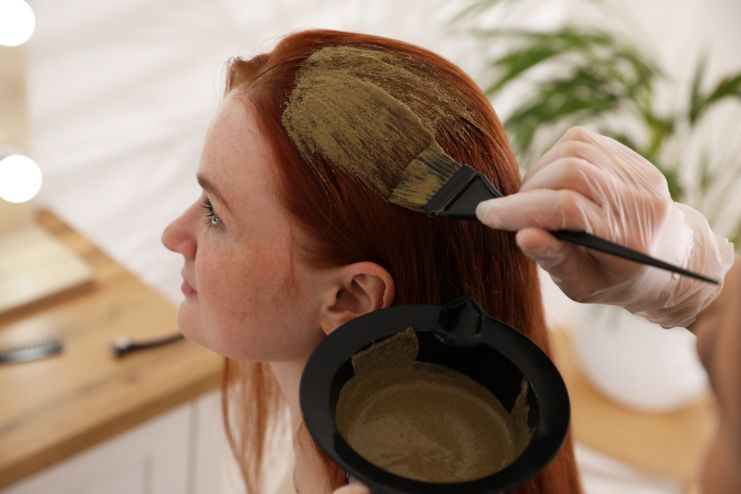
Why it Works:
Henna creates a protective coating on hair, adds thickness, and soothes irritated scalp. Sesame oil provides deep moisturization and hydration, adding shine and health.
Recipe:
- Heat 250ml sesame oil and add 5 tbsp henna powder
- Simmer for 5 minutes, then cool
- Use 2-3 times per week
31. Fenugreek + Coconut Oil
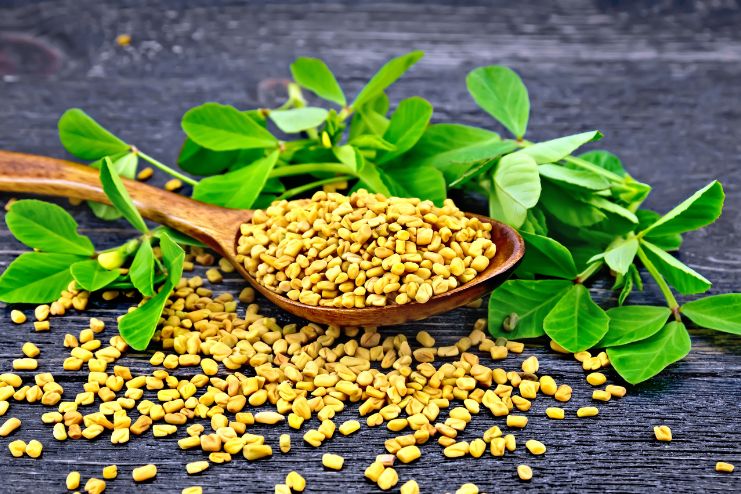
Why it Works:
Fenugreek is rich in protein and nicotinic acid, which help rebuild hair shafts and reduce shedding. It contains hormone-like compounds that may stimulate growth. Coconut oil enhances absorption and provides hydration.
Recipe:
- Soak 1 tbsp fenugreek seeds in 1 cup coconut oil for 3 weeks
- Strain and massage oil into scalp regularly
32. Chia Seeds Hair Mask
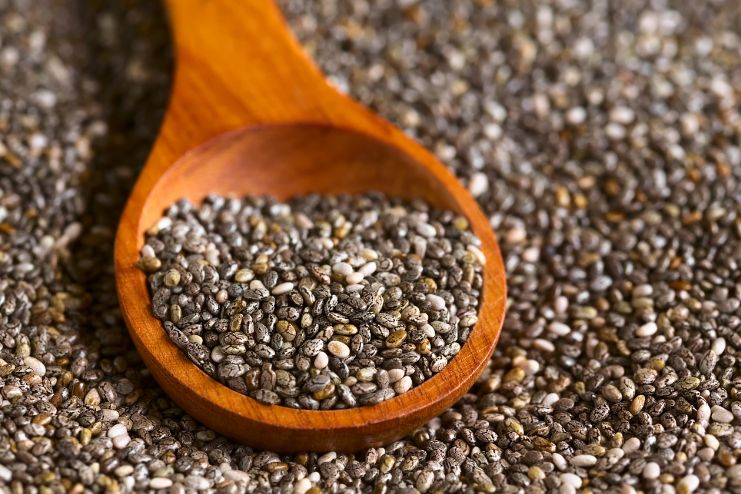
Why it Helps:
Chia seeds provide plant-based protein and omega-3 fatty acids that nourish follicles and combat dryness. They help restore elasticity and shine to damaged hair.
Recipe:
- Mix soaked chia seeds with coconut or almond milk and lemon juice
- Apply to hair and leave for 15 minutes
- Rinse thoroughly
33. Cumin Seed Oil
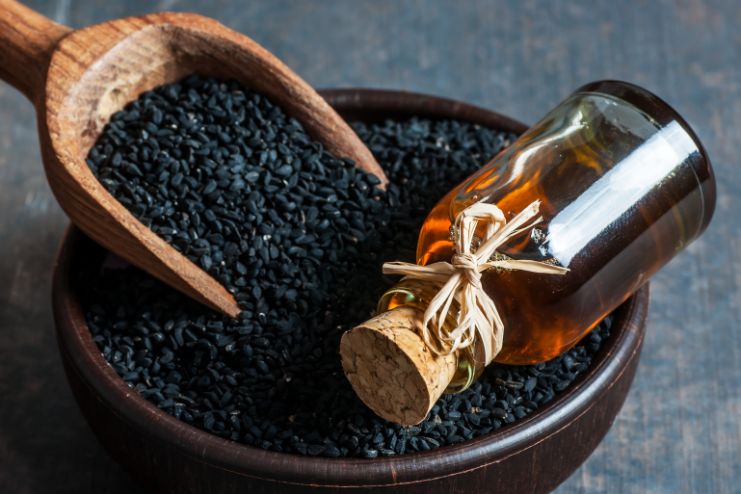
Why it Helps:
Black cumin seeds are rich in antioxidants and linoleic acid, which help nourish thinning hair and soothe scalp inflammation. Regular use may reduce hair fall and increase volume.
Recipe:
- Mix black cumin oil with olive oil in equal parts
- Massage into scalp after shampooing
- Or take as a supplement (consult healthcare provider first)
34. Yogurt Hair Mask
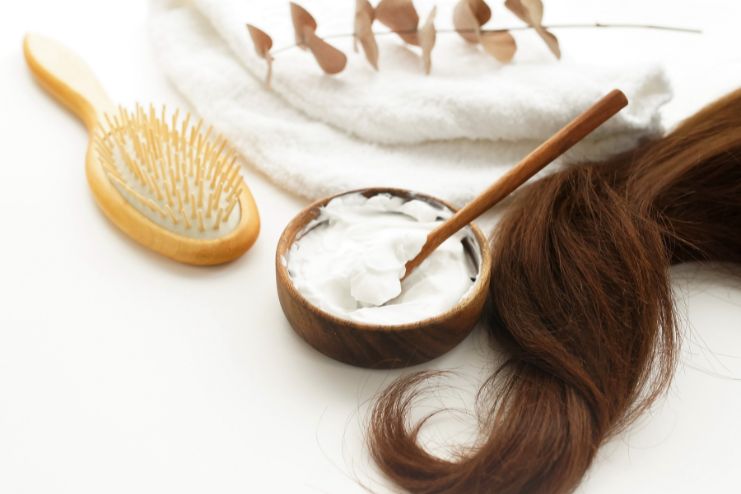
Why it Works:
Yogurt contains proteins and lactic acid that cleanse the scalp, remove buildup, and deeply condition hair. It’s particularly effective for dandruff and breakage.
Recipe:
- Apply plain yogurt to hair and scalp for 30 minutes
- Add lemon juice for dandruff or oil for extra moisture
- Rinse with cool water
35. Bee Pollen
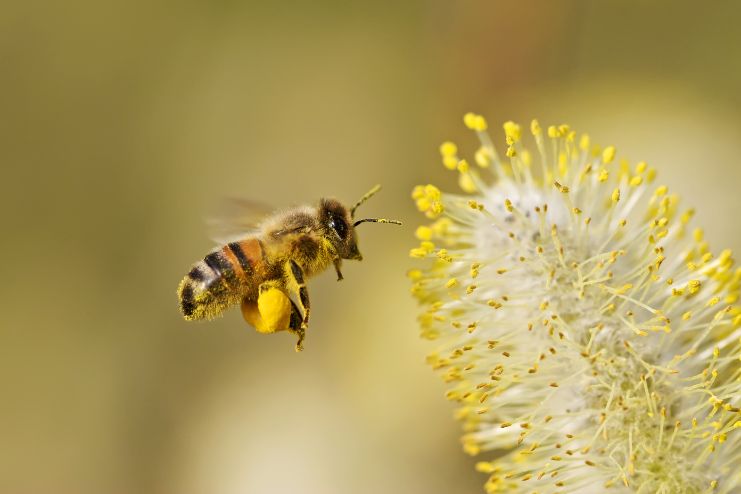
Why it Works:
Bee pollen contains amino acids (including L-cysteine), vitamins, and antioxidants that protect follicles from oxidative stress. While research is limited, it may support stronger hair and better density.
Tip: Take as capsules or granules according to package directions.
36. Hibiscus + Coconut Oil
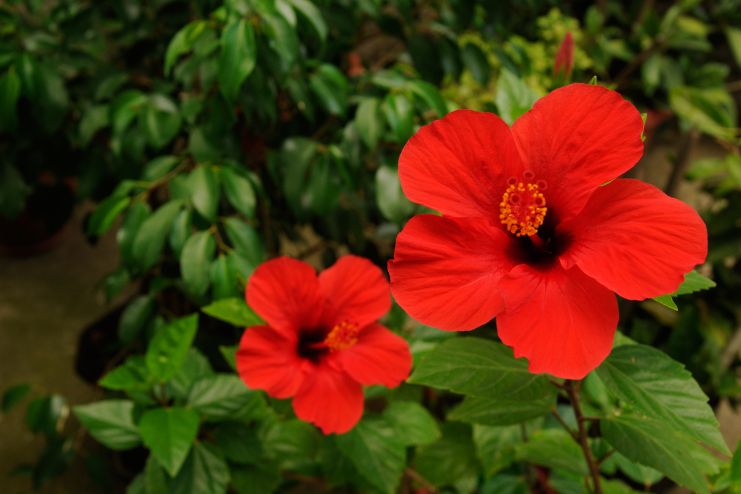
Why it Helps:
Hibiscus flowers contain amino acids that strengthen roots, add volume, and reduce hair fall. High vitamin C content boosts collagen production, while coconut oil enhances nutrient delivery.
Recipe:
- Blend hibiscus flowers and leaves into a paste
- Heat with coconut oil, then cool
- Massage into scalp 3 times per week
37. Flaxseed Gel
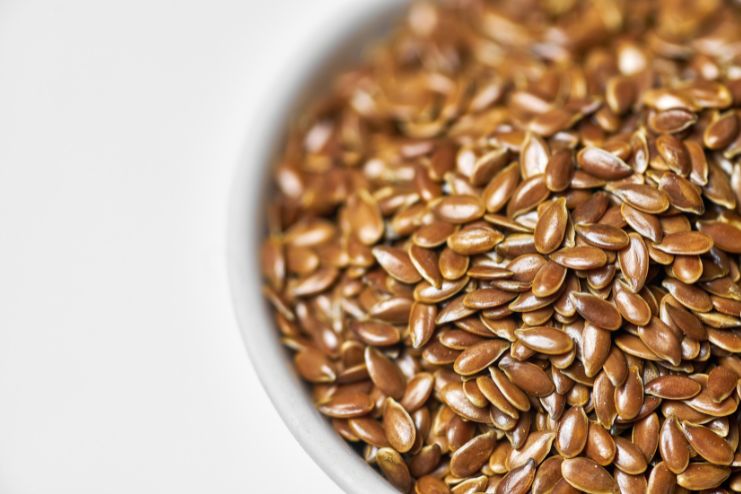
How it Works:
Flaxseeds Flaxseeds contain omega-3 fatty acids and vitamin E that nourish follicles and improve elasticity. The gel forms a protective barrier that locks in moisture, while anti-inflammatory properties promote scalp health.
Recipe:
- Boil 2 tbsp whole flaxseeds in 1 cup water until gel forms
- Strain, cool, and apply to scalp and hair
- Rinse after 30 minutes
38. Argan Oil
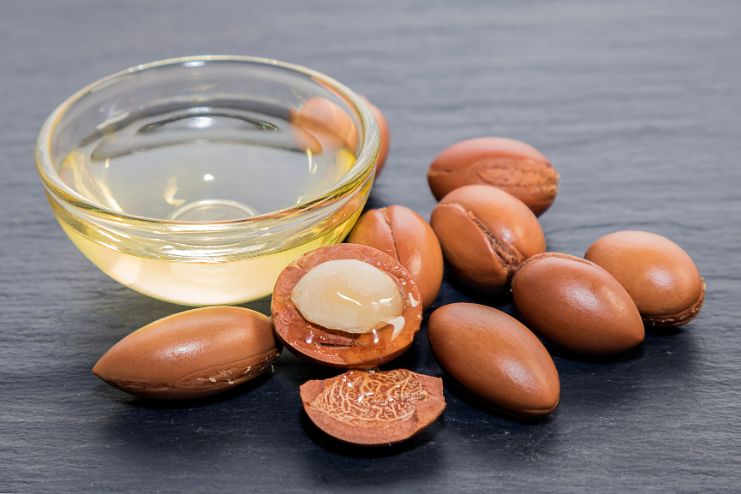
Why it Works:
Known as “liquid gold,” argan oil is packed with vitamin E, antioxidants, and essential fatty acids. It nourishes hair to reduce breakage and smooth frizz while improving scalp moisture.
Tip: Use a few drops as a leave-in treatment or for warm oil scalp massage.
39. Ghee Hair Mask
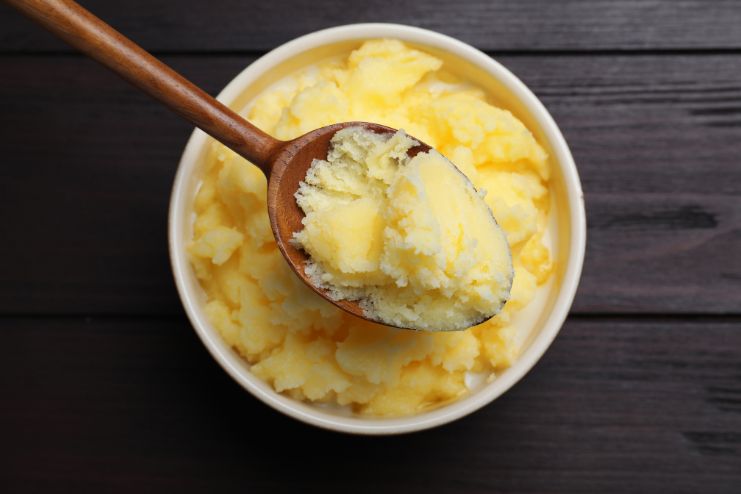
Why it Works:
Ghee contains saturated fats, vitamin A, and butyric acid that penetrate deeply into dry, damaged hair. It may improve scalp circulation and reduce breakage due to its emollient properties.
Recipe:
- Warm 2 tbsp ghee and apply to scalp and hair
- Leave for 30-45 minutes, then wash thoroughly
40. Rose Water Rinse
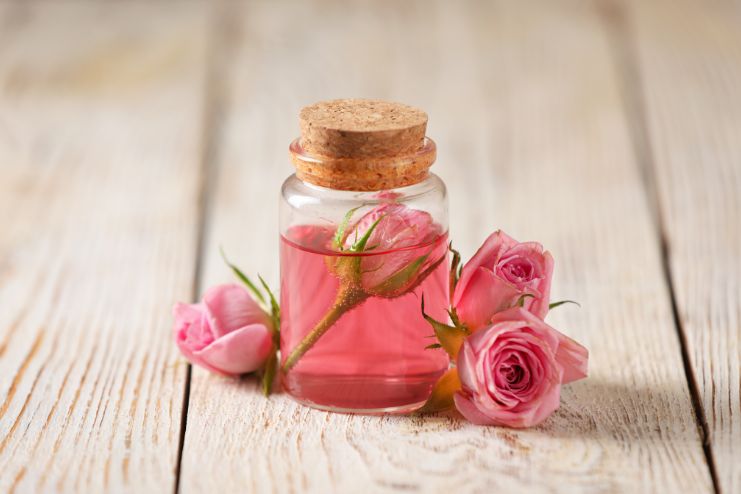
Why it Works:
Rose water is a gentle astringent that balances scalp pH and reduces irritation. It may help with dandruff and inflammation while adding a pleasant fragrance.
Tip: Spray or rinse hair with rose water after shampooing. Can be left in.
41. Horsetail Extract
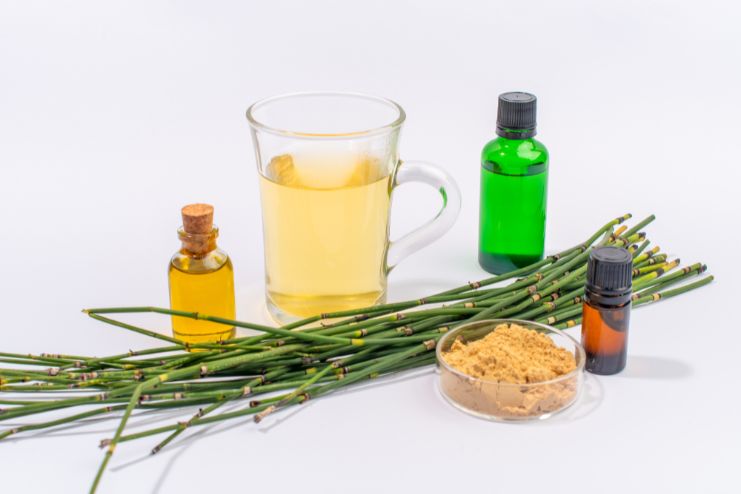
How it Works:
Horsetail contains silica and antioxidants that may strengthen hair strands and reduce shedding. Some supplements include horsetail for hair health, though more research is needed.
Tip: Take as a supplement or tea only after consulting with a healthcare provider.
42. Licorice Root Paste
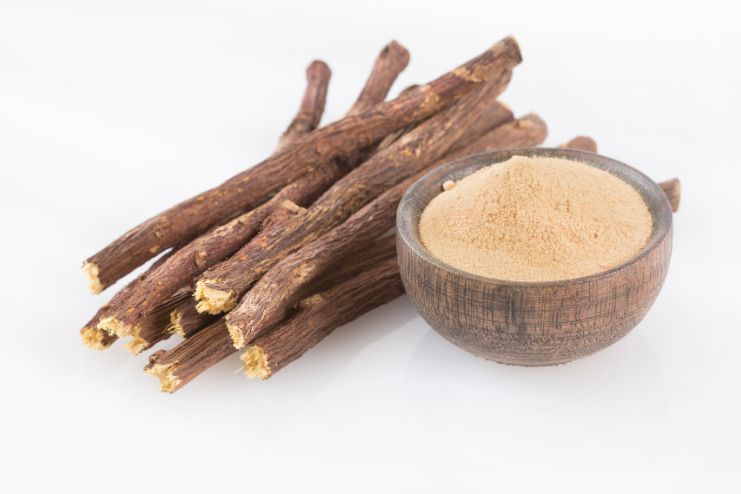
Why it Works:
Licorice root may help open pores and soothe scalp irritation, reducing dandruff and inflammation. It’s used traditionally in Ayurvedic medicine for hair health, though scientific evidence is limited.
Recipe:
- Mix licorice root powder with milk and a pinch of saffron
- Apply to scalp and leave overnight
- Wash off in the morning
43. Clove Oil
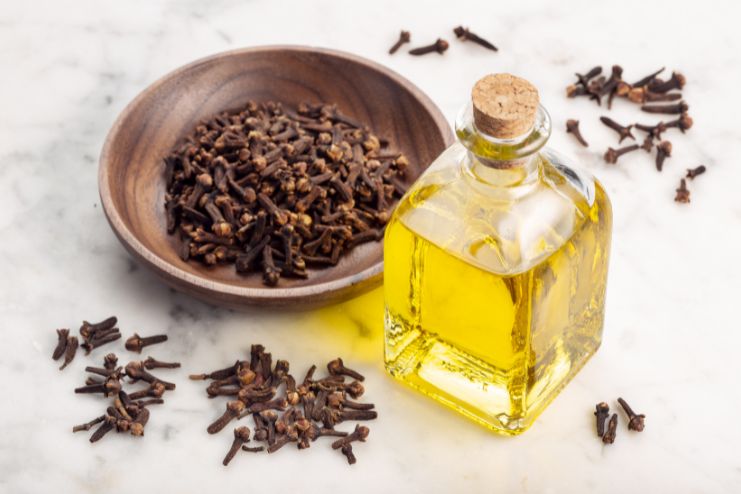
Why it Works:
Clove oil has antifungal properties and may improve circulation when massaged into the scalp. Some traditional systems suggest it stimulates follicles, though clinical evidence is limited.
Tip: Always dilute clove oil with a carrier oil before use. Massage into scalp once weekly.
44. Blackstrap Molasses (as a tonic)
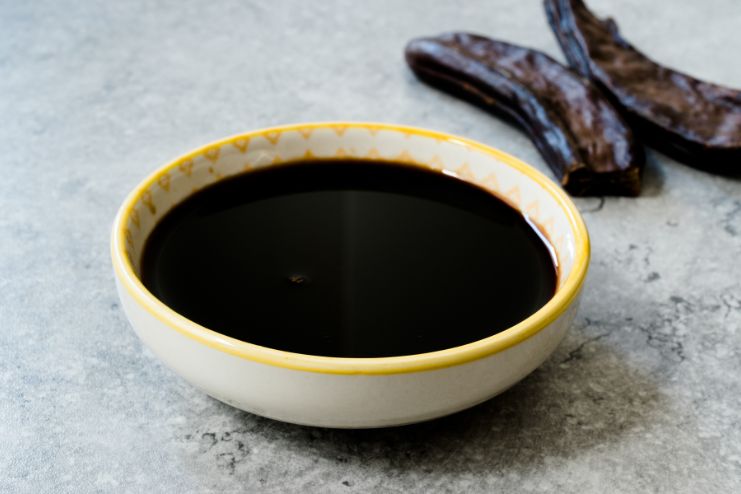
Why it Works:
Blackstrap molasses contains iron, calcium, and B vitamins. Traditional use suggests it may help with hair health and reducing gray hair, though scientific evidence is limited.
Tip: Take 1 tbsp daily in warm water or smoothies.
45. Saw Palmetto Supplement
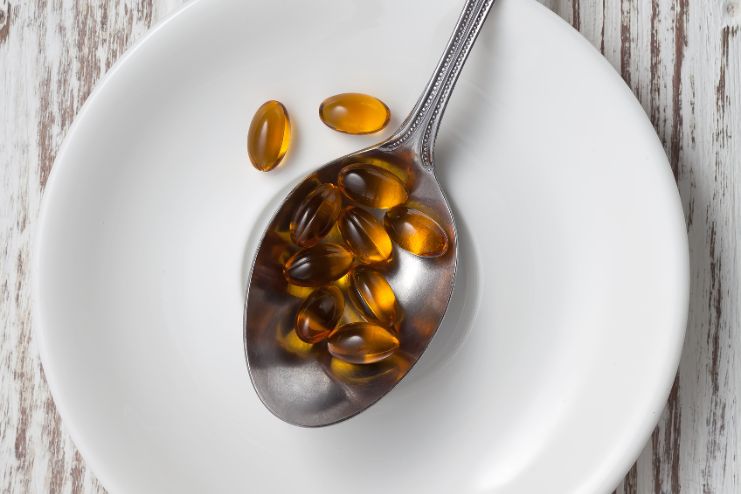
Why it Works: Saw palmetto may help block DHT, the hormone associated with pattern baldness. Some small studies show promise, particularly for men, but more research is needed.
Tip: Take in capsule form only after consulting with a healthcare provider.
Do Breathing Exercises Like Yoga Help Hair Growth?

Yes, indirectly. Yoga poses such as Kapalbhati and Anulom Vilom, along with breathing exercises, can help decrease cortisol (stress hormone), which is a well-known hair loss contributing factor. They also promote the flow of blood towards the scalp and increase the supply of oxygen to hair follicles.
Yoga will not, on its own, cause hair growth, but it makes the internal climate healthier for hair growth to occur and eliminates hormonal disturbances that could contribute to shedding.
Best Practices:
- Practice daily for 10–15 minutes.
- Combine with topical treatments and proper nutrition.
Conclusion
Hair growth isn’t a quick fix—it requires consistency, nourishment, and patience. Natural remedies can help restore vitality to your scalp, strengthen existing hair, and address root causes like inflammation, buildup, or nutrient deficiencies. Start with 1-2 remedies that suit your hair type and needs, then gradually incorporate others as desired.
Remember that healthy hair reflects overall wellness. Prioritize adequate sleep, proper hydration, a protein and vitamin-rich diet, and stress management. Choose your remedies wisely, stay consistent, and give your hair time to respond naturally.
Important Note: While these remedies are generally safe, always patch test new treatments and consult with a healthcare provider if you have underlying health conditions or are taking medications. If you experience severe hair loss, consider consulting a dermatologist or trichologist for professional evaluation.
References
- https://www.clinikally.com/blogs/news/aloe-vera-benefits-for-skin-and-hair
- https://www.stbotanica.com/blog/benefits-of-honey-on-hair
- https://wimpoleclinic.com/blog/egg-for-hair-growth/
- https://timesofindia.indiatimes.com/life-style/beauty/5-ways-to-use-apple-cider-vinegar-for-dandruff-issues/photostory/119592292.cms
- https://www.naturemade.com/blogs/health-articles/how-much-biotin-should-i-take
- https://www.eyeflorida.com/blogtest/regular-biotin-injections-for-hair-health?
- https://www.thebodyshop.in/tips-and-advice/haircare/banana-magic-8-benefits-for-glowing-skin-and-luscious-hair/e/e251224
- https://drvegan.com/pages/cayenne-pepper-extract-capsicum-annuum
- https://cityskinclinic.com/caffeine-hair-benefits/
- https://ods.od.nih.gov/factsheets/Folate-HealthProfessional/
- https://www.revieraoverseas.com/knowledge-center/keratin-protein-hair-care/
- https://www.pantene.in/en-in/hair-fall-problems-and-hair-care-solutions/benefits-of-milk-for-hair
- https://pmc.ncbi.nlm.nih.gov/articles/PMC10111629/
- https://opendermatologyjournal.com/VOLUME/14/PAGE/22/FULLTEXT/
In this Article