












The average cold lasts seven to ten days. Sneezing, sniffling, and a stuffy nose are some of the symptoms of a cold that can make you feel very unpleasant. Many people desire to take medication to help them recover from a cold more quickly.
Using supplements and over-the-counter (OTC) drugs gives some relief. Zinc supplements are a component of some people’s cold treatment regimen. Zinc is one supplement that has drawn interest for its potential to reduce the length of a cold.
According to studies, zinc can help alleviate your symptoms and accelerate your recovery. As a result, people seeking natural ways to boost their immunity often search for terms like “zinc for cold and flu” and “zinc immune system benefits.” Does it, however, actually work? Before taking zinc for colds, be aware of the following.
Read More: 15 Easy Yet Effective Cold and Flu Remedies
How Zinc Supports Immunity Against Colds and Flu
Your body’s cells contain zinc, a vital nutrient. You can find it in numerous foods, and it is also available in various supplement forms.
Because zinc is a trace mineral, your body needs very little of it to remain healthy. The majority of Americans consume enough amounts of zinc each day. You require a tiny but consistent amount of zinc because your body is unable to store it.
Among other things, your immune system depends on zinc for optimal operation. Supplementing with zinc may shorten the duration of your cold symptoms, but not their intensity, according to the National Institutes of Health.
Indeed, several studies have demonstrated that zinc, especially in the form of zinc acetate, can shorten the duration of illness by preventing rhinovirus, one of the most prevalent viruses that cause the common cold, from replicating.
“The majority of Americans obtain adequate zinc from their diet and do not require daily supplements,” says Vijaya Surampudi, MD, an internal medicine professor at UCLA Health. However, she notes that under a doctor’s supervision, some people might benefit from taking zinc supplements.
The U.S. Recommended Dietary Allowance (RDA) for zinc varies slightly for individuals aged 19 and up.
- An adult man requires 11 mg.
- An adult woman needs 8 mg.
- Women who are pregnant may require at least 11 mg.
- Women who are nursing require at least 12 mg.
What Does the Evidence Say? Zinc’s Benefits for Cold and Flu

For the past forty years, scientists have studied how zinc can help to prevent and treat the common cold.
The 1984 study on this subject discovered that large doses of zinc could reduce the length of the common cold by approximately seven days. Zinc has statistically substantial advantages against the common cold, although the results have been less positive since then.
There were 5,446 participants in 28 randomized controlled trials in the most thorough analysis of data to date. The study discovered zinc in comparison to a placebo:
- Cut down the typical duration of cold symptoms by approximately two days.
- Considerably lessened the intensity of cold symptoms.
- The intervention prevented five respiratory tract infections per 100 person-months.
It is unclear exactly how zinc can combat a common cold. However, experts have observed that zinc ions inhibit the replication of common viruses.
Prevents Colds: Before symptoms appear, cold viruses multiply at their fastest rate. Studies have demonstrated that taking zinc throughout the cold season can help avoid up to 11% of colds.
Shortens Colds: The virus keeps multiplying for several days even after the symptoms show up. It could be the reason why taking zinc at the onset of a cold can speed up its healing by three times.
Reduces Cold Symptoms: Viral load correlates with the intensity of symptoms. Less severe symptoms result from a decreased viral load caused by inhibited viral replication.
Read More: What are the Differences between Cold and Flu
How and When to Take Zinc for Maximum Benefit
When fighting a cold, timing is crucial for maximizing the benefits of zinc. According to studies, zinc is most effective when taken as soon as possible after cold symptoms appear, preferably within the first 24 hours.
Zinc might start easing the intensity of cold symptoms by the third day. It’s unclear exactly how much zinc is needed to help prevent freezing and flu. Adult males should consume 11 mg of zinc per day, while adult women should consume 8 mg. However, healthcare providers treat colds with greater doses.
Zinc intake should be between 75 and 100 mg, spread out over several meals throughout the day. The ideal range is between 80 and 92 mg. There are no further advantages to taking more than 100 mg of zinc daily.
- Cold-Eeze: A daily intake of up to six zinc lozenges, each containing 13.3 mg, amounts to a total of 80 mg per day.
- Nature’s Way: A total of 138 mg of zinc per day can be taken by using up to six lozenges, each containing 23 mg.
- Quantum Health: A daily dose of 84 mg of zinc can be reached by taking as many as 12 lozenges, each with 7 mg of zinc.
Foods Rich in Zinc vs. Supplements
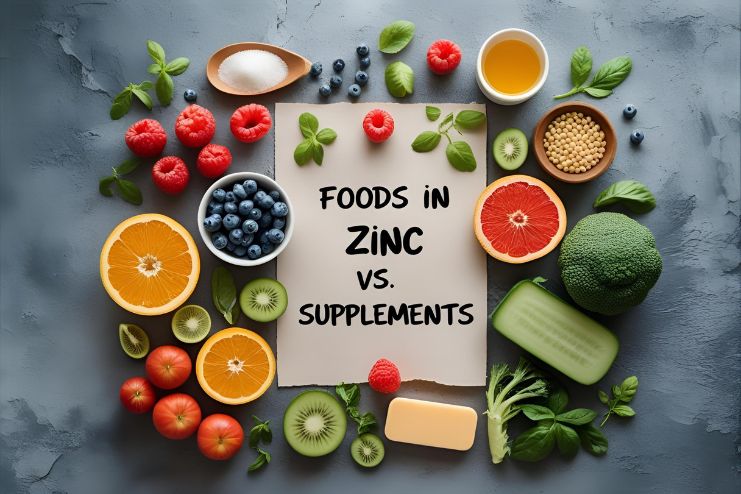
Because zinc naturally occurs in many nutrient-rich foods, it is easy to obtain the necessary daily amount through diet.
Top Zinc-Rich Foods
Varying your zinc source can help maintain healthy zinc levels naturally and successfully. The highest zinc foods suitable for a range of diets that are both vegetarian and not.
Eggs: Eggs rank among the most convenient and simple foods for zinc. Eggs contain high-quality protein, necessary fat, vitamins B12, D, and choline, and 0.53 mg of zinc per large egg. Enjoy eggs for a nutrient-dense, satiating, and muscle-building meal.
Oysters: Oysters are one of the most zinc-rich foods, as they contain a high concentration of zinc. 33 mg of zinc in six oysters is more than what many need daily.
Chickpeas: They are also known as garbanzo beans, a vegetarian source of zinc. A cooked cup of chickpeas provides 1.5 mg of protein, fiber, zinc, and complex carbohydrates to help regulate blood sugar levels. Chickpeas are a rich source of B vitamins, including folate, which plays a crucial role in cell development and energy production.
Pumpkin Seeds: Among the highest plant-based sources of zinc are pumpkin seeds, also known as pepitas. Pumpkin seeds contain 2.9 milligrams of zinc per ounce and are a rich source of zinc. Pumpkin seeds contain magnesium, which promotes cardiovascular, muscle, and bone health.
Supplements, however, may be beneficial in certain circumstances, particularly during the cold and flu season or when dietary zinc intake is insufficient. They help provide short-term immunological support, as they offer a handy and concentrated source.
Zinc acetate, zinc gluconate, zinc citrate, zinc picolinate, zinc glycerate, and zinc sulfate are among the salts found in zinc supplements.
A difference has been observed between zinc acetate and zinc gluconate lozenges in reducing the duration of the common cold, according to research. To determine which form of zinc works most effectively against cold viruses and which is least likely to produce undesirable side effects, further research is needed.
Try another form, such as zinc lozenges in the form of zinc picolinate, if you find that one preparation makes you sick, for example, zinc gluconate lozenges.
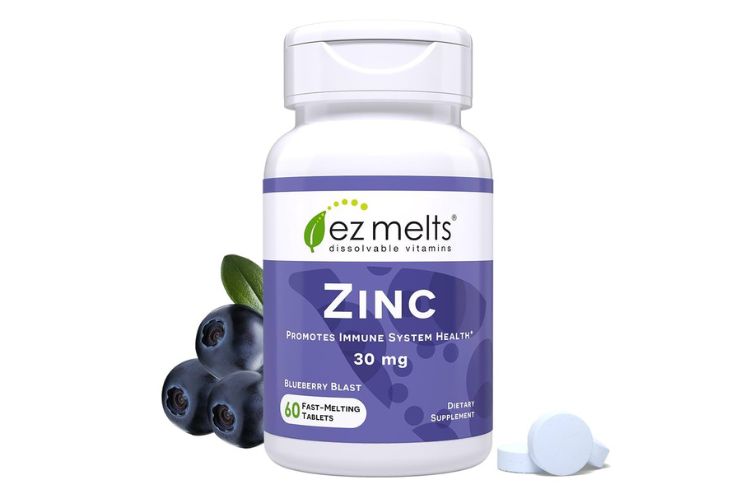
Shop Now: EZ Melts Dissolvable Zinc Supplement
Read More: Sneezing and Sniffling? How to Know If It’s a Cold or Allergies
Possible Side Effects and Safety Concerns

Sniffling, sneezing, and other symptoms may not subside while taking a zinc supplement, but it may help reduce the duration of your cold.
Higher dosages of zinc have been linked to adverse effects like nausea, diarrhea, and intestinal distress, and taking more than 100 mg per day hasn’t shown superior benefits.
Additionally, antacids, NSAIDs including ibuprofen, naproxen, piroxicam, and indomethacin, as well as several chemotherapy medications, may interact with zinc. Consult your physician or pharmacist for advice.
Allergic reactions may include skin rashes, itching, hives, or swelling of the face, lips, tongue, or throat.
Typically, these side effects don’t require treatment; however, if they persist or become troublesome, please notify your care team.
- Heartburn
- A metallic aftertaste
- Upset stomach
Dr. Angela U. Tucker, a clinical assistant professor of family medicine at Ohio State University Wexner Medical Center, emphasizes that it’s important to keep realistic expectations about zinc. However, there is evidence to support its use for various health-related purposes. Naturally, you will want to maximize the benefits of zinc if you’re taking it.
Conclusion
Zinc-rich foods and supplements can help you meet your zinc requirement. Zinc tablets are practical and easy to use for clinical requirements, but not all require them. Most people can obtain sufficient zinc by eating a balanced diet that includes foods such as spinach, eggs, and pumpkin seeds.
Zinc is an excellent mineral for fighting illness, especially if you have the flu or a cold. To shorten the duration of illness and alleviate symptoms, use zinc lozenges or capsules promptly, preferably within 24 hours of the onset of symptoms. To minimize nausea or stomach discomfort side effects, always consume zinc with food. Unless advised otherwise by a doctor, avoid taking more than 40 mg daily.
If you are pregnant, lactating, on medication, or giving zinc supplements to children, talk to a health professional before use. Zinc can be a valuable tool for immunological health when used correctly.
Read More: Types of Flu
FAQs
Is it advisable to start taking zinc when cold or flu symptoms first appear?
Taking zinc as soon as a cold or flu starts may help reduce the duration of symptoms. To improve absorption, pair zinc supplements with foods rich in protein or vitamin C, and steer clear of dairy or meals high in fiber when taking them.
Are there risks in taking zinc with vitamins or medications?
Indeed, there may be interactions between zinc and several antibiotics and supplements. Before using zinc in conjunction with other vitamins or medications, consult your doctor.
Can you use zinc for prevention if you are often sick?
You can, but don’t utilize it excessively. Consult your healthcare professional before supplementing for prolonged periods, as this may result in imbalances or deficiencies.
References
- https://pmc.ncbi.nlm.nih.gov/articles/PMC3273967/
- https://share.upmc.com/2022/10/zinc-for-common-cold/
- https://www.goodrx.com/conditions/cold-symptoms/does-zinc-help-colds
- https://pmc.ncbi.nlm.nih.gov/articles/PMC8578211/
- https://ods.od.nih.gov/factsheets/Zinc-Consumer/
- https://www.mayoclinic.org/diseases-conditions/common-cold/expert-answers/zinc-for-colds/faq-20057769
- https://journals.asm.org/doi/10.1128/aac.25.1.20
- https://academic.oup.com/ofid/article/4/2/ofx059/3098578?login=false
- https://bmjopen.bmj.com/content/11/11/e047474
- https://journals.sagepub.com/doi/10.1177/2054270417694291
- https://www.uclahealth.org/providers/vijaya-surampudi
- https://www.womenshealthmag.com/health/a45126456/best-time-to-take-zinc/
- https://my.clevelandclinic.org/health/drugs/19865-zinc-lozenges
- https://wexnermedical.osu.edu/find-a-doctor/angela-tucker-md-38444
- https://www.webmd.com/diet/foods-high-in-zinc
In this Article