








What if you could eat delicious, satisfying foods where your body burns more calories digesting them than the foods actually contain? This fascinating concept is known as “negative calorie foods,” and while the science is still evolving, these foods offer remarkable benefits for weight management.
Negative calorie foods, also called “zero-calorie foods,” are foods that contain very few calories (typically 5-50 calories per 100 grams) but require significant energy to digest, metabolize, and process. The theory suggests that the thermic effect of food (TEF)—the energy cost of digesting food—can be substantial enough to create a net caloric deficit.
While your body doesn’t literally burn more calories than these foods contain, the net caloric impact becomes minimal, making them excellent for weight management.
Below, we’ve compiled comprehensive information about the best zero-calorie foods that can enhance your weight loss strategy. These foods typically contain fewer than 50 calories per 100 grams, making them perfect for maintaining a healthy diet while managing your weight.
Read More: 7 Flavor-Packed Spices That Won’t Add Calories
Why Choose Negative Calorie Foods?
Negative-calorie foods are ideal for losing excess weight while providing essential nutrition. The concept works because these foods are typically high in fiber and water content, which requires energy to process.
High-fiber foods increase the thermic effect, meaning your body uses more energy to break them down. They allow you to eat satisfying portions with minimal net caloric impact, helping you maintain the caloric deficit necessary for weight loss.
Top 15 Negative Calorie Foods
1. Celery
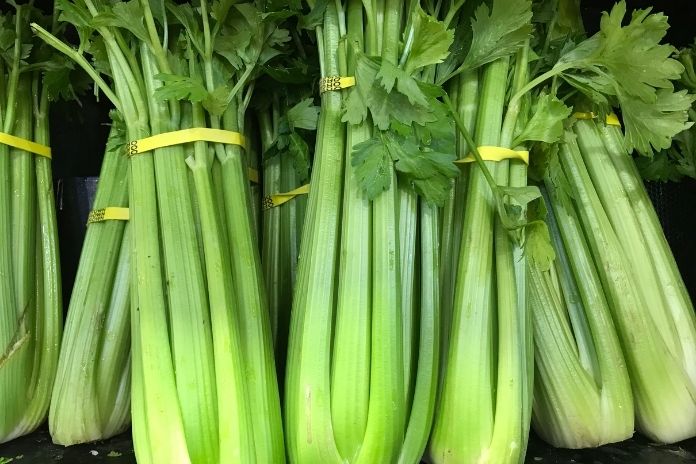
Celery is the classic example of a negative-calorie food, containing only 16 calories per 100 grams while being composed primarily of water and insoluble fiber. The energy required to chew, digest, and process celery can approach or potentially exceed its caloric content, making it an ideal weight-loss food.
However, avoid pairing celery with high-calorie additions like peanut butter or cream-based dips, as these can quickly add unwanted fats and calories.
2. Oranges
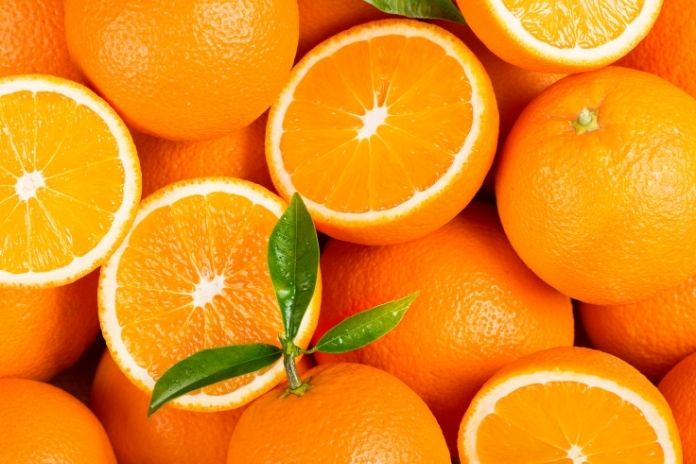
Oranges are excellent low-calorie fruits packed with vitamin C. While they don’t eliminate calories from your diet, they help keep your daily caloric intake lower than usual. If you’re working to create a caloric deficit for weight loss, oranges are one of your best fruit options, providing natural sweetness and essential nutrients without excess calories.
3. Asparagus
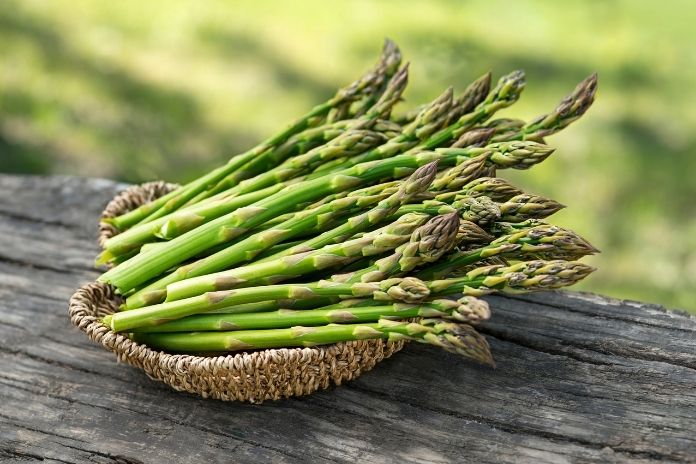
This versatile vegetable, commonly used as a side dish, is high in fiber and incredibly filling despite its low caloric content. You can enjoy asparagus raw, steamed, or grilled. Just be mindful of preparation methods—avoid cooking with oil or butter, or use them sparingly, as these additions can significantly increase the caloric content.
4. Beets
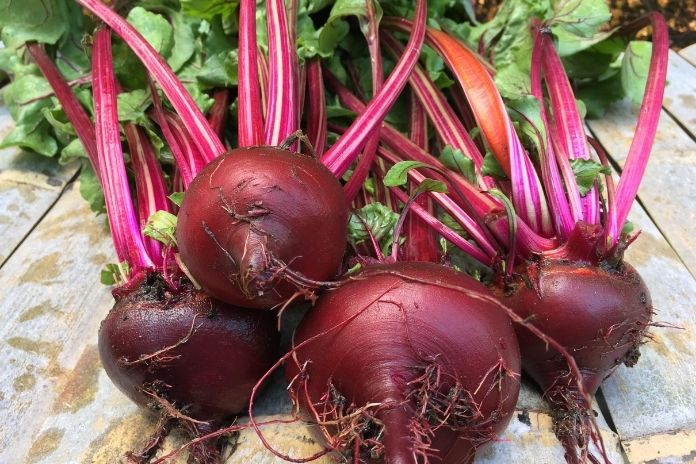
Beets work best as a low-calorie food when prepared by steaming, grilling, or boiling. Avoid pickled varieties, which often contain added sugars and sodium that increase caloric content. Fresh beets are not only low in calories but also rich in antioxidants that support overall health.
5. Cucumber
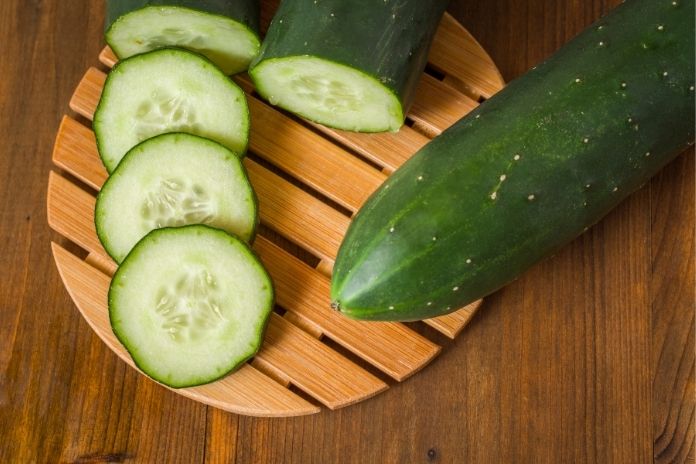
With its high water content and minimal calories (about 16 calories per 100 grams), the cucumber exemplifies the negative calorie concept.
The significant water content means your body expends energy processing and eliminating the excess fluid, while the fiber requires energy to digest. This is why cucumber is a staple in weight-loss diets and salads featuring other negative-calorie ingredients.
Read More: 9 Low-Calorie Evening Snacks
6. Lemons
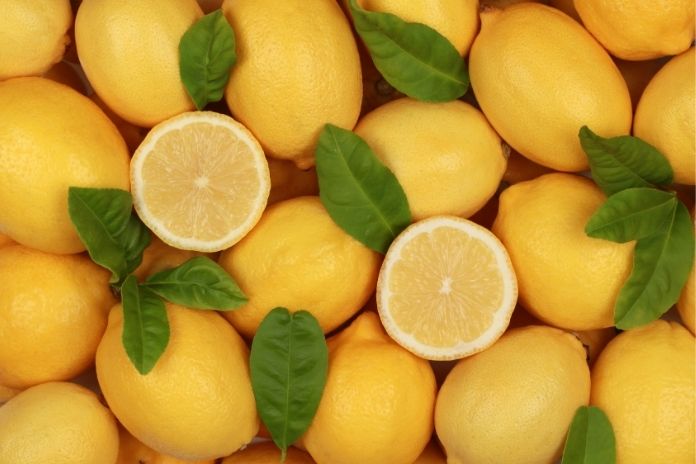
Lemons can be incorporated into your diet in various ways without affecting your overall caloric consumption. Add lemon to water, squeeze it over fish, or use it in cooking. Beyond being virtually calorie-free, lemons are alkalizing and provide important antioxidants that support your health.
7. Mushrooms
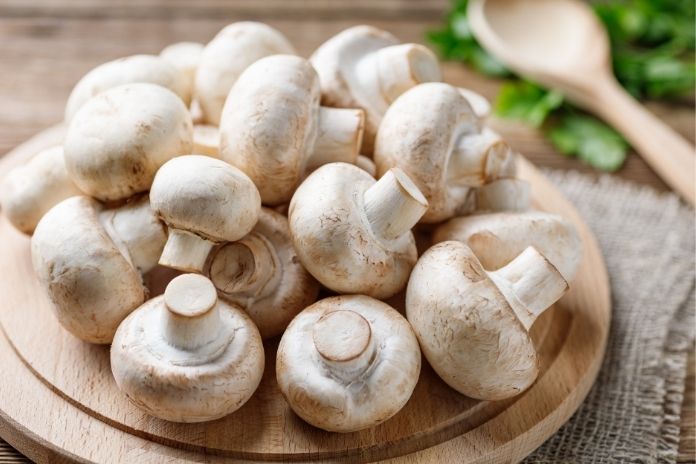
Nearly all varieties of mushrooms are extremely low in calories. Whether you use them in recipes or sauté them as a side dish, they won’t significantly impact your caloric intake. Even large portobella mushrooms contain minimal calories, which is why they’re often used as low-calorie substitutes in burgers and other dishes.
8. Cauliflower
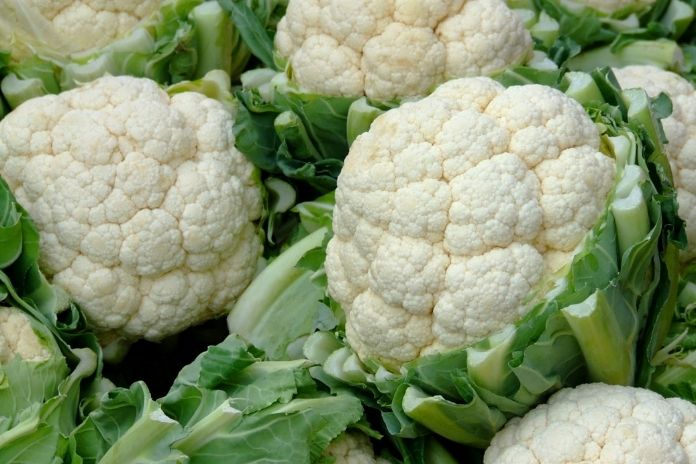
This cruciferous vegetable is naturally low in calories and offers numerous health benefits. Cauliflower has anti-inflammatory properties and supports both cardiovascular and digestive health. Cooking cauliflower can make it even more filling while maintaining its low-calorie profile.
9. Cabbage
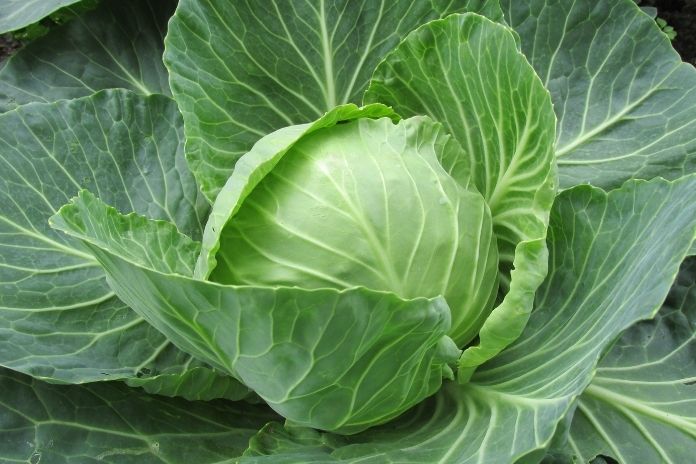
Cabbage is renowned for its cancer-fighting and heart-protective properties. It’s also excellent for weight loss due to its minimal caloric content—you can burn the calories from cabbage simply by walking. Cabbage soup is particularly beneficial, providing satiety and nutrition with very few calories.
10. Watermelon
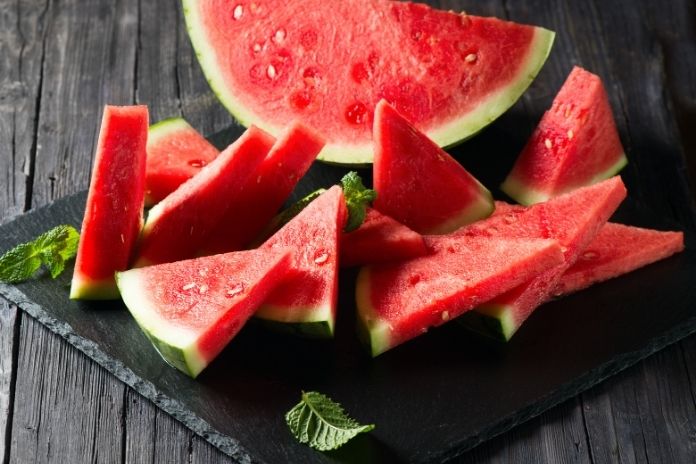
Despite its sweet taste, watermelon is surprisingly low in calories. It’s also rich in antioxidants that support bodily functions and can help boost your metabolism. This makes watermelon an ideal summer snack that satisfies sweet cravings without derailing weight loss efforts.
11. Zucchini
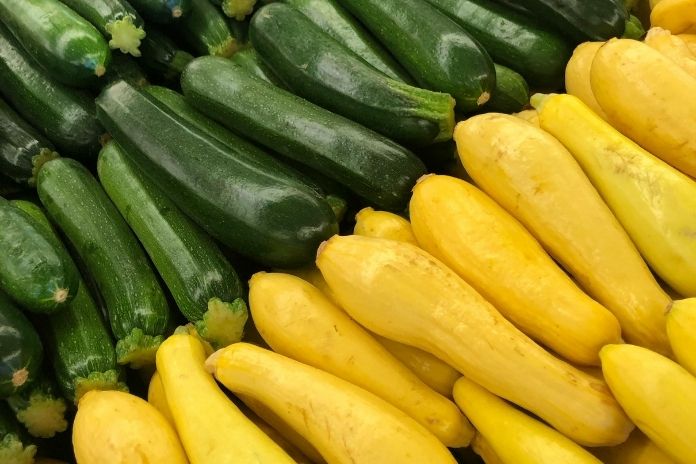
Zucchini is another extremely low-calorie vegetable that won’t significantly affect your overall caloric intake. While you can eat it until you feel full, moderation is still important for balanced nutrition. Zucchini is versatile and can be prepared in numerous ways while maintaining its low-calorie benefits.
12. Grapefruit
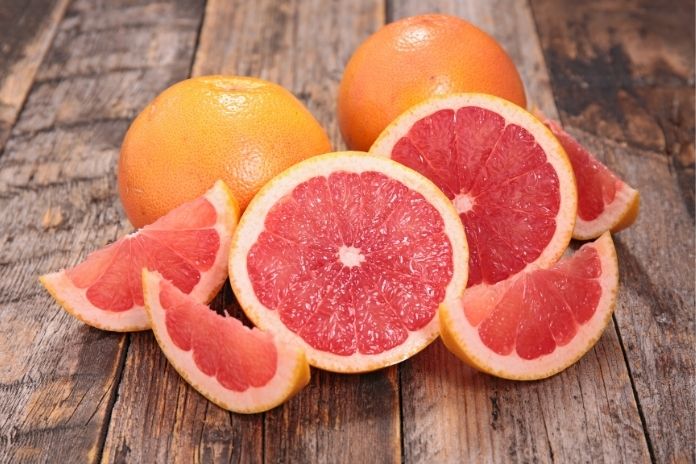
Grapefruit not only boosts metabolism but is also low in calories. It’s often recommended for people with heart conditions or those recovering from surgery. While fruits generally contain more calories than vegetables, grapefruit provides essential nutrition while supporting weight management goals.
Read More: Rainbow Eating: What It Means and How It Benefits Your Body
13. Kale
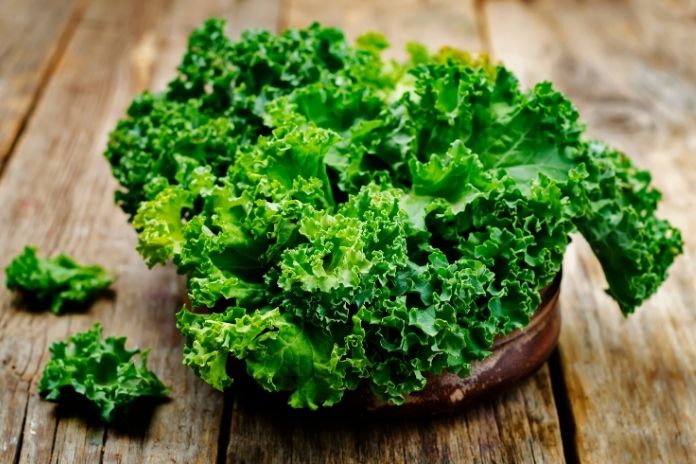
Kale is a nutritional powerhouse packed with protein, fiber, minerals, vitamins, and phytonutrients. It helps keep your overall caloric intake low while providing substantial nutrition. Research shows that high-fiber foods can aid in weight loss by promoting satiety.
Kale makes an excellent low-calorie snack—you can eat it freely, add natural seasonings for variety, or use it as a healthy alternative to potato chips.
14. Brussels Sprouts
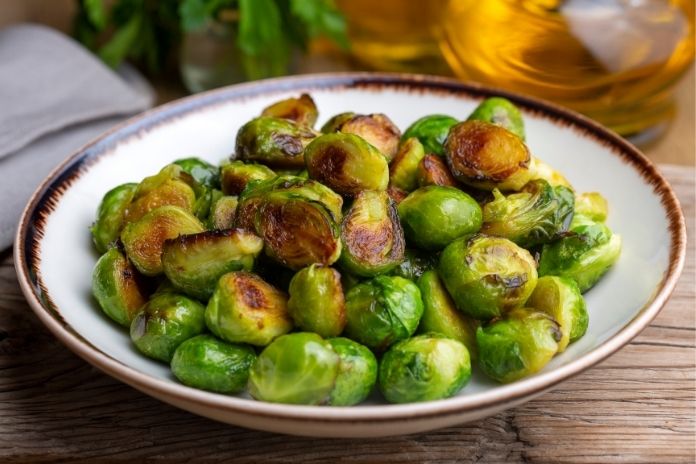
Brussels sprouts are nutrient-dense while being extremely low in calories. As a cruciferous vegetable, they provide similar benefits to broccoli, cabbage, and cauliflower. Be cautious when preparing Brussels sprouts with cheese or butter, as these additions can significantly increase the caloric content.
15. Tomatoes
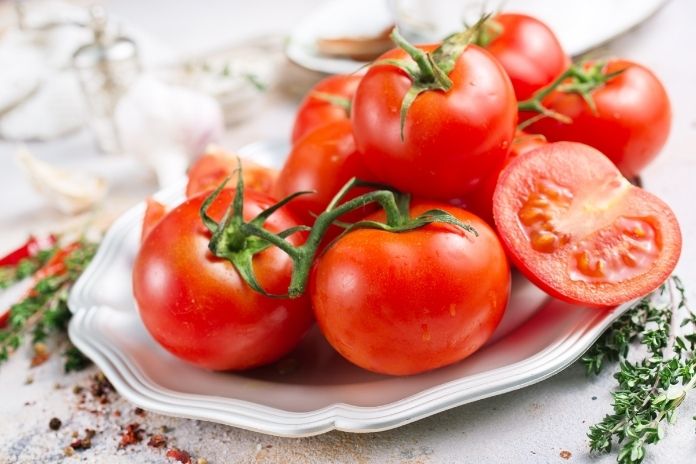
Tomatoes are among the healthiest foods for overall wellness. Beyond their low caloric content, tomatoes are rich in lycopene, which helps prevent cancer and heart disease. For men, tomatoes may also support sperm quality and quantity.
You can combine tomatoes with other foods on this list to maximize weight loss benefits.
Making the Most of Negative Calorie Foods
To maximize the benefits of these negative-calorie foods:
- Focus on preparation methods that don’t add calories (steaming, grilling, raw consumption)
- Be mindful of high-calorie additions like oils, butter, cheese, and creamy dressings
- Combine multiple zero-calorie foods in meals and snacks
- Use these foods to create volume in your meals without adding significant calories
- Maintain a balanced diet by incorporating these foods alongside other nutritious options
Remember that while these foods are excellent for weight management, a balanced approach to nutrition that includes a variety of foods from all food groups is essential for optimal health.
Ready to Transform Your Diet?
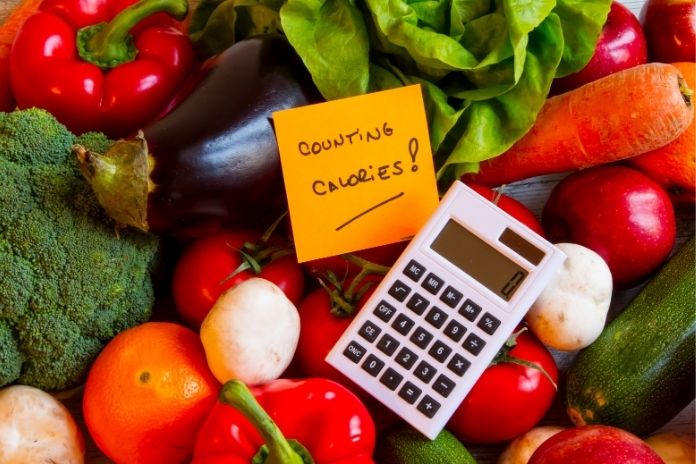
Start incorporating these negative-calorie foods into your meals today! Begin with just three foods from this list and gradually add more as you discover new ways to prepare them. Your weight loss journey can be both delicious and sustainable when you understand how to leverage the thermic effect of food.
Frequently Asked Questions
Are negative-calorie foods scientifically proven?
The concept of negative calorie foods is based on the thermic effect of food (TEF)—the energy cost of digesting, absorbing, and processing nutrients. While these foods don’t literally cause you to burn more calories than they contain, their high fiber and water content can create a significant thermic effect.
Research shows that fiber-rich foods can increase energy expenditure by up to 15-20% of their caloric content. The “negative” aspect refers to the minimal net caloric impact after accounting for digestion costs.
How many negative-calorie foods should I eat per day?
There’s no specific limit, but aim to fill at least half your plate with these nutrient-dense, negative-calorie options. Balance them with lean proteins, healthy fats, and moderate amounts of complex carbohydrates for optimal nutrition and to maximize the overall thermic effect of your meals.
Can I lose weight by eating only negative-calorie foods?
While these foods support weight loss due to their minimal net caloric impact, eating only negative-calorie foods isn’t recommended, as it would lack essential nutrients like proteins and healthy fats. Use them as the foundation of a balanced, calorie-controlled diet to maximize both the thermic effect and nutritional adequacy.
Do cooking methods affect the caloric content?
Yes, preparation methods significantly impact caloric content. Steaming, grilling, and eating foods raw maintain their low-calorie benefits, while cooking with oils, butter, or high-calorie sauces can quickly increase the caloric density.
Are negative-calorie foods safe for everyone?
These whole foods are generally safe for most people. However, if you have specific medical conditions, digestive issues, or are taking medications, consult with a healthcare provider or registered dietitian before making significant dietary changes.
How quickly will I see weight loss results?
Weight loss varies by individual and depends on overall caloric intake, physical activity, and metabolism. Incorporating these foods as part of a balanced, calorie-controlled diet typically shows results within 2-4 weeks when combined with regular exercise.
References
- https://www.nih.gov/news-events/nih-research-matters/weight-loss-depends-less-calories-not-nutrient-mix
- https://www.mayoclinic.org/healthy-lifestyle/nutrition-and-healthy-eating/in-depth/high-fiber-foods/art-20050948
- https://www.health.harvard.edu/blog/making-one-change-getting-fiber-can-help-weight-loss-201502177721
- https://www.ncbi.nlm.nih.gov/pmc/articles/PMC8017325/
In this Article