














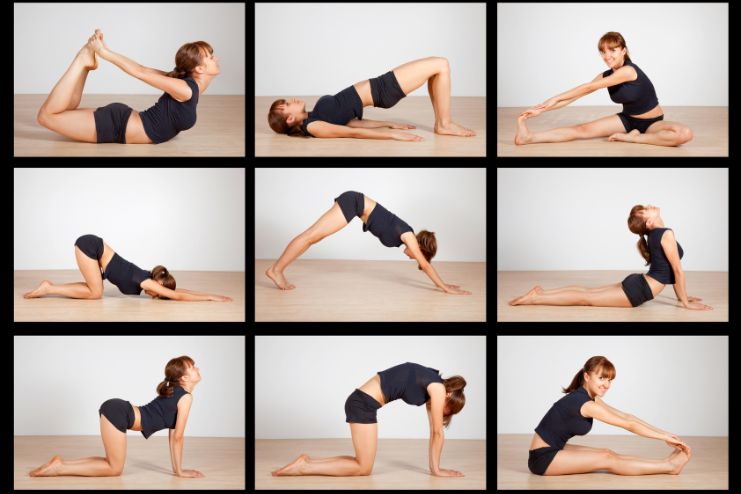
Ever feel uncomfortably bloated or sluggish for no clear reason? You’re not alone — constipation affects millions of Americans, yet it’s one of the most commonly overlooked digestive issues. Characterized by infrequent or difficult bowel movements, hard stools, and abdominal discomfort, constipation can disrupt daily life and impact overall well-being.
Causes of constipation range from low fiber intake and dehydration to sedentary habits, stress, and even certain medications or hormonal changes.
Fortunately, relief doesn’t always require medication. Yoga offers a gentle, natural approach to easing constipation by improving blood flow to the digestive organs, stimulating intestinal movement, and calming the nervous system.
Backed by clinical research, targeted yoga poses can support both immediate symptom relief and long-term digestive health — making it a powerful, low-risk tool for anyone struggling with irregularity.
health.
Read More: Why Athletes Swear by Yoga Nidra for Faster Recovery
Evidence-Based Yoga Poses for Constipation Relief
The following yoga poses have been specifically selected based on their therapeutic benefits for digestive health and their accessibility for practitioners of all levels.
There are several aspects of yoga that make the practice helpful for alleviating digestive challenges, including constipation, according to Rudolph Bedford, MD, a gastroenterologist at Providence Saint John’s Health Center in Santa Monica, California.
“Any type of low-impact exercise, like yoga, will increase blood flow throughout the body, including the digestive system,” Dr. Bedford says.
1. Pawanmuktasana (Wind-Relieving Pose)
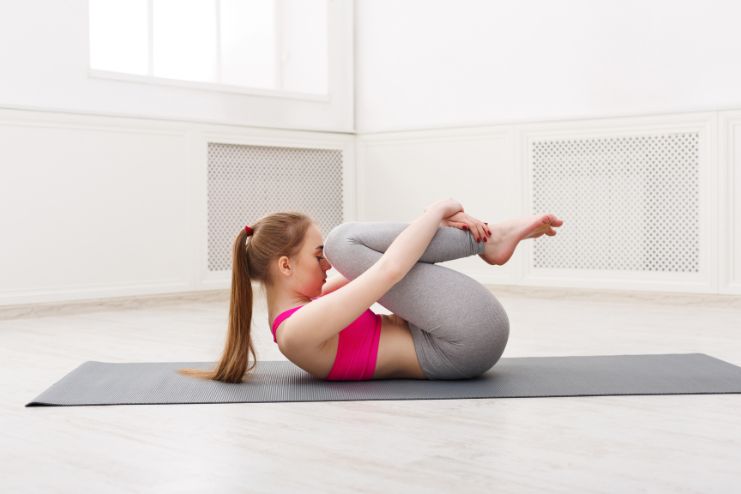
This fundamental pose directly targets gas release and abdominal compression, making it particularly effective for constipation relief.
How to Practice:
- Lie flat on your back with legs extended
- Draw your right knee toward your chest, clasping it with both hands
- Hold for 20-30 seconds while breathing deeply
- Release and repeat with the left leg
- Finally, draw both knees to the chest simultaneously
- Perform 5-8 repetitions per leg
Benefits:
- Stimulates colon and small intestine function
- Relieves gas and bloating
- Massages the abdominal organs
- Improves overall digestion
2. Ardha Matsyendrasana (Seated Spinal Twist)
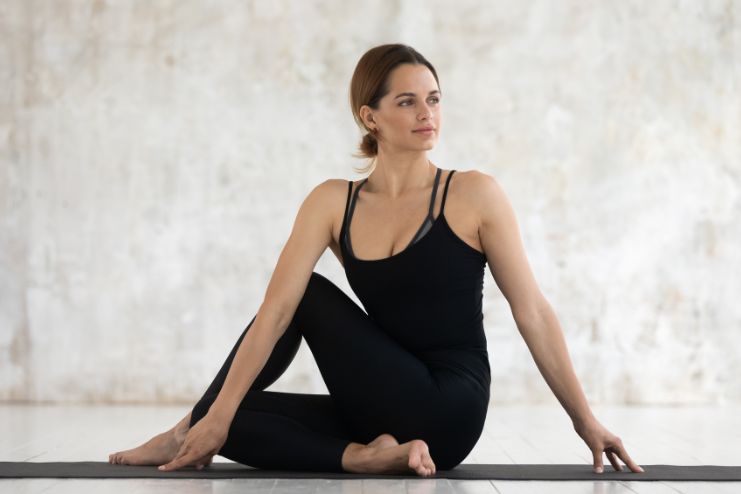
This seated twist pose is particularly effective for stimulating the digestive organs and promoting detoxification.
How to Practice:
- Sit with legs extended forward
- Bend your right knee, placing the right foot beside the left knee
- Place your right hand behind you for support
- Twist your torso to the right, placing your left elbow against your right knee
- Hold for 30-60 seconds, breathing steadily
- Return to center and repeat on the opposite side
Benefits:
- Massages the abdominal organs, includingthe liver and kidneys
- Enhances spinal flexibility
- Stimulates digestive fire (agni)
- Promotes toxin elimination
Read More: What Is Somatic Yoga? A Beginner’s Guide to This Gentle Movement Practice
3. Baddha Konasana (Bound Angle Pose)

This gentle hip opener creates space in the pelvic region and stimulates abdominal organs.
How to Practice:
- Sit with spine erect
- Bring the soles of your feet together, allowing knees to drop toward the floor
- Hold your ankles or feet with your hands
- Gently draw your heels toward your pelvis
- Maintain the pose for 1-3 minutes with steady breathing
- For added benefit, gently fold forward while maintaining spine length
Benefits:
- Opens hip flexors and pelvic region
- Stimulates abdominal organs
- Improves circulation to the digestive system
- Reduces tension in the lower abdomen
4. Balasana (Child’s Pose)
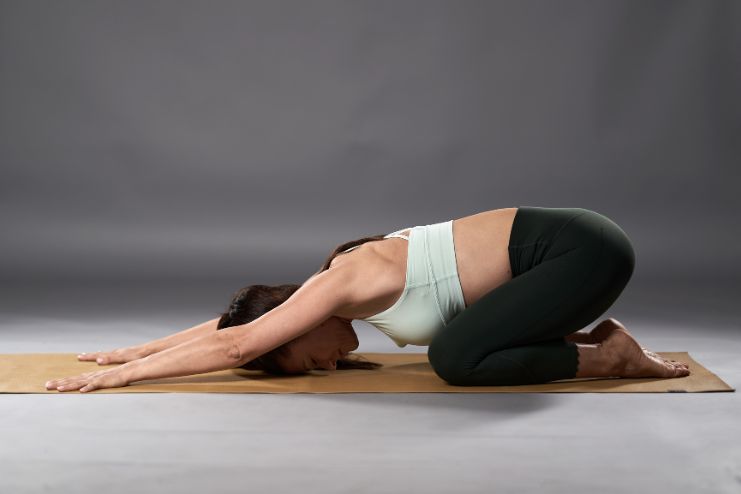
This restorative pose provides gentle abdominal compression while activating the parasympathetic nervous system.
How to Practice:
- Begin in a kneeling position
- Touch your big toes together and separate your knees hip-width apart
- Exhale and fold forward, extending your arms in front of you
- Rest your forehead on the floor
- Hold for 1-3 minutes, breathing deeply
- To intensify abdominal massage, gently rock side to side
Benefits:
- Activates rest-and-digest response
- Provides gentle abdominal compression
- Reduces stress and anxiety
- Promotes overall relaxation
Read More: Finding Balance: Yoga and Meditation for Seniors’ Physical and Mental Health
5. Halasana (Plow Pose)

This inversion pose provides significant benefits for digestive health through improved circulation and organ stimulation.
How to Practice:
- Lie on your back with your arms alongside your body
- Lift your legs overhead to 90 degrees
- Continue lifting your hips, bringing your toes toward the floor behind your head
- Support your lower back with your hands if needed
- Hold for 30 seconds to 2 minutes
- Slowly roll down vertebra by vertebra
Caution: Avoid this pose if you have neck injuries, high blood pressure, or are menstruating.
Benefits:
- Stimulates thyroid and parathyroid glands
- Improves circulation to abdominal organs
- Enhances spinal flexibility
- Promotes hormonal balance
6. Supta Matsyendrasana (Supine Spinal Twist)

This gentle, accessible twist is ideal for beginners and provides effective digestive stimulation.
How to Practice:
- Lie on your back with arms extended in a T-shape
- Draw your knees toward your chest
- Drop both knees to the right while keeping your shoulders grounded
- Turn your head to the left
- Hold for 1-2 minutes, then repeat on the opposite side
Benefits:
- Massages internal organs
- Improves spinal mobility
- Enhances digestion
- Releases tension in the lower back
Read More: 8 Surprising Benefits of Laughter Yoga: How Humor Can Enhance Health and Well-being
Creating an Effective Practice Routine
For optimal results in managing constipation through yoga, consistency is essential. Consider the following guidelines:
Daily Practice Structure:
- Morning routine: 10-15 minutes of gentle poses to stimulate digestion
- Evening practice: Restorative poses to promote relaxation and overnight healing
- Duration: Hold poses for 30 seconds to 2 minutes, depending on comfort level
- Frequency: Practice daily for acute symptoms, 3-4 times weekly for maintenance
Important Considerations:
- Practice on an empty stomach or at least 2-3 hours after eating
- Stay hydrated before, during, and after practice
- Listen to your body and modify poses as needed
- Combine yoga practice with adequate fiber intake and regular hydration
When to Seek Medical Attention for Constipation
While yoga can be highly effective for managing constipation, certain symptoms warrant medical evaluation:
- Persistent constipation lasting more than three weeks
- Severe abdominal pain or cramping
- Blood in stool
- Unexplained weight loss
- Sudden changes in bowel habits
- Signs of bowel obstruction
Consult a healthcare provider if constipation significantly impacts daily life or doesn’t respond to lifestyle modifications.
Integrating Yoga with Comprehensive Digestive Health
Yoga works best as part of a holistic approach to digestive wellness. Harvard Health Publishing emphasizes combining physical practices with:
- Adequate hydration: 8-10 glasses of water daily
- Fiber-rich nutrition: 25-35 grams of fiber daily from whole foods
- Regular physical activity: At least 150 minutes of moderate exercise weekly
- Stress management: Incorporating meditation and relaxation techniques
- Consistent sleep schedule: 7-9 hours of quality sleep nightly
Read More: Sunday Stretch: Relaxing Recovery Yoga
Conclusion
Yoga offers a safe, natural, and effective approach to managing constipation while supporting overall digestive health. The poses outlined in this guide provide targeted benefits for stimulating bowel function, reducing stress, and promoting optimal digestive wellness. Regular practice, combined with healthy lifestyle choices, can lead to significant improvements in both acute and chronic constipation.
Remember that individual responses to yoga practice may vary, and it’s important to approach any new exercise routine gradually. With consistent practice and attention to your body’s needs, yoga can become a valuable tool in your digestive health toolkit.
Read More: The Ultimate Guide to Yoga Blocks: 6 Options Reviewed
References
- https://pubmed.ncbi.nlm.nih.gov/34391308
- https://www.niddk.nih.gov/health-information/digestive-diseases/constipation
- https://www.mayoclinic.org/diseases-conditions/constipation/symptoms-causes/syc-20354253
- https://www.ncbi.nlm.nih.gov/pmc/articles/PMC4438173
- https://www.researchgate.net/publication/305995984_EFFECT_OF_INTEGRATED_APPROACH_OF_YOGA_THERAPY_ON_CHRONIC_CONSTIPATION
- https://www.healthline.com/health/fitness-exercise/yoga-for-constipation
- https://gastro.org
- https://www.health.harvard.edu
- https://www.ncbi.nlm.nih.gov/pmc/articles/PMC2673138
- https://www.medicalnewstoday.com/articles/327086
- https://www.sciencedirect.com/science/article/pii/S1744388124000653
- https://www.news-medical.net/health/Drugs-that-Cause-Constipation.aspx
- https://www.hoag.org/specialties-services/digestive-health/diseases-conditions/chronic-constipation
- https://www.onepeloton.com/blog/yoga-for-constipation
- https://www.providence.org/doctors/gastroenterology/ca/santa-monica/rudolph-bedford-1902885684
In this Article