












Is it truly healthier to follow a “no eating after 8 PM” rule?
All of us have indulged in late-night snack desires, whether they were for a modest meal while binge-watching a show or a sweet treat after supper. However, eating after 8 PM can be more detrimental than beneficial.
You might have set rules for your nightly routine even if you don’t follow a time-restricted diet like intermittent fasting. What is the most typical cutoff time for food? 8 p.m.
“Food has chemical properties that in and of themselves can affect sleep and make an individual feel sleepy or more energetic,” says Dr. W. Chris Winter, neurologist, sleep specialist, and Sleep Advisor. “Apart from the chemical effects of food, the timing of meal consumption can affect our circadian rhythms and impact sleep in that way, as well.”
Eating at night can disrupt blood sugar and fat storage because our bodies’ metabolism slows down during this time. Additionally, each person’s schedule determines how much time they can cut.
This article will explore the effects on your digestive system after work, the underlying science, and practical strategies to improve digestion at night without sacrificing your favorite evening foods.
Read More: Gut Health and Diet: Foods that Promote a Healthy Digestive System
How Your Digestive System Works During the Day vs. Night
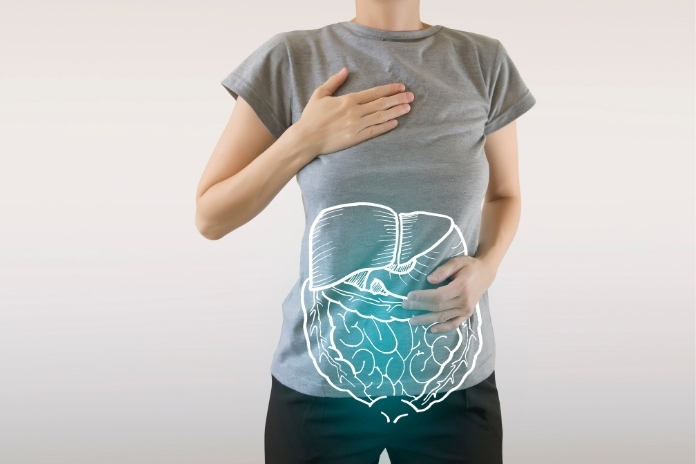
Each component of our digestive system helps break down food and liquids into small pieces, move them through the GI tract, or both. After food is broken down into smaller pieces, the body absorbs the nutrients and delivers them where they’re needed. The large intestine then absorbs water, while the remaining waste is formed into stool. Hormones and nerves aid in regulating digestion.
During the day, our metabolism is at its fastest. Your body produces stronger digestive enzymes to break down food more effectively since you’re more physically engaged. Additionally, regular movement promotes intestinal motility, which facilitates easy digestion. Heavy meals are best consumed at this time because your system is more capable of processing them.
At night, Things begin to slow down. There are proven advantages to reducing evening eating in general, although there is limited research on the specific benefits of not eating after 8 PM. A 2022 study supports it: Researchers discovered that eating later in the day made people feel hungrier, reduced their calorie expenditure, and increased their fat accumulation.
“When individuals consume food during the nighttime, it tends to consist more often of processed foods high in carbohydrates and fats rather than carefully planned and balanced meals,” Janese S. Laster, MD, a board-certified physician in internal medicine, obesity medicine, gastroenterology, and nutrition.
“Eating close to bedtime or before lying down significantly increases GERD or acid reflux, so for this reason I don’t recommend it,” gastroenterologist Caroline Soyka, DO, told Health.
Circadian rhythms—24-hour cycles that affect digestion, hormone synthesis, and metabolism—generally train our bodies. These cycles can be disrupted by eating late in the evening.
Among men with prediabetes, adopting early time-restricted eating—consuming meals within a 6 to 8-hour window earlier in the day—led to improvements in insulin sensitivity, blood pressure, and markers of oxidative stress, even without contributing to weight loss, according to a study published in Cell Metabolism. According to a survey, eating earlier in the day promotes our metabolic health and our circadian alignment more effectively.
Why Digestion Slows Down After 8 PM
We’re all busy sometimes, so what if your schedule prevents you from eating earlier? Having meals after 8 PM isn’t necessarily harmful, but consistently eating late in the evening may negatively impact your health. Acid reflux, which includes symptoms such as heartburn, indigestion, postnasal drip, hoarseness, difficulty swallowing, persistent throat clearing, coughing, and asthma, affects up to 40% of Americans.
In addition to raising insulin and cholesterol levels, which can lead to diabetes and heart disease, eating dinner late also increases the risk of obesity.
Not only will eating late have adverse effects on your general health, but so will eating poorly. Consuming excessive sugar, soft drinks, fat, and processed foods during evening meals can negatively impact your blood sugar, hormones, triglycerides, and cholesterol levels. It might result in diabetes and cardiovascular issues.
“While there’s evidence linking late-night eating to potential health concerns like poor digestion, weight gain, and other issues, it’s not necessarily true for everyone,” says Julie Pace, RDN, a registered dietitian and founder of Core Nutrition Health and Wellness.
“A big distinction with snacking at night is if those snacks are healthy or not,” Bess Berger, RD, a registered dietitian and the owner of private practice Nutrition by Bess.
Read More: 9 Ways To Heal Leaky Gut – Fix Part Of Your Digestive System
Common Effects of Eating Late at Night
Eating late at night has specific common effects on your general health in addition to causing acid reflux, diabetes, and cardiovascular issues.
- Eating late at night has a detrimental impact on your memory and cognitive abilities.
- Food tends to remain in our stomach longer at night due to slower digestion, which can cause bloating, gas, and a heaviness or discomfort.
- Additionally, it disrupts sleep cycles and may cause vivid and disturbing fantasies.
- Additionally, eating dinner late makes you feel hungrier the next day. Eating late causes your body to create more glucose, which in turn causes the hormone “ghrelin” to be released. This hormone causes hunger, which in turn causes weight gain.
- Especially if the food was hot or fatty, lying down shortly after eating might cause stomach acid to reflux back into the esophagus, causing heartburn.
You now understand that the timing of your meal is just as crucial as the food itself. Therefore, to avoid several dangerous health conditions, it is essential to stop eating by 8 PM, or at least three hours before bed.
Who’s More Vulnerable to Nighttime Digestive Issues?
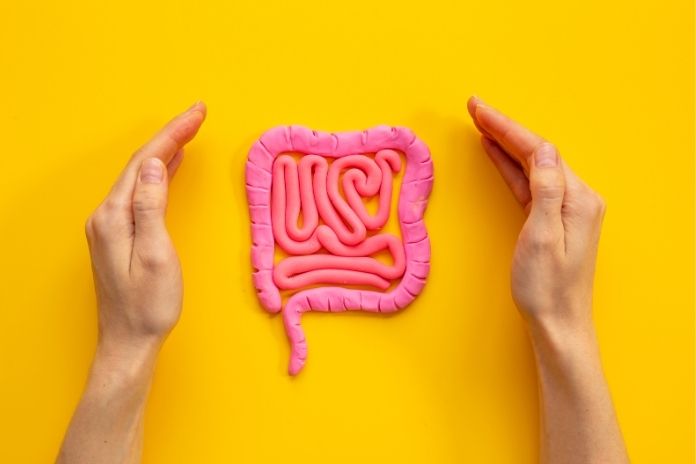
Some individuals, due to their medical condition or lifestyle, are specifically vulnerable to stomach upset after eating at night. The most vulnerable groups are:
People with acid reflux or IBS: IBS can interfere with sleep. If your symptoms worsen in the evening and you are struggling with gas, distention, nausea, vomiting, pain, or bowel movements, you will be waking up in the middle of the night, but trying not to. If you’re experiencing an IBS flare and struggling with stomach issues, you will find it hard to fall asleep. You might find it challenging to get a good night’s sleep, and your IBS can continue to affect your quality of life.
Pregnant Women: Pregnancy can introduce changes in hormones or pressure of a growing uterus that stand in the way of digestion and increase the risk for acid reflux or heartburn. Eating right before bed may trigger these sensations or lead to discomfort.
People Who Eat Nighttime Feasts or Skip Meals: Consuming a large meal requires your body to digest at a time when it is functioning at its lowest level. If you continue by eating a late-night feast, it overloads your system. Eating meals at night and skipping meals during the day can lead to weight gain, some pain, and inadequate absorption.
Read More: Heal Your Gut, Heal Your Life: 10 Natural Ways to Restore Your Digestive System
How to Support Your Digestive System in the Evenings
It’s not a hard-and-fast rule for everyone, but for some folks, 8 PM can be the best time to bid eating farewell.
It is suggested to take into account your family’s schedule when deciding when to stop eating, in addition to any health concerns you might want to address about food scheduling. Just make an effort to give yourself some time between dinner and bedtime.
“Because everyone’s schedules are different and ‘internal clocks’ can vary, I recommend a goal of finishing eating at least two to three hours before bedtime,” said Soyka.
Additionally, keep in mind that there are other food-timing habits besides a nightly limit that may have an impact on your health.
Your health may be more affected by regular meal timing, avoiding heavy meals right before bed, engaging in mindful eating, eating a balanced diet, drinking plenty of water, and paying attention to your body rather than the clock.
Lifestyle Habits That Help
Forming good living habits, especially at night when your system naturally slows down, can substantially improve your digestion. Here are some successful strategies:
Avoid late-night meals and opt for a light dinner: In addition to stopping your meals after a specific hour, consider making dinner your lighter meal of the day. Dr. Kezia Joy registered dietitian, said that “eating dinner a minimum of two to three hours before sleep ensures that your body has ample time to digest the food consumed and, thereby, reduces the likelihood of experiencing digestive issues as you sleep.”
After supper, take a stroll for ten to fifteen minutes: This will assist your meal pass more easily through your digestive tract by promoting intestinal motility. Additionally, it promotes blood sugar regulation and lessens bloating.
Drink A Mug Of Warm, Decaffeinated Tea: There’s no better way to unwind than curling up with a warm, comforting mug of tea before bed. Get your kettle ready if you’ve been intending to drink more tea, since a cup of herbal, decaffeinated tea before bed can have a significant impact on your digestive system.
When to See a Doctor
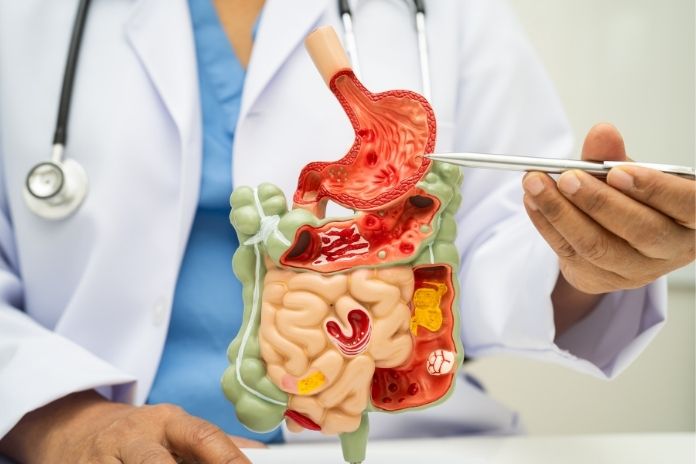
Even though it’s very normal to experience occasional stomach pain at night, persistent symptoms could indicate a severe problem that needs to be treated by a doctor. If you often experience acid reflux, chronic bloating, or stomach pain at night, you need to pay close attention to these symptoms.
If you experience sleep interference due to gut discomfort, it may indicate a more serious issue. Frequent waking or difficulty falling asleep, along with disrupted rest due to heartburn, nausea, or a feeling of fullness, can negatively impact overall health. A doctor might help you figure out the underlying issue and recommend the proper treatment or changes to your diet.
It is essential to visit a doctor if these types of symptoms don’t go away even after you have adopted a healthy lifestyle. To help you rest and feel better in the long run, early management can prevent complications, alleviate discomfort, and restore your digestive balance.
Read More: 10 Natural Remedies to Boost Digestive Health from the Comfort of Your Home
Conclusion
Our physiology makes it difficult for us to process large meals during late hours—and going against this cycle can result in discomfort, inadequate sleep, and, in the long term, chronic digestive problems. Eating large meals later in the evening can imbalance your digestive system because your metabolism slows down and your body produces fewer digestive enzymes at that time.
We can ease the digestion process if we align our meals with our circadian rhythm. Consuming lighter meals well before bedtime and avoiding sedentary habits can help prevent or reduce bloating, reflux, and restlessness, as well as common culprits like fat or spice.
References
- https://www.sleep.com/sleep-health/eating-before-bed
- https://www.linkedin.com/in/w-christopher-winter-md-121b1a23/
- https://www.etvbharat.com/en/!health/why-you-should-not-eat-after-8-pm-enn25060502568
- https://www.sciencedirect.com/science/article/pii/S0002916522026685
- https://www.niddk.nih.gov/health-information/digestive-diseases/digestive-system-how-it-works
- https://www.netmeds.com/health-library/post/the-process-of-digestion-understanding-the-timeline-and-the-influence-of-various-foods
- https://iffgd.org/gi-disorders/the-digestive-system/
- https://journals.physiology.org/doi/pdf/10.1152/ajpcell.00166.2022
- https://deannaminich.com/the-role-of-circadian-rhythms-in-eating-digestion-and-the-microbiome/
- https://gastrohealth.com/physicians/caroline-p-soyka-do
- https://hms.harvard.edu/news/late-night-eating-impact
- https://www.corenutritionhw.com/about-julie-pace-functional-nutritionist-dietitian/
- https://www.chemist-4-u.com/guides/digestion-and-stomach/is-your-ibs-worse-at-night-heres-12-ways-to-handle-your-nighttime-flare-ups/
- https://equip.health/articles/food-and-fitness/only-eating-at-night
- https://my.clevelandclinic.org/health/diseases/21731-night-eating-syndrome-nes
- https://www.frederickhealth.org/news/2021/july/10-signs-of-an-unhealthy-gut/
- https://www.uclahealth.org/news/article/how-keep-your-digestive-system-healthy-you-age
- https://www.health.com/eating-after-8-pm-8557472#citation-1
- https://www.yahoo.com/lifestyle/articles/4-gut-friendly-habits-add-223059705.html
- https://welzo.com/pages/dr-kezia-joy
In this Article