











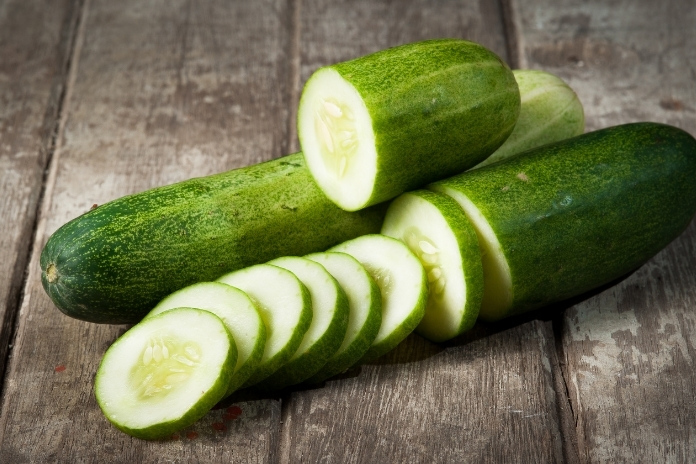
It’s a habit many of us have: buying a cucumber, peeling it before slicing or dicing, and discarding the green outer skin. It seems innocuous, after all, the flesh is what looks appealing, and the peel is often thought of as “just the skin.”
But what if that very skin is where much of the nutritional benefit lies?
Keeping cucumber skin on matters. When we discard the peel, we may be discarding a meaningful portion of the vegetable’s value.
In this article, we’ll explore exactly what nutrients live in the peel, what research says about skin vs. flesh of the cucumber, how to safely consume peels, and practical ways to use them so you benefit (and waste less).
Did you know? Data suggest that eating cucumbers with the peel retains more fiber, vitamins, and minerals than peeling them.
What’s in the Cucumber Peel? Nutrition & Antioxidants You Don’t Want to Miss
Before you peel that cucumber, it’s worth knowing what you’re losing.
The outer skin isn’t just decoration; it’s where much of the vegetable’s fiber and protective compounds concentrate. This thin green layer holds phytonutrients, antioxidants, and pigments that help the plant defend itself, and can do the same for you.
“Cucumbers are relatively low in calories, so there is no significant difference in macronutrient composition; carbohydrates, protein, and fat when the skin is removed. But the skin does contain slightly more fiber and vitamin K,” says LaChell Miller, RD, a certified. “And with fewer than 1 in 10 American adults getting enough dietary fiber, every little bit counts.”
Let’s look at what science says about what’s really inside that peel.
Fiber
The skin of the cucumber contributes more fiber per volume than the flesh alone. For example, when you eat a cucumber with the peel, you’re ingesting the structure that plants use for outer support, and that means more non-digestible fiber content. According to nutrient data, a serving of raw cucumber with peel contains modest fiber but still more than its peeled counterparts.
Antioxidants & Phytonutrients
The peel acts as the plant’s protective layer against pests, UV radiation, and other stressors, and so it accumulates more protective compounds.
- A study on the peel of Cucumber(Cucumis sativus L.) found that its peel extract had a total flavonoid content of 3.50 µg/mg QE. It also demonstrated up to 71% radical-scavenging activity (DPPH assay) at 600 µg/mL concentration.
- A metabolomics study comparing the peel and flesh of different cucumber cultivars reported higher levels of flavonoids, carotenoids, and chlorophylls in some peels than in flesh.
- According to the Jerusalem Post, cucumber peel is “rich in dietary fiber, vitamins and antioxidants … helps neutralize free radicals responsible for cellular aging and chronic-disease processes.”
Specifically, cucumber peel contains compounds such as:
- Flavonoids (antioxidant plant compounds)
- Cucurbitacins (bitter-tasting compounds with studied anti-inflammatory potential)
- Lignans (plant phenolics)
- Other phenolic compounds that show antimicrobial or antioxidant activity in vitro.
Vitamins & Minerals
Beyond the antioxidants, the peel contributes micronutrients to your diet:
- Vitamin K: According to the American Heart Association, a whole cucumber (including peel) may provide about 40% of an adult man’s daily vitamin K intake or ~55% for an adult woman.
- Vitamin A/beta-carotene:Although overall cucumber content is modest, the peel may contain more of the beta-carotene precursor than the inner flesh.
- Minerals such as potassium, magnesium, and calcium:A mineral composition analysis found that the peel had essential minerals, and importantly, did not pose mineral overload or toxicity risk.
Why the Peel Harbors More Nutrients
Because the peel is the outermost layer of the vegetable, it is exposed to more environmental stress (light, pests, wind, microbes). To defend itself, the plant produces more protective molecules in that region. Thus, when you consume the peel, you’re getting a concentrated dose of those “defense” compounds, beneficial for human health when eaten regularly.
What Research & Nutrition Guides Say: Skin vs Flesh of Cucumber
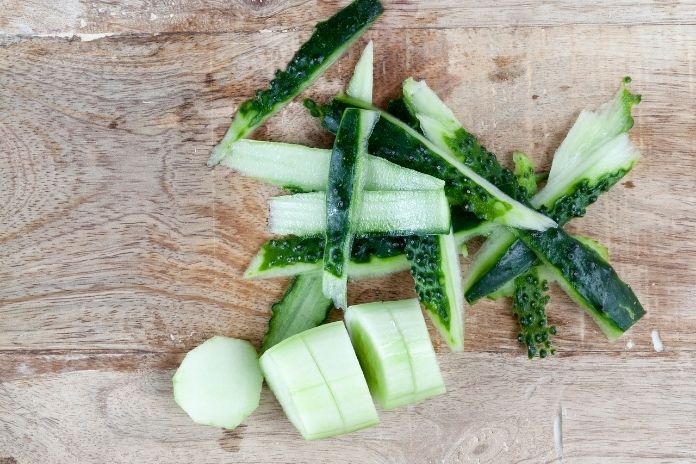
It’s not just folklore; nutrition experts and researchers back the idea that cucumber peel carries extra value.
While the flesh keeps you hydrated and refreshed, the outer layer packs more nutrients and antioxidants than most people realize. Multiple studies and extension papers have compared both parts, and the consensus is clear: if you want the full nutritional payoff, don’t skip the skin.
Nutrient-density insights
- The Live Science article states plainly: “The peel and seeds are the most nutrient-dense parts of the cucumber.”
- According to an extension service paper(North Carolina State University’s Franklin County Extension), peeling reduces fiber and certain vitamins and minerals.
- A comprehensive study of different parts of the cucumber found that the peel exhibited higher total phenolic content and greater antioxidant capacity than many pieces of flesh.
While the flesh of a cucumber is still valuable, it’s hydrating, low in calories, and provides some vitamins and minerals, the peel adds noteworthy “bonus” benefits.
By discarding the peel, you’re missing out on fiber, antioxidants, and micronutrients. Nutrition summaries emphasize: “to maximize the benefit of the cucumber, eat it unpeeled.”
Myth vs. fact
- Myth: All the nutrition in a cucumber comes from the flesh.
- Fact: The flesh supplies hydration, some carbs, and basic vitamins; the skin supplies extra fiber and antioxidants.
Why It’s Beneficial to Keep the Skin On (and When You Might Leave It Off)
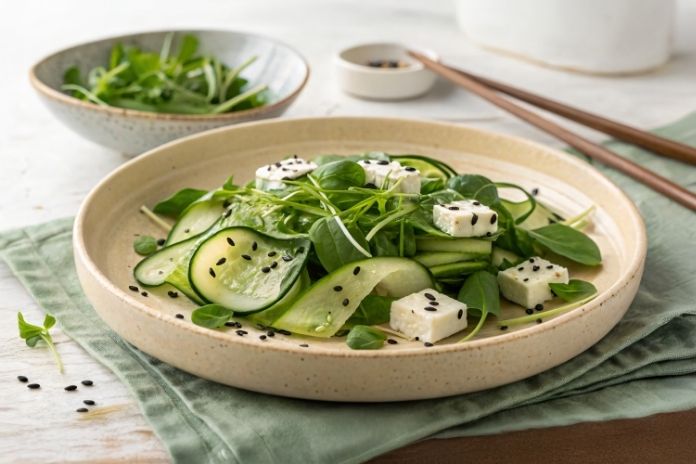
Cucumber skin often ends up in the trash out of habit, not necessity.
Yet that thin layer adds more than texture; it quietly boosts the vegetable’s nutritional and practical value. From added fiber and antioxidants to less food waste, keeping the peel can make a noticeable difference.
Still, there are a few cases where peeling makes sense, and we’ll get to those, too.
Benefits of keeping the peel on
- More fiber: A helping hand for digestion, stool regularity, and satiety. If you’re eating a salad or snack, the peel contributes structure and bulk that slows digestion slightly and improves fullness.
- More antioxidants: The peel’s compounds(flavonoids, cucurbitacins, phenolics) help neutralize free radicals, reduce oxidative stress, and may support long-term health.
- Minimal calories, greater value: Cucumbers are already very low in calories, around 15 kcal per 100 g with peel.Keeping the peel doesn’t add significant calories but does add value.
- Reduced waste: From an environmental and cost perspective, using the whole vegetable makes sense.
When you might peel (or partially peel)
- Tough, waxed, or heavily treated skin: Some commercial cucumbers are treated with a synthetic edible wax or have thicker skins; if you’re wary of residues or you dislike the texture, peeling may make sense.
According to registered dietitian Lena Bakovic, cucumbers naturally have a light waxy layer, but commercial washing strips much of it away, so producers often add an edible wax coating to keep them fresh.
She explains that while the wax itself isn’t a major health concern, it can hold on to dirt or pesticide residues, which makes washing or peeling a smart choice. Bakovic also notes that peeling does reduce some nutrients like fiber and vitamins A and C, but a properly washed cucumber with its skin still offers useful nutritional value.
- Texture or digestive sensitivity: If you have certain gastrointestinal conditions (e.g., diverticulosis, moderate IBS) and find skins irritating or difficult to digest, you may choose to peel.
- Recipes that demand smooth texture: In purees or juices where you want a perfectly smooth mouth-feel, you might choose peeled cucumbers.
- Doubt about cleanliness: If the cucumber has visible damage, soft spots, or you’re uncertain about wash quality, peeling may reduce the risk of surface contamination.
How to Include Cucumber Skin Easily: Practical Tips
Eating a cucumber with the skin isn’t complicated; it’s just about knowing how to pick, clean, and prepare it so you get the benefits without any downsides.
A little attention during selection and prep can help you make the most of that nutrient-rich outer layer, while keeping the taste and texture fresh and crisp. Here’s how to do it right.
Selection & Cleaning
Start with quality. Choose cucumbers that are firm, evenly colored, and free of soft spots or wrinkles. A dull or shriveled skin usually means it’s past peak freshness.
Rinse them under cool running water before eating or cutting. If they’re waxed (common in supermarket varieties), gently scrub the surface with a soft vegetable brush. This is the safest way to clean wax-coated cucumbers without damaging the skin.
Concerned about pesticide or wax residues? Soak the cucumbers for 10–15 minutes in a solution of lightly salted water or baking soda before rinsing. Research published in the Journal of Agricultural and Food Chemistry has shown that baking soda solutions are particularly effective in reducing pesticide residues from fruit and vegetable surfaces.
Store unpeeled cucumbers in the crisper drawer of your fridge, ideally wrapped loosely in a paper towel or stored in a breathable produce bag. This prevents excess moisture buildup while keeping the skin crisp and nutrient content stable for several days.
Eating Formats
The easiest way to eat cucumber skin is simply to stop peeling it. But if you like variety, there are plenty of ways to work it in:
- Salads and bowls:Slice or chop cucumbers with the skin on for added color contrast and crunch. They pair especially well with tomatoes, onions, and feta in Mediterranean-style salads.
- Snacks and dips:Cut an unpeeled cucumber into sticks or rounds. Serve with hummus, yogurt-dill sauce, or tzatziki. The skin makes the bite sturdier and adds texture.
- Infused water or smoothies:Toss cucumber slices (skin on) into your water pitcher or blender. If texture is a concern, try the “striped” method: peel thin vertical lines so you retain part of the peel’s nutrients but get a softer mouthfeel.
- Roasted or sautéed:Though not traditional, lightly roasting or sautéing cucumber slices with the peel can give them a new depth of flavor. Keep the cooking time short to avoid losing nutrients.
- Partial peels:For those who find the skin slightly tough, alternate between peeled and unpeeled stripes using a peeler. This technique keeps part of the nutrition while improving texture.
Read More: Cucumber Water Benefits
Storage & Further Tips
- Keep cucumbers whole and unpeeled until you’re ready to use them; peeling early accelerates moisture loss and nutrient decline.
- If you do peel for texture or recipe reasons, don’t toss the skin. Chop it finely and blend it into smoothies, soups, or chutneys. You’ll get the nutrients without noticing the texture.
- Use a sharp knife or vegetable peeler to avoid removing too much flesh beneath the skin; most of the cucumber’s antioxidants and fiber are concentrated just under that thin surface.
Conclusion
The skin of the cucumber isn’t just safe to eat, it’s a valuable part of the vegetable’s nutrition profile. Beneath that thin green layer lies a concentrated source of fiber, vitamins, minerals, and antioxidants that support digestion, hydration, and overall health. Peeling it away means losing many of those subtle but meaningful benefits.
Unless you have a clear reason, like a digestive sensitivity, pesticide concerns, or a personal texture preference, it’s worth keeping the peel on. Give it a quick rinse or scrub, slice it up, and you’ve instantly made your snack or salad a little more nutrient-dense without any extra effort.
If we’re being practical, the peel isn’t a miracle food; it’s just a smart way to get a little more from something you already eat. Think of it as the vegetable’s natural bonus layer: protective, nourishing, and underrated. The simple takeaway? Stop tossing the good stuff. Eat the cucumber whole and let the green armor do its job.
FAQs
Does peeling cucumbers remove most of the vitamins?
Peeling doesn’t remove most of the vitamins from a cucumber (the flesh still contains nutrients), but it does reduce fiber, certain vitamins, phenolic compounds, and antioxidants that are more concentrated in the peel. Studies show the peel has higher flavonoid and phenolic content compared with the flesh.
Is the cucumber peel edible if it has wax or pesticide residue?
Yes, it can be edible, but you must wash it thoroughly. Commercial cucumbers may have an edible wax and possible pesticide residues. Registered dietitian Lena Bakovic advises washing properly (brushing under running water) or choosing organic/unwaxed varieties.
If you’re uncertain or the texture bothers you, peeling is a reasonable option; just know you are giving up some nutrition.
I dislike the texture of cucumber skin. What are the alternatives to still get the benefit?
If texture is off-putting:
- Use a “striped” peel (remove some skin, leave some).
- Finely chop or mince the peel and mix into dips, smoothies, or sauces so you get nutrients without the large chew.
- Use peeled cucumbers for certain dishes, but rotate in whole-skin versions for snacks/salads when you don’t mind the texture.
- Use smaller cucumber varieties (mini-cukes) where the skin is thinner and less noticeable.
Are there any risks to eating cucumber skins (e.g., allergies)?
For most people, cucumbers are safe. Some individuals may have sensitivities or allergies (oral‐allergy syndrome, pollen-food cross-reactivity) and might react to raw skins or compounds in the peel.
Also, if the skin is not washed well, there is the risk of microbial contamination or pesticide exposure. If you have a digestive disorder, tough skin might irritate the gut. For anyone with thyroid issues, cruciferous vegetables get attention, but a cucumber is not high in goitrogens, and the skin is not a particular concern.
Does cooking a cucumber with the skin preserved still retain the extra benefits of the peel?
Yes, cooking with skin on preserves many of the peel’s benefits better than peeling first. That said, intense heat, long cooking time, or boiling in lots of water may reduce antioxidant activity.
For example, research on sulforaphane in broccoli shows heavy cooking reduces enzyme activity; while similar cucumber-specific data are limited, the principle holds: gentler cooking preserves more. When possible, lightly cook (steaming, sautéing) with skin on, or add the skin late in cooking.
References
- https://www.webmd.com/food-recipes/cucumber-health-benefits
- https://www.loseit.com/articles/cucumber-peel-benefits/
- https://www.livescience.com/51000-cucumber-nutrition.html
- https://franklin.ces.ncsu.edu/2024/08/cucumber-nutrition-facts-and-benefits/
- https://www.researchgate.net/publication/339510133_Cucumber_peel_-_Antioxidant_and_antimicrobial_activity
- https://www.restaurantindia.in/article/10-uncommon-cucumber-nutrition-facts-you-didn-t-know.14018
- https://www.webmd.com/diet/health-benefits-cucumber
- https://www.quora.com/Can-I-eat-cucumber-without-peeling-it
- https://www.jpost.com/health-and-wellness/article-862058
- https://www.1mg.com/articles/top-10-health-benefits-cucumber-peel/
- https://www.apollo247.com/health-topics/general-medical-consultation//cucumber-benefits-for-health-and-wellness
- https://www.jpost.com/health-and-wellness/article-862058
- https://www.sap.je/en/the-11-benefits-of-cucumber-juice-for-your-health
In this Article