














Apples Remain a Top Snack, and the Skin Makes a Big Difference
Apples are among the few fruits that have survived all food trends. Smoothie bowls came and went, exotic berries claimed superfood status, yet apples quietly stayed in every lunch box and fruit basket. “An apple a day” became a saying for a reason.
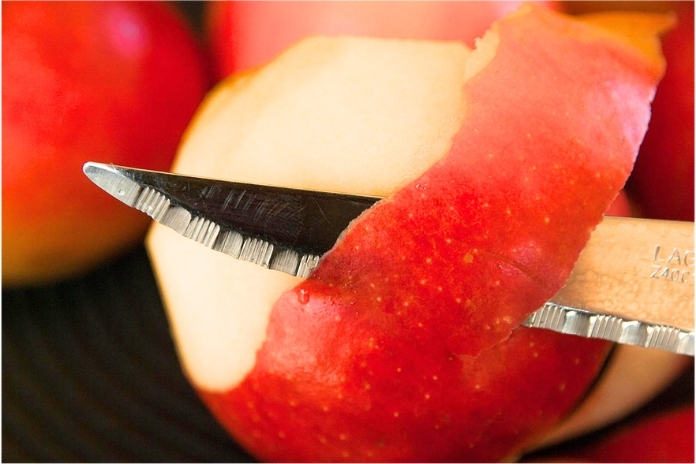
But something very ordinary happens in many homes – before eating, people peel off the skin. Sometimes out of habit, sometimes because of taste, and sometimes because someone once said the skin is “dirty.” The irony is that by doing so, most of the apple’s special nutrients are being thrown away.
Modern nutrition research is clear: the skin carries more vitamins, antioxidants, and fiber than the flesh itself. Many studies have shown the difference is not small – an apple with skin can contain over three times more vitamin K, along with 1–1.5 times more vitamin A, vitamin C, and calcium compared to the peeled one. The humble peel is not a decoration; it’s the real nutrient powerhouse.
What’s in the Apple Skin? Nutrition and Phytonutrients You Don’t Want to Lose
If you look at an apple under a microscope, the skin is not just a protective layer; it’s a living armour of biochemical compounds. The skin is where the fruit defends itself from sunlight, insects, and oxidation – and these same compounds are exactly what help the human body fight stress, inflammation, and ageing.
The skin contains both soluble and insoluble fiber; the soluble kind helps lower cholesterol and stabilize blood sugar, whereas the insoluble one improves digestion. You also get vitamins A, C, and K, as well as traces of potassium, calcium, and magnesium, right from the outer layer.
Beyond vitamins and minerals, the real treasure in the skin is phytonutrients – compounds plants make for their own protection. In apples, these include flavonoids like quercetin and catechin, polyphenols, and anthocyanins (especially in red-skinned varieties). These names might sound chemical, but their effect is quite practical: they help reduce oxidative stress, lower inflammation, and support vascular function.
According to one study, apple peels have a significantly higher phenolic content than the flesh and exhibit greater antioxidant activity. In simpler words, the skin does the heavy work.
Another analysis pointed out that these antioxidants in the peel can reduce lipid oxidation – meaning they help protect the fats in your body from becoming rancid or “rusted” inside your cells. It may sound dramatic, but that’s how oxidative stress works, and apple skin quietly fights it.
The fiber and polyphenols together also feed beneficial gut bacteria. Unlike the fast-moving fiber of cereals, apple skin fiber tends to slow digestion slightly, which keeps you fuller for longer and supports better blood sugar control.
So the next time you are looking for an “antioxidant-rich food,” you don’t always need imported berries. You already have a local fruit doing the job – provided you keep the peel on.
What Peeling Does – How Much Nutrition You Lose by Removing the Skin
When you peel an apple, you’re not just removing a thin outer layer; you’re stripping away a zone loaded with concentrated nutrients. That’s because many plant compounds accumulate near the surface, where the fruit interacts with sunlight and oxygen.
For example, a medium apple with its peel provides about 2.4 grams of fiber, but removing the skin reduces this to around 2 grams – almost half of it is instantly lost. Similarly, polyphenol count drops steeply.
The apple skin has flavonoids and quercetin, which have shown promising effects on heart and brain health in lab studies. Even chlorogenic acid (an antioxidant related to blood sugar control) is far denser near the surface.
Research in animal trials found that the apple peel fraction, when isolated, improves lipid profiles and reduces markers of inflammation. They strongly suggest that the peel isn’t just wastage – it’s functional nutrition.
Peeling also removes part of the sub-skin layer that holds the apple’s colour pigments and natural waxes, both of which have their own bioactivity. What remains – the flesh – still has sugars, water, and a modest amount of vitamins, but the “bonus layer” of antioxidants and fiber disappears.
Think of it like eating rice without the bran layer – it still fills you, but something vital is lost.
Read More: Are Apple Seeds Poisonous? What Science Really Says About Eating Them
Who Should Consider Keeping the Skin On – and Who Might Need to Peel
Generally Beneficial to Keep the Skin
For most people, there’s no reason to peel. The benefits are obvious – you get more fiber and vitamins, and there is also less food wastage. Not removing the peel and eating the whole apple is one of the simplest health food upgrades you can make for yourself. It doesn’t need a supplement or special recipe – just a better washing habit.
Rinsing apples under running water or giving them a baking soda bath also works well. Once clean, you can eat the whole fruit with confidence.
Besides nutrition, there’s another quiet benefit – texture. The slight resistance of the skin slows down the eating process. It sends satiety signals to the brain before you eat more than you are hungry for. However, you can chew and swallow a peeled apple in seconds. This is a small behavioral edge, but it matters a lot.
When Peeling Might Be Preferred
There are still exceptions. Individuals with sensitive digestion, such as those experiencing bowel-related or intestinal narrowing issues, may have difficulty tolerating apple skin. In such cases, people should peel the apple, or they can also cook it gently- this makes it easier to digest.
If you are concerned about pesticide residues, choose organic apples or wash them thoroughly under running water. Many commercially grown apples have a thin layer of wax coated on them to keep their freshness, and many people prefer to avoid them. If fresh, locally grown fruit isn’t available, peeling the apple can offer some reassurance, but it’s better to do this occasionally instead of making it a regular habit.
A small number of people may also have oral allergy syndrome, where proteins in apple skin can trigger mild reactions due to their similarity to certain pollen allergens. For them, peeling or lightly cooking the apple neutralises these proteins.
Read More: 7-Day Apple Diet Plan And How It Helps in Weight Loss
How to Eat Apples for Maximum Benefit – Practical Tips
You can follow these tips to get the maximum benefits of eating apples:
1. Choose apples with clean, firm skin.
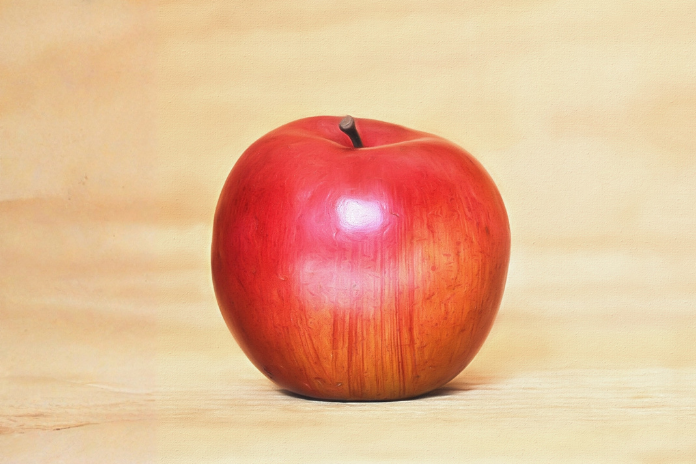
Look for smooth skin without bruises or deep waxy coatings. Slight natural dullness is fine – it usually means fewer artificial treatments.
2. Wash properly, not aggressively.
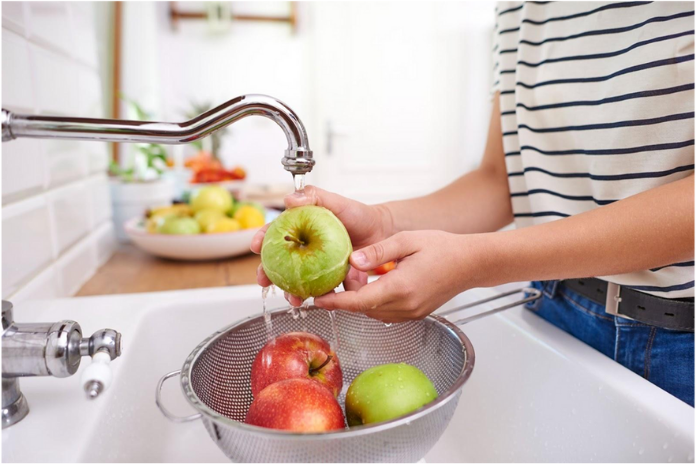
Wash with running water to clean surface particles. Avoid soaking in water. If you want to use baking soda, then rinse it well after a few minutes. Avoid harsh scrubbing – it can break the skin and reduce freshness.
3. Consume red or mixed-colour apples.

Red and deep-hued skins mean more anthocyanins, mostly the same antioxidant pigments that you can find in berries. Green apples have more tartness and chlorophyll-based compounds, so mix both when possible.
4. Eat raw more often.
Raw apples have more polyphenols and vitamin C, and thus, they degrade with heat. Cooked apples are still good, especially if the skin is intact; however, raw apples provide the most complete nutrition.
5. Use skin in recipes.
Keep the peel whenever you want to make applesauce, sauce, or baked food items. It blends well, and it also adds color. You can also use leftover peels; just dry them, make a powder form, and use it as a cereal topping or in tea.
6. If you must peel, balance it.
If texture or habit prevents you from eating the skin of an apple daily, try having at least one unpeeled apple a week. You’ll still get a meaningful nutrition boost.
7. Store wisely.
You should always store the apples in the refrigerator. Keep them in a breathable bag – it can preserve the skin quality of the apple. Do not wash apples, as moisture can accelerate spoilage.
Read More: Morning vs. Night Apple Cider Vinegar: Best Timing for Metabolic Benefits
Key Takeaway
The apple skin is never a waste – it is the main nutrient layer. It contains antioxidants, vitamins, minerals, and fiber – and they work together to support heart health, gut health, and cellular health.
If you peel the apple, it can make it feel neat, but peeling cuts away much of what makes apples so special nutritionally. For most healthy individuals, the best practice for using an apple is simple: wash it properly and eat the fruit whole.
A peeled apple is still a fruit, yes – but an unpeeled apple is a small health package.
FAQs
Q1. Will apples lose all the vitamins if I peel them?
Absolutely! Vitamins C, vitamin A, and vitamin K may drop drastically if you peel them. It can even lose polyphenols and fiber with the skin.
Q2. Can I eat apple skin even after pesticide concerns?
Generally, yes, if washed properly. Running water and baking soda remove most residues. Choosing local or seasonal apples further reduces exposure to chemicals.
Q3. What if I hate the texture of apple skin?
If you don’t like the texture of apple skin, then slice the apple thinly, or you can also mix it with other fruits. In small pieces, the skin is less noticeable while keeping its nutrients.
Q4. Do the skin nutrients of different apple varieties also differ?
Definitely! Anthocyanins in red and purple color apples are high, whereas green ones have more catechins. Both offer several health benefits, so diversity is ideal.
Q5. Can apple skin help prevent some health issues?
Early research has shown connections between apple peel antioxidants and fiber, resulting in improved heart markers, reduced oxidative stress, and better gut health. But no single fruit prevents disease; the peel just adds preventive value.
References
- Butkeviciute, A., Abukauskas, V., Janulis, V., & Kviklys, D. (2022). Phenolic Content and Antioxidant Activity in Apples of the “Galaval” Cultivar Grown on 17 Different Rootstocks. Antioxidants, 11(2), 266.
- Ciurlă, L., Enache, I.-M., Buțerchi, I., Mihalache, G., Lipșa, F. D., & Patraș, A. (2024). A New Approach to Recover Bioactive Compounds from Apple Pomace: Healthy Jelly Candies. Foods, 14(1), 39–39.
- Cleveland Clinic. (2025, April 9). What To Eat (and What To Avoid) When You Have IBS. Cleveland Clinic.
- Ding, R., Che, X., Shen, Z., & Zhang, Y. (2021). Metabolome and transcriptome profiling provide insights into green apple peel reveals light- and UV-B-responsive pathway in anthocyanins accumulation. BMC Plant Biology, 21(1).
- Ichwan, M., Walker, T. L., Nicola, Z., Ludwig-Müller, J., Böttcher, C., Overall, R. W., Adusumilli, V. S., Bulut, M., Sykes, A. M., Hübner, N., Ramirez-Rodriguez, G., Ortiz-López, L., Lugo-Hernández, E. A., & Kempermann, G. (2021). Apple Peel and Flesh Contain Pro-neurogenic Compounds. Stem Cell Reports, 16(3), 548–565.
- Khalid, M. U., Shabbir, M. A., Mustafa, S., Hina, S., Quddoos, M. Y., Mahmood, S., Maryam, Y., Faisal, F., & Rafique, A. (2021). Effect of Apple peel as an antioxidant on the quality characteristics and oxidative stability of mayonnaise. Applied Food Research, 1(2), 100023.
- Popiolek-Kalisz, J., & Glibowski, P. (2023). Apple Peel Supplementation Potential in Metabolic Syndrome Prevention. Life, 13(3), 753.
- USDA. (n.d.-a). Apples, raw, with skin (Includes foods for USDA’s Food Distribution Program). USDA.
- USDA. (n.d.-b). Apples, raw, without skin. USDA.
In this Article