















The last time I got up too quickly to grab a book from the shelf, a sudden dizziness hit me. Did you also ever stand up too fast and feel like your brain took a second to catch up?
It occurs to me more often than I care to admit. I’ll be sitting on the floor or reclining, standing up quickly without thinking, and instantly, the room seems to lurch over just a fraction of an inch, my vision blurs for a moment, and I need to stop to regain my balance. It resolves in seconds, but it leaves a lingering question: Is this okay? Or should I be concerned?
If you’ve ever wondered, “Why do I feel dizzy when I stand up?” Don’t worry, you’re not alone, and you’re certainly not crazy. That brief dizziness is extremely prevalent. For most, it’s no big deal and is a rare occurrence. But for others, it is frequent, even frightening, and in some instances, it can indicate something more serious, such as orthostatic hypotension, anemia, or even dysautonomia.
In this article, we’ll break down why you feel dizzy when standing up, what is going on inside your body, the usual causes (with a few hidden surprises), and, most importantly, when to be concerned.
Read More: Dizziness Decoded: Causes, Symptoms, and 10 Proven Treatments
What’s Happening: A Quick Breakdown of Why We Get Dizzy

Your body is a finely calibrated system. And when you shift position, particularly from lying or sitting to standing, the body must make rapid adjustments to keep the blood flowing to your brain.
Normally, when you stand up, gravity draws blood down into your legs. In response, your blood vessels tighten and your heart rate gets a slight jump to pump enough oxygenated blood up to your brain. Sometimes, however, this adaptation isn’t quick enough. Blood temporarily pools in the lower part of your body, leading to a temporary decrease in blood pressure. That’s what produces the typical symptoms: dizziness, blurred vision, seeing stars, or feeling dizzy.
This condition is known as orthostatic hypotension, and while it sounds serious, it can be harmless or important based on the cause.
The Most Common Reasons You Feel Lightheaded When Standing
Let’s take a closer look at what might be happening behind the scenes. While most causes are benign, knowing the whole story informs you when it’s just a fleeting episode and when to be concerned and check further:
1. Orthostatic Hypotension:

Orthostatic hypotension is when there is a sudden decrease in blood pressure when you stand up. By definition, it’s a decrease of at least 20 mmHg in systolic or 10 mmHg in diastolic blood pressure within minutes of standing. That decrease robs your brain of sufficient blood for a second or two, causing you to feel dizzy or lightheaded.
It’s common in:
- Older people, whose arteries become stiff.
- Individuals taking blood pressure drugs such as beta blockers or diuretics.
- Individuals with dehydration, chronic disease, or decreased blood volume.
In most cases, symptoms are brief and disappear once the body gets the right amount of blood supply to the brain. But repeat attacks may mean underlying vascular, neurological, or drug-related problems.
2. Dehydration:

You may not associate your drinking routines with dizziness, but low levels of body fluids can impact circulation. When you’re dehydrated, your blood volume decreases, which reduces your pressure. Then, when you stand, your heart has to work harder to circulate the low blood volume upward.
Some of the most common reasons for dehydration-induced dizziness are:
- Too much caffeine or alcohol
- Exposure to heat or sweating
- Vomiting or diarrhea
- Limited water consumption
Occasionally, even mild dehydration can cause a head spin when you stand up.
Read More: The Impact of Hydration: How Water Influences Your Diet and Health
3. Low Blood Sugar (Hypoglycemia):
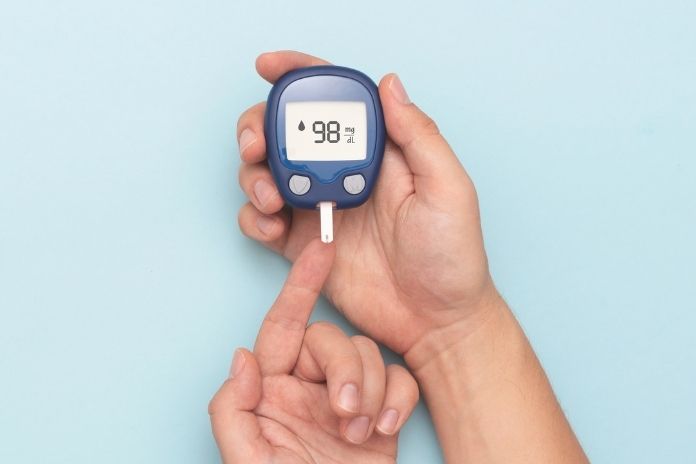
If you’ve missed a meal, exercised vigorously, or delayed eating too long, your blood glucose might have fallen below its optimum level. The brain depends on glucose, and when it doesn’t receive enough, particularly with a sudden change in position, you start feeling dizzy or disoriented.
People with diabetes, reactive hypoglycemia, or irregular meal schedules are especially at risk. Even those with no diagnosis, however, can have occasional drops in blood sugar that trigger dizziness when standing up.
4. The Side Effects of Medications:

Most people are dependent on daily medications for certain conditions. Several common daily medications lower blood pressure or interfere with your body’s regulation of changes in posture. Some of the most common causes include:
- Diuretics (often used for high BP or heart conditions)
- Antidepressants, particularly SSRIs and tricyclics
- Beta blockers
- Nitrates or vasodilators
- Antipsychotics or sedatives
If your dizziness began after a new prescription, mark that down with your doctor. Never abruptly cease meds, but changes may minimize the severity of side effects.
5. Anemia:

Low levels of B12 or iron decrease the oxygen-carrying capacity of your blood. That is, even if you have an efficient heart, the blood that reaches your brain may not be of good quality. Standing makes the situation worse, resulting in weakness, dizziness, or even shortness of breath.
Anemia can be due to:
- Heavy periods
- Dietary insufficiency
- Malabsorption syndrome (e.g., celiac disease)
- Chronic disease or inflammation
Blood work will be able to check iron, ferritin, B12, and hemoglobin levels, and treatment is usually going to involve focused supplementation or dietary changes.
Read More: Iron-Rich Leafy Green Salad: Combat Anemia Deliciously
6. Nervous System Disorders:

If your body’s internal autopilot system (the autonomic nervous system) isn’t controlling heart rate or blood pressure properly, it can cause persistent dizziness with standing. Two important conditions to be aware of here are:
- Dysautonomia: This is a general term that refers to many disorders in which the autonomic nervous system (ANS) is not working properly. The ANS controls normal functions such as heart rate, blood pressure, digestion, and body temperature. Dysautonomia has many different presentations, including dizziness, tachycardia, and gastrointestinal issues.
- POTS (Postural Orthostatic Tachycardia Syndrome): When the heart rate increases by more than 30 bpm during the first 10 minutes of standing, resulting in dizziness, tiredness, fogginess of mind, and other symptoms
These are more common in women under the age of 35, and symptoms tend to get worse following illness, surgery, or viral infections, including prolonged COVID. Most individuals with POTS go years without being diagnosed because their symptoms are dismissed as anxiety or exhaustion.
7. Pregnancy:

During pregnancy, particularly during the second trimester, you often feel dizzy. Hormonal shifts cause your blood vessels to relax, while your growing uterus presses on large veins. The outcome? Decreased return of blood to the heart and a temporary dizziness upon getting up too quickly.
Dizziness that occurs during pregnancy can also be a result of:
- Increased demands for blood volume
- Low between-meal blood sugar
- Lying on your back (later on)
It’s generally alright, but constant dizziness needs to be watched, particularly if accompanied by changes in vision or palpitations.
When To Worry?
If you feel dizzy but not all the time, upon getting up, then don’t worry. This dizziness upon standing is no cause for concern, but there are clear warning signs that require medical care.
Seek a doctor if you have:
- Dizziness that results in fainting or near-fainting
- Chest pain, rapid heart rate, or abnormal heart rhythm
- Trouble speaking, seeing clearly, or walking
- Numbness, tingling, or weakness in limbs
- Frequent episodes, worsening, or impact on daily living
Even a fall in blood pressure in older adults without any major symptoms can cause falls, fractures, and long-term risks. So don’t wait for dramatic symptoms to take it seriously.
What You Can Do to Prevent Dizziness When Standing

When I faced this situation of sudden dizziness, a few tips helped me tackle it well. The following are proven methods to prevent or reduce that familiar wobble when you stand up too quickly:
- Move Mindfully: The simplest fix: change posture gradually. Sit for a few seconds before standing, especially when waking up or after sitting for a long time.
- Hydrate Consistently: Don’t wait until you’re thirsty. Sip water throughout the day, and consider drinks with electrolytes. You must do this, especially if you’ve been sweating, drinking caffeine, or recovering from illness.
- Eat Balanced Meals: Avoid prolonged periods without food. Pair complex carbs with protein and fat to keep glucose levels consistent and prevent a drop in BP which can lead to dizziness.
- Talk to Your Doctor About Salt: For others (particularly with chronic low BP), increasing salt intake retains fluid and increases blood pressure. But this has to be done under medical supervision, particularly if you have heart or kidney disease.
- Wear Compression Garments: Compression stockings may keep blood from pooling in your legs, enhancing return circulation to the brain when you stand.
- Exercise Regularly: Low-impact exercises such as walking, swimming, and mild strength training enhances circulation and autonomic control, decreasing postural dizziness over time.
When to Seek Medical Testing

If your symptoms continue or are inexplicable, your physician may order:
- Blood pressure testing lying down and standing
- Tilt table testing for POTS or dysautonomia
- Blood work on anemia, glucose, thyroid, B12, and others
- ECG or Holter monitor for abnormal heart rhythms
Final Thoughts
The next time you experience dizziness when standing up, don’t panic, but don’t just dismiss it as well. That fleeting feeling of lightheadedness is usually your body’s way of sending you a message that something is out of balance: hydration, nutrients, blood flow, or maybe an underlying condition.
Notice the patterns. Record when it occurs, how frequently, and what else you experience. And if the episodes become more than occasional nuisances, listen to your body and speak with a physician. Remaining upright and balanced begins with knowing what’s weighing you down.
References
- https://www.msdmanuals.com/home/heart-and-blood-vessel-disorders/symptoms-of-heart-and-blood-vessel-disorders/dizziness-or-light-headedness-when-standing-up
- https://www.healthdirect.gov.au/lightheadedness
- https://www.heart.org/en/health-topics/high-blood-pressure/changes-you-can-make-to-manage-high-blood-pressure/types-of-blood-pressure-medications
- https://www.narayanahealth.org/blog/dysautonomia-causes-symptoms-and-management
- https://www.nhlbi.nih.gov/health/anemia/vitamin-b12-deficiency-anemia
In this Article