










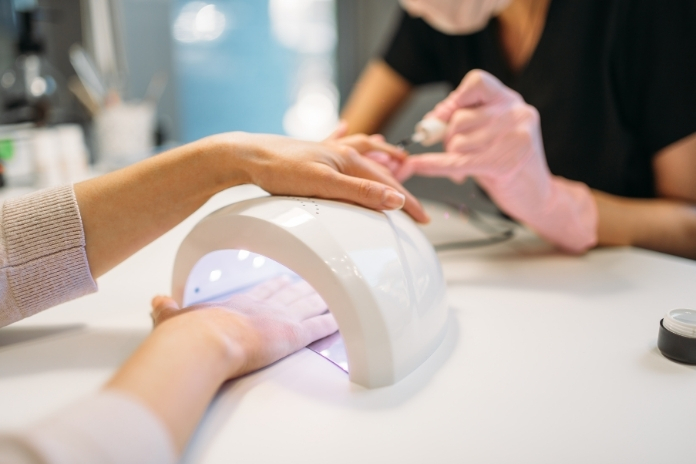
Walk into any nail salon, and chances are someone’s getting a gel manicure. It’s easy to see why. Gel nails deliver glossy perfection, withstand everyday wear, and keep hands looking polished for weeks. But behind that flawless shine lies a new controversy: in September 2025, the European Union officially banned a key chemical used in gel nail polish formulas.
This ruling shook the beauty world. Salons rushed to inform customers of the change, while cosmetic companies worked to reformulate their products, and nail aficionados worldwide started asking: Is gel polish a health hazard? Should I totally avoid it?
The response isn’t a simple either/or. The EU ban doesn’t mean gel polish is totally harmful across the board, but it does flash red flags for long-term safety, particularly for women’s health in the reproductive category.
In this article, let’s understand what the ban is, why it all happened, and what you should know before your next manicure.
Read More: What Your Nail Texture Can Reveal About Your Health
What Exactly Did Europe Ban?
The focus is on trimethylbenzoyl diphenylphosphine oxide (TPO). TPO is a chemical mouthful, but a must-have in numerous gel recipes.
What it does: TPO is a photoinitiator, which means that it reacts when exposed to UV or LED light to “cure” gel polish. This is done to leave it hard and long-lasting. Without TPO, your manicure won’t last half as long.
Extent of the ban: The EU has not prohibited all gel polish. Only the product that includes TPO is prohibited. But because TPO is used so extensively, the ban hits a massive share of the market.
Industry ripple effect: Salons throughout Europe are already converting to new formulas, and nail brands are modestly recalling products from stores and reformulating. Global companies don’t want to risk losing European compliance, so this move could redefine gel polish formulas globally.
As per a NewYork Post article, experts feel that this ban is most likely a precaution. “The European Union is banning it out of caution, since even though we don’t yet have large-scale human studies proving harm, the potential risks were enough to warrant stricter regulation,” Dr. Hannah Kopelman, a dermatologist at DermOnDemand, told Wellness Pulse. “From a medical perspective, I view this as more of a precautionary move rather than a response to strong human evidence.” She added.
Read More: 16 Pain-Free Ingrown Toenail Removal Hacks
Why Was TPO Banned?
The European Chemicals Agency (ECHA) evaluated triphenylphosphine oxide (TPO) and marked it as a Category 1B CMR substance. In regulatory terms, CMR refers to carcinogenic, mutagenic, or reprotoxic. These are the three most severe classes of chemical hazard.
- Carcinogenic (Risk of Cancer): Initial toxicological information indicates TPO can lead to certain cancers with repeated or long-term exposure. Although the specific cancer pathways in human beings are yet to be researched, animal tests revealed disturbing trends that prompted the EU’s precautionary principle.
- Mutagenic (DNA Damage): Mutagens are agents that can induce genetic material changes. Small changes in DNA can accumulate over a period of time, potentially causing mutations that might impact cell function, initiate disease, or increase cancer risk.
- Reprotoxic (Development and Fertility Damage): This is one of the most disturbing results. TPO exposure in animal models was associated with impaired fertility, pregnancy, and developmental issues in offspring. Although human data are sparse, the EU tends to act first in advance of final evidence if there is credible information of reproductive damage.
By rating TPO as Category 1B, what ECHA is really saying is that there is good evidence in animals and presumed risk in humans. It is a significant, probable risk if exposure is long-term or repeated. That’s why, under EU law, its use in cosmetics (which directly touch the body and can have cumulative effects) is now prohibited.
Experimental studies on animals found that excessive exposure to TPO may lead to:
- Infertility and risk to child development.
- Chemical processing-induced liver malfunction.
- Hormonal imbalance, which may impact more than one system within the body.
Europe’s approach is based on its precautionary principle: if there are credible health worries about a substance, it is limited, even before we get clear human proof. That is why Europe prohibited or limited more than 1300 cosmetic chemicals, whereas the U.S. banned just 11.
In short, Europe did not wait too long. They preferred to be safe rather than sorry.
What Are the Potential Health Risks of Gel Polish?
Gel manicures have always had risks, but the TPO spotlight increases the stakes.
Short-term Risks:
- Prolonged acetone soaks and scraping can make nails brittle and breakable.
- It might lead to allergic reactions. Acrylates present in gel polish can lead to redness, swelling, or itching near cuticles. Certain reactions worsen with use over time.
- Curing lights subject skin to intense UV light, which can prematurely age the hands and potentially raise skin cancer risk in the long term.
Long-term Risks:
- Reproductive health issues, such as regular exposure to chemicals like TPO, could impact fertility and hormone levels.
- Although cancer risks have not been proven in humans, TPO’s classification as a carcinogen adds to the concern.
- Cumulative exposure places salon technicians and regular clients at the greatest risk due to ongoing, repeated use.
Dermatologists point out that the occasional manicure is not a cause for alarm. But for people who get gels every other week or deal with these products daily, the danger adds up.
Is This Ban Saying That Gel Polish Is Unsafe Everywhere?
This is where it gets complicated. Here’s all you need to know about where using gel nail polishes can be an issue, and other places where it isn’t.
- In the U.S., the FDA has not banned TPO, which means that most gel products still have it. Regulations in America take more human-based data to ban ingredients.
- In Europe, the prohibition becomes effective immediately, compelling salons and companies to make changes.
- Elsewhere, most Asian and Middle Eastern countries continue to permit TPO, but international brands are already reformulating to ensure consistency.
Certain nail polish companies are manufacturing “TPO-free substitutes” so that they can continue selling in Europe and also appeal to health-conscious consumers globally. This implies U.S. consumers can already see reformulated products available on the shelves even in the event of an FDA ban.
Safer Alternatives to Conventional Gel Polish
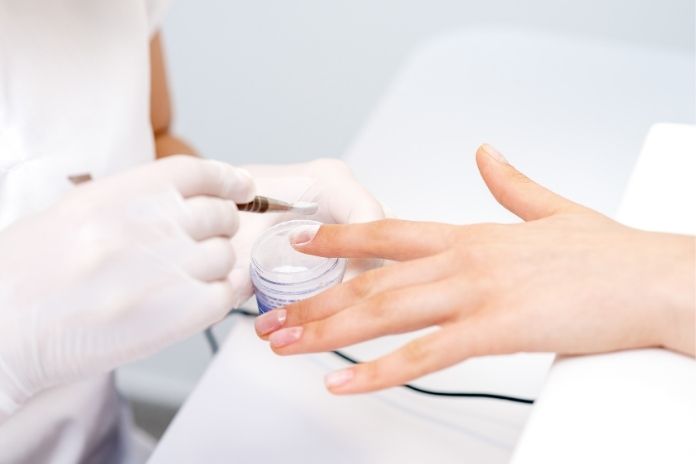
You don’t necessarily have to abandon gel manicures altogether. Safer alternatives are available, and some have already existed for years.
- TPO-free Gel Polishes: Key brands are reformulating to substitute TPO with less controversial photoinitiators.
- Non-toxic Polish Lines: Search for 10-free” or “21-free These omit typical toxic chemicals such as formaldehyde, DBP, and toluene.
- Dip Powders: Provide extra longevity without UV curing.
- Hybrid Long-wear Polishes: Standard polish + high-tech top coats now last up to 10 days without harsh chemicals.
Tip: Always verify salon transparency. Don’t be afraid to ask, “Is this polish TPO-free?” More salons are now emphasizing their “clean beauty” products as a selling point.
Read More: Health Tips for Stronger Nails
What This Means for Your Health Routine
The ban doesn’t mean you instantly panic and cancel your next salon appointment. Rather, consider it a push to be wiser about how you indulge in gel manicures.
Ways to reduce risks:
- Opt for TPO-free brands or have your salon verify formulas to be on the safe side.
- Use SPF on your hands or wear UV-protective gloves when using the lamp.
- Take regular nail breaks every few months to allow your natural nails to rest.
- Apply moisturizer to cuticles and nails daily to balance out acetone’s drying effect.
Consider gel manicures as dessert: great in moderation, but not a weekly habit to indulge in.
Should You Stop Using Gel Polish?
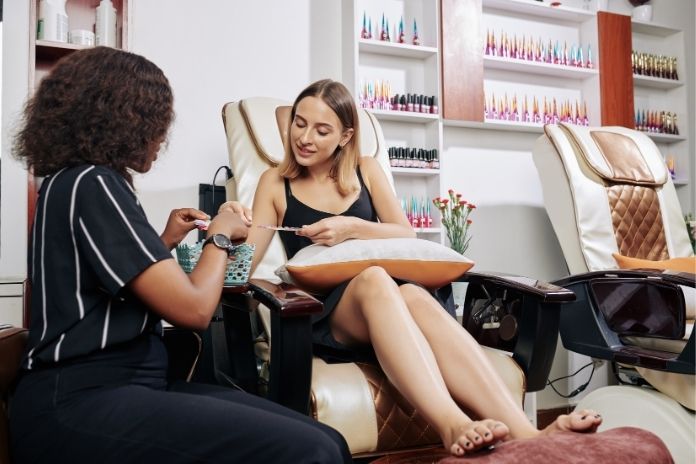
It depends on how often you use it and how comfortable you are with the risks.
- Occasional Users: A wedding, vacation, or special-occasion gel manicure is not likely to harm. If you opt for TPO-free polish and take precautions.
- Frequent Users: If you’re in the salon every 2–3 weeks, it’s time to think twice. Consider switching to a safer polish or requesting reformulated polish.
- Salon Professionals: Regular exposure to gel polish each day involves significantly increased exposure. Gloves, ventilation, and alternative use of safer products are highly advised.
Dermatologists recommend consulting a physician if you experience recurring irritation, allergic reactions, or damage to your nails. These may be indications that your body is not coping well with gel chemicals.
Conclusion
The European gel nail polish prohibition isn’t about destroying beauty regimens—it’s about awareness. While not all gels are dangerous, the prohibition brings focus to toxic chemical ingredients in nail polish and how oblivious most of us are to what’s in our beauty products.
The beauty industry is already shifting toward cleaner, healthier options, with consumers looking for more genuine products. For you, that translates to more options and improved peace of mind.
At the end of the day, nail health is integral to overall health. By being smart, you can still have the confidence of an impeccable manicure without compromising your long-term health.
Remember, to shine is wonderful, but being safe is better.
References
- https://www.thebump.com/a/can-i-use-nail-polish-while-pregnant
- https://www.accio.com/blog/tpo-gel-polish-banned-eu-restrictions-reshape-global-beauty-supply
- https://timesofindia.indiatimes.com/life-style/health-fitness/health-news/popular-gel-nail-ingredient-banned-in-europe-due-to-cancer-risk-is-legal-in-america-heres-what-us-shoppers-should-know-about-it/articleshow/123673298.cms
- https://pluschem.com/blog/eu-and-us-cosmetic-regulations/
- https://www.pbs.org/newshour/health/the-eu-has-banned-a-key-ingredient-in-gel-nail-polish-heres-why-experts-say-its-still-safe
- https://nypost.com/2025/09/01/health/why-gel-nail-polish-is-banned-in-europe-starting-today/
In this Article