














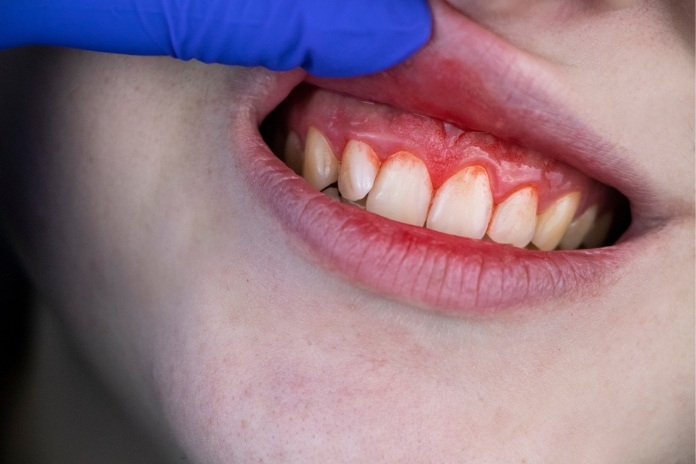
A few days ago, upon brushing my teeth, I noticed a few specs of blood in the washbasin. At first, I did not pay much attention, thinking I had brushed too vigorously. However, when it happened the next time, I was worried. Immediately, I booked an appointment with my dentist to know the root cause. And that was the right decision. Want to know why? Read on.
Seeing blood in the sink after brushing is not a good thing. While most people write it off as normal, bleeding gums while brushing is one of the first red flags that your oral health requires attention. Actually, the fact is that bleeding gums are usually the first sign of gingivitis, which is the mildest and reversible form of gum disease.
Although it may at times be triggered by brushing too hard or starting to floss after a long period, continuous bleeding should never be ignored. It may be associated with gum infections, vitamin deficiency, effects of drugs, or even systemic diseases.
This article explains the causes of bleeding gums, practical remedies for bleeding gums, and when to seek professional help. By the end, you’ll know how to care for your gums, prevent further issues, and understand why healthy gums should never bleed regularly.
Read More: 14 Natural Remedies For Receding Gums For A Better Oral Health
Is Gum Bleeding Normal?
Most people wonder, “Why do my gums bleed?” The truth is that occasional bleeding after flossing or scrubbing too aggressively is not generally a reason for concern. But frequent bleeding isn’t normal and typically indicates the presence of gum disease or some other health problem.
Healthy gums should be pink, firm, and whole despite brushing and flossing daily. Regular bleeding indicates irritation or inflammation and must not be overlooked. Bleeding gums can also mean other issues like diabetes or a vitamin deficiency, and thus, the need to not ignore them only increases.
Key takeaways:
- Bleeding gums now and then can be harmless, but regular bleeding is a warning sign. If you notice blood with each brush and each floss, you may already have gingivitis or some other gum disease in the works.
- Dental health reflects general health. Research reveals a two-way relationship between gum disease and conditions like diabetes and cardiovascular disease, so bleeding gums occasionally can imply broader health problems.
- Healthy gums don’t bleed. Similar to healthy skin not cracking and bleeding from a light touch, gums should not crack and bleed from the light touch of brushing.
Common Reasons for Bleeding Gums
Here are a few reasons for bleeding gums:
Gingivitis (Early Gum Disease)
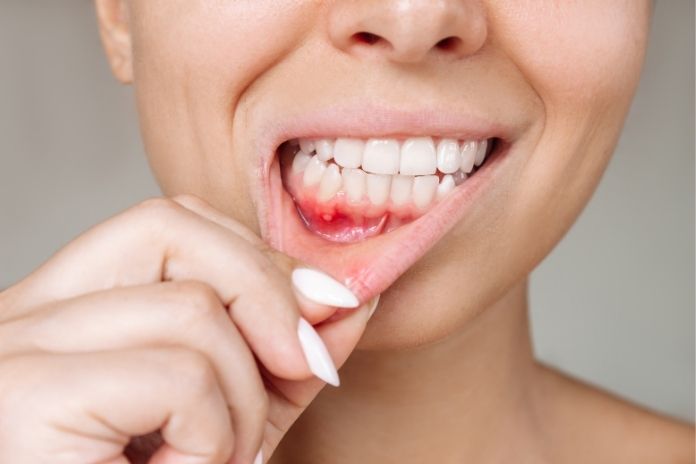
The most common cause of bleeding gums is gingivitis, when plaque builds up along the gumline. Plaque is a sticky film of bacteria that, if not brushed away, becomes tartar. This causes the gums to become puffy, sore, and bleed when brushing or flossing.
Talking about gingivitis, Dr Nicole Mackie, DDS, MS, FACP, founder of the Dr. Nicole Mackie Dental Implant Specialty Center in Las Vegas, says, “This makes the gums red, swollen, and more likely to bleed.”
Symptoms of gingivitis include:
- Red and swollen gums that are puffy or sore. Instead of their healthy pale pink color, gums may be darker in color, shiny, or sore to the touch.
- Blood on the teeth or gums when brushing or flossing with gentle pressure. This is one of the earliest warning signs of gingivitis and is not something to be ignored.
- Constant bad breath or an unpleasant taste in the mouth. Bacteria in plaque produce nasty-smelling chemicals that cause halitosis.
- Mild gum tenderness or sensitivity. You’ll have pain when you eat, especially with warm or cold foods.
Periodontitis (Advanced Gum Disease)
Untreated gingivitis can turn into periodontitis, a very severe form of gum disease. Bacteria at this stage travel deeper under the gumline, ruining supportive tissues and bone. Without treatment, periodontitis leads to tooth loss.
Symptoms of periodontitis include:
- Heavy, frequent bleeding gums. Unlike gingivitis, where bleeding is primarily related to brushing, periodontitis may cause spontaneous bleeding.
- Gum recession and deep pocket formation. Gums begin to recede around teeth, creating areas where bacteria collect.
- Loose or moving teeth. If the bone support is destroyed, teeth become loose or even lost.
- Continuous halitosis or pus along the gumline. These are warning signs of a very serious infection.
Read More: 14 Natural Remedies For Receding Gums For A Better Oral Health
Brushing or Flossing Too Hard

Not all gums bleed from disease. In some cases, too hard oral hygiene is the issue. Brushing with a hard toothbrush or even brushing too hard can damage gum tissue. Even snapping floss between teeth instead of gliding it gently can cause cuts and bleeding.
Tips to avoid damage to the gums:
- Choose a soft-bristled toothbrush. They are gentle on gums but still capable of cleaning teeth.
- Brush in circular motions rather than hard back-and-forth scrubbing. Gentle movement cleans the teeth without disrupting the gums.
- Flossing is done gently by gliding between teeth and curving along the gumline. Never force or snap floss, which results in micro-injuries.
Poor Oral Hygiene
If you forget to brush, or even when you do, it is incorrect, plaque and bacteria can accumulate. At some point, it’s this buildup that disturbs the gums, making them inflamed and bleeding. Poor oral hygiene is one of the strongest signs of gum disease.
Why it matters:
- Forgotten flossing leaves behind bacteria that reside between teeth. Regular brushing aside, tight-space plaque remains untouched without flossing.
- Irregular brushing permits plaque hardening to tartar. Deposited tartar can only be removed by a professional cleaning.
- Poor oral hygiene increases the risk for gum disease as well as cavities. Gum health depends on daily habits.
Vitamin Deficiencies
Your gums need the proper nutrients in order to heal and become strong. Vitamin C or vitamin K deficiency can lead to gums that are easily bleeding.
How deficiencies affect gums:
- Vitamin C deficiency makes the connective tissues in the gums weak. They become fragile, swollen, and prone to bleeding. Severe deficiency (scurvy) in the past led to poor gum health and tooth loss.
- Vitamin K deficiency interferes with blood clotting. Without sufficient vitamin K, even mild gum irritation can cause prolonged bleeding.
- Other deficiencies, such as iron or B vitamins, are also key causes. They affect tissue healing and immunity and thus make one more vulnerable to gum inflammation.
Medications
Certain medications have an effect on the gums, especially those that affect blood clotting or gum sensitivity.
Some of them include:
- Blood thinners such as warfarin or aspirin. These reduce the blood’s ability to clot, and the gums are more likely to bleed.
- Some medicines for the heart or blood pressure. Medicines like calcium channel blockers have been found to cause gums to bleed and become inflamed.
- Anticonvulsants and immunosuppressants also have an effect on gum health by changing tissue response.
Hormonal Changes
Changes in hormones can influence gum sensitivity and circulation, and make some phases of life more prone to bleeding gums.
When gum bleeding is related to hormones:
- Pregnancy gingivitis is common. Increased progesterone levels cause the gums to be more sensitive and swell and bleed even with good hygiene.
- Puberty can lead to gum inflammation. Hormones raise blood pressure in the gums, and they become more susceptible to bleeding.
- Menopause produces dry mouth and gum recession. Dryness irritates the tissues and encourages bleeding.
Other Medical Conditions
Though rare, systemic diseases can cause gum bleeding as one of their features.
Diseases to watch out for:
- Diabetes increases the risk of gum infection. Bacterial growth, which depletes gum tissue strength, is encouraged by high blood sugar.
- Blood clotting disorders, like hemophilia or thrombocytopenia. These disorders make bleeding gums difficult to stop.
- Leukemia and cancers. Bleeding gums might be one of the first signs because of changes in blood cell counts.
Treatments of Bleeding Gums
Most gum bleeding can be reversed or corrected with a few everyday habits:
Improve Oral Hygiene

A good and complete daily oral hygiene routine is the foundation of healthy gums.
What to do:
- Brush twice daily with a soft-bristle toothbrush. Gentle yet effective cleaning removes plaque without damaging gums.
- Floss daily. This prevents plaque from building up between teeth, beyond the reach of brushes.
- Replace your toothbrush every 3–4 months. Bristles that are weakened are less effective and may be irritating to gums.
Use Antimicrobial Mouthwash

Mouthwashes are a saviour sometimes. An antimicrobial rinse decreases bacteria and soothes gum tissue.
Benefits include:
- Reduces bacteria and plaque that cause gingivitis. Chlorhexidine and essential oil mouthwashes are most effective.
- Reaches areas your toothbrush can’t easily reach. Mouthwash moves over gum pockets and back teeth with less resistance.
- Fresher breath and healing. Both cosmetic and health advantages are provided.
Read More: How To Deal With My Bleeding Gums?
Regular Dental Checkups and Cleaning

Professional cleaning becomes essential, despite you following a proper dental care regimen:
Why are checkups at the dentist necessary? Here are a few reasons you must visit a dentist regularly:
- Dentists can diagnose early gum disease. Gingivitis is detectable before it turns into periodontitis.
- Special tools might be needed for tartar removal. Once tartar hardens, it cannot be removed by brushing.
- Deep cleaning may be recommended. Scaling and root planing treatments remove bacteria beneath the gumline.
Balanced Diet and Supplements

Diet plays a crucial role in not just overall well-being, but also gum health.
Here’s what you can include:
- Foods that are rich in Vitamin C, like citrus fruits, bell peppers, and strawberries. These strengthen gum tissue and promote healing.
- Vitamin K foods such as leafy greens, spinach, and kale. These help blood clotting and prevent further gum bleeding.
- Lean proteins such as nuts and seeds. These supply minerals that promote bone and gum health.
- Limit sugar and refined carbohydrates. These nourish bacteria, which enhance gum inflammation.
Stop Smoking
Smoking is a top risk factor for gum disease. And, here’s why quitting matters:
- Nicotine narrows the blood vessels that reach the gums. This not only slows healing but also might hide signs of gum disease.
- Smokers are more likely to develop severe periodontitis. Studies show significantly greater tooth loss among smokers.
- Quitting smoking improves the success of treatment. Treatment for gum disease is better in those who do not smoke.
When to See a Dentist or Doctor
Gums that bleed may need a doctor’s care. See a dentist if:
- Bleeding continues for more than a week despite better hygiene. Constant symptoms most likely mean gingivitis or periodontitis.
- Gums are sore, swollen, or have receded. These are late signs of gum disease.
- You experience loose teeth or chronic bad breath. Both are warning signs of deep infection.
- You have risk factors such as diabetes or hereditary gum disease. These conditions raise your susceptibility.
- You have abnormal bruising and profuse bleeding in the gums. This may be a sign of some other health condition that needs medical input.
The Bottom Line

Gums bleeding at brush time is never “just normal.” While it can happen now and then as a result of brushing too hard, it’s mostly an early sign of gingivitis, oral hygiene problems, or even illness.
The good news? A majority of them are reversible with simple daily oral care, proper diet, and regular dental cleanings. However, if the bleeding does not stop or is accompanied by other signs or symptoms, don’t wait. In these scenarios, see a dentist or physician to rule out serious causes.
Remember: healthy gums never bleed. Small steps today can protect your teeth, gums, and your overall health in the long run.
References
- https://www.webmd.com/oral-health/bleeding-gums-other-conditions
- https://www.majesticsmiles.com.au/gum-disease-from-smoking/
- https://journals.plos.org/plosone/article?id=10.1371/journal.pone.0117177
- https://drboudaie.com/nourishing-your-smile-the-essential-vitamins-for-gums-and-teeth/
- https://journals.plos.org/plosone/article?id=10.1371/journal.pone.0117177
- https://www.msdmanuals.com/home/mouth-and-dental-disorders/periodontal-diseases/gingivitis
- https://www.nycendodontist.com/blog/why-are-my-gums-bleeding-when-i-brush-and-floss
In this Article