








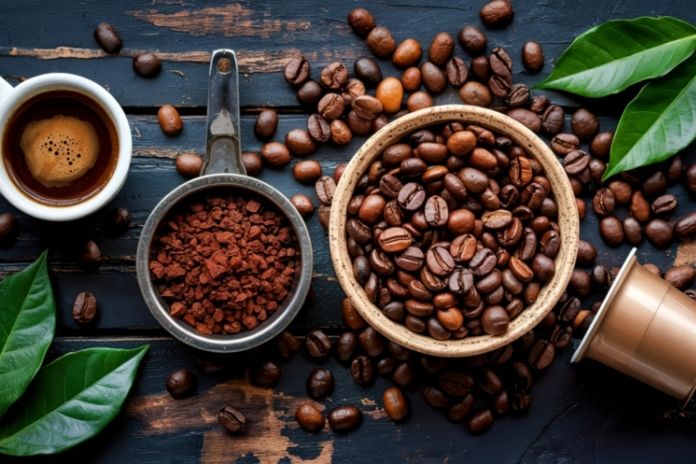
Most people think that darker coffee is stronger. A coffee with a richer flavor, bolder aroma, deeper color; it must have more caffeine, right? But surprisingly enough, that is not true all the time. It gets much more exciting when you take a closer look at dark roast caffeine content.
This article breaks down why dark roast has less caffeine, what happens to caffeine when beans are roasted, how roasting changes bean density, and how brewing methods can affect caffeine levels.
Let us get into the science of light roast vs dark roast caffeine, and understand what actually determines how much ends up in your mug.
How Roasting Coffee Works & What Changes in the Bean
The Roasting Process
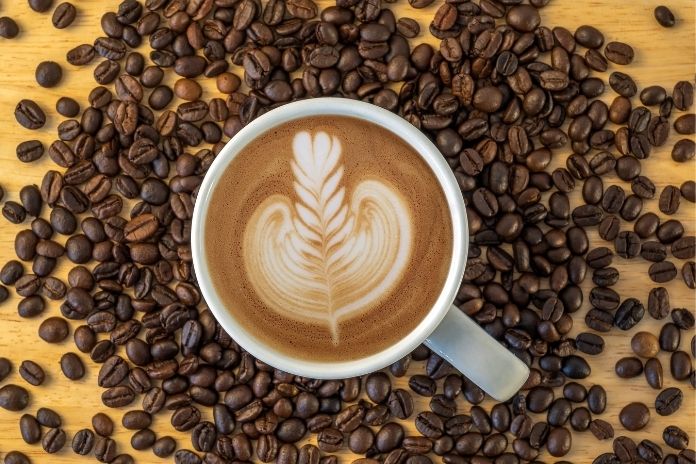
Before roasting, coffee beans are dense, green seeds with a high moisture content. As they heat up, beans undergo a series of physical and chemical reactions. The moisture evaporates, sugars caramelize, and aromatic oils appear after these reactions. These reactions are part of the Maillard process that transforms green beans into the flavorful brown beans we use in our brew.
The beans stay in the roaster longer and at a higher temperature for darker roasts. This deeper roasting causes the signature bold flavor. Still, it affects the density of the coffee beans after roasting. It is essential to understand that dark roast has less caffeine and how the roast level affects caffeine in coffee.
Dr. Saurabh Sethi, a gastroenterologist and health influencer, says, “It may be surprising, but darker roast has less caffeine and therefore is easier on the stomach.”
Read More: What Happens If You Drink 3 Cups of Coffee a Day?
Physical & Chemical Changes Relevant to Caffeine
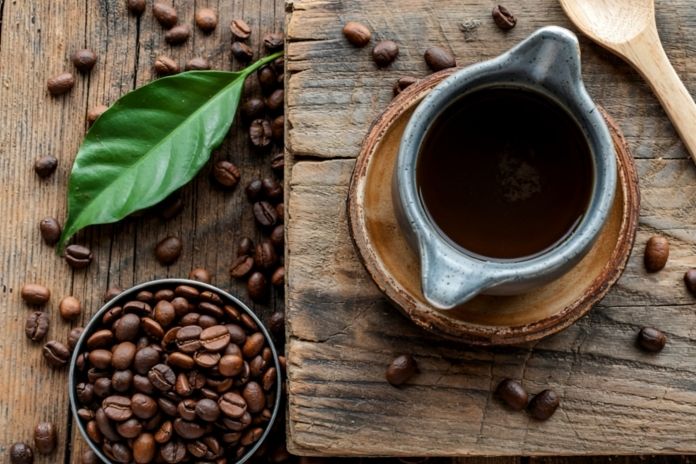
As beans roast, moisture evaporates, and the bean expands, meaning dark roast beans become lighter and less dense. This density shift is a major reason people think dark roast coffee has less caffeine. A scoop of dark roast contains fewer grams of coffee than a scoop of light roast.
Caffeine is heat-stable and survives normal roasting temperatures. However, roasting for a very long time or in extreme heat can result in small losses. These are small, but they add to the notion that dark roast caffeine content can be somewhat lower.
The key takeaway here is that caffeine does not disappear during roasting. However, the bean structure shifts enough to affect the amount of caffeine that ends up in your scoop, in your brew, and in your cup.
Why Dark Roast Often Results in Slightly Less Caffeine
Weight vs Volume Measurement
Here’s where the biggest misconception comes in.
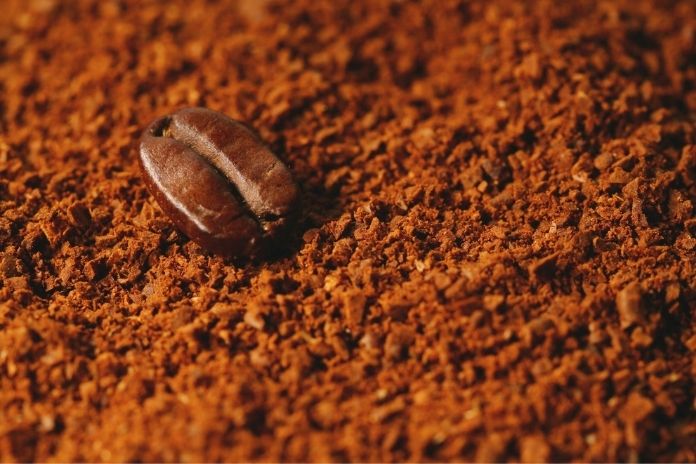
If you measure your coffee by volume, for example, one tablespoon or one scoop, then ‘dark roast has less caffeine’ becomes true. Dark roast beans are puffier and less dense. Hence, one scoop contains fewer grams of coffee beans and less caffeine naturally. That’s where coffee caffeine measurement by weight becomes more accurate.
On the other hand, when measured by weight. For instance, 20 grams of the light roast vs dark roast caffeine level is almost the same. In that case, roast levels have little effect on caffeine content, as the actual amount of caffeine in the beans remains unchanged.
So, in short, when we compare dark roast vs. light roast:
- Per volume (scoop), light roast has more caffeine.
- By weight (grams), we find slight differences.
This explains why people argue, “Does dark roast coffee have less caffeine?”
Possible Mild Loss of Caffeine during Roasting
Extreme heat can cause a slight degradation of caffeine. The deep, oily beans roasted to a dark finish may lose a small portion of caffeine due to exposure at higher temperatures for longer periods. This leads to dark roast caffeine content being slightly lower.
These losses are tiny in comparison to other, larger factors. In most cases, brew method or bean variety affects caffeine far more than roast level.
Read More: Is Your Morning Coffee Sabotaging Your Gut Health?
Other Important Factors That Affect Caffeine in Your Cup
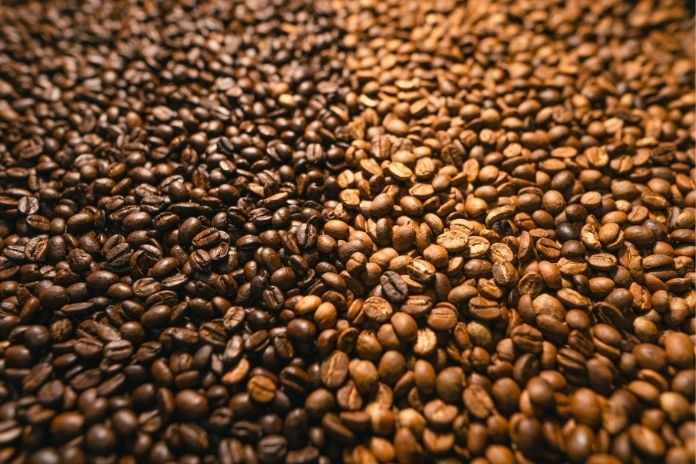
Understanding caffeine is not all about comparing light roast vs dark roast caffeine; roast level is just one of the ways. Several other factors can significantly change caffeine levels, often more than roast ever could.
Variety of Bean: Arabica vs. Robusta Caffeine Content
Robusta beans also have a lot more caffeine than Arabica by nature. Even a dark roast Arabica may have less caffeine than a light roast Robusta. In many cases, bean genetics outweighs roast level.
Grind Size, Brew Method & Extraction
Grind size, brewing method, and caffeine extraction from the beans all affect caffeine levels. Here’s how each one makes a difference:
- The extraction method directly impacts caffeine release.
- A finer grind means more surface area, which equals more caffeine.
- Longer brew time means more caffeine extraction.
- Methods like espresso, cold brew, French press, and drip extract caffeine differently.
That’s where the caffeine extraction and coffee brew method come in. A large cold brew or long-steeped French press can deliver higher caffeine than a small shot of espresso, regardless of roast level.
Serving Size & Bean Dose
This one is straightforward. The more beans, the more caffeine. If you use more coffee, you’ll get more caffeine, no matter whether you’re using light or dark roast. This trumps nearly everything else, including density difference.
Read More: Black Coffee For Weight Loss – Is It Effective?
Quick Summary
Dark roast has less caffeine mainly because dark roast beans are less dense, so a scoop contains fewer grams of coffee.
By weight, dark roast and light roast are practically identical in their caffeine contents, with only very slight differences. The roasting process will entail tiny losses of caffeine. Though the real difference comes from coffee bean density after roasting, not caffeine breakdown.
Caffeine content is significantly affected by the factors of Arabica vs Robusta, grind size, brewing method, and total bean dose rather than roast. Does dark roast coffee have less caffeine? It depends on whether you measure by weight or volume.
References
- https://sfbaycoffee.com/blogs/articles/dark-roast-coffee-a-complete-overview
- https://valor.coffee/blog/does-light-roast-coffee-really-have-more-caffeine-than-dark-roast
- https://driftaway.coffee/caffeine/
- https://coffeenq.com.au/how-fresh-is-your-coffee-why-roast-date-matters/
- https://doorcountycoffee.com/blog/coffee-roast-levels-impact-flavor/
In this Article